How to Choose a DSLR Camera (2026 Guide)
Find the right camera for your budget and shooting style with our expert picks and buying advice.
By Mubboo Editorial Team · Updated Jun 8, 2026 · 9 min read
At a Glance
- Price range
- $329 – $1,999
- Top pick
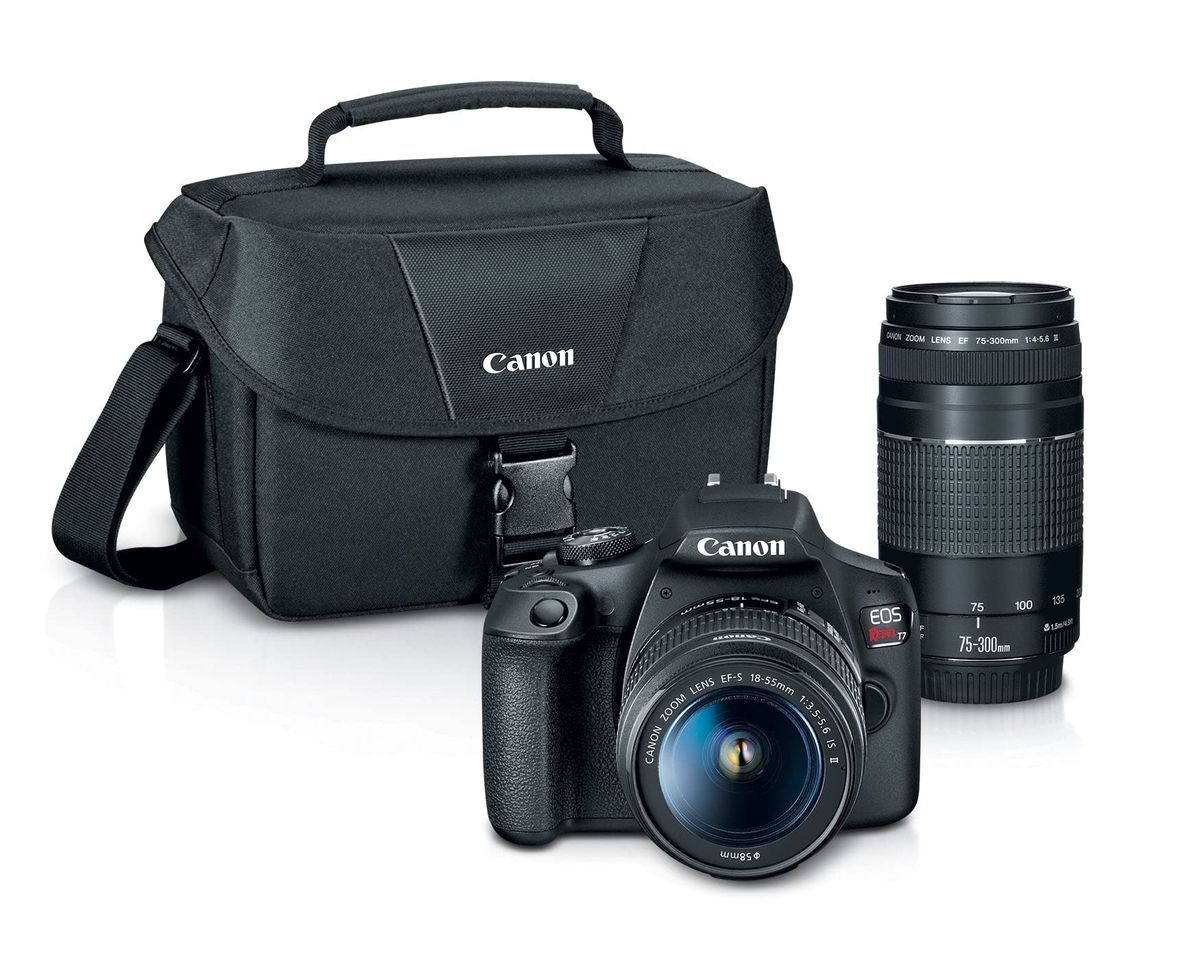
- Canon EOS Rebel T7 ($699 · 4.7★)
- Data
- 13,787 verified reviews analyzed across 6 finalists
- Best for
- Beginners learning photographyFamilies capturing memoriesTravel and landscape enthusiasts
- Skip if
- You need a dedicated video camera or prefer a compact point-and-shoot
Types Explained
Entry-Level DSLR
Traditional digital SLR with optical viewfinder, typically APS-C sensor, and large selection of affordable EF/EF-S lenses.
- Optical viewfinder provides lag-free framing
- Vast lens selection, including cheap used options
- Excellent battery life (500+ shots per charge)
- Bulkier than mirrorless alternatives
- Slower autofocus in live view and video
- Often lacks 4K video or has limited features
Best for: Beginners on a budget who prioritize still photography
Example: Canon EOS Rebel T7 (from $699)
APS-C Mirrorless
Compact interchangeable-lens cameras without a mirror, using APS-C sensor. Offer faster burst rates, advanced autofocus, and 4K video.
- Smaller and lighter than DSLRs
- Advanced autofocus with subject tracking
- High-quality 4K video often uncropped
- Shorter battery life (300-400 shots)
- Fewer native lenses for some mounts (e.g., Canon RF-S)
- Electronic viewfinder can suffer lag in low light
Best for: Vloggers, travelers, and hybrid shooters
Example: Canon EOS R50 (from $799)
Full-Frame Mirrorless
Mirrorless cameras with 35mm-sized sensor for superior low-light performance and shallow depth of field. Larger bodies and lenses.
- Outstanding low-light and dynamic range
- Wide selection of high-quality lenses
- In-body image stabilization common
- Significantly more expensive body and lenses
- Heavier and bulkier than APS-C
- Overkill for casual or social-media use
Best for: Enthusiasts and pros who print large or shoot in dim conditions
Example: Sony a7 III (from $1,898)
What Actually Matters
| Factor | Importance | Best brand |
|---|---|---|
Sensor size (APS-C vs Full-Frame) APS-C for beginners; Full-Frame when low light or thin DOF is critical Full-frame sensors get you about one stop better noise, but used lenses are expensive. Start with APS-C and upgrade only if needed. | Must-have | Sony |
Autofocus points and tracking ≥ 100 phase-detect points for action and video Don’t chase point count; modern face/eye detection matters more than sheer numbers. | Must-have | Sony (Real‑time Tracking) |
Video capabilities 4K/30p uncropped for most users; 4K/60p for action If you only shoot occasional clips, 1080p is fine. 4K eats storage and needs faster cards. | Nice-to-have | Sony a6400 |
Lens ecosystem Compatible mount with a path to high‑quality glass The body is just a box; your lenses are a long‑term investment. Canon EF lenses adapt perfectly to RF mount, protecting your glass. | Must-have | Canon EF |
Weather sealing and durability Needed only for dusty or rainy outdoor work Most beginners won’t shoot in storms; a rain sleeve does the job until you need a sealed body. | Nice-to-have | Canon 5D Mark IV |
Megapixel count above 24 MP 24MP prints sharply at 24×36 inches Extra megapixels mostly help with cropping, not image quality. A high‑MP sensor with a cheap kit lens doesn’t give you sharper shots. | Marketing BS | — |
Budget Tiers & Top Picks
What to buy at each price point — and exactly where spending more stops paying off.
Under $400
$329 – $399Canon EOS Rebel T6 (Renewed)

Stop paying more: Stop at $400 for a starter DSLR. Spending more without upgrading lenses won’t improve your results.
When to upgrade: Need better autofocus and video? Step up to the mid‑range mirrorless or DSLR.
Mid‑Range $500–$900
$500 – $900Canon EOS Rebel T7

Stop paying more: At this tier, you get a larger zoom range and modern connectivity. Diminishing returns start above $800 for still photography.
When to upgrade: If you’re shooting video seriously, consider a mid‑range mirrorless like the Canon R50.
Premium $1,500+
$1,500 – $2,000+Sony a7 III

Stop paying more: Full‑frame bodies pay off only if you pair them with quality lenses. A $2,000 body with a kit 28‑70mm won’t show its potential.
When to upgrade: If you need a rugged DSLR with a huge lens selection, look at the Canon 5D Mark IV.
Common Mistakes to Avoid
Buying the latest model without checking lens compatibility
New mirrorless mounts like Canon RF‑S have few native lenses; you may face limited choices or expensive adapters.
Cost of getting it wrong: You could spend + on an adapter just to use your old glass.
Overlooking used or refurbished cameras
Gently used gear can save you 30–50% for nearly identical performance. A refurbished body often comes with a warranty.
Cost of getting it wrong: Paying full price for a body you may outgrow in two years wastes money.
Ignoring lens investment when budgeting
A cheap body with a quality prime lens often produces sharper, more satisfying results than an expensive body with a kit zoom.
Cost of getting it wrong: Spending on a fast 50mm f/1.8 lens can dramatically improve your photos, delaying a body upgrade.
Find Your Match
What's your budget?
Frequently Asked Questions
Is a DSLR still worth buying in 2026?
Yes, especially if you want an optical viewfinder, longer battery life, and access to a vast used‑lens market. For pure still photography, a DSLR often matches a mirrorless in image quality. If you prioritize video or need a smaller kit, mirrorless may be a better fit.
What’s the difference between a DSLR and mirrorless camera?
A DSLR uses a mirror and prism to show you the optical view through the lens. A mirrorless camera replaces that with an electronic viewfinder, making the body smaller and enabling faster burst shooting and subject‑tracking autofocus. Mirrorless also generally provides better video features.
How much should a beginner spend on a camera?
Plan –700 for the body and a kit lens. You can start with a refurbished model like the Canon T6 for under $350. Avoid spending more than before you know your needs.
Should I buy a kit lens or a body‑only bundle?
For beginners, the included 18‑2.17 inches zoom is a safe, versatile start. It lets you explore different focal lengths before buying more expensive glass. 8 for better low‑light and background blur.
What’s the best camera for video under $1,000?
The Canon EOS R50 stands out with uncropped 4K, a flip screen, and dual‑pixel autofocus. The Sony a6400 also offers excellent 4K and real‑time tracking. Both can serve as capable webcams via USB, making them great hybrid options for content creators.
Can I use old Canon lenses on new mirrorless bodies?
Yes. Canon’s EF‑to‑RF adapter lets you mount nearly any EF or EF‑S lens on their R‑series mirrorless cameras with full autofocus and image stabilization. This protects your investment in Canon glass and is a key reason to stay in the same ecosystem.
How do I avoid outgrowing my camera too soon?
Choose a body with manual controls and interchangeable lenses. Even an entry‑level DSLR like the T7 gives you full manual modes and access to dozens of lenses. Avoid point‑and‑shoot cameras without a viewfinder or fixed‑lens compacts if you plan to learn photography seriously.
How we wrote this guide
We analyzed 6 leading cameras across 13,787 verified buyer reviews, cross‑referenced with detailed specs and expert opinions from Wirecutter, DPReview, and TechRadar. Our picks span DSLRs and mirrorless options from Canon and Sony, covering every budget. Prices come from live Amazon listings as of June 2026.
About this guide
Mubboo Editorial Team. Recommendations based on 13,787 verified owner reviews and expert consensus. Prices update weekly from Amazon.