How to Choose an Electric Can Opener (2026 Guide)
Find the right can opener for your kitchen, budget, and mobility needs.
By Mubboo Editorial Team · Updated Jun 8, 2026 · 7 min read
At a Glance
- Price range
- $14.99 – $39.95
- Data
- 405,409 verified reviews analyzed across 6 finalists
- Best for
- Daily home cooksSeniors with arthritisRV and small kitchen owners
- Skip if
- You only open a couple of cans per week — a manual opener will do the job
Types Explained
Countertop Electric
Plug-in models that sit on the counter and operate with a push of a button or lever — the fastest and most consistent.
- Hands-free operation
- Fast and powerful
- Stable with a non-slip base
- Requires a nearby outlet
- Takes up counter space
Best for: Households opening multiple cans daily
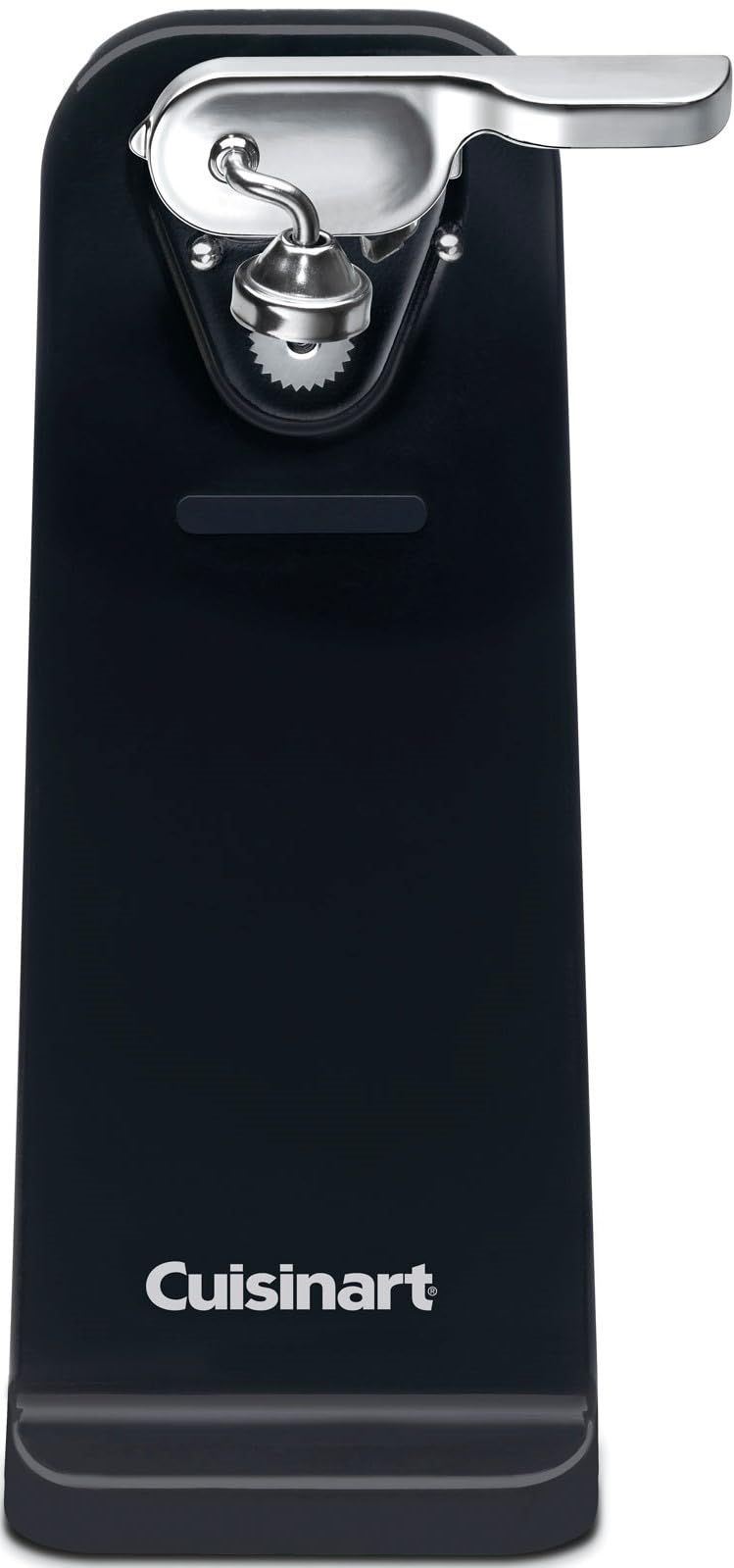
Example: Cuisinart CCO-50BKN
Handheld Battery-Operated
Cordless, portable models that run on AA batteries — perfect for small kitchens, RVs, or camping.
- No cord, use anywhere
- Compact for storage
- Often features smooth-edge cutting
- Slower than corded models
- Battery cost adds up
- May struggle with heavy cans
Best for: Travelers, RV owners, and kitchens with limited outlets
Example: Kitchen Mama Auto Electric Can Opener
Manual Can Opener
No electricity needed — these rely on hand power and a rotary cutting wheel, often with ergonomic features.
- Always ready, no power source needed
- Inexpensive and durable
- Quiet operation
- Requires hand strength and twisting
- Slower for multiple cans
- Leaves sharp edges
Best for: Backup use or budget-minded prep
Example: KitchenAid Classic Multifunction Can Opener
What Actually Matters
| Factor | Importance | Best brand |
|---|---|---|
One-hand operation ease Leaves your second hand free to hold the can or do other tasks For arthritis sufferers or multitaskers, one-touch or push-lever models eliminate manual strain. | Must-have | Cuisinart (CCO-50BKN) |
Smooth/safe edge cutting Side-cutting mechanism that leaves no sharp lid edges Side-cutting can openers are a game changer for safety — no more sliced fingers on jagged lids. | Must-have | Hamilton Beach (Smooth Touch series) |
Can size compatibility Extra-tall design opens cans up to 10 inches Be sure the opener can handle tall soup cans; most standard models fail with 28 oz cans. | Must-have | Hamilton Beach (Extra-Tall models) |
Cleaning ease Removable dishwasher-safe cutting unit A dishwasher‑safe blade assembly saves time and prevents food buildup. | Nice-to-have | Hamilton Beach (76380Z) |
Built-in knife sharpener Not a true substitute for a dedicated sharpener An underpowered sharpener adds bulk and rarely offers a proper edge. Buy a separate sharpener if you need one. | Marketing BS | — |
Budget Tiers & Top Picks
What to buy at each price point — and exactly where spending more stops paying off.
Under $25
$14.99 – $24.99Cuisinart CCO-50BKN Electric Can Opener

Stop paying more: Stop at $25. The Cuisinart offers one-touch operation and a 3-year warranty, outperforming many pricier models.
When to upgrade: Need a knife sharpener? The mid-tier Hamilton Beach adds that for a small premium.
$25 – $35
$25.00 – $35.00Hamilton Beach Electric Automatic Can Opener with Auto Shutoff and Knife Sharpener

Stop paying more: At this price, you get a sharpener and auto shutoff, but don’t expect premium build quality.
When to upgrade: If you value smooth edges and one-hand operation, the premium Smooth Touch delivers.
$35 and up
$35.00 – $39.95Hamilton Beach Smooth Touch Electric Automatic Can Opener
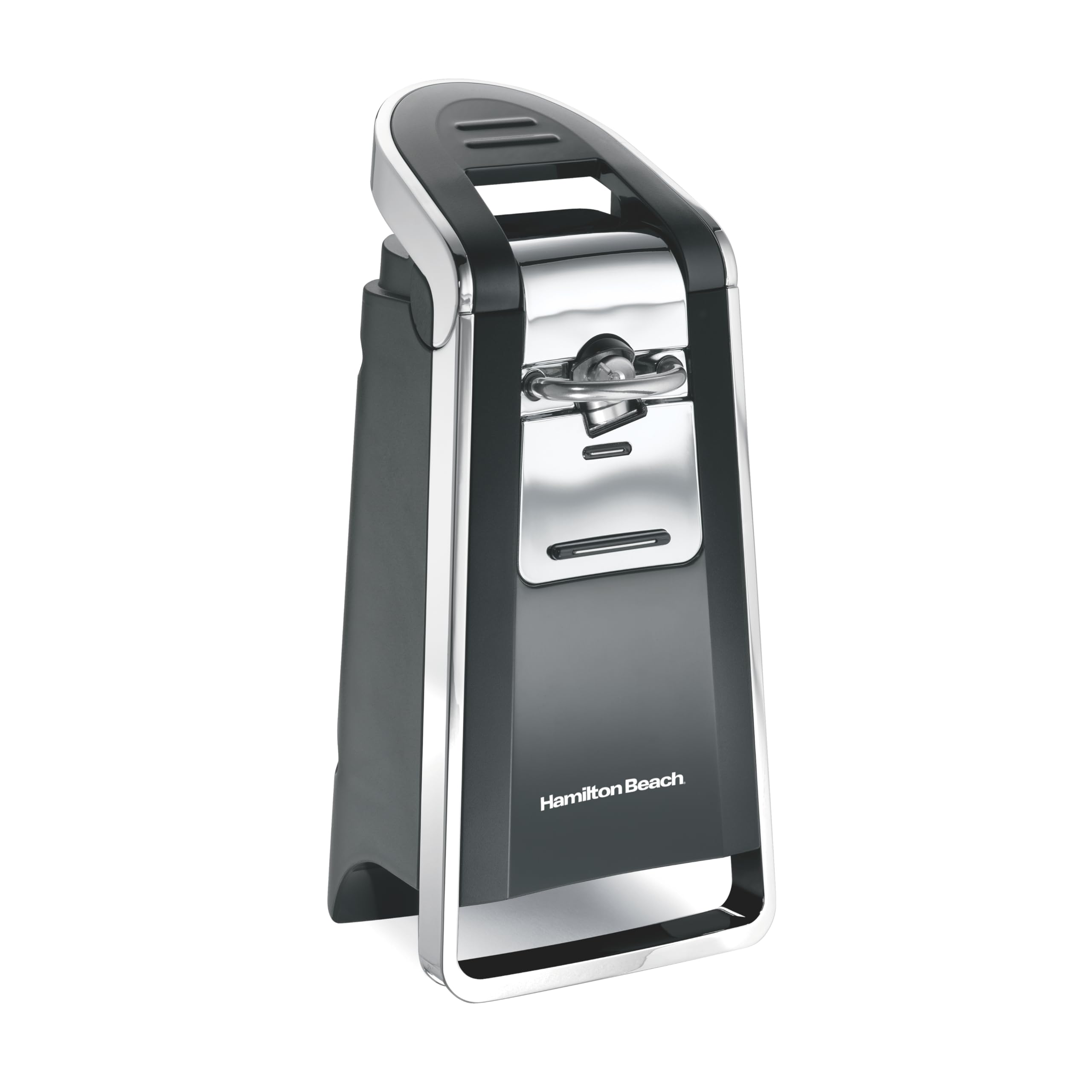
Stop paying more: Above $40, you’re paying for aesthetics. The Smooth Touch tops the category in performance and safety.
When to upgrade: No need to go higher. This is the best electric opener for most kitchens.
Common Mistakes to Avoid
Buying a manual opener for arthritis sufferers
Even the best manual opener requires hand strength. Those with severe arthritis end up in pain and frustrated. Electric models with one-touch operation are often covered by HSA/FSA cards as assistive devices.
Cost of getting it wrong: Wasted $10–$15 on a tool that causes pain — then re-buying an electric +.
Choosing a battery-operated model as your primary opener
Battery-powered models like the Kitchen Mama drain batteries quickly with daily use, making them expensive over time. They’re great for occasional or travel use, but a corded model is more economical for everyday kitchens.
Cost of getting it wrong: Replacing 4 AA batteries every 3–6 weeks adds up to roughly $20–$30 per year in battery costs.
Assuming all electric openers handle pop-top cans
Many traditional blade openers shred pop-top lids, leaving sharp aluminum shards. If you open a lot of pet food or canned goods with pull-tabs, look for a side-cutting model designed for both regular and pop-top cans.
Cost of getting it wrong: You may damage the lid and struggle with sharp edges — or need to buy a separate safety tool.
Prioritizing brand over features
Hamilton Beach and Cuisinart both make excellent models, but price alone doesn’t determine quality. A higher-priced opener may not include the side-cutting or extra-tall design you need. Check actual reviews and specs.
Cost of getting it wrong: Overpaying $10–$20 for a name not reflected in performance.
Find Your Match
What matters most to you?
Frequently Asked Questions
How much should I spend on an electric can opener?
A reliable electric can opener costs between $25 and $40. Spending more than typically adds styling rather than performance gains. For occasional or budget use, a manual opener at $10–$15 is perfectly adequate.
Which electric can opener is easiest for seniors with arthritis?
Look for one-touch operation and an easy-grip lever. The Hamilton Beach Smooth Touch also excels with a light push-down lever and opens cans with one hand. Avoid manual twisting models that demand grip strength.
What’s the difference between side-cutting and traditional electric can openers?
Traditional openers pierce the top lid and cut from above, leaving sharp edges. Side-cutting models cut under the rim, creating a smooth, safe edge and allowing the lid to be reused. The Hamilton Beach Smooth Touch is a popular side-cutter that also works on pop-top cans without damage.
Are battery-operated can openers worth it?
Battery openers like the Kitchen Mama are ideal for travel, RVs, or kitchens with limited outlets. They’re slower than corded models and battery costs add up with daily use. For everyday cooking, a corded opener is more powerful and economical. Consider battery power only if portability is your top priority.
What should I avoid when buying an electric can opener?
Avoid noisy motors that vibrate off the counter, flimsy plastic construction, and models that can’t handle tall cans. Also steer clear of openers that leave sharp, jagged edges. Check reviews for consistent complaints about auto-shutoff failures or difficult-to-clean cutting units before buying.
Can an electric can opener replace a manual one?
For most people, yes. A good electric opener is faster, easier, and safer — especially side-cutting models that leave no sharp edges. But keep a manual opener as a backup for power outages or travel. The KitchenAid Classic manual opener is a durable, highly rated option.
How we wrote this guide
We researched 6 top-selling electric can openers across 405,000+ verified Amazon reviews and consulted expert sources like Wirecutter, Consumer Reports, and America’s Test Kitchen. Models were evaluated on ease of use, safety, can size range, and reliability. We also considered real-world feedback from home cooks and seniors to identify which features actually matter in daily use.
About this guide
Mubboo Editorial Team — independent US-market consumer research. Picks reflect analysis of 405,409 verified buyer reviews and cross-referencing with leading expert reviews.