How to Choose Outdoor Electronics & Gadgets: A No-Nonsense
From fitness trackers to compasses, find the right gadget for your next adventure.
By Mubboo Editorial Team · Updated Aug 9, 2026 · 5 min read
At a Glance
- Price range
- $10 – $125
- Top pick
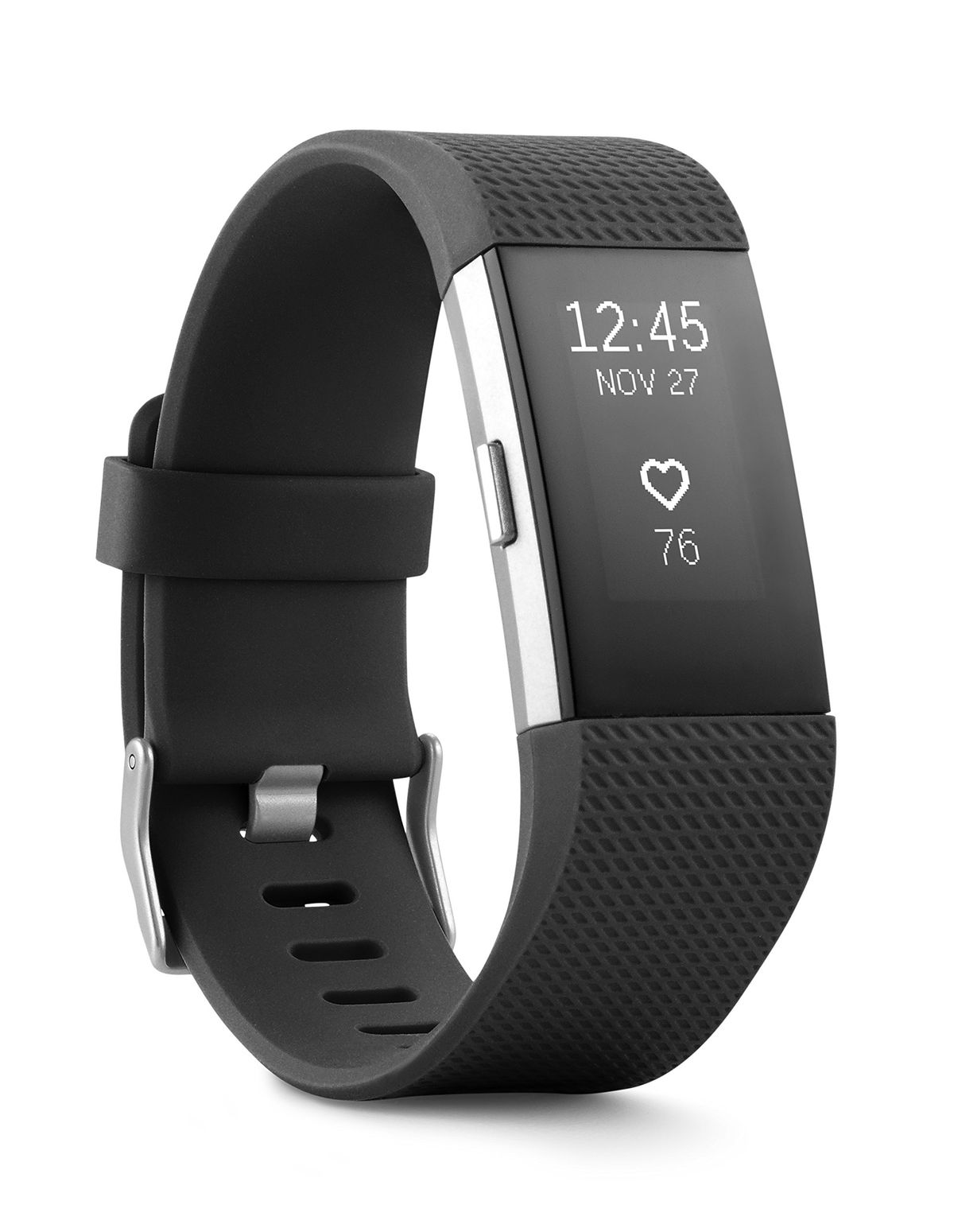
- Fitbit Charge 2 ($89.99 · 4.3★)
- Data
- 84,065 verified reviews analyzed across 6 finalists
- Best for
- Fitness trackingCycling trainingHiking navigation
- Skip if
- You need a multi-sport smartwatch with GPS — consider a Garmin Forerunner instead.
Types Explained
Fitness Trackers
Wearable bands that track steps, heart rate, and sleep patterns; sync with smartphones via Bluetooth.
- Motivate daily activity
- Compact and lightweight
- Long battery life (5-7 days)
- No built-in GPS on cheaper models
- Limited to basic metrics
Best for: Runners, walkers, and general health monitoring
Example: Fitbit Charge 2 ($90 range)
Cycling Sensors
Small, handlebar-mounted or spoke-attached devices that measure speed, cadence, and distance; transmit data to bike computers or apps.
- Precise training metrics
- Broad device compatibility (ANT+/Bluetooth)
- Lightweight and aerodynamic
- Installation requires some setup
- Separate sensors can be lost or damaged
Best for: Cyclists logging mileage and optimizing performance
Example: Garmin Bike Speed 2 & Cadence 2 Sensor Bundle ($125 range)
Compasses
Manual navigation tools that use Earth's magnetic field; no batteries or screens required.
- Fail-safe, works anywhere
- Lightweight and pocketable
- Perfect for teaching map reading
- Requires basic orienteering skill
- No digital readouts
Best for: Hikers, scouts, and backcountry navigation enthusiasts
Example: Sportneer Orienteering Compass ($15 range)
What Actually Matters
| Factor | Importance | Best brand |
|---|---|---|
Accuracy Heart rate within ±5 bpm, step count error <10% Check verified reviews for consistent measurement; occasional spikes are normal. | Must-have | Fitbit (clinical-grade sensors) |
Battery Life At least 5 days for trackers, 1+ year for sensors Frequent charging is a hassle; coin-cell sensors can last a full season. | Must-have | Wahoo (replaceable coin cell batteries) |
Compatibility Works with your phone OS (iOS 14+ / Android 10+) Ensure the sensor connects to your preferred app (Strava, MapMyRide, Zwift). | Must-have | Garmin (broadest device support) |
Durability IPX7 water resistance for electronics; shock-resistant casing For trail use, avoid cheap plastic that cracks on first drop. | Nice-to-have | Sportneer (military-grade compasses) |
App Complexity Fancy analytics can overwhelm; a simple step count or cadence number is often all you need. | Marketing BS | — |
Budget Tiers & Top Picks
What to buy at each price point — and exactly where spending more stops paying off.
Budget
Under $25TurnOnSport Orienteering Compass

Stop paying more: At $10, you've hit the floor for a reliable compass. Spending $30 gets you a glow-in-the-dark face but no game-changing upgrade.
When to upgrade: If you're hiking in low light or rough weather, the Sportneer compass adds waterproofing and night visibility for just $5 more.
Mid-Range
$25 – $100Fitbit Charge 2

Stop paying more: The sweet spot for most people: $90 buys you proven accuracy and a huge user community. Above $100, you mainly add GPS and stress tracking.
When to upgrade: Cyclists should consider the Wahoo RPM ($55) for dedicated cadence data, or jump to the Garmin bundle for dual sensors.
Premium
Over $100Garmin Bike Speed 2 & Cadence 2 Sensor Bundle

Stop paying more: At $125, you're paying for Garmin's ecosystem and dual sensors. This is the top tier for cycling sensors under $150; beyond this, you're buying a bike computer.
When to upgrade: If you want full bike computer integration, pair these sensors with a Garmin Edge unit (sold separately).
Common Mistakes to Avoid
Buying a compass without learning to read a map
A compass is useless without orienteering skills. Many beginners buy a fancy lensatic model and never learn declination.
Cost of getting it wrong: Wasted $15–$25 and a false sense of security on the trail.
Overlooking battery type
Fitness trackers need charging every few days; cycling sensors use coin cells that last a year. Choose based on your tolerance for maintenance.
Cost of getting it wrong: A dead sensor mid-ride ruins training data; a dead tracker misses steps. The wrong battery means carrying backup chargers or spare cells.
Assuming all sensors work with your phone
Some older ANT+ sensors don't connect directly to phones without a bridge device. Always check Bluetooth compatibility.
Cost of getting it wrong: You may need to buy a separate ANT+ dongle ($10–$20) or replace the sensor entirely.
Find Your Match
What’s your primary activity?
Frequently Asked Questions
What's the best fitness tracker for under $100?
The Fitbit Charge 2, with 30,000+ reviews and a 4.3/5 rating, delivers reliable heart rate and step tracking at a mid-range price. It works with iOS and Android, making it a safe bet for most users.
Can I use a compass without a phone?
Absolutely. A manual compass like the Sportneer or TurnOnSport needs no batteries and works anywhere. Pair it with a paper map and you have a fail‑safe navigation backup.
Do cycling sensors work with Zwift?
Yes, most Bluetooth‑enabled speed and cadence sensors pair directly with Zwift on a phone or tablet. The Garmin and Wahoo sensors listed here are Zwift‑compatible.
What should I avoid when buying outdoor electronics?
Skip gadgets with features you won't use — fancy apps can complicate a simple task. Avoid cheap, no‑name brands with few reviews. Prioritize compatibility with your existing devices.
How does Mubboo choose its picks?
We base our recommendations on thousands of real Amazon reviews, expert roundups from Reviewed.com and Popular Science, and community insights. Picks are independent and driven by quality, not commissions.
Is a fitness tracker worth it for casual walkers?
Yes, especially if you want motivation to move more. The daily step count and heart rate data on a Fitbit Charge 2 can help you stay active without complex metrics.
What's the difference between a cadence sensor and a speed sensor?
A cadence sensor measures pedal rotations per minute, while a speed sensor tracks wheel rotation to calculate distance. For serious training, both data points are valuable.
How we wrote this guide
We analyzed 84,065 verified Amazon reviews across 6 top outdoor electronics finalists. Data was cross-checked with expert sources like Reviewed.com and Popular Science, plus community insights from r/BuyItForLife. Prices reflect live Amazon listings updated weekly.
About this guide
Mubboo Editorial Team – independent US-market consumer research. This guide synthesizes real buyer feedback and expert reviews to help you choose gear that lasts. Prices update weekly from Amazon.