How to Choose a Fire Pit (2026 Guide)
Fuel types, heat output, portability, and safety — everything you need to pick the right campfire companion.
By Mubboo Editorial Team · Updated Jun 8, 2026 · 7 min read
At a Glance
- Price range
- $150 – $280
- Data
- 47,986 verified reviews across 6 finalists
- Best for
- Camping and RV tripsPatio evenings with friendsSmokeless ambience
- Skip if
- You have an indoor fireplace and want only occasional warmth — a space heater might suffice.
Types Explained
Propane Fire Bowls
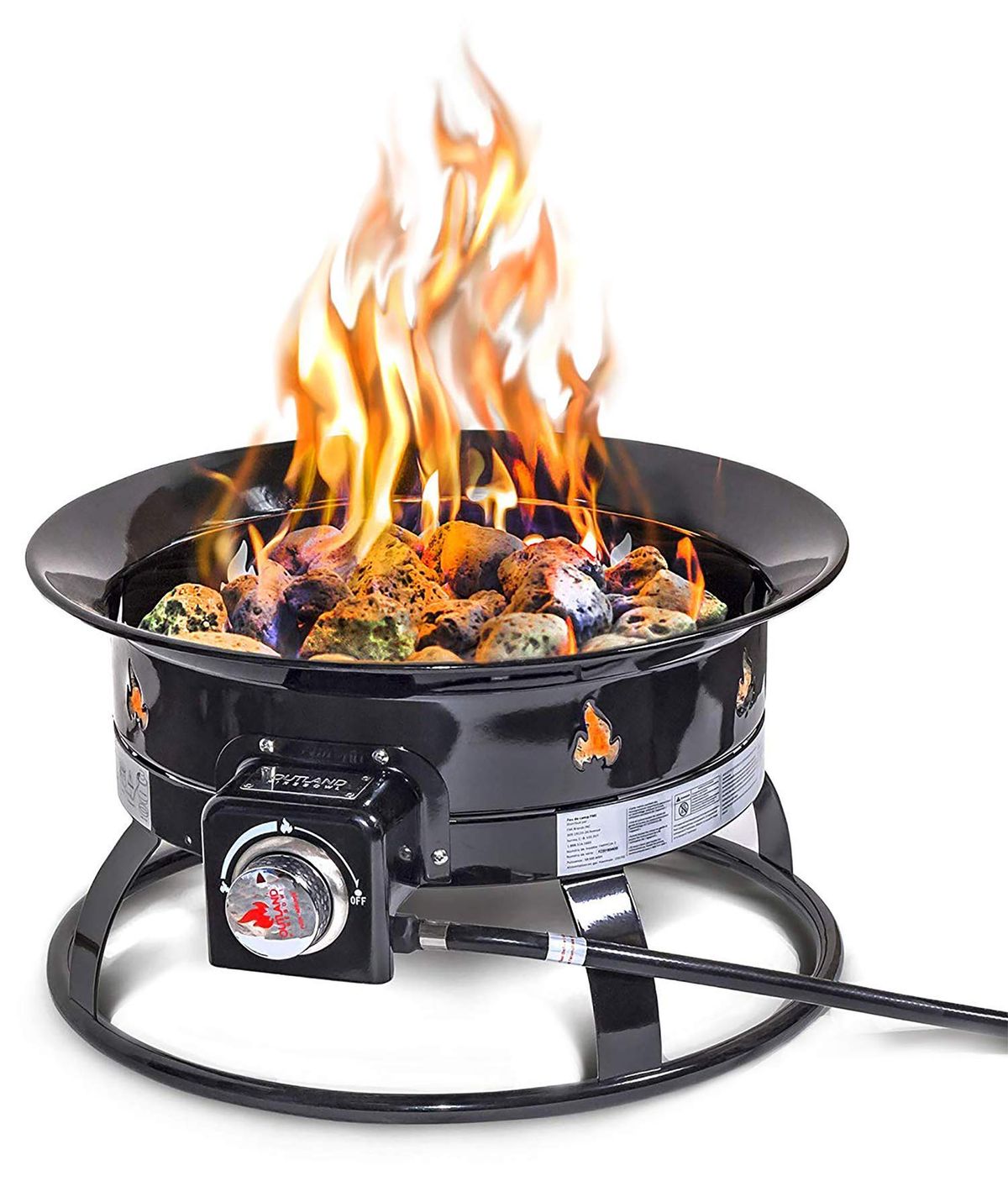
Lightweight, round, smokeless gas pits ideal for camping and small patios. They use a standard 20-lb propane tank (sold separately) and offer instant ignition and adjustable flame.
- Smokeless and ash-free
- Quick setup, no tools needed
- CSA approved for burn bans
- Requires propane tank purchase
- Smaller diameter limits heat radius
Best for: Campers, tailgaters, and small patios
Example: Outland Living Portable 19-Inch (B00KY4S388)
Fire Pit Tables
Rectangular or square gas fire features with a sturdy tabletop rim for drinks and snacks. Many include a lid to convert to a full table when not in use.
- Doubles as outdoor furniture
- Higher BTU for larger groups
- Hidden propane tank storage
- Heavier and less portable
- More expensive than bowl designs
Best for: Patio hosts who want a centerpiece
Example: BALI OUTDOORS 42-Inch Table (B07JFSKSSF)
Wood-Burning Fire Pits
Traditional fire pits that burn logs, offering a crackling ambiance and larger flames. They come with safety spark screens and pokers, and some include adjustable grills for cooking.
- Authentic wood fire experience
- Often larger diameter for big groups
- Some models include cooking grills
- Requires wood and ash cleanup
- Not allowed during burn bans
Best for: Backyard traditionalists and grill masters
Example: Sunnydaze Crossweave 36-Inch (B01LDMXXK2)
What Actually Matters
| Factor | Importance | Best brand |
|---|---|---|
Fuel Type Propane for convenience, wood for authenticity Propane eliminates ash cleanup and works during burn bans; wood offers crackling ambiance but requires maintenance. | Must-have | Outland Living (propane) |
BTU Output ≥50,000 for 2–4 people; ≥60,000 for larger groups Under 40,000 BTUs struggles to heat an open patio. For cozy warmth, aim for 50,000+. | Must-have | BALI OUTDOORS (60,000 BTU) |
Safety Certification CSA or UL listed CSA certification allows use during many campfire bans; always check local restrictions. | Must-have | Most Outland Living and Ciays models |
Portability & Weight Under 35 lbs for camping; under 80 lbs for patio If you'll move it between camping and home, prioritize lightweight with carry kit. Fixed patio tables stay put. | Nice-to-have | Outland Living (23 lbs) |
Brand Premium You're paying 30–50% more for a logo. Many no‑name brands offer identical steel and BTUs at half the price. | Marketing BS | — |
Budget Tiers & Top Picks
What to buy at each price point — and exactly where spending more stops paying off.
Under $160
$155 – $160Ciays 28 Inch Propane Fire Pit Table
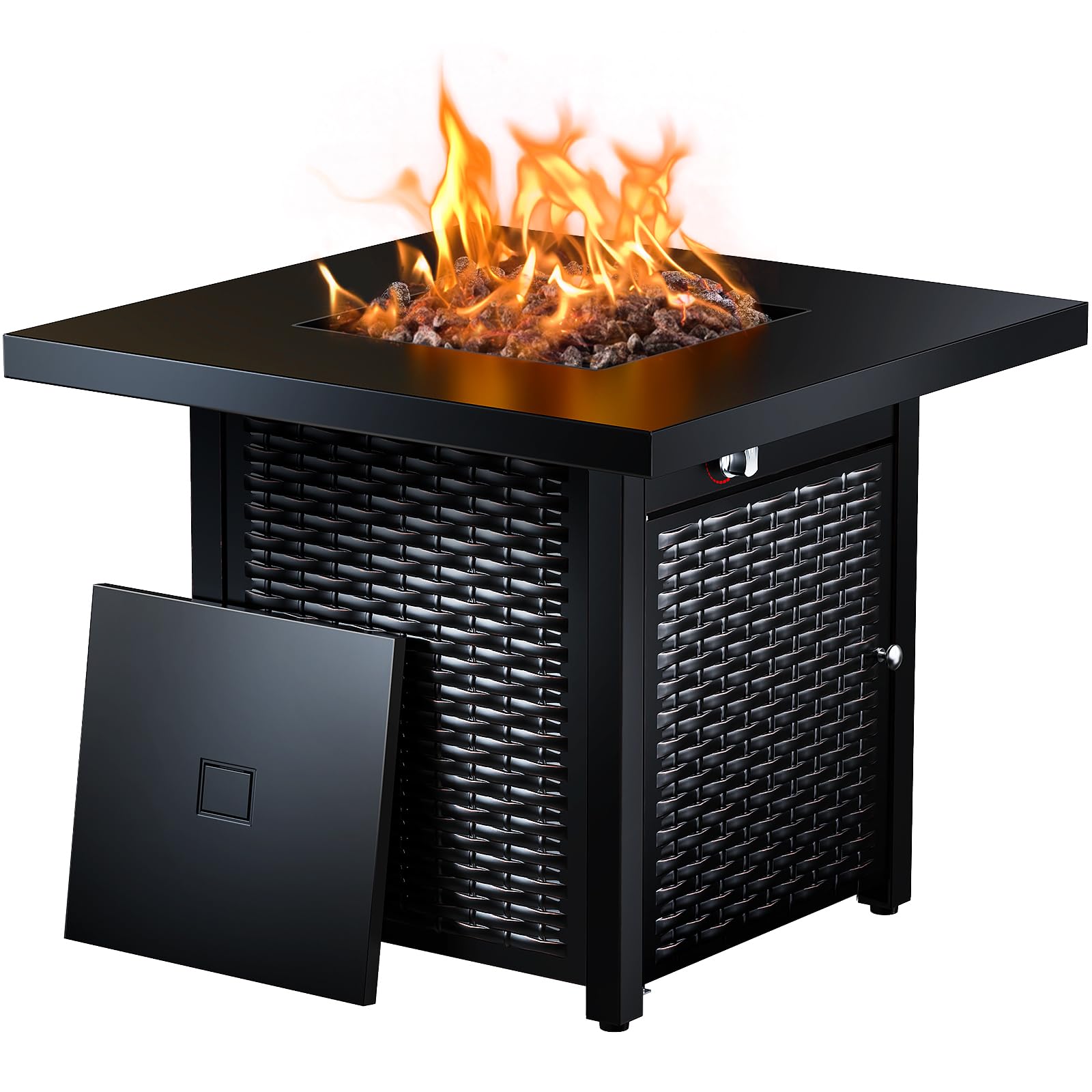
Stop paying more: Stop at $160. Spending more won’t get you a significant BTU upgrade in this tier.
When to upgrade: Need more heat or a tabletop? Step up to $200 for mid‑tier models with larger dimensions.
Mid Range ($160 – $200)
$160 – $200Outland Living Firebowl 24-Inch Mega

Stop paying more: Around $200 gets you a durable, high‑BTU propane pit with weather cover. Avoid paying more unless you want a table.
When to upgrade: For a stylish centerpiece with tile top, premium tier starts at $280.
Premium ($200+)
$200 – $280BALI OUTDOORS 42‑Inch Fire Pit Table
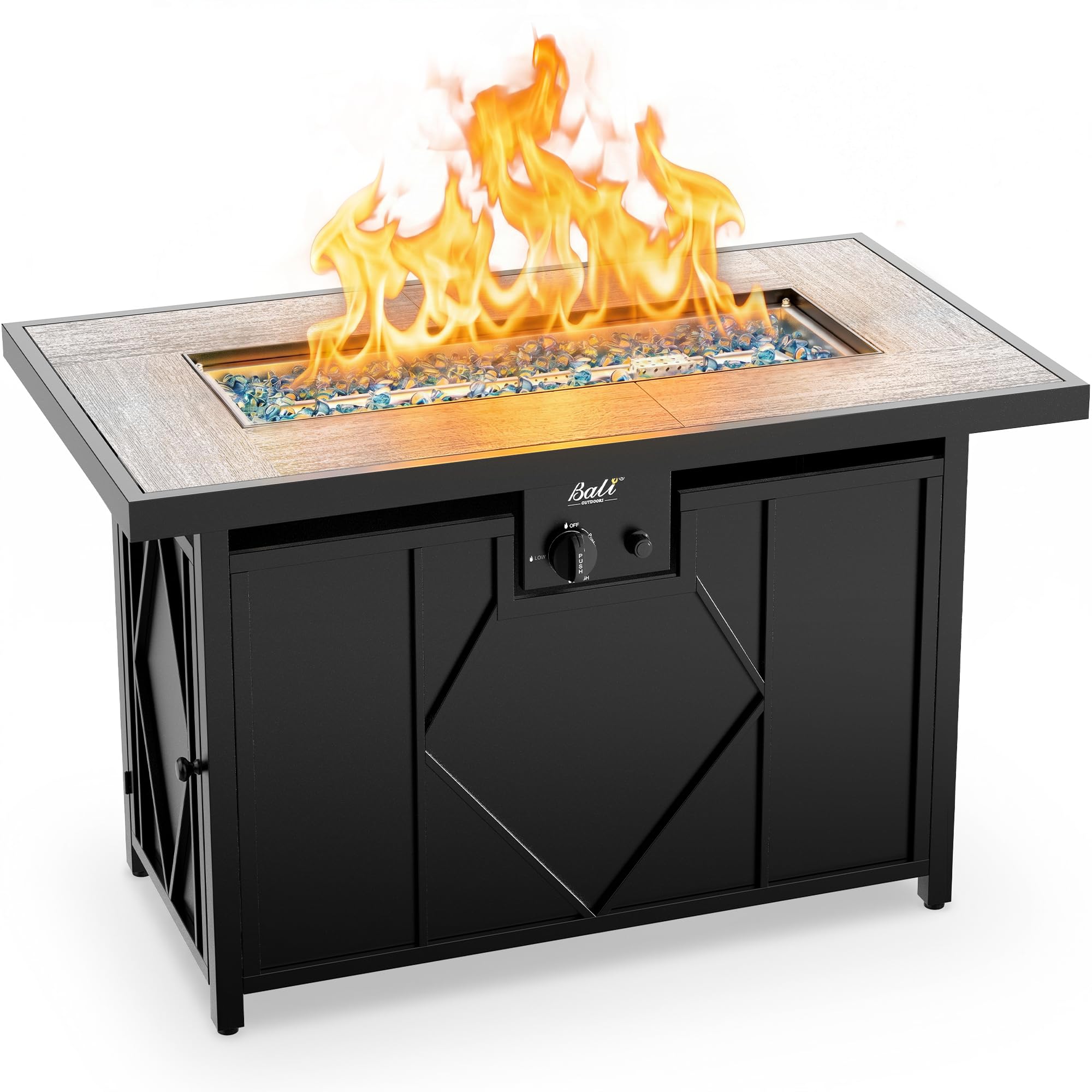
Stop paying more: At $280, you're paying for ceramic tile and hidden tank storage. Higher‑priced models offer similar features but often carry a brand premium.
When to upgrade: If you need cooking capabilities, consider a wood‑burning grill pit instead.
Common Mistakes to Avoid
Buying too low BTU for space
A 30,000 BTU pit won't warm a large deck; you'll need at least 50,000 BTUs for 4–6 people.
Cost of getting it wrong: Replacing with a higher‑BTU model — $150+ wasted.
Ignoring fuel type restrictions
Some campgrounds only allow propane during fire bans; wood‑burning pits may be prohibited.
Cost of getting it wrong: Having to buy a second pit for camping trips — $160+.
Skipping safety certifications
Non‑CSA certified pits may not be allowed during burn bans, and insurance may not cover fire accidents.
Cost of getting it wrong: Possible fines or denied claims — $500+ risk.
Overpaying for a table without considering weight
A 78‑lb table is difficult to move; if you rearrange your patio frequently, it becomes a logistical headache.
Cost of getting it wrong: Time and effort, or hiring help to move it — $50+.
Find Your Match
What fuel type do you prefer?
Frequently Asked Questions
How much should I spend on a fire pit?
<strong>A comfortable propane campfire starts.</strong> Budget $155–$200 for a quality portable bowl with 50,000+ BTUs. If you want a tabletop surface or larger heat radius, expect to spend $200–$280. Premium ceramic tables can run higher, but diminishing returns kick in after.
Propane vs. wood fire pit: which is right for me?
<strong>Propane is clean, smokeless, and starts instantly.</strong> It’s best for camping, burn bans, and low-maintenance evenings. Wood provides a nostalgic crackle and larger flame visuals, but requires ash cleanup, wood storage, and may be restricted. Choose propane for convenience; wood for authentic campfire ambiance.
What size fire pit do I need for my space?
<strong>A 19–24 inch diameter works for 2–4 people.</strong> For 4–6 people, look for 24–30 inches. Large 36–40 inch pits accommodate 6–8, but they consume more fuel. Also check BTU rating: 50,000 BTUs suffices for most patios; 60,000+ heats larger open areas.
Are fire pits safe for wooden decks?
<strong>Yes, with a heat-resistant pad underneath.</strong> Propane fire pits must sit on a fireproof mat to protect the deck from radiant heat. Never place a wood-burning pit directly on wood. CSA-certified models have spark screens, but always keep a fire extinguisher nearby.
What should I avoid when buying a fire pit?
<strong>Skip cheap thin steel that rusts quickly.</strong> Avoid pits under 40,000 BTUs for warmth, and never buy wood-burning without a spark screen. Complex assembly without clear instructions is another red flag. Prioritize CSA/UL certification for safety and compliance during burn bans.
Can I use a fire pit during a burn ban?
<strong>Propane fire pits with CSA certification are often allowed.</strong> Always check local restrictions: many bans exempt enclosed propane pits since they produce no sparks or airborne embers. Wood-burning pits are almost always prohibited during bans. When in doubt, confirm with your local fire authority.
How we wrote this guide
We cross‑referenced 47,986+ verified buyer reviews across 6 fire pit finalists with expert opinions from Wirecutter and Amazon buyer feedback. Our recommendations prioritize CSA safety certification, adequate BTU output for real warmth, and durable steel construction. Prices are updated weekly from Amazon.
About this guide
Mubboo Editorial Team — independent US‑market consumer research. Picks reflect editorial consensus from 3 independent review sources and 47,986+ verified buyer reviews.