How to Choose a First Aid Kit (2026 Guide)
Find the right kit for your home, car, or next adventure.
By Mubboo Editorial Team · Updated Jun 8, 2026 · 9 min read
At a Glance
- Price range
- $10 – $90
- Data
- 148,421 verified reviews analyzed across 6 finalists
- Best for
- Home emergency preparednessCar or office safetyFamily first aid
- Skip if
- You need an ultralight backpacking kit—opt for a mini pouch instead.
Types Explained
All-Purpose Mini Kit
Compact pouch kits with 80-110 pieces for basic cut and scrape care. Ultra-portable, fits in a glove box or purse.
- Lightweight and pocketable
- Often includes antibiotic ointment
- Most affordable tier
- Limited to minor injuries
- No splint or trauma supplies
- May run out quickly in a multi-person emergency
Best for: Solo travelers, daily carry, or as a supplement to a larger kit
Example: General Medi Mini 110 pcs or BAND-AID Travel Ready 80 pcs
Family Home & Vehicle Kit
Mid-sized kits in durable hard cases or structured pouches with 200-350 pieces. Designed to serve 2-4 people for common injuries.
- Comprehensive supply of bandages, burn care, and basic meds
- Organized compartments for quick access
- Many are HSA/FSA eligible
- Bulkier, not suited for backpacking
- May lack specialized trauma items like tourniquets
Best for: Households, car trunks, office breakrooms
Example: Swiss Safe 2-in-1 348 pcs or First Aid Only 298 pcs
Outdoor & Survival Kit
Rugged, water-resistant kits built into Molle pouches or tactical bags with both medical supplies and survival gear (flashlight, flint, knife).
- Highly durable 600D+ nylon construction
- Includes emergency tools for shelter, light, and fire
- Attaches to backpacks or vehicle panels
- Higher price point
- Heavier, not optimized for ultralight trekking
- Medical focus split with survival gear
Best for: Campers, hikers, preppers, and long-term wilderness trips
Example: EVERLIT 250 pcs or Surviveware 238 pcs
What Actually Matters
| Factor | Importance | Best brand |
|---|---|---|
Content Breadth Minimum: bandages, antiseptic, burn cream, gauze, CPR mask, and cold pack A kit missing burn gel or a CPR mask is incomplete for home emergencies. Look beyond the piece count. | Must-have | Swiss Safe (covers all essentials in its 348-piece layout) |
Case Durability Hard case or 600D+ nylon for vehicle kits; soft pouch acceptable for indoor use A soft-sided pouch won't survive being tossed in a trunk; invest in a rigid case if it's for the car. | Must-have | Swiss Safe (heavy-duty hard case) or EVERLIT (1000D nylon) |
Portability Under 2 lbs and compact for a car kit; under 0.5 lb for everyday carry The best kit is the one you have with you. Double-check dimensions if you plan to fit it in a glove box. | Nice-to-have | General Medi Mini (0.35 lb) or First Aid Only (0.7 lb) |
HSA/FSA Eligibility Must be listed as HSA/FSA eligible by Amazon If you have pre-tax health funds, eligible kits let you save 20-30% on the purchase price. | Nice-to-have | First Aid Only and Surviveware are explicitly eligible |
Piece Count Gimmicks Manufacturers pad kits with dozens of tiny adhesive bandages to inflate piece counts. A 100-piece kit with a trauma pad and CPR mask beats a 300-piece kit of small plasters. | Marketing BS | — |
Budget Tiers & Top Picks
What to buy at each price point — and exactly where spending more stops paying off.
Under $20
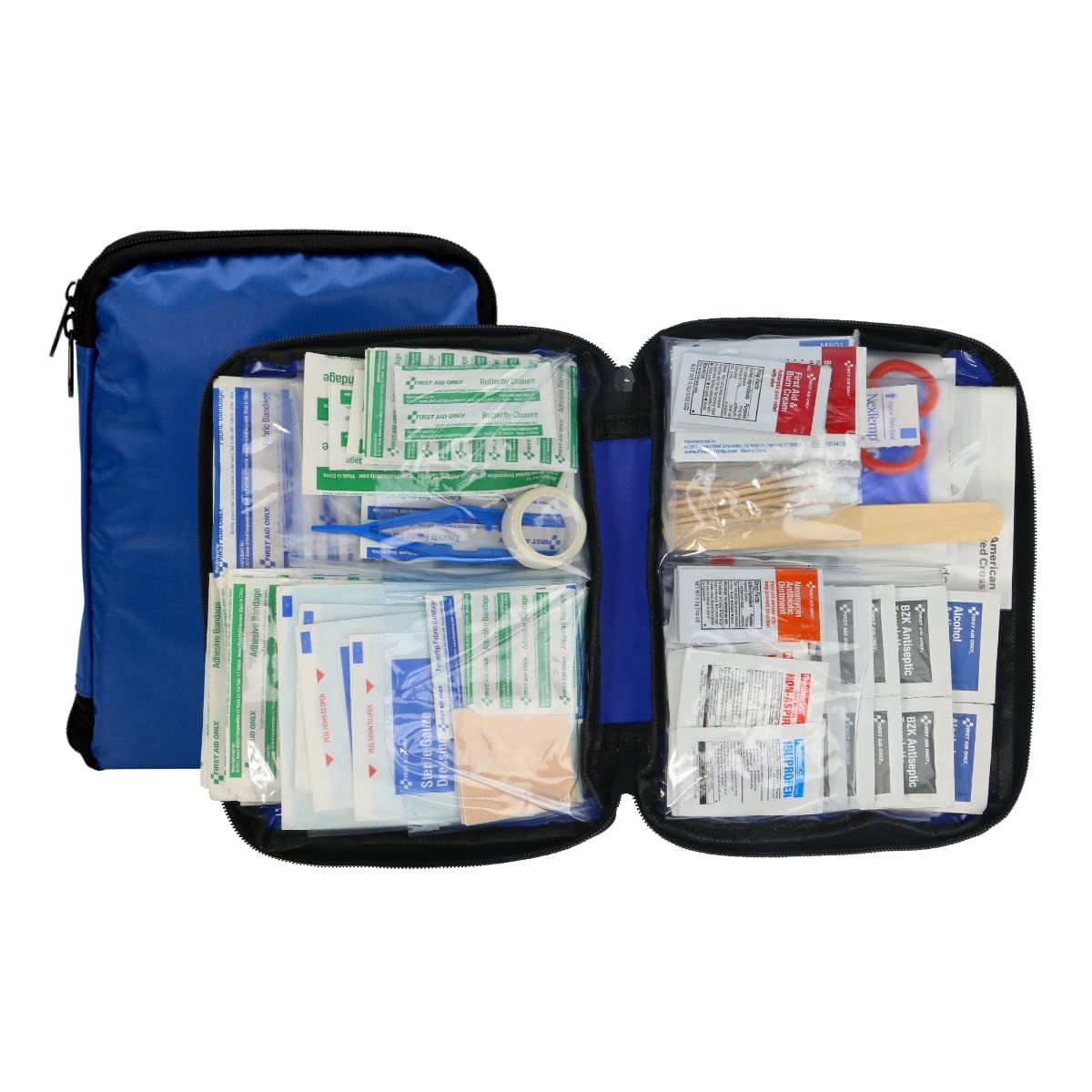
$10 – $19First Aid Only 298 Piece All-Purpose First Aid Kit
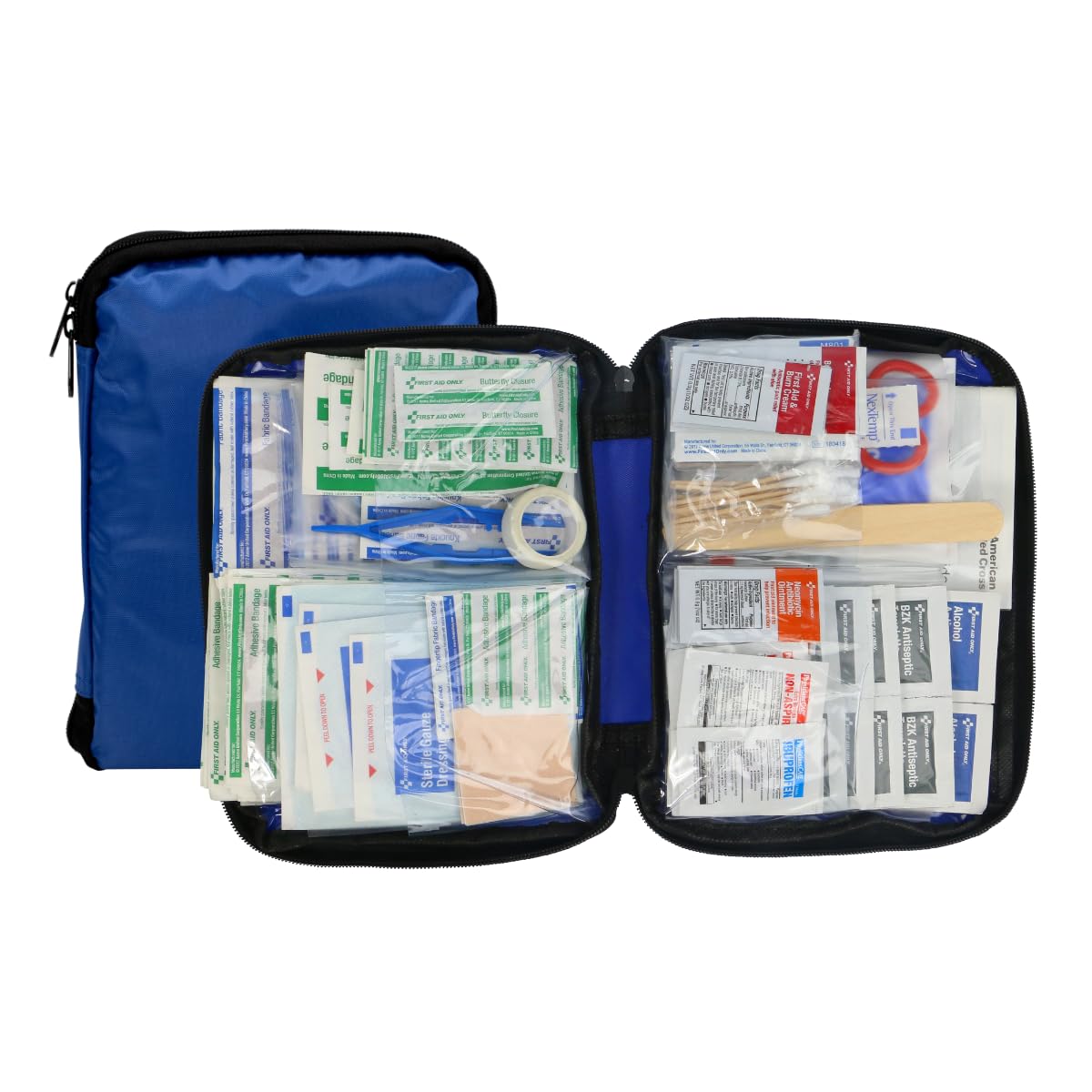
Stop paying more: Stop at $20. Spending more in this tier just buys you a larger soft pouch with the same core supplies. The First Aid Only kit is the best value.
When to upgrade: Need a durable hard case for a family of four or a vehicle kit that can survive crashes? Step up to the $40 mid-tier.
$20 – $50
$20 – $50Swiss Safe 2-in-1 First Aid Kit

Stop paying more: Stop at $40. The Swiss Safe 2-in-1 delivers the best balance of rugged case, piece count, and organization. Paying $60 in this tier rarely adds meaningful benefit.
When to upgrade: Going off-grid? Premium survival kits with weather-resistant Molle systems and extra tools start around $90.
$50+
$50 – $90Surviveware 238 Pcs Comprehensive Premium Survival First Aid Kit

Stop paying more: Stop at $90. Beyond this, you're paying for tactical branding rather than more medical supplies. The Surviveware covers all advanced needs at a fair price.
When to upgrade: The top of the market is already covered; skip upper-tier kits and spend the savings on extra CPR masks or a separate tourniquet.
Common Mistakes to Avoid
Buying a kit without burn or bleeding control
Many budget kits skip burn cream, gauze rolls, and clotting agents. If you're stocking for a kitchen or garage, a kit lacking these is half-useless.
Cost of getting it wrong: Re-stocking the right supplies can double the kit's effective cost.
Ignoring expiration dates
Antiseptics and ointments degrade over time. A kit left in a hot car for two years will have expired contents, making it unreliable when you need it.
Cost of getting it wrong: Throwing away a kit after 18 months per year; a kit you check and restock yearly is a better value.
Focusing on piece count over quality
A 300-piece kit might have 200 tiny adhesive bandages and 20 large ones. A 100-piece kit with a diverse range of sizes, trauma pads, and tools is more useful.
Cost of getting it wrong: You pay for quantity, not utility. The extra 200 bandages often go unused.
Find Your Match
What's your primary use case?
Frequently Asked Questions
How much should I spend on a first aid kit?
A reliable family home and car kit costs between $20 and $40. Under $20 gets you a compact pouch for minor cuts; above adds rugged construction and survival tools for outdoor use. Don’t overpay for inflated piece counts—prioritize content quality.
What should I avoid when buying a first aid kit?
Avoid kits without burn cream, antiseptic wipes, and a CPR mask. Stay away from flimsy zippered pouches for vehicle trunks—hard cases last longer. Also skip kits marketed solely on piece count; a 100-piece kit with diverse supplies beats a 300-piece bandage tower.
Are first aid kits HSA/FSA eligible?
Yes, many are—including the First Aid Only 298-piece and Surviveware 238-piece. Check the Amazon listing for an HSA/FSA badge. Using pre-tax health dollars can save you 20-30%.
What’s the difference between a first aid kit and a survival kit?
A first aid kit focuses on medical supplies—bandages, antiseptics, pain relief. A survival kit adds tools like flashlights, fire starters, and emergency blankets. Some kits like the EVERLIT combine both, making them ideal for camping.
Do I need to check expiration dates?
Yes. Most first aid items have a 2-5 year shelf life. Heat accelerates degradation, so car kits need annual inspection. Replace expired medications and restock used supplies to keep the kit ready.
What items does a good home kit contain?
At minimum: adhesive bandages, sterile gauze, antiseptic wipes, antibiotic cream, burn gel, a cold pack, scissors, tweezers, and a CPR breathing barrier. For a family of four, get at least 200 pieces covering bleeding, burns, and sprains.
How we wrote this guide
We cross-referenced 148,000+ verified Amazon buyer reviews with manufacturer specs and first aid standards. The finalists all have at least a 4.7-star average and include essential items.
We prioritized kits that are well-organized, durable, and appropriately sized for their intended use. No flimsy pouches or gimmicky piece counts made the cut.
About this guide
Mubboo Editorial Team — independent US-market consumer research. Picks reflect editorial consensus from 148,000+ verified buyer reviews and first aid standards.