Fish Tank Buying Guide 2026: How to Choose Without Overpaying
Picked from 2026's most-reviewed Amazon models
By Mubboo Editorial Team · Updated Jun 8, 2026 · 7 min read
At a Glance
- Price range
- $55.99 – $199.99
- Data
- 61,722 verified reviews across 6 finalists
- Best for
- First-time freshwater aquarium ownersFamily-friendly community tanks
- Skip if
- You only need a decorative vase—a fish bowl is not a proper aquarium.
Types Explained
All-in-One Starter Kit
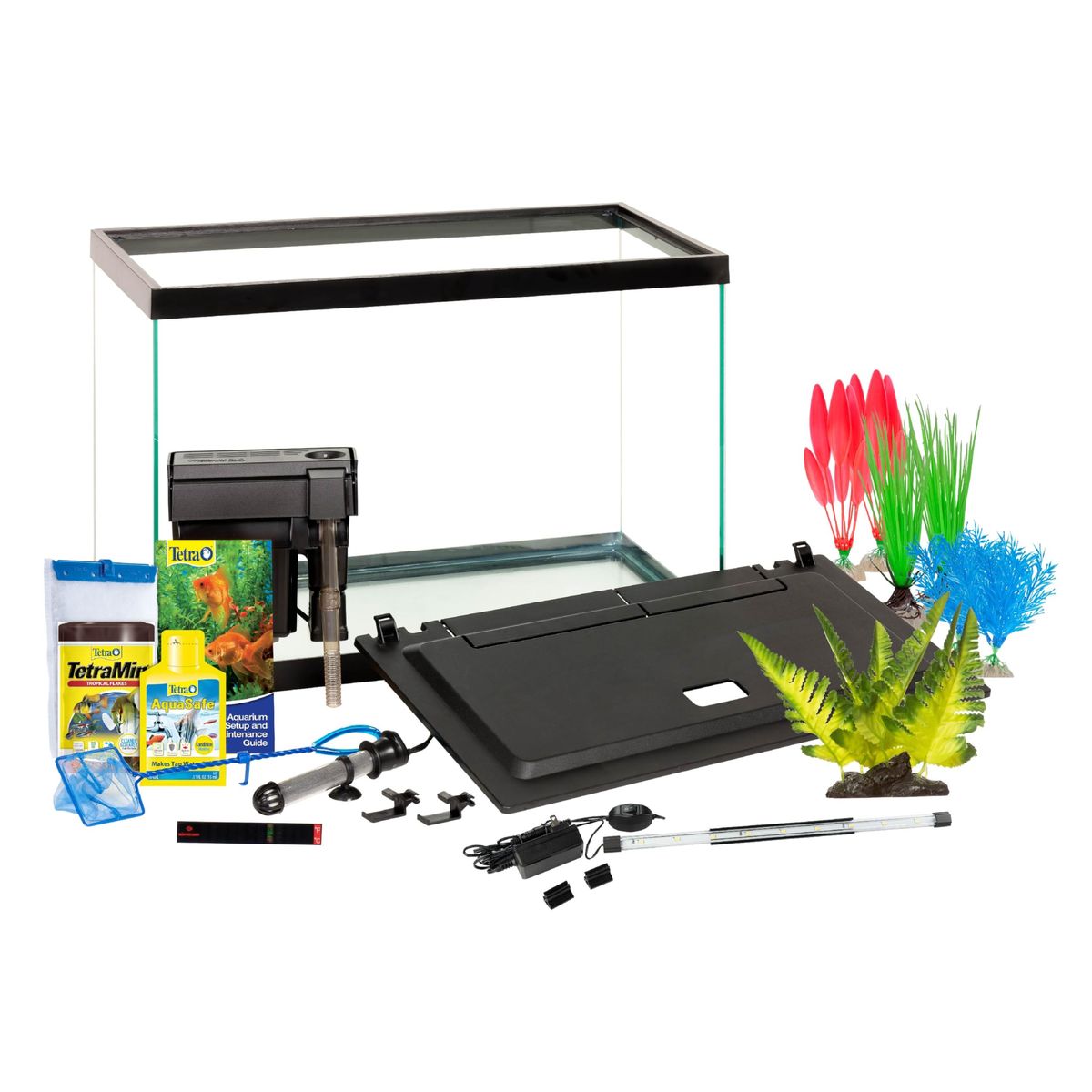
Complete packages with tank, filter, light, and sometimes heater. Ready to set up after adding water and fish.
- No guesswork on compatible equipment
- More affordable than buying separately
- Designed for easy maintenance
- Limited customization
- Components may be mid-range quality
Best for: Beginners who want a hassle-free start
Example: Tetra 20 Gallon Kit
Nano / Desktop Tanks
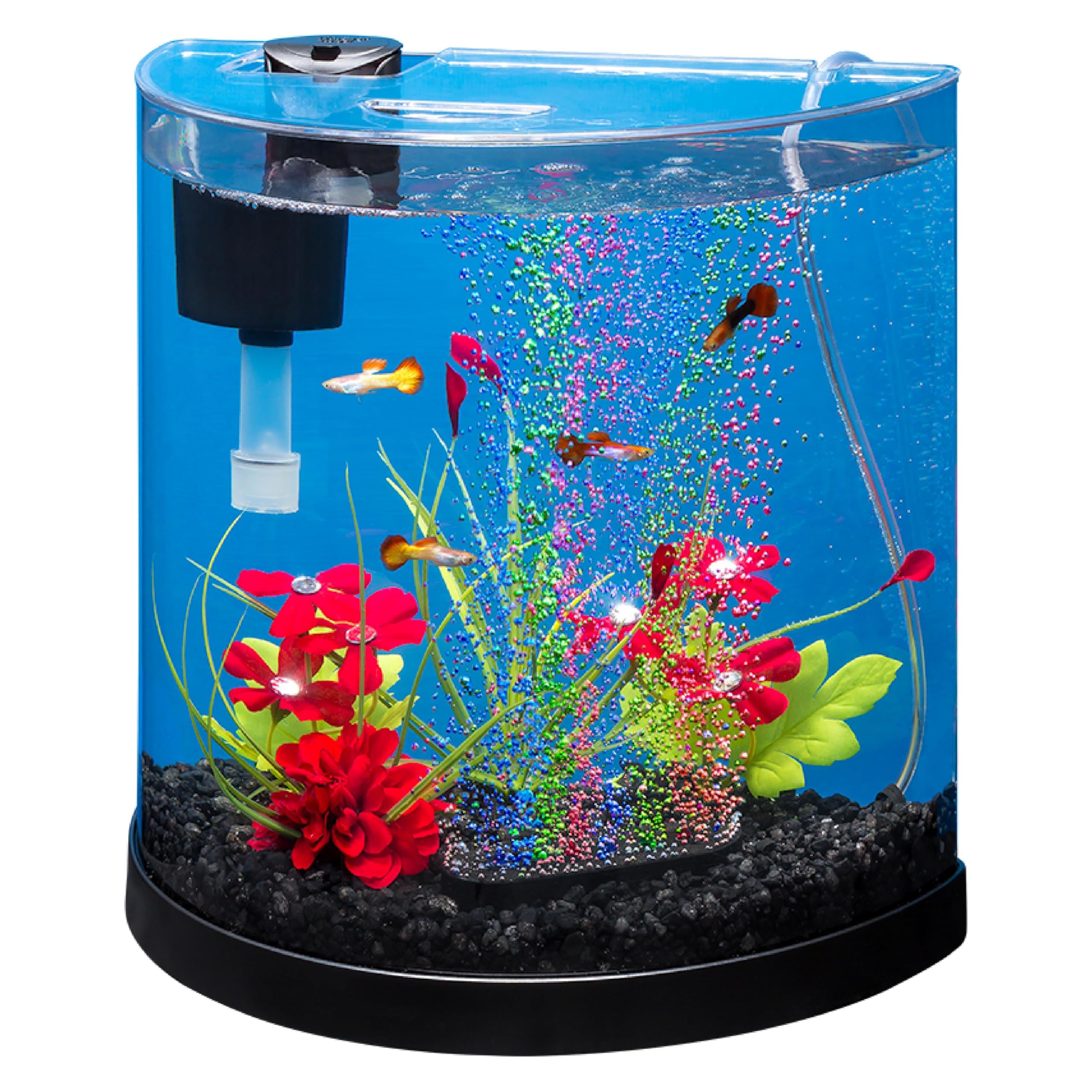
Small tanks (under 10 gallons) designed for tight spaces or single fish like bettas. Often focus on aesthetics.
- Fits on a desk or counter
- Lower initial cost
- Simple to maintain with small water changes
- Unstable water parameters due to small volume
- Limited stocking options
Best for: Bettas, shrimp, or as a secondary display tank
Example: Tetra 3 Gallon Half-Moon
Specialty / Designer Tanks
Premium tanks with unique shapes, advanced lighting, and high-end filtration. Often cater to aquascaping or specific fish like GloFish.
- Eye-catching focal point
- Superior build and filtration
- Customizable lighting and flow
- Expensive
- May require more research to set up correctly
Best for: Enthusiasts aiming for a showpiece aquarium
Example: Fluval Flex 15 Gallon
What Actually Matters
| Factor | Importance | Best brand |
|---|---|---|
Tank Size ≥ 5 gallons for most fish; 20+ for multiple fish Bigger tanks are actually easier to maintain—they dilute toxins and hold stable temperatures. | Must-have | Tetra (20 gallon kit offers ideal starter volume) |
Included Filtration Mechanical and biological filtration; rated for tank volume Adequate filtration prevents ammonia spikes; look for at least 2‑stage systems. | Must-have | Fluval (3‑stage filtration in Flex series) |
Heater for Tropical Fish Submersible heater with adjustable thermostat Most freshwater community fish need 76–80°F; a reliable heater prevents stress and disease. | Must-have | Tetra (included in 20 gal kit) |
LED Lighting Full‑spectrum or programmable RGB Basic kits include white LEDs sufficient for fish; upgrade to RGB if you plan live plants. | Nice-to-have | Fluval (advanced RGB+W LEDs) |
Build Material Glass (scratch‑resistant) vs. Acrylic (lighter) Glass tanks resist scratches but are heavy; acrylic is lighter but prone to scratches. | Nice-to-have | GloFish (scratch‑resistant glass) |
Brand Premium Designer brands often charge 30–50% more for logos. Standard kits like Tetra deliver 90% of the experience. | Marketing BS | — |
Budget Tiers & Top Picks
What to buy at each price point — and exactly where spending more stops paying off.
Under $60
$55.99Tetra 3 Gallon Half-Moon Kit
Stop paying more: Stop at $60. Spending more in this tier just gets you a decorative bowl, not a healthier environment.
When to upgrade: Need room for a school of fish or want easier maintenance? Jump to a 20‑gallon kit around $120.
$60 – $150
$119.14Tetra 20 Gallon Complete Kit

Stop paying more: Diminishing returns above $130 unless you need specialized lighting or filtration.
When to upgrade: Want a sleeker design and superior filtration? The Fluval Flex adds customizable LEDs and powerful 3‑stage filtration for $200.
Over $150
$199.99Fluval Flex 15 Gallon

Stop paying more: Beyond $200, you're paying for designer aesthetics rather than core function.
When to upgrade: For a specialized neon fish display, consider the GloFish 20‑gallon kit at a similar price.
Common Mistakes to Avoid
Buying too small
A 1‑gallon bowl cannot support stable water conditions. Many fish species need 5+ gallons, and community tanks demand 20+.
Cost of getting it wrong: You'll end up re‑buying a proper tank, wasting ‑80.
Overlooking the heater
Tropical fish require steady warmth; an unheated tank leads to disease and death.
Cost of getting it wrong: Replacing fish and buying a heater later +.
Choosing style over practicality
Designer tanks with proprietary parts can be hard to upgrade or repair. Stick to standard kits with replaceable filter media.
Cost of getting it wrong: Proprietary filters can ‑40 to replace, while generic ones run.
Find Your Match
What’s your experience level?
Frequently Asked Questions
How much should I spend on a fish tank?
For a healthy start, plan on $60–$130. you can get a compact 3‑gallon kit for a betta; you get a 20‑gallon with filter and heater suitable for a community. Premium tanks like the Fluval Flex add style and advanced filtration. Don’t forget ongoing costs like food, water conditioner, and replacement filter media ($5–$15 monthly).
What should I avoid when buying a fish tank?
Avoid tanks under 3 gallons for any fish—they’re impossible to keep stable. Skip kits that lack a heater if you want tropical fish. Beware of designer tanks with proprietary parts that are expensive to repair. Online communities frequently warn against tiny "fish prison" tanks that starve fish of swimming space.
Glass or acrylic—which is better?
Glass is heavier but scratch‑resistant and clearer over time. Acrylic is lighter and less likely to shatter, but scratches easily. For beginners, a glass starter kit offers the best combination of durability and value. The Tetra 20‑gallon is glass; the Tetra 3‑gallon is acrylic.
Do I need a heater and filter?
Yes, unless you keep only coldwater species like goldfish in an unheated room. Most tropical fish need 76–80°F, and a filter is essential to break down toxic waste. All our recommended kits include both; if a kit omits one, factor in an extra $20–$30.
How long does it take to set up a new fish tank?
Assembly takes about 30–60 minutes. After adding water and conditioner, you must cycle the tank for 4–6 weeks to establish beneficial bacteria before adding fish. Adding bottled bacteria can shorten this to 2 weeks. Use a water test kit (like the SJ WAVE strips) to monitor the cycle.
What fish can I keep in a 3‑gallon tank?
A 3‑gallon is suitable only for a single betta, a few shrimp, or a small snail. It cannot support schooling fish or goldfish. Overstocking leads to rapid ammonia buildup and fish death. If you want more than one fish, upgrade to at least 5 gallons.
How we wrote this guide
We analyzed 61,722 verified buyer reviews across 6 finalists, examined manufacturer spec sheets, and integrated feedback from online aquarium communities. Prices update weekly from Amazon. Our recommendations focus on value, reliability, and ease of use for American households.
About this guide
Mubboo Editorial Team. Picks based on analysis of thousands of verified user reviews and product specifications. Prices update weekly from Amazon.