How to Choose a Foam Roller (2026 Guide)
Find the perfect density, length, and texture for your recovery needs.
By Mubboo Editorial Team · Updated Jun 9, 2026 · 7 min read
At a Glance
- Price range
- $12 – $40
- Data
- 199,539 verified reviews across 6 finalists
- Best for
- Post-workout muscle recoveryBack and neck tension reliefImproving flexibility and mobility
- Skip if
- You only need occasional light stretching — a simple foam roller will do.
Types Explained
Smooth Firm Roller
Smooth surface made from high-density EPP or polypropylene, delivering uniform pressure without texture.
- Ideal for beginners and large muscle groups
- Easy to clean and maintain
- Often more affordable
- Lacks targeted trigger-point relief
- May slip on hard floors
Best for: General stretching, yoga, and full-back exercises
Example: Amazon Basics 36"
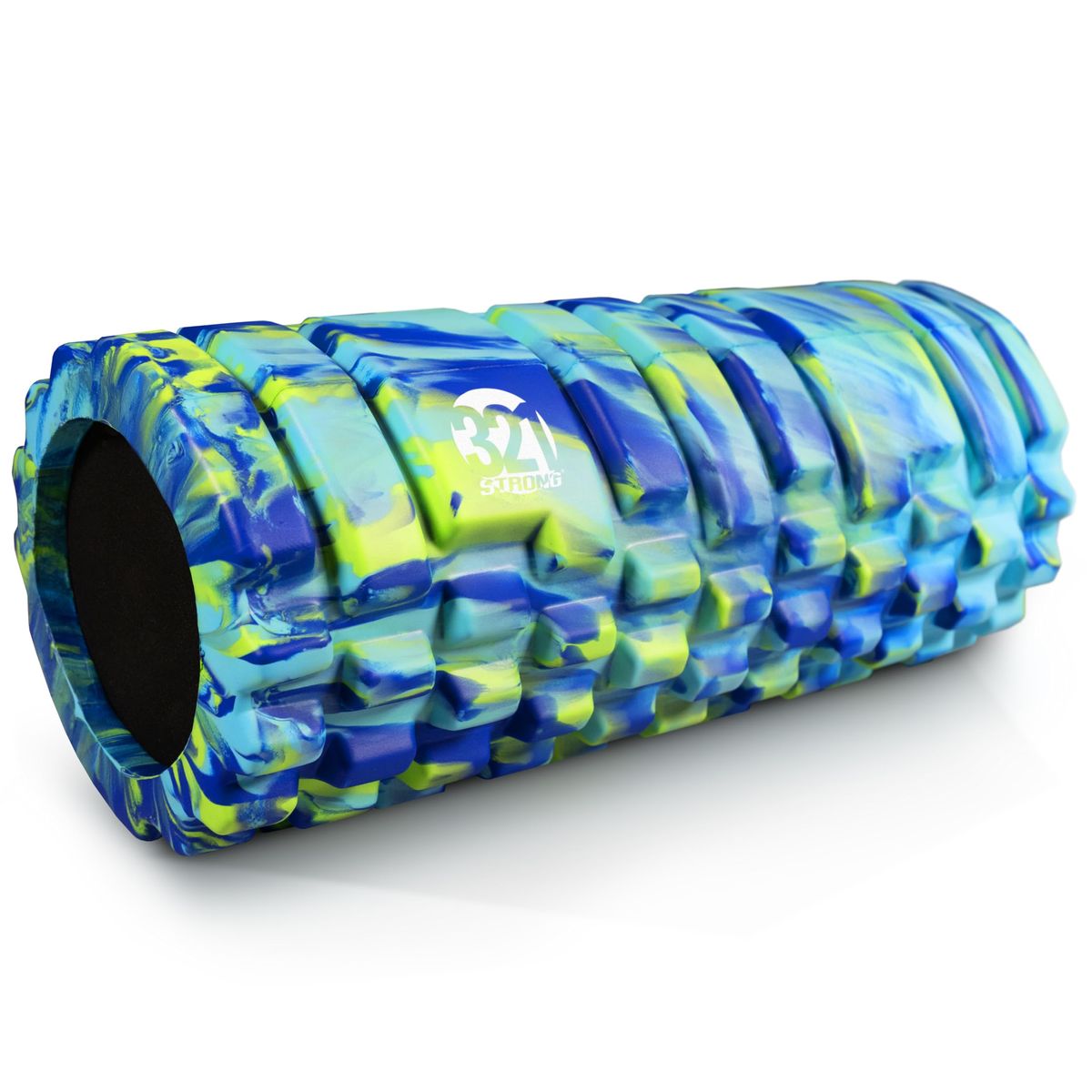
Textured / Grid Roller
Features ridges, knobs, or a multi-density grid to mimic a massage therapist's hands and target specific knots.
- Precise trigger-point release
- Improves blood flow and aeration
- Often firmer core for deeper work
- Can feel too intense for new users
- Harder to clean between grooves
Best for: Deep tissue massage, myofascial release, and post-workout recovery
Example: 321 STRONG
Full-Length Roller
Extra-long design (36" or more) to support the entire back or both legs simultaneously, typically smooth.
- Full back coverage for spinal alignment
- Stable for Pilates and balance exercises
- Great for tandem rolling with a partner
- Bulky to store and travel with
- Limited intensity compared to textured rollers
Best for: Yoga, Pilates, and anyone needing full-back support
Example: Amazon Basics 36"
What Actually Matters
| Factor | Importance | Best brand |
|---|---|---|
Density / Firmness Medium density offers the best balance for most. Extra-firm is for athletes; soft is for seniors or rehab. An overly soft roller compresses under body weight without working muscles. A rock-hard roller may cause bruising. Start medium and adjust. | Must-have | 321 STRONG (medium) and TriggerPoint Grid (extra-firm) |
Texture Design Ridges and knobs should feel intentional, not just cosmetic. Multi-zone patterns target different muscle groups. A well-designed texture breaks up knots without excessive discomfort. Avoid cheap imitations where texture flattens after a few uses. | Must-have | 321 STRONG (patented 3-zone) and TriggerPoint Grid (Distrodensity Zones) |
Length 12" for travel; 13" for standard spot work; 36" for full-back coverage. A 12-inch roller fits in a gym bag but can’t support your entire spine. Buy the length that matches your primary use case. | Must-have | Amazon Basics 36" for full-length; 321 STRONG for everyday 12-13" use. |
Material & Durability EVA or EPP foam that retains shape after repeated use. Avoid styrofoam-like materials that crumble. Cheaper open-cell foams can absorb sweat and lose rigidity. Look for ‘closed cell’ and a weight rating of at least 250 lbs. | Must-have | All TriggerPoint models (durable EVA); 321 STRONG (BPA-free closed cell EVA). |
Price $12–$20 for basic; $25–$30 for high-rated textured; + for premium eco or specialty. Above features like recycled materials or extended warranties become the differentiator, not performance. | Nice-to-have | ProsourceFit (budget), 321 STRONG (mid-range), TriggerPoint Recycled (premium) |
Brand Premium Paying extra for a big-name logo doesn’t deliver more relief. A 321 STRONG from a smaller brand outperforms many rollers in independent tests. | Marketing BS | — |
Budget Tiers & Top Picks
What to buy at each price point — and exactly where spending more stops paying off.
Under $20
$12 – $20ProsourceFit High Density Foam Roller 12"

Stop paying more: Stop at $12. Spending more in this tier mainly adds length, not quality. The ProsourceFit delivers firm pressure in a tiny package.
When to upgrade: Ready for longer rolling sessions or full-back coverage? Step up to a 13" textured roller for $25–$30.
$20 – $30
$20 – $30321 STRONG Foam Roller

Stop paying more: The 321 STRONG sits at the sweet spot — patented texture, 41K+ reviews, and clinically backed recovery. Beyond $30, you pay for brand or recycled materials.
When to upgrade: If sustainability matters, the $40 TriggerPoint Recycled offers the same top-tier performance with 80% recycled content.
$30 and Up
$30 – $40TRIGGERPOINT Grid Recycled Foam Roller

Stop paying more: Above $40, diminishing returns kick in hard. This is the most you should pay unless you need a specific length or vibrating feature (not recommended).
When to upgrade: No upgrade needed—this is the premium tier. Pair it with a dedicated stretching routine to maximize value.
Common Mistakes to Avoid
Buying the wrong density
Many beginners grab the firmest roller they can find, thinking harder equals better. Overly firm rollers can cause severe bruising and discourage regular use. Start with medium density and move up only if you genuinely need deeper compression.
Cost of getting it wrong: Replacing a too-firm roller with a medium one wastes $20–$40 and delays recovery.
Overlooking length
A 12-inch roller is perfect for calves and IT bands but can’t support a full back stretch. Conversely, a 36-inch roller is overkill for a gym bag. Buy for your primary use; cheap travel rollers don’t replace a full-length one at home.
Cost of getting it wrong: Owning two rollers when one would suffice adds $12–$30 in unnecessary spending.
Ignoring material quality
Open-cell foam rollers are squishy, absorb sweat, and start flaking after a few months. They also develop flat spots where you rest your weight. Closed-cell EVA or EPP rollers maintain their shape and hygiene for years.
Cost of getting it wrong: A open-cell roller replaced three times costs more than a closed-cell roller that lasts years.
Believing vibration is a must
Vibrating foam rollers are marketed as a premium upgrade, but independent testing shows the added effect is minimal for most users. A well-designed textured roller mobilizes tissue just as effectively.
Cost of getting it wrong: Paying + for a vibrating roller instead of for a standard one generates no measurable extra benefit.
Find Your Match
What's your main use for a foam roller?
Frequently Asked Questions
How do I know which density of foam roller to buy?
Start with medium density unless you have a specific reason: soft rollers are better for seniors or rehabilitation, while extra-firm suits advanced athletes. The 321 STRONG and TriggerPoint Grid both use a firm core with a slightly softer exterior, which is optimal for most users. If you can’t try before you buy, medium is the safest bet.
What length foam roller do I need?
A 12–13 inch roller covers most muscle groups and fits in a gym bag. Choose a 36-inch roller if you plan to roll out your entire back or use it for yoga poses. Travelers should pick a 12-inch model like the ProsourceFit; home users can go longer. Avoid anything under 12 inches—it’s too short to stabilize.
Are textured foam rollers better than smooth ones?
They serve different purposes. Textured rollers (like the 321 STRONG) target trigger points and mimic a massage therapist’s hands, offering deeper relief. Smooth rollers provide even pressure and are easier for beginners. If you have specific knots, get a textured roller; for general maintenance, smooth is fine.
How much should I spend on a foam roller?
From our data, $12–$30 covers 90% of what most people need. A travel roller can handle spot work, while buys a clinically proven, top-rated textured model. Above you’re paying for eco-materials or brand name. Avoid + vibrating rollers — independent testing shows no significant recovery advantage.
What should I avoid when buying a foam roller?
Avoid open-cell foam (it crumbles), rollers that are too soft (they collapse under weight), and overly aggressive knobby designs for first-time users. Also skip off-brands with no clear material description. Stick with closed-cell EVA or EPP from brands with at least a few thousand reviews.
Can a foam roller help with back pain?
Yes, but use it carefully. Rolling the lower back directly can pinch nerves; instead, work the surrounding muscles—glutes, hips, and upper back. A medium-density roller with some texture can release tightness that pulls on the spine. Always consult a physical therapist for specific back conditions.
How should I clean and maintain my foam roller?
Wipe it down with a damp cloth and mild soap after each sweaty session. Avoid soaking it or using harsh chemicals that can degrade the foam. Store it indoors, away from direct sunlight. Most closed-cell rollers won’t absorb moisture, but keeping it clean extends its lifespan.
How we wrote this guide
We scanned 199,539 verified Amazon reviews across six finalists, cross-referenced specifications, and watched expert video guidance from Mobility Doc. Amazon buyer data confirmed that medium-density textured rollers satisfy the most users, while durability complaints helped us flag models that deform over time. Prices were pulled live from Amazon in June 2026.
About this guide
Mubboo Editorial Team — independent US-market consumer research. Picks reflect editorial consensus from 199,539+ verified buyer reviews and expert video analysis.