How to Choose a Food Processor (2026 Guide)
From mini choppers to full-size workhorses, pick the right tool for your kitchen.
By Mubboo Editorial Team · Updated Jun 9, 2026 · 7 min read
At a Glance
- Price range
- $17 – $220
- Data
- Based on 324,341+ verified reviews across 6 top models
- Best for
- Batch cookingMeal prepEveryday chopping
- Skip if
- You only reheat leftovers — a microwave is enough
Types Explained
Full-Size Food Processor
A standalone appliance with a large bowl (7+ cups), powerful motor, and multiple discs for slicing, shredding, and mixing. Ideal for family meals.
- Large capacity handles big batches
- Versatile with slicing/shredding discs
- Powerful motor for tough dough
- Takes up counter or storage space
- More expensive than mini choppers
Best for: Families, meal preppers, and frequent entertainers
Example: Hamilton Beach 10-Cup Food Processor
Compact Mini Chopper
A small, simple device with a 1.5–3 cup bowl and a single chopping blade. Perfect for quick, small tasks like chopping an onion or mincing garlic.
- Takes up very little space
- Affordable under $50
- Simple operation and cleaning
- Cannot handle large volumes
- Limited to chopping and pureeing
Best for: Small kitchens, singles, and everyday quick prep
Example: Hamilton Beach 3-Cup Stack & Press Chopper
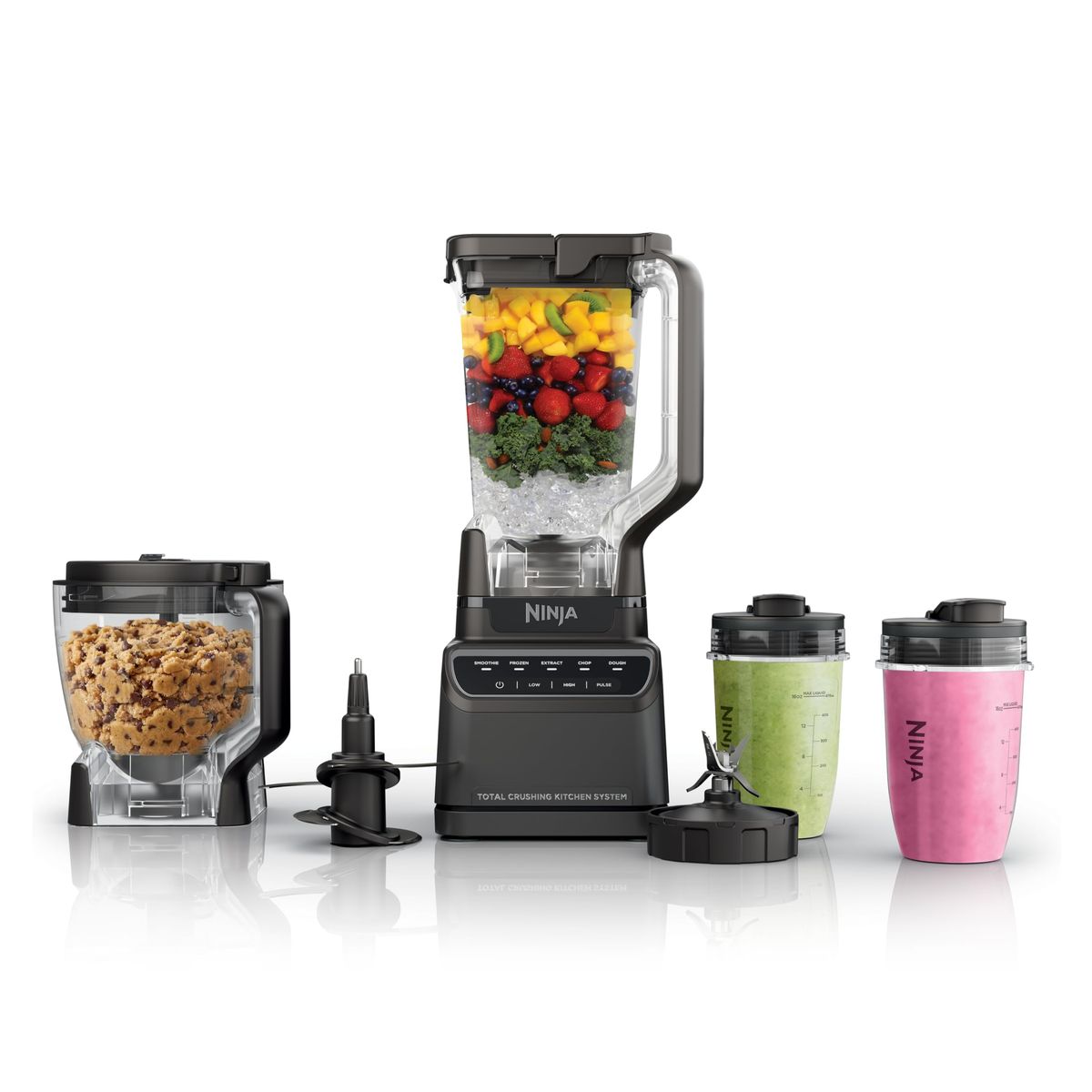
Blender-Food Processor Combo
A kitchen system with interchangeable bases, a pitcher for blending, and a processing bowl with blades. Replaces multiple appliances for smoothies, dough, and chopping.
- Replaces a blender and food processor
- Powerful motor handles tough ingredients
- All-in-one design saves space
- Higher price point
- Multiple parts to clean
Best for: Versatile cooks who want one machine to do it all
Example: Ninja Kitchen System
What Actually Matters
| Factor | Importance | Best brand |
|---|---|---|
Bowl Capacity ≥10 cups for families, 3–4 cups for singles Underestimating capacity is the top reason people upgrade later. A 3-cup chopper can't prep a family dinner. | Must-have | Ninja (large models) |
Motor Power ≥600 watts for dough, 350–450W fine for light tasks Stalling motors on thick dough or frozen fruit signal insufficient power. Look for at least 600 watts if you bake. | Must-have | Ninja (up to 1200W) |
Dishwasher-Safe Parts Bowl, lid, and blade must be dishwasher-safe Hard-to-clean crevices mean less use. Check that every component is top-rack safe. | Must-have | Most brands |
Feed Tube Size Wide enough for a whole potato or block of cheese A narrow tube forces you to pre-cut ingredients, undermining the time savings a food processor offers. | Nice-to-have | — |
Pulse Function Responsive pulse button for coarse control Without pulse, you risk over-processing. Look for a button that gives instant on/off control. | Nice-to-have | — |
Wi‑Fi & App Connectivity A food processor doesn’t need an app. Pay for better blades and motor, not Bluetooth. | Marketing BS | — |
Budget Tiers & Top Picks
What to buy at each price point — and exactly where spending more stops paying off.
Budget (Under $50)
$17 – $50Hamilton Beach 3-Cup Electric Vegetable Chopper
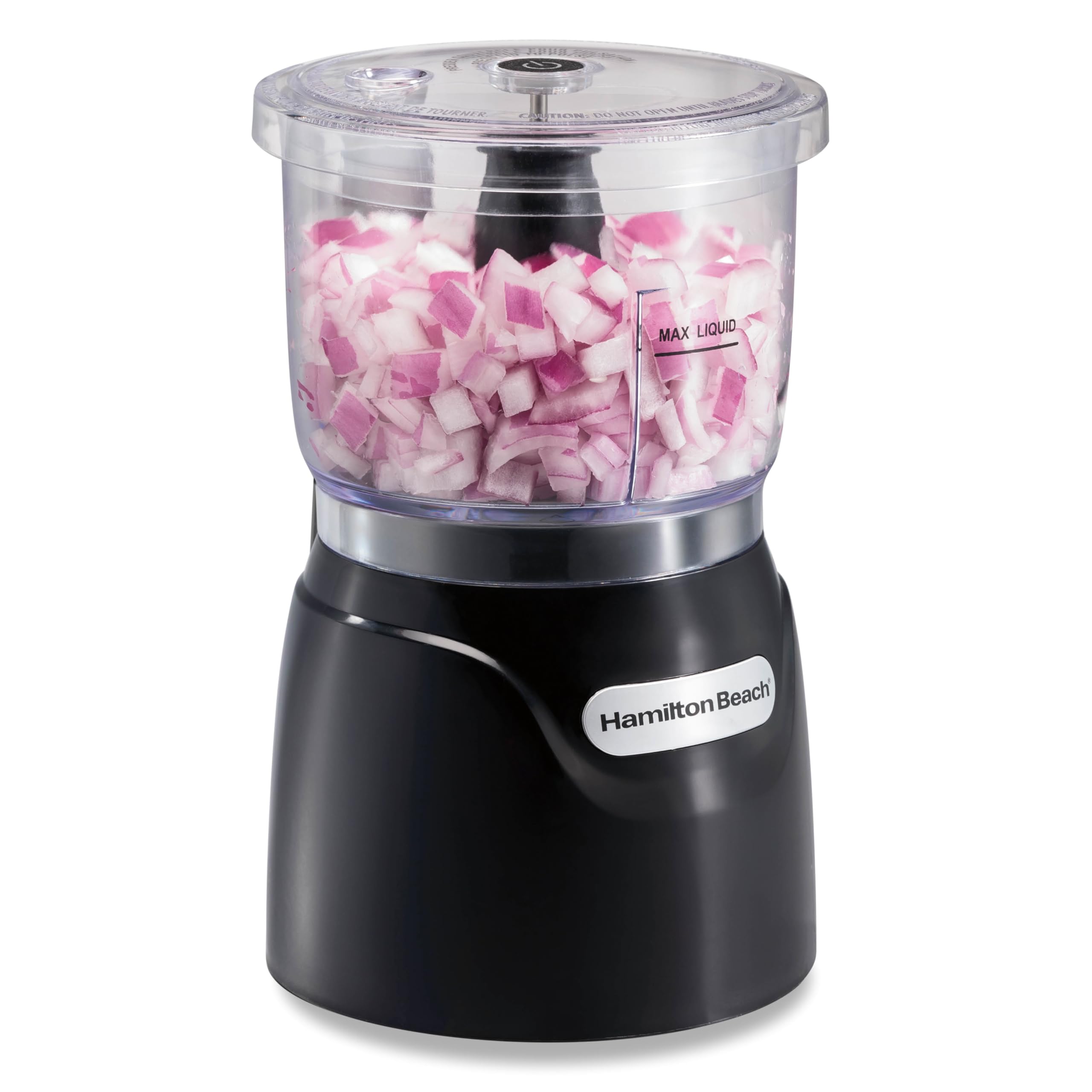
Stop paying more: Spending more than $50 gets you a full-size bowl and more powerful motor, but for simple daily tasks this is all you need.
When to upgrade: If you regularly make dough or need to shred cheese, step up to a mid-range model.
Mid-Range ($50–$150)
$50 – $150Hamilton Beach 10-Cup Food Processor

Stop paying more: The sweet spot is around $70–$100. Beyond $150, you’re paying for attachments you might never use.
When to upgrade: For more power and versatility, the Ninja Kitchen System combines a blender and food processor.
Premium ($150+)
$150 – $220Ninja Kitchen System
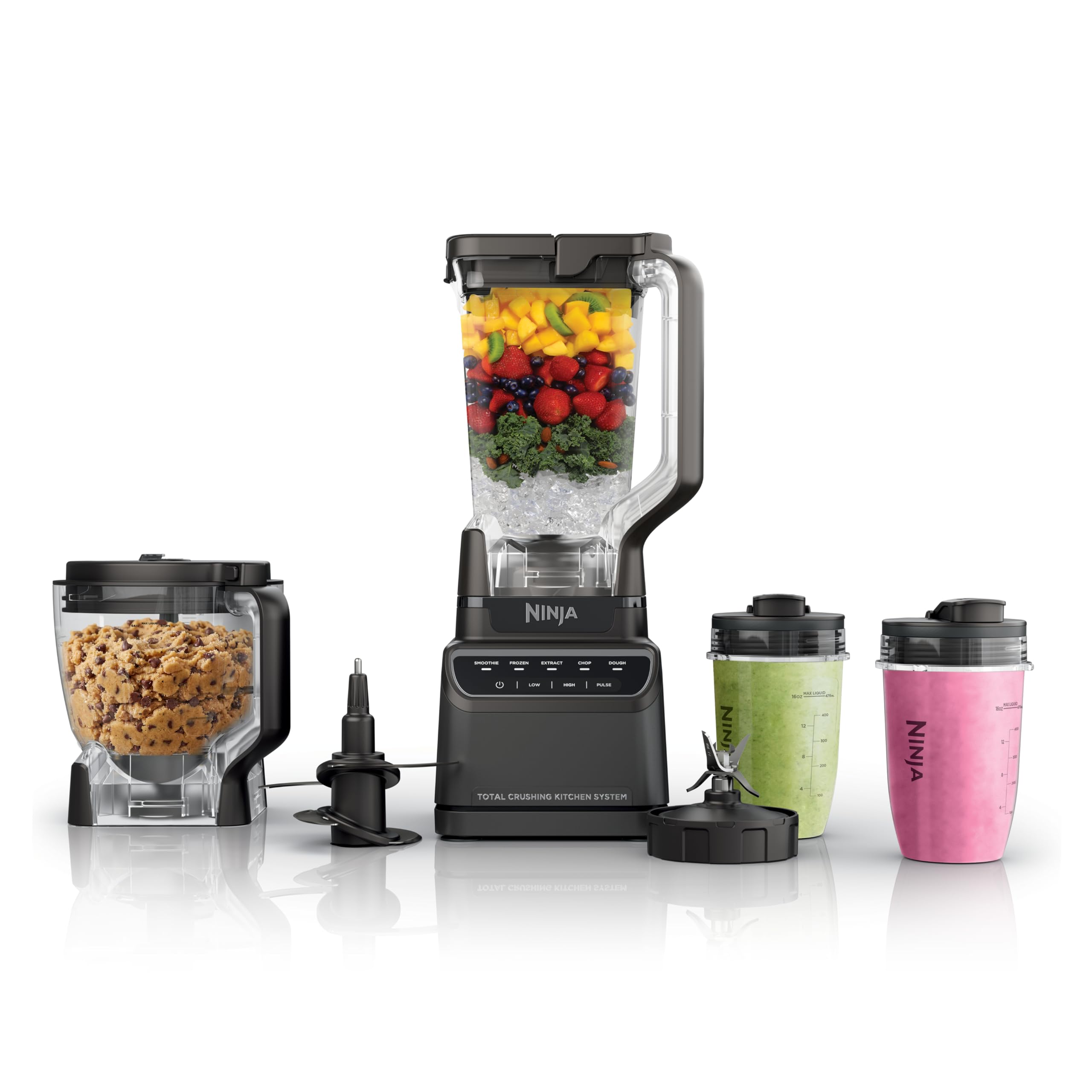
Stop paying more: At $220, you get a complete kitchen system. Spending more rarely adds practical value.
When to upgrade: If you already own a blender, the Ninja BlendPro may be a better fit.
Common Mistakes to Avoid
Buying a mini chopper for family meal prep
A 3-cup model can’t handle a family batch of salsa or hummus. You’ll end up processing in multiple tiny loads, spending more time than you save.
Cost of getting it wrong: Wasted time and likely buying a second, larger model — an extra +.
Ignoring motor power
A 350‑watt motor struggles with heavy dough or hard root vegetables, leading to stalled runs and potential burnout.
Cost of getting it wrong: Replacing a burnt-out chopper with a full‑size unit within a year.
Overpaying for attachments you don’t need
Combo systems often come with 5+ blades and discs. If you only chop and slice, a basic model is perfectly sufficient.
Cost of getting it wrong: Spent when a food processor would have worked just as well.
Find Your Match
What will you mostly process?
Frequently Asked Questions
How much should I spend on a food processor?
A good full‑size model starts; the sweet spot is $70–$150. Under $50 you'll find capable mini choppers, while + gets you a premium combo system. Spending more than rarely adds practical value unless you need commercial‑grade dough kneading. Set your budget based on how often you cook and the size of your household.
What should I avoid when buying a food processor?
Avoid under‑powered motors (below 400 watts for a full‑size model), single‑speed controls without pulse, and overly complex attachments you’ll never use. Also steer clear of models where the lid, bowl, or blade isn’t dishwasher‑safe — hard‑to‑clean appliances end up in the back of the cabinet.
Can a mini chopper replace a full‑size food processor?
Only for very light, small‑batch tasks like chopping a single onion, mincing garlic, or making a quick pesto. You won’t be able to knead dough, shred a block of cheese, or prepare a family‑sized salsa. If you regularly cook for more than two, a full‑size model is a better investment.
Is a blender‑food processor combo worth it?
Yes, if you have limited storage and want one machine to handle smoothies, dough, and chopping. The Ninja Kitchen System, for example, performs well in all roles. However, dedicated appliances often outperform combos in their specialty, so if you already own a good blender, a standalone food processor may be the smarter buy.
What’s the difference between a food processor and a blender?
Food processors use an S‑shaped blade to chop, mix, and knead, producing coarser, chunkier results. Blenders rely on a vortex and liquid to create smooth purees and drinks. A food processor can’t make a smoothie as silky as a blender, and a blender can’t knead bread dough. Both have their place in a well‑equipped kitchen.
How important is bowl capacity?
Very. A 3‑cup bowl is perfect for a single serving of salsa; a 10‑cup bowl handles a batch of hummus for a party. Underestimating capacity is the #1 reason people upgrade later. Think about your largest recipe and round up — you can’t add extra space later.
How we wrote this guide
About this guide
Mubboo Editorial Team — independent US‑market consumer research. Picks based on analysis of 324,341+ verified buyer reviews and product specifications. Prices update weekly from Amazon.