How to Choose a Fuel Additive (2026 Guide)
Pick the right additive for your engine, budget, and fuel type
By Mubboo Editorial Team · Updated Jun 9, 2026 · 7 min read
At a Glance
- Price range
- $10 – $40
- Data
- 84,100+ verified reviews across 6 finalists
- Best for
- Daily cleaning and lubrication for gas & dieselLong-term vehicle and equipment storageFighting ethanol-blend damage
- Skip if
- You expect a miracle MPG boost — additives restore, not double, fuel economy
Types Explained
All-Purpose Fuel Treatments
Multi-functional additives that clean injectors, lubricate fuel pumps, reduce emissions, and stabilize fuel. Suitable for regular use in both gasoline and diesel engines.
- Covers multiple maintenance tasks at once
- Safe for a wide range of engine types
- Often very cost-effective per ounce
- May not deep-clean heavy carbon deposits as aggressively
Best for: Drivers wanting a single bottle for routine upkeep
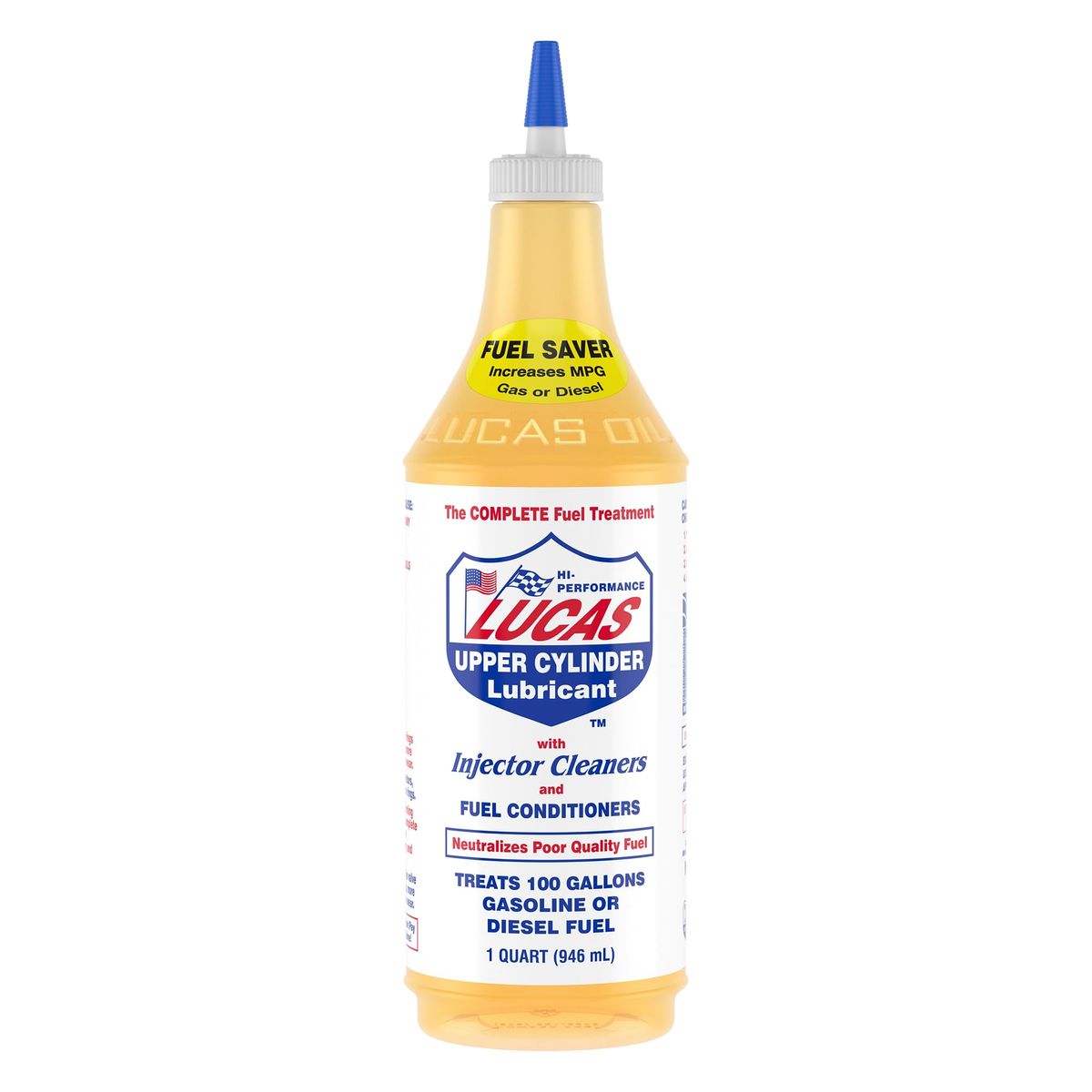
Example: Lucas Oil 10003 (under $10)
Concentrated Fuel System Cleaners
High-PEA detergents designed to thoroughly scrub injectors, intake valves, and combustion chambers. Used periodically, not every tank.
- Removes stubborn carbon deposits and restores lost power
- Improves fuel trim and MPG in clogged engines
- Typically more expensive per treatment
- Strong chemical odors possible
Best for: High-mileage vehicles, performance engines, or as a seasonal tune-up
Example: Chevron Techron Concentrate Plus or Red Line SI-1
Fuel Stabilizers
Additives that prevent fuel from degrading during storage, keeping it fresh for up to 24 months. Essential for boats, RVs, lawn equipment, and seasonal vehicles.
- Eliminates starting problems after winter or downtime
- Protects against gum, varnish, and corrosion
- Does not clean existing deposits
- Must be added before fresh fuel and mixed well
Best for: Storing cars, motorcycles, generators, or seasonal equipment
Example: STA-BIL Storage Fuel Stabilizer
Ethanol & Water Control Treatments
Enzyme-based formulas that combat the ill effects of ethanol-blended fuels, such as water absorption and phase separation.
- Cures rough idle and hesitation caused by ethanol
- Prevents costly fuel system repairs from water damage
- Not a heavy-duty carbon cleaner
- Requires precise dosing for small fuel quantities
Best for: Areas with mandatory E10+ fuel and boats using ethanol blends
Example: Star Tron Enzyme Fuel Treatment
What Actually Matters
| Factor | Importance | Best brand |
|---|---|---|
Cleaning Power (PEA Content) Look for high-quality detergents like PEA; Red Line and Techron are leaders PEA is the only additive proven to remove baked-on intake valve deposits in direct-injection engines. | Must-have | Red Line SI-1 |
Fuel Compatibility Verify the additive is safe for your fuel type — gasoline, diesel, or both Using a gasoline-only cleaner in a diesel can damage high-pressure pumps. | Must-have | Lucas Oil (gasoline and diesel) |
Storage Stability Performance For stored vehicles, the additive must prevent gum and keep fuel fresh for at least 12 months STA-BIL has been independently tested to outperform generic stabilizers in preventing corrosion. | Must-have | STA-BIL (24-month guarantee) |
Cost per Treatment Under $5 per full tank treatment for daily use; for a periodic deep clean Buying in bulk or multipacks slashes cost per ounce dramatically. | Nice-to-have | — |
Ethanol Resistance If your fuel commonly contains ethanol (E10+), choose an additive that disperses water and prevents phase separation Ethanol attracts moisture; without treatment, it can separate and sink to the tank bottom, causing hard starts. | Must-have | Star Tron |
Instant MPG Gains No additive will instantly boost mileage by 20%. Cleaning can restore lost efficiency over time, but big claims are red flags. | Marketing BS | — |
Budget Tiers & Top Picks
What to buy at each price point — and exactly where spending more stops paying off.
Under $15 – Daily Maintenance
$9 – $15Lucas Oil 10003 Fuel Treatment

Stop paying more: At this price, Lucas offers the best coverage per dollar for both gas and diesel maintenance. Spending more on a 'premium' daily additive yields minimal extra benefit.
When to upgrade: If your engine feels sluggish or stumbles, move up to a concentrated cleaner like Red Line for targeted deposit removal.
$15 – $30 – Targeted Cleaning
$15 – $30Red Line SI-1 Complete Fuel System Cleaner - 15 oz
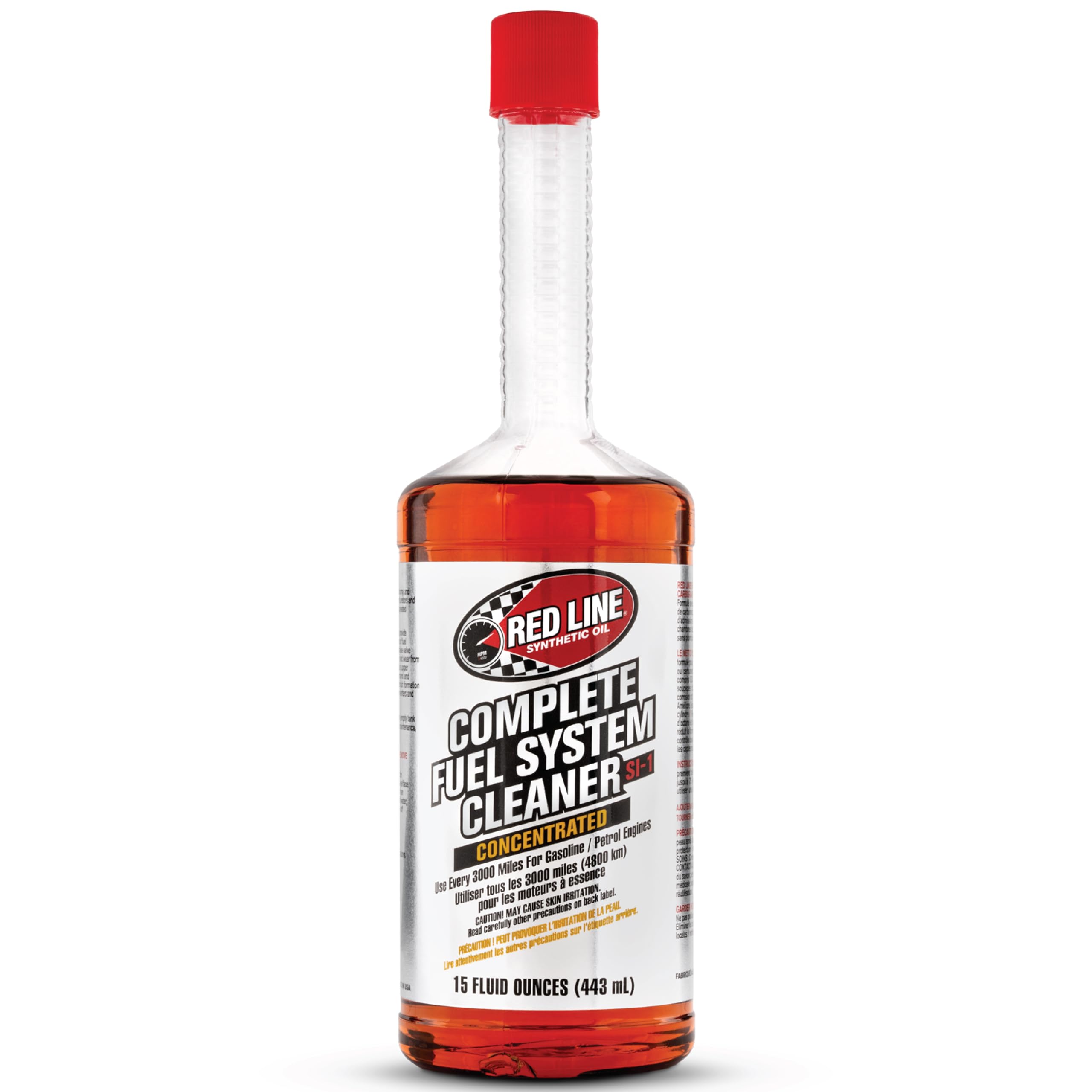
Stop paying more: A single 15 oz bottle treats one tank and scrubs injectors and valves effectively. Buying a 2-pack drops the per-use cost, but if you only clean once a year, one bottle is plenty.
When to upgrade: If you frequently drive on ethanol blend or have a direct-injection engine, consider a larger buy of Red Line or a dedicated ethanol treatment like Star Tron.
$30+ – Bulk & Pro-Grade
$30 – $40Chevron Techron Concentrate Plus - 6 Pack

Stop paying more: A 6-pack of Techron brings the per-treatment cost down significantly, making it viable for use at every oil change. Above $40, you’re paying for marketing, not better chemistry.
When to upgrade: Need storage stabilization too? Pair with a bottle of STA-BIL, and you cover both cleaning and long-term preservation.
Common Mistakes to Avoid
Using a stabilizer when you need a cleaner
STA-BIL or Star Tron prevent fuel degradation but won't remove carbon deposits. If your engine idles rough or loses power, you need a detergent-based cleaner like Red Line or Techron.
Cost of getting it wrong: Wasting a $10–$15 stabilizer and still facing a injector cleaning service.
Expecting instant MPG gains
While additives can restore lost efficiency, gains of 3% or less are typical. A poorly maintained engine may see more, but no bottle will double your mileage.
Cost of getting it wrong: Spending on expensive 'magic' formulas that underdeliver, instead of routine maintenance.
Overdosing the treatment
More additive does not equal more cleaning power; it can leave residue, foul spark plugs, or damage catalytic converters. Always follow the recommended dosage on the label.
Cost of getting it wrong: Potential + repair for a fouled O2 sensor or catalytic converter.
Buying cheap no-name additives
Budget bottles from unfamiliar brands often lack the advanced detergents (PEA) needed to clean modern direct-injection engines. Stick with proven brands like Lucas, Techron, or Red Line.
Cost of getting it wrong: Paying for an additive that does nothing, then paying again for a proper one.
Find Your Match
What's your primary goal?
Frequently Asked Questions
What's the best fuel additive for daily use?
It cleans injectors, lubricates the fuel pump, and neutralizes contaminants in one pour. With 4.8 stars from 24,000+ reviews, it's a reliable, affordable way to keep your fuel system running smoothly without overthinking.
How much should I spend on a fuel additive?
A solid daily treatment like Lucas Oil costs under $10 per quart and lasts for several tanks. For a deep clean, plan on $15–$20 per treatment with Red Line or Techron. Storage stabilizers run $10–$20 per bottle and treat dozens of gallons — don't spend more than unless you're buying a bulk pack of premium concentrate.
What should I avoid when picking a fuel additive?
Skip products that promise miraculous MPG boosts without scientific backing — additives improve efficiency marginally, not dramatically. Avoid generic off-brand bottles with unlisted ingredients, and never use a gasoline additive in a diesel engine unless specifically labeled for both. Also, don't overdose; more isn't better and can damage sensors.
How often should I use a fuel system cleaner?
For typical driving, add a concentrated cleaner like Techron or Red Line every 3,000–5,000 miles, or at every oil change. All-purpose treatments like Lucas can be used more frequently. Storage stabilizers go in before parking a vehicle for over a month. Always follow the product's dosing instructions.
Can fuel additives fix ethanol problems?
Yes, formulas with enzyme technology like Star Tron Enzyme Fuel Treatment are designed to combat water buildup and corrosion from ethanol-blended fuels. They disperse water into tiny droplets that burn harmlessly, preventing the dreaded phase separation that clogs fuel lines. Use it with each fill-up in high-ethanol areas.
Are there additives that work for both gas and diesel?
Lucas Oil Fuel Treatment is one of the few tested and widely trusted additives that safely works in both gasoline and diesel engines. It's EPA registered for diesel, provides needed lubrication, and neutralizes sulfur. Just check the label carefully; not all cleaners are dual-fuel.
Do fuel additives actually improve gas mileage?
They can — but expect modest gains. By cleaning injectors and combustion chambers, additives restore lost efficiency, which may show 1-3% improvement in MPG on high-mileage engines. However, no bottle will double your fuel economy; the main benefit is smoother running and preventing expensive repairs.
How we wrote this guide
Synthesized from 84,100+ verified Amazon buyer reviews across 6 top fuel additives. We cross-referenced independent video tests from Freedom Worx, The Motor Oil Geek, and Chris from Beachside Auto Parts to validate cleaning claims. Product data, prices, and ratings are sourced directly from Amazon and refreshed weekly.
About this guide
Mubboo Editorial Team — independent US-market consumer research. Picks reflect analysis of thousands of verified buyer reviews and video test results. No commission-driven influence; we recommend what works.