How to Choose a Garden Tiller (2026 Guide)
Skip the guesswork — find the right tiller for your soil, garden size, and budget in under 2 minutes.
By Mubboo Editorial Team · Updated Jun 8, 2026 · 7 min read
At a Glance
- Price range
- $30 – $480
- Budget pick
- Jardineer Hand Tiller ($28.99 · 4.5★)
- Data
- 35,755 verified reviews analyzed across 6 finalists
- Best for
- First-time vegetable gardenersPrepping flower beds and bordersMixing compost or manure into soilAerating compacted lawn areasWeeding between rows
- Skip if
- You only work in a few containers or pots — a hand trowel is enough.
Types Explained
Corded Electric Tillers
Plug-in tillers powered by an AC motor, offering consistent, maintenance‑free operation.
- Unlimited runtime
- Low noise and zero emissions
- Wide range of amps for different soils
- Few mechanical parts to maintain
- Tethered to an outlet — extension cord required
- Less powerful than gas for virgin ground
- Heavier models can be tiring to maneuver
Best for: Medium to large gardens within 100 ft of an outlet.
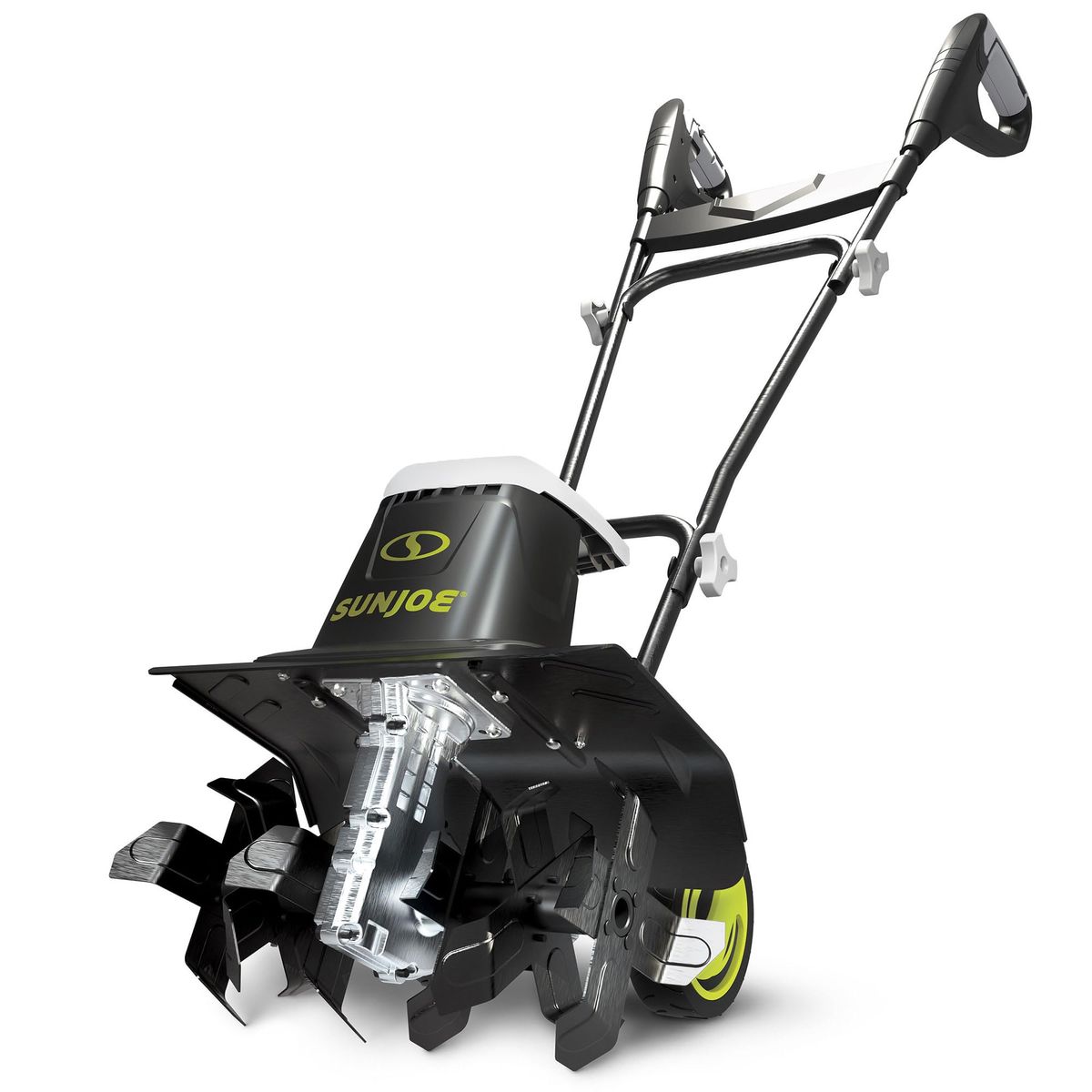
Example: Sun Joe TJ603E (12‑amp)
Cordless (Battery) Tillers
Rechargeable battery‑powered models that eliminate the cord and allow work anywhere in the yard.
- Complete cordless freedom
- Very lightweight — often under 15 lbs
- Quiet and easy to start
- Ideal for raised beds and tight spaces
- Limited runtime per charge
- Weaker torque in heavy clay
- Battery replacement adds long‑term cost
Best for: Small gardens, raised beds, and gardeners who value portability.
Example: Alloyman 20V Cordless Tiller
Gas‑Powered Tillers
Engine‑driven tillers using gasoline, providing maximum power for the toughest jobs.
- Highest torque for breaking sod
- No cord range limits
- Fast tine RPM churns hard earth
- Durable for heavy annual use
- Loud and requires fuel stabilizer
- Heavier — often 24+ lbs
- High upfront cost
- Seasonal oil/filter maintenance
Best for: Large plots, remote areas without power, or breaking new ground.
Example: Mantis 7940 4‑Cycle Tiller (Honda engine)
Manual Tillers
Human‑powered tools that twist or push tines into the soil — no motor, no batteries, no noise.
- Ultra‑affordable (under $30)
- Zero fuel or electricity cost
- Silent operation
- Lightweight and easy to store
- Physical effort required — tiring for large areas
- Ineffective in rocky or heavy clay
- Narrower path covers less ground per pass
Best for: Small flower beds, raised boxes, and mixing amendments.
Example: Jardineer Hand Twist Tiller
What Actually Matters
| Factor | Importance | Best brand |
|---|---|---|
Tilling Width ≥12 inches recommended; 16–18 inches for large gardens A wider path cuts your tilling time in half. <strong>For most home gardens, 12–16 inches is the sweet spot.</strong> | Must-have | LawnMaster (18-inch) |
Motor Power (Amp/CC) ≥10 amps for electric; ≥25cc for gas Higher amps punch through compacted soil without stalling. <strong>Don’t settle for less than 10 amps on an electric tiller.</strong> | Must-have | Sun Joe (13.5 amps) |
Tine Material & Count Rust-proof steel tines, minimum 4 Stamped tines bend in clay. <strong>Look for hardened steel and at least four tines.</strong> | Must-have | Sun Joe (6 steel tines) |
Weight & Foldability Under 30 lbs; folding handle for storage If you store in a tight shed, a folding handle saves floor space. <strong>Consider weight if you tire easily.</strong> | Nice-to-have | Sun Joe (foldable, 27 lbs) |
Brand Premium Many top-reviewed tillers come from brands like Sun Joe and LawnMaster. <strong>Spending extra for a premium logo rarely delivers more power or durability in this category.</strong> | Marketing BS | — |
Budget Tiers & Top Picks
What to buy at each price point — and exactly where spending more stops paying off.
Under $50
$30 – $50Jardineer Hand Tiller

Stop paying more: Manual tillers are the only option under $50. For motorized help, you’ll need to spend at least $100.
When to upgrade: Struggling with more than a raised bed? A corded electric model will save hours of work.
$100 – $200
$100 – $200Sun Joe TJ603E 12-Amp 16-Inch Electric Tiller

Stop paying more: In this range, you get full-size corded electric tillers with enough power for most residential jobs. Spending above $200 adds cordless convenience or gas muscle but not necessarily more tilling ability.
When to upgrade: If you need portability or raw force, the premium tier unlocks cordless and gas options.
Over $200
$200 – $480Mantis 7940 4-Cycle Gas Tiller (Honda Engine)

Stop paying more: Gas tillers exceed $400 and are built for serious soil work. For most weekend gardeners, this is overkill; the extra cost rarely pays off unless you till for hire or live off-grid.
When to upgrade: If outlet access is your only gripe, a cordless tiller for half the price may suffice.
Common Mistakes to Avoid
Buying too narrow
A 6‑inch tiller takes twice as long on a 20×20 plot. For vegetable gardens, aim for at least 12 inches wide to finish in reasonable time.
Cost of getting it wrong: Extra hours of labor each season — and potential re‑buy when you realize it’s too small.
Ignoring soil type
A lightweight electric model will stall in heavy clay. Check your soil and match power (amps) to the job — compacted ground needs higher torque.
Cost of getting it wrong: Burnt motor or a tool that sits in the shed unused.
Overpaying for gas when a cord works
Unless you lack an outlet or need to break sod over an acre, a gas tiller is overkill. A 13.5‑amp corded model handles most residential soil.
Cost of getting it wrong: + spent for power you’ll rarely use, plus ongoing fuel costs.
Skipping depth control
Fixed‑depth tillers either dig too shallow for root crops or too deep for seeds. Adjustable wheels or tine settings let you fine‑tune for the task.
Cost of getting it wrong: Poor seedbed leads to uneven germination and lower yields.
Find Your Match
How large is your garden?
Frequently Asked Questions
Which garden tiller is best for breaking new ground?
Corded electric models can work with patience, but gas tillers with high RPM and reverse tines blast through compacted earth. Expect to spend over $400 for a reliable gas unit.
What's the best electric tiller for a small vegetable garden?
A 16- to 18-inch width covers small plots quickly. If you have loose, loamy soil, a cordless option like the Alloyman 20V tames the job with total freedom.
Should I get a corded or cordless tiller?
Corded tillers deliver unlimited power and are best for medium to large gardens near an outlet. Cordless models offer unmatched convenience for small, remote plots but struggle in heavy clay and can run out of battery mid-job. Choose corded unless you value portability over raw stamina.
What is the best budget tiller for raised beds?
The Jardineer Hand Tiller under $30 is a top-rated manual choice. It twists through soil with 4 steel tines and requires no fuel or cord — perfect for turning amendments in a 4x4 bed. For motorized help, the Alloyman 20V cordless tiller is the next step up.
Which tiller is easiest to store in a small shed?
Look for foldable handles and light weight. Among cordless models, the Alloyman (14 lbs) tucks into the tightest corners. Avoid fixed-frame gas tillers if storage is tight.
Is a gas tiller worth the extra cost?
Only if you lack a reliable outlet, till several acres regularly, or tackle dense clay that stalls electric motors. For the average 2000 sq ft vegetable garden, a 13.5-amp corded electric tiller delivers equal results for half the price and zero fuel maintenance.
What's the best tiller for clay soil?
Heavy clay demands high torque. 5 amp, 380 RPM) is the strongest corded model we've seen for packed earth. Manual tools will struggle.
How we wrote this guide
We analyzed 35,755 verified Amazon reviews across 6 finalists, cross‑referenced video testing from Consumer Buddy and Tools Log, and verified manufacturer specifications. Our picks prioritize proven power, durable steel tines, and the right width for your soil — never brand marketing.
About this guide
Mubboo Editorial Team. Independent US‑market research for home gardeners. Picks informed by 35,755+ verified buyer reviews and video analysis.