How to Choose a Golf Rangefinder (2026 Guide)
Picked from 2026's most-reviewed Amazon models, with real-world buying advice.
By Mubboo Editorial Team · Updated Jun 8, 2026 · 8 min read
At a Glance
- Price range
- $100 – $400
- Data
- 22,112 verified reviews analyzed across 6 finalists
- Best for
- Golfers who want precise distance readingsThose who play hilly courses and need slope compensationAnyone needing a quick, reliable pin lock
- Skip if
- You're comfortable with a GPS watch or phone app; a rangefinder adds laser precision.
Types Explained
Slope Rangefinder
Measures distance and calculates slope-adjusted yardage based on elevation changes.
- Gives true playing distance on uphill/downhill shots
- Most models have an on/off switch for tournament legality
- Slightly more expensive than non-slope models
- Must disable slope for USGA-sanctioned tournaments
Best for: Hilly courses and weekend golfers who want a competitive edge
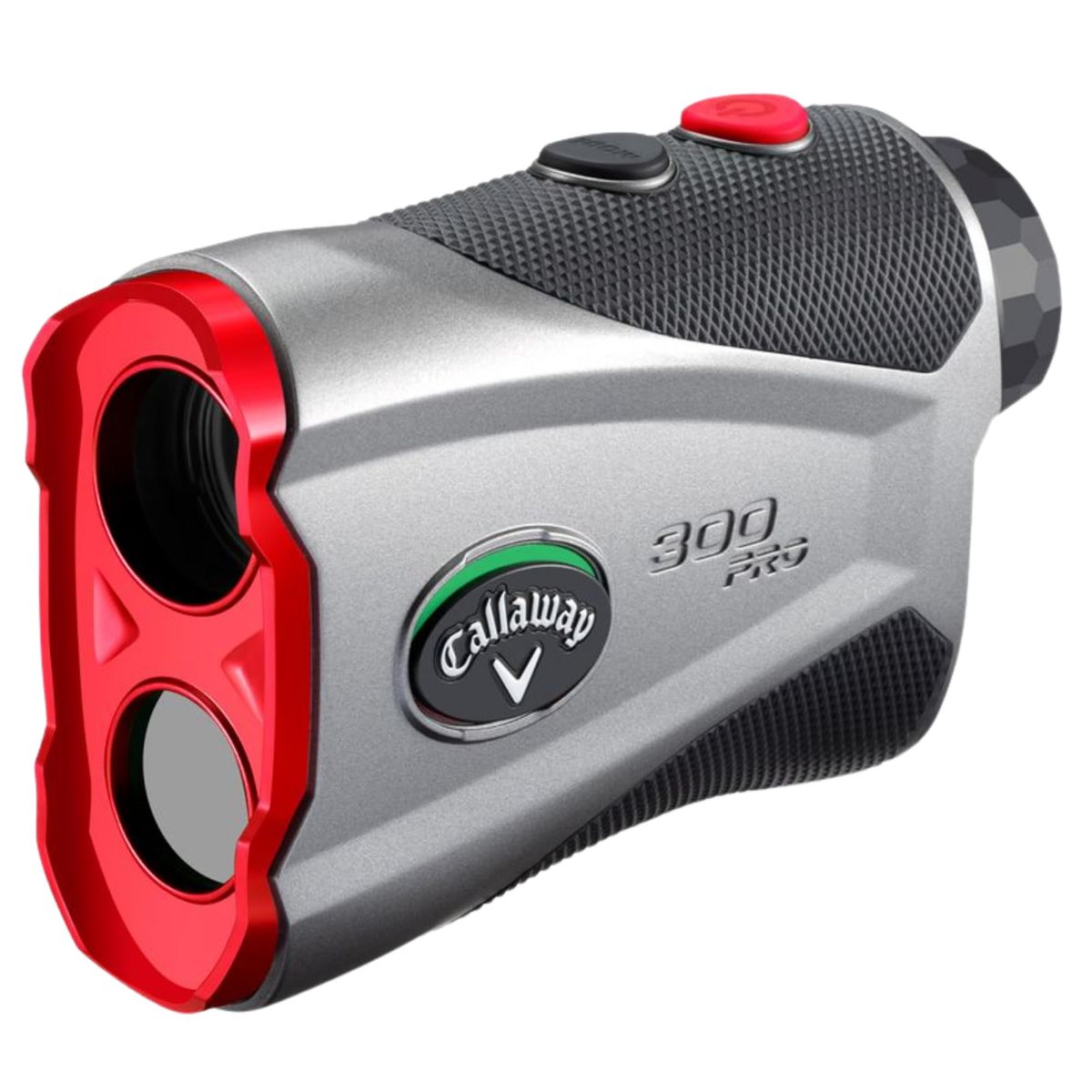
Example: Callaway 300 Pro Slope
Non-Slope Rangefinder
Provides pure line-of-sight distance without elevation adjustment.
- Always legal for any tournament play
- Often more affordable
- Does not account for elevation changes, leaving club selection to guesswork
- May be missing advanced features like slope toggles
Best for: Traditionalists and tournament players who never need slope
Example: Bushnell Tour V5 Patriot Pack (Non-Slope)
Rechargeable Rangefinder
Uses a built-in USB-C rechargeable battery instead of disposable CR2 cells.
- Saves + over the device's life by eliminating battery purchases
- Convenient charging, often lasting 30,000+ cycles
- Slightly heavier than a disposable battery model
- Must remember to charge before rounds
Best for: Environment-conscious and budget-minded golfers
Example: REDTIGER GolfVue Series 1
What Actually Matters
| Factor | Importance | Best brand |
|---|---|---|
Accuracy ±1 yard Most quality rangefinders today meet this, but cheaper models may be inconsistent at longer ranges. | Must-have | Bushnell (Tour V6 Shift achieves ±0.5 yard) |
Slope Compensation On/off switch for tournament mode Essential for hilly courses; ensure the switch is easily accessible to comply with tournament rules. | Must-have | Callaway (300 Pro’s external switch) |
Magnification 6x minimum; 7x for shaky hands 7x makes reading easier but can amplify hand shake. 6x is sufficient for most golfers. | Nice-to-have | REDTIGER (7x) |
Flag Locking Visual and/or vibration confirmation Vibration ensures you’ve targeted the pin, not a tree behind it. | Must-have | Bushnell (Visual JOLT with vibration) |
Battery Type USB‑C rechargeable Rechargeable saves money and hassle; disposable CR2’s are reliable but costly over time. | Nice-to-have | REDTIGER or Acer |
Brand Prestige Paying twice as much for a Bushnell logo doesn’t double your accuracy. Focus on features. | Marketing BS | — |
Budget Tiers & Top Picks
What to buy at each price point — and exactly where spending more stops paying off.
Under $120
$100 – $120Acer Golf Rangefinder with Slope

Stop paying more: Stop at $120. The Acer provides essential slope and anti‑shake for a fraction of premium prices. Spending more won’t improve your distance reading significantly.
When to upgrade: If you want faster pin locking and a proven brand, step up to the $170 Callaway 300 Pro.
$120 – $260
$120 – $260Callaway Golf 300 Pro Slope Laser Rangefinder
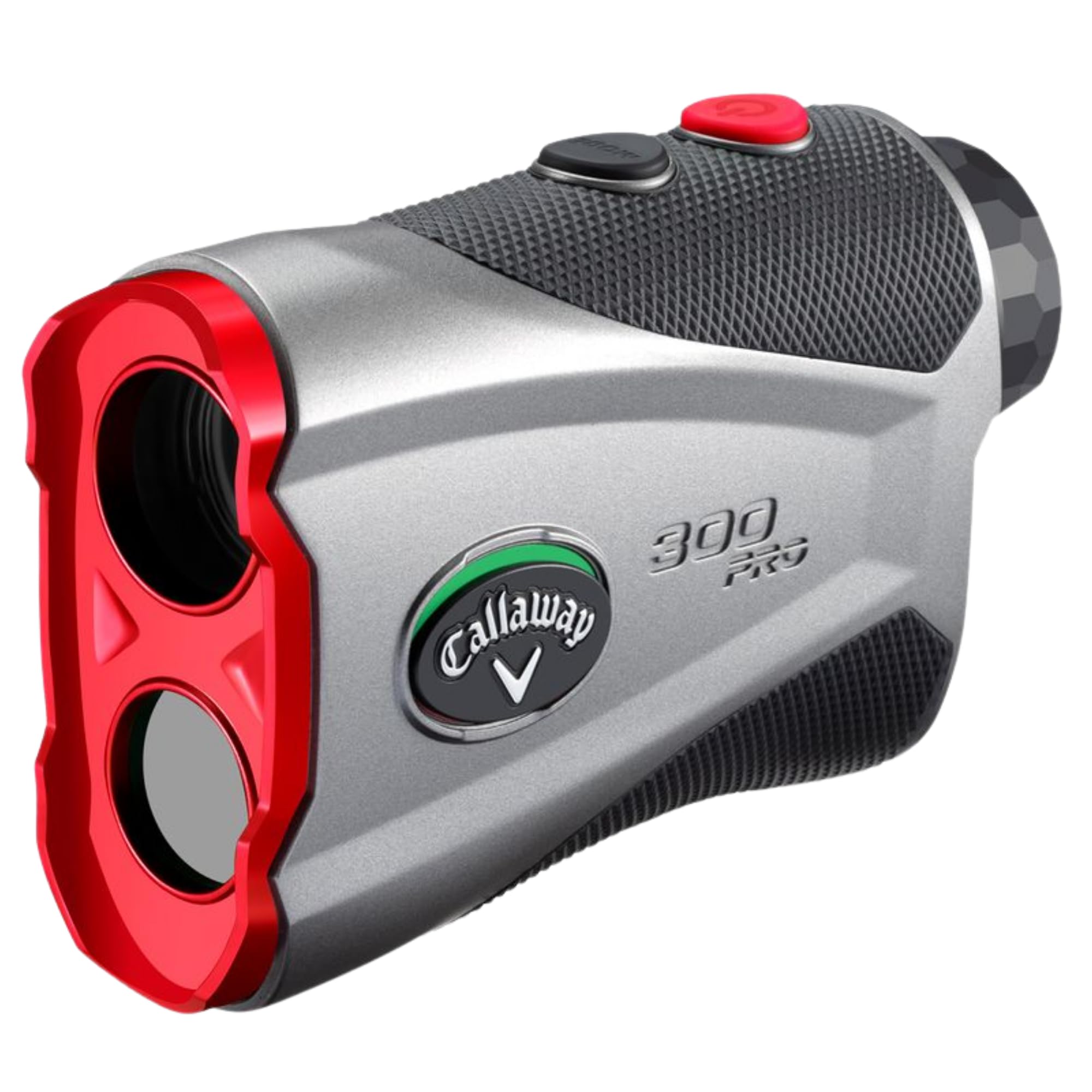
Stop paying more: Diminishing returns kick in above $200. The Callaway delivers 90% of the premium experience at half the cost.
When to upgrade: If you demand IPX6 waterproofing and tour‑level optics, go for the $400 Bushnell Tour V6 Shift.
Over $260
$260 – $400Bushnell Tour V6 Shift Laser Rangefinder

Stop paying more: $400 is the ceiling for a laser‑only rangefinder – don’t pay more unless you need integrated GPS.
When to upgrade: If you want GPS integration, consider a hybrid device like the Garmin Z30 (not covered here).
Common Mistakes to Avoid
Ignoring battery type
Disposable CR2 batteries –5 each and need replacement every 6–12 months. A USB‑C rechargeable model saves you + over 5 years.
Cost of getting it wrong: At least in batteries over the device’s life.
Buying too much magnification
8x magnification sounds better but amplifies hand shake. 6x is plenty for 300‑yard pins and offers a steadier view.
Cost of getting it wrong: No direct financial loss, but a shaky image leads to misreads and wasted strokes.
Skipping water resistance
A non‑water resistant rangefinder can fog up or fail in rain or high humidity.
Cost of getting it wrong: Replacing a device after one soggy round.
Assuming all lasers are tournament legal
Slope must be disabled before play. Some cheap rangefinders lack an external switch, making them illegal for competition.
Cost of getting it wrong: Disqualification from a tournament.
Find Your Match
What's your budget?
Frequently Asked Questions
How much should I spend on a golf rangefinder?
A solid rangefinder with slope starts. Spending up to $170 gets you faster pin‑locking and a magnetic mount. Over $300 is only worth it for waterproofing, premium optics, and tournament-ready features. Stick to your budget — a Acer still delivers accurate slope readings.
What is the most common mistake buyers make?
Ignoring battery type. Disposable CR2 batteries add + over 5 years and can die mid‑round. Rechargeable models like the REDTIGER and Acer save money and hassle. Also, many golfers overpay for unnecessary magnification.
Do I need slope on my rangefinder?
If you play hilly courses, slope is invaluable. It adjusts distance for elevation, giving you the actual playing yardage. Most slope models have an external switch so you can turn it off for tournaments. If you only play flat courses, a non‑slope model saves you money.
Is a rechargeable rangefinder better?
Yes, for convenience and long‑term savings. USB‑C rangefinders last 30,000 cycles and you can charge on the go. However, they may be slightly heavier than a single CR2 battery model. If you play 50+ rounds a year, rechargeable is the smarter choice.
What rangefinder do pros use?
Bushnell is used by over 99% of PGA Tour pros. The Tour V6 Shift offers the precision and waterproofing they demand, but the V5 or Callaway 300 Pro deliver similar results for amateurs at a fraction of the cost. Technology trickles down.
Can I use a rangefinder in tournaments?
Yes, but you must disable slope if the rules require it. Look for an external slope switch; the Bushnell V6 Shift and Callaway 300 Pro have them. If you never need slope, a non‑slope model like the Bushnell V5 Patriot is legal from the start.
How we wrote this guide
We analyzed 22,112 verified Amazon reviews across 6 finalists and cross-referenced insights from golf equipment reviewers on YouTube, including channels like Breaking Eighty and The Golf Shop Online.
About this guide
Mubboo Editorial Team — independent US-market golf research. Picks reflect analysis of 22,112 verified Amazon buyer reviews and YouTube reviews from golf equipment experts.