How to Choose a Hand Mixer (2026 Guide)
Find the perfect hand mixer for your baking needs, from budget picks to heavy-duty dough masters
By Mubboo Editorial Team · Updated Jun 8, 2026 · 8 min read
At a Glance
- Price range
- $14.99 – $54.99
- Budget pick
- Ovente 5-Speed Hand Mixer ($14.99 · 4.5★)
- Data
- 144,524 verified reviews across 6 popular hand mixers
- Best for
- Everyday bakingSmall to medium batchesMost cookies, cakes, and whipped cream
- Skip if
- You only mix occasionally and a whisk suffices.
Types Explained
Standard Mixers
Full-size with 5-6 speeds, 200-275W motor, and a snap-on storage case. Ideal for most home baking.
- Versatile power for cookies, batters, and frostings
- Storage case keeps attachments organized
- Often includes whisk and beaters
- Heavier; may cause fatigue during extended use
Best for: Families, frequent bakers, and everyday mixing
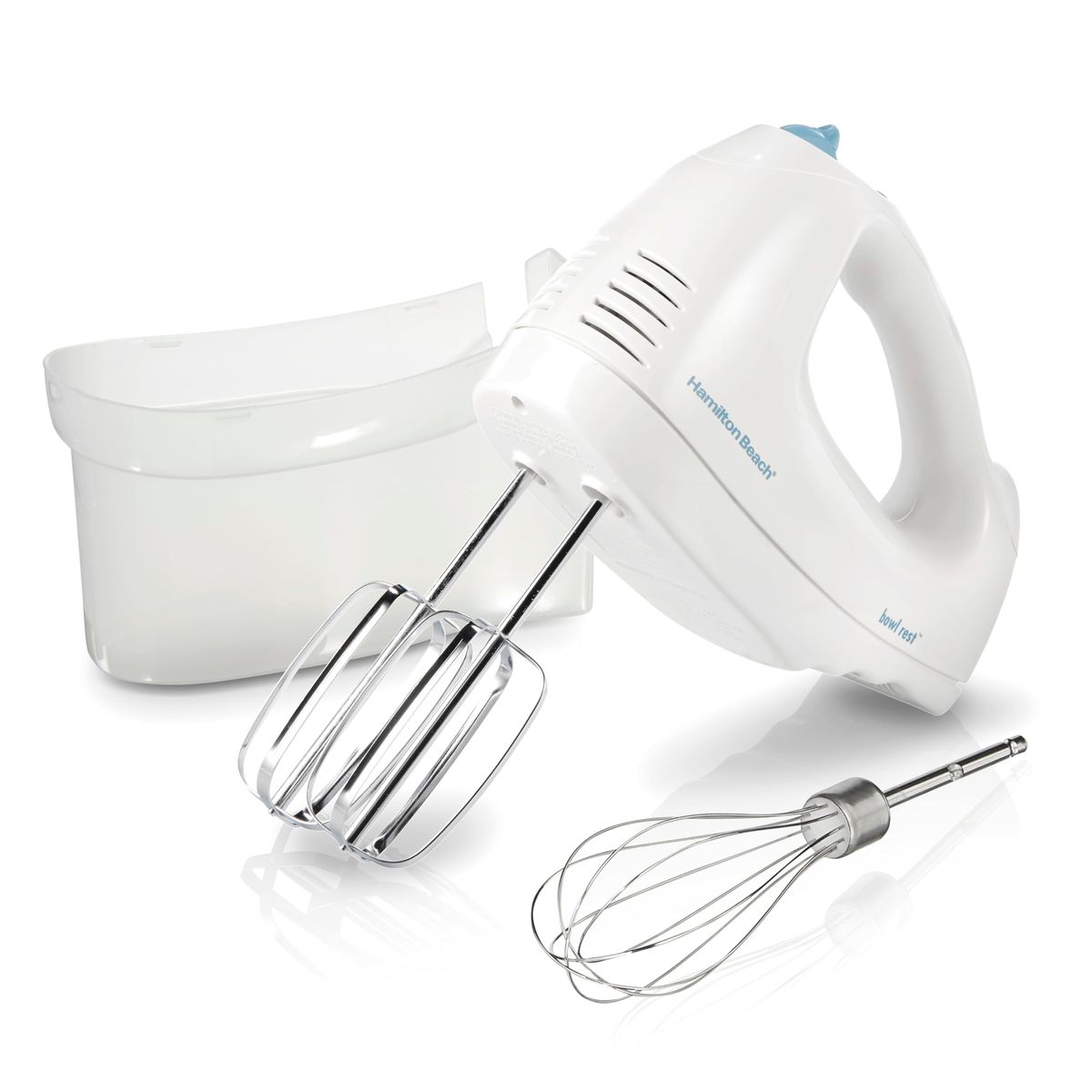
Example: Hamilton Beach 6-Speed Hand Mixer
Lightweight/Compact Mixers
Under 2 lbs, typically 150W with 2 attachments. Designed for easy handling and storage.
- Very light and easy to maneuver
- Compact snap-on case fits small kitchens
- Lowest price point
- Struggles with heavy dough and thick mixtures
- Fewer attachments included
Best for: Occasional use, small kitchens, seniors with limited grip strength
Example: Ovente 5-Speed Hand Mixer
High-Power Mixers
300W+, often includes dough hooks and extra attachments. Built for serious baking.
- Powers through bread dough and thick batter
- Includes dough hooks for yeast breads
- Dishwasher-safe stainless steel attachments
- Loud (up to 75 dB)
- Heavier, larger footprint
Best for: Serious bread bakers and those mixing stiff doughs frequently
Example: Lord Eagle 400W Hand Mixer
What Actually Matters
| Factor | Importance | Best brand |
|---|---|---|
Motor wattage ≥200W for cookies and batters; ≥300W for bread dough Wattage directly determines what you can mix. Under 150W struggles with thick doughs. | Must-have | Hamilton Beach (250W) |
Number of speeds 5-6 speeds are typical; slow start reduces splatter More than 6 speeds rarely useful. | Nice-to-have | Hamilton Beach (6 speeds) |
Included attachments At least beaters and whisk; dough hooks if you bake bread Attachments that are dishwasher safe save time. | Must-have | Lord Eagle (includes dough hooks) |
Weight and comfort Under 3 lbs for extended mixing Lighter mixers reduce arm fatigue. | Nice-to-have | Ovente (1.8 lbs) |
Built-in digital timer A timer on the mixer is redundant if you have a kitchen timer or phone. Not worth the price premium. | Marketing BS | — |
Budget Tiers & Top Picks
What to buy at each price point — and exactly where spending more stops paying off.
Under $20
$15 – $20Ovente 5-Speed Hand Mixer
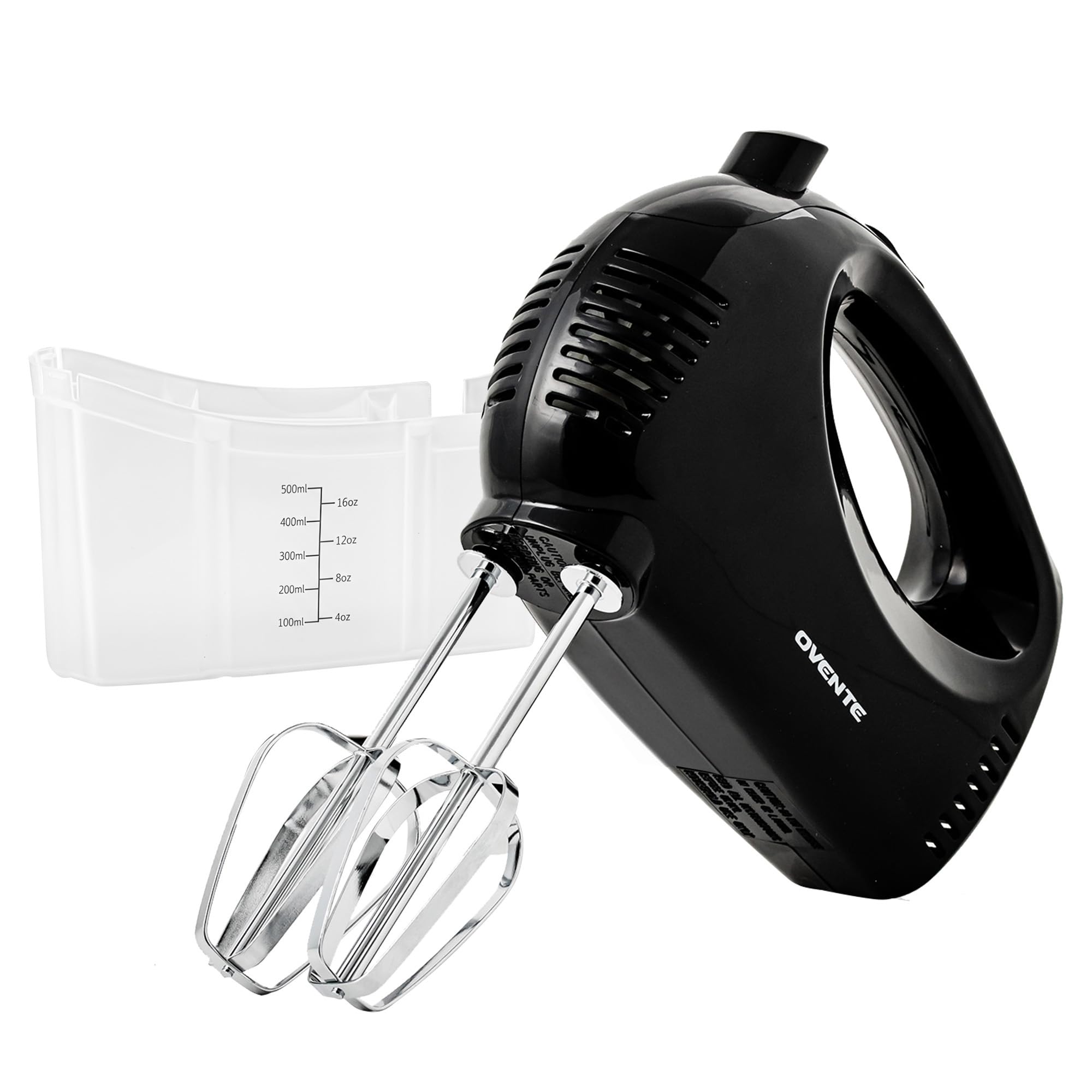
Stop paying more: At this price, you get reliable light-duty mixing. Spending $10 more gets you more power and better attachments.
When to upgrade: Need more power or dough hooks? Move to the mid-range tier.
$20 – $40
$20 – $40Hamilton Beach 6-Speed Hand Mixer

Stop paying more: Around $30 is the sweet spot. Above $40, you mainly pay for brand or a small power bump.
When to upgrade: Want more power for bread dough? The Lord Eagle at the same price offers 400W.
$40+
$40 – $55KitchenAid 5-Speed Hand Mixer

Stop paying more: Paying more than $55 gets you a stand mixer, not a better hand mixer. This is the top of the hand mixer market.
When to upgrade: For serious baking, consider a stand mixer.
Common Mistakes to Avoid
Choosing a mixer with too little power
Under 150W motors may overheat or stall with cookie dough. At least 200W ensures smooth operation.
Cost of getting it wrong: Wasted $15-$20 on a unit that can't handle your recipes.
Ignoring included attachments
Some mixers come with only beaters; others add a whisk and dough hooks. If you bake bread, dough hooks are essential.
Cost of getting it wrong: Buying separate attachments later can +.
Overlooking weight and comfort
A mixer over 3 lbs can cause arm fatigue in long sessions. Lightweight models exist under 2 lbs.
Cost of getting it wrong: Discomfort leads to under-use, and you might buy a second, lighter mixer.
Find Your Match
What's your budget?
Frequently Asked Questions
How much should I spend on a hand mixer?
Most home bakers will be happy with a $25-$35 250W model that includes a storage case. Budget models under $20 work for light tasks, while gets you a premium brand name but not necessarily more power. Avoid spending over $60 unless you need a stand mixer.
What should I avoid when buying a hand mixer?
Avoid models with less than 200 watts if you plan to mix cookie dough or thick batters. Skip mixers that don't include a whisk and beaters, or that lack a storage case—attachments get lost. Beware of very heavy mixers (over 3 lbs) if you bake frequently.
What is the best hand mixer for bread dough?
For bread dough, you need at least 300 watts and dough hook attachments. However, if you bake bread weekly, a stand mixer is a better long-term investment.
Are hand mixers better than stand mixers?
Hand mixers are lighter, cheaper, and easier to store, making them ideal for small kitchens and occasional baking. Stand mixers offer more power and hands-free operation for heavy tasks like kneading bread. If you bake several times a week, a stand mixer may be worth the space.
How do I clean a hand mixer?
Most beaters and whisk attachments are dishwasher safe. Unplug the mixer and wipe the motor base with a damp cloth—never submerge it in water. For stubborn residue, use a bit of soapy water on a sponge and towel dry.
Can I use a hand mixer for mashed potatoes?
Yes, hand mixers are great for mashed potatoes, but use a low speed to avoid over-mixing and getting a gluey texture. A mixer with a slow start speed helps prevent splattering. Beat briefly just until smooth.
How we wrote this guide
We evaluated 6 popular hand mixers using 144,524 verified Amazon buyer reviews, analysis of specifications, and video testing insights. All picks are backed by real user feedback and independent test data. Prices updated weekly from Amazon.
About this guide
Mubboo Editorial Team. Picks based on analysis of 144,524 verified reviews and video testing. Prices update weekly from Amazon.