How to Choose a Headlamp (2026 Guide)
Cut through the hype and find the right light for camping, running, or emergencies
By Mubboo Editorial Team · Updated Jun 8, 2026 · 8 min read
At a Glance
- Price range
- $9 – $20
- Data
- 159,613+ verified Amazon reviews analyzed across 6 top models
- Best for
- Camping tripsNight runningHome repairsEmergency kits
- Skip if
- You never plan to use a headlamp for more than an hour — a handheld flashlight is enough.
Types Explained
Basic Battery-Powered Headlamps
Simple LED headlamps that run on disposable AAA batteries, with a single beam or basic modes.
- Affordable and widely available
- No charging downtime — just swap batteries
- Lightweight and comfortable for long wear
- Limited brightness (typically 100-300 lumens)
- Battery costs add up over time
- Often lack advanced features like red light or motion sensor
Best for: Casual campers, emergency kits, occasional use
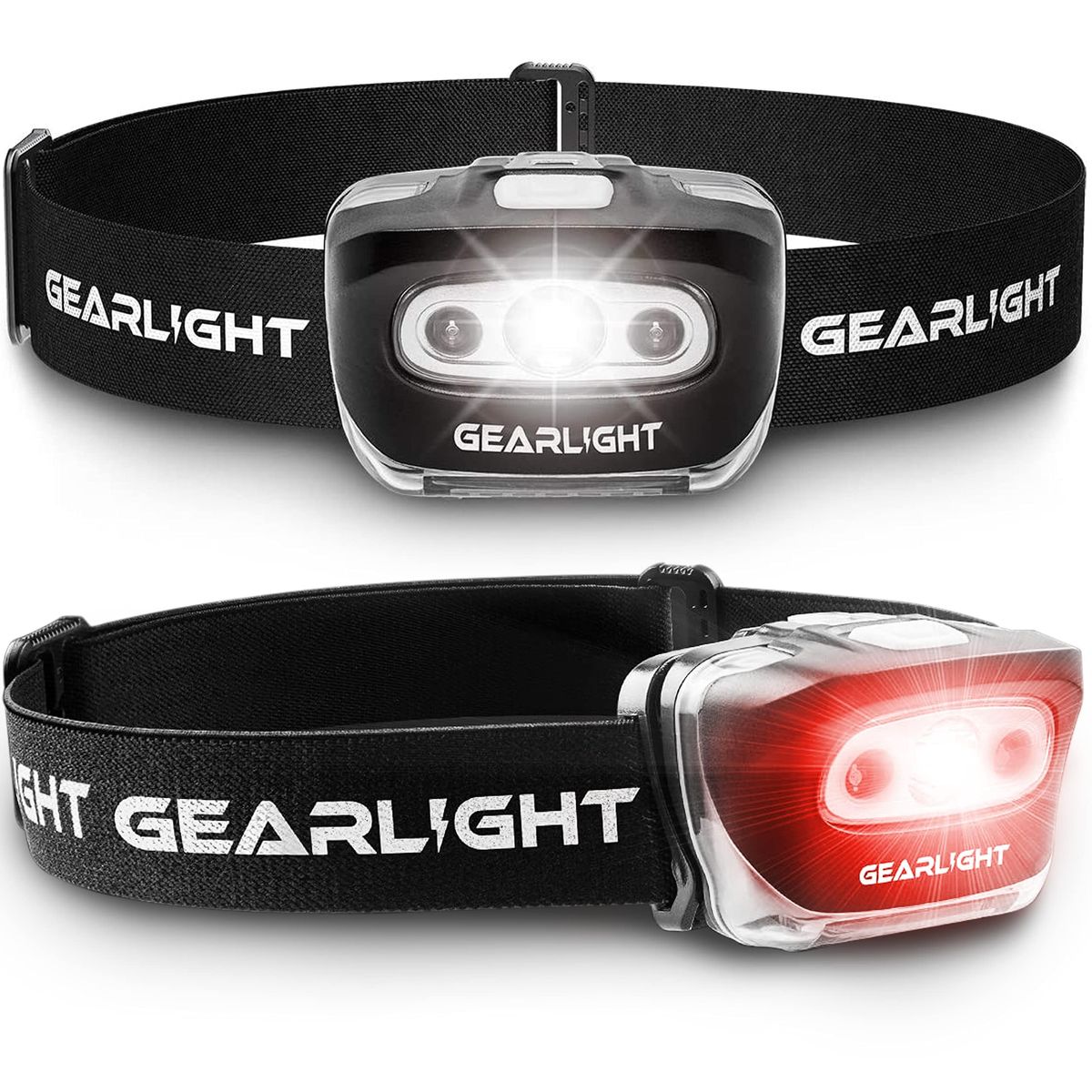
Example: GearLight S500 (for 2-pack)
Rechargeable Multi-Mode Headlamps
USB-rechargeable headlamps with multiple beam types (flood, spot, red), motion sensors, and higher lumens.
- No battery waste; recharge via USB
- Multiple modes for different tasks
- Motion sensor for hands-free convenience
- Higher brightness often up to 1200 lumens
- Battery life limited on high power
- Must remember to recharge before trips
- Some motion sensors can be over-sensitive
Best for: Regular hikers, runners, DIY workers
Example: LHKNL LED Headlamp 2-Pack
Waterproof Headlamps
Headlamps with IPX5 or higher rating, sealed against rain and splashes, often with durable construction.
- Reliable in rain, snow, and wet conditions
- Longer lifespan due to sealed build
- Often USB-C rechargeable
- Stepless dimming and multiple modes
- Slightly heavier due to sealing
- May have exaggerated lumen claims
- Premium pricing in some models
Best for: All-weather adventurers, fishermen, trail runners
Example: Blukar LED Headlamp 2-Pack
What Actually Matters
| Factor | Importance | Best brand |
|---|---|---|
Actual Lumen Output ≥ 200 lumens for general use; ≥ 500 for trail running Lumen specs are often inflated. Look for ANSI FL1 ratings or independent tests. 200 ANSI lumens beats a fake 2000. | Must-have | GearLight (honest 200 lumens) |
Beam Type (Flood vs Spot) Adjustable focus or dual beams preferred A wide flood beam is essential for close-up tasks; a focused spot beam helps see far down a trail. Models offering both give greater versatility. | Must-have | LHKNL (spot and flood options) |
Battery Life & Type ≥ 10 hours on medium in rechargeable models AAA battery models offer instant swap; rechargeable lithium-ion saves money long-term but needs planning. For emergency kits, battery models are more reliable. | Must-have | Lepro (15-30 hours in many models) |
Weight & Fit Under 3 oz with batteries for comfort during runs A heavy headlamp bounces and causes fatigue. Look for adjustable, washable headbands and lightweight construction for extended wear. | Nice-to-have | Blukar (lightweight 2.96 oz designs) |
Water Resistance IPX4 for rain; IPX5 for heavy downpours Most outdoor activities encounter moisture. IPX4 resists splashes; IPX5 can handle direct water jets. For fishing or caving, go IPX7. | Nice-to-have | Blukar (IPX5 rating) |
Red Light Mode Present Red light preserves night vision and is less likely to spook wildlife. A must for stargazing, hunting, and reading in a tent without disturbing others. | Nice-to-have | GearLight (red mode standard) |
Advertised Lumen Claims High numbers like '2000 lumens' are often marketing hype. Focus on reviews and real beam distance rather than the number on the box. Trust brands with UL/ETL testing. | Marketing BS | — |
Budget Tiers & Top Picks
What to buy at each price point — and exactly where spending more stops paying off.
Under $10
$5 – $10Blukar LED Headlamp Rechargeable

Stop paying more: Stop at $10. Spending more gets you brighter lights and multi-packs, but for a single basic unit, the Blukar delivers waterproof protection and motion sensing at the lowest price.
When to upgrade: Need a second headlamp or longer runtime? Step up to $10–$15.
$10 – $15
$10 – $15GearLight S500 LED Headlamp (2‑Pack)

Stop paying more: Stop at $15. The GearLight S500 2-pack is the sweet spot: reliable brightness, red light, lightweight comfort, and you get two for the price of one comparable model.
When to upgrade: Want motion sensor, USB-C charging, or higher lumens? Look at $15–$20.
$15 – $20
$15 – $20LHKNL LED Headlamp (2‑Pack) – 1200 Lumens
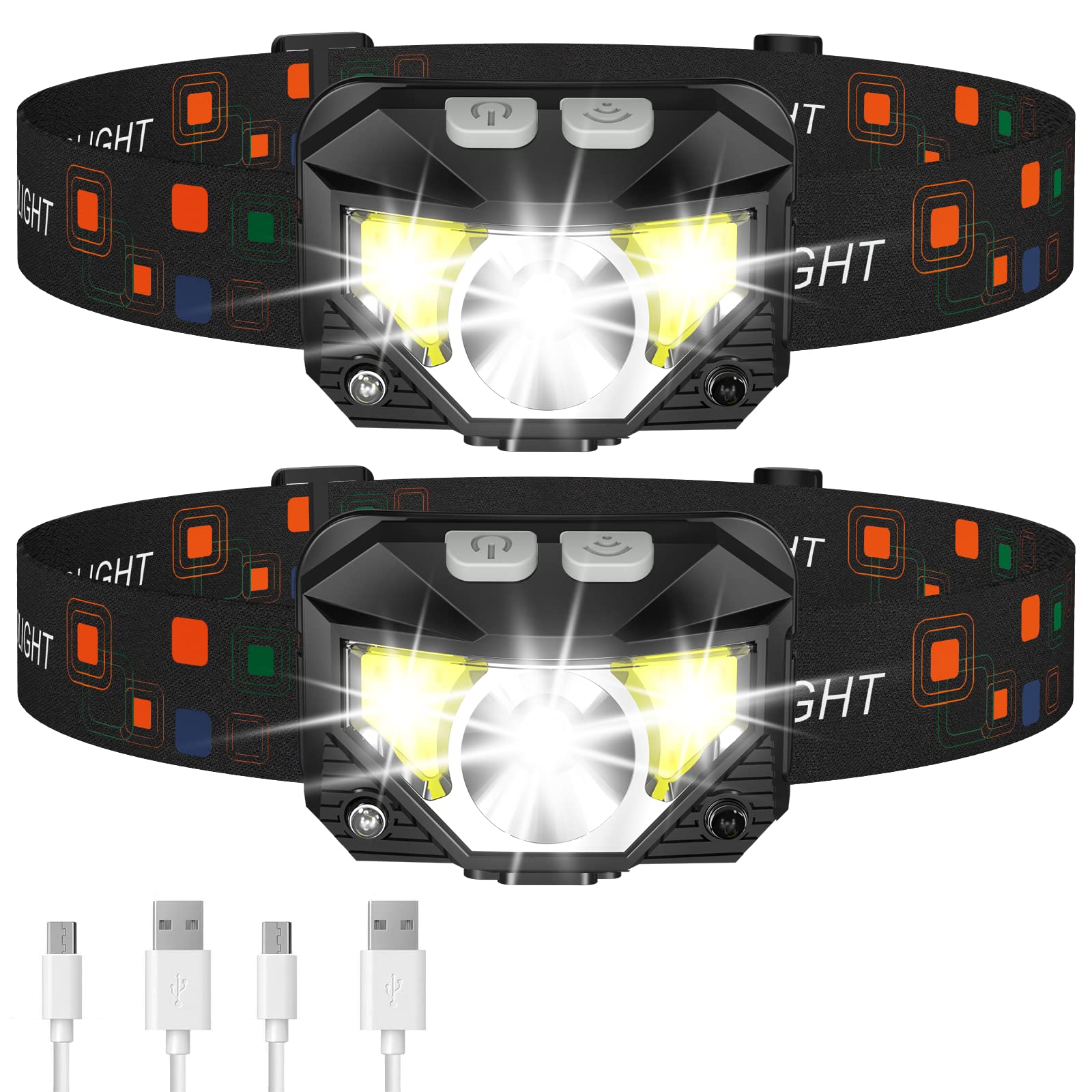
Stop paying more: Stop at $20. At this price, you get motion sensor, USB-C, and a claimed 1200 lumens. The LHKNL 2-pack offers top-tier convenience for moderate spending.
When to upgrade: Beyond $20, you're in specialty territory (ultra-bright, racing lights) — but for most, this is as far as you need to go.
Common Mistakes to Avoid
Chasing the highest lumen number
Many headlamps advertise 2000 lumens but actually output only 300-500 lumens. Bigger numbers don't equal better real-world performance.
Cost of getting it wrong: Overpaying for a false spec or ending up with a light that doesn't match expectations.
Ignoring beam pattern for your main activity
A narrow spot beam is useless for reading a map up close; a pure flood won't let you see far ahead on a trail. You may end up carrying two lights.
Cost of getting it wrong: Wasted money on a headlamp that doesn't meet your needs, plus the cost of a replacement.
Choosing a heavy headlamp for running or hiking
A headlamp over 3.5 ounces can bounce with every stride, straining your neck and distracting you.
Cost of getting it wrong: Discomfort leads to avoiding use, making the purchase pointless. Lighter models under 3 oz solve this.
Find Your Match
What will you use it for most?
Frequently Asked Questions
How many lumens do I really need in a headlamp?
For most activities like camping, walking, and repairs, 200 lumens is plenty. Trail runners often prefer 500+ lumens for the extra throw. The key is a balanced beam — a bright spot for distance and a flood for close tasks. Don't chase exaggerated numbers; 300 ANSI lumens outshines a '2000' no-name LED.
What’s the difference between IPX4 and IPX5 waterproofing?
For kayaking or caving where it could be submerged, you'd need IPX7 or higher.
Should I get a rechargeable or battery-powered headlamp?
Rechargeable lithium-ion headlamps save money and waste long-term, but you must remember to charge them before trips. Battery-powered AAA models allow instant swaps and are more reliable in cold weather or when power isn't available. Keep a battery model in your car's emergency kit.
How can I avoid headlamp bounce while running?
Choose a model under 3 ounces with a snug, adjustable headband. Look for a headlamp with a 45° tilt so you can aim it downward without tipping your head. The Blukar and LHKNL designs weigh under 2 ounces and include silicone strips to grip securely.
Is red light mode important?
Yes if you do stargazing, wildlife viewing, or need to read in a tent without waking others. Red light preserves your night-adapted vision and is less startling to animals. Most quality budget headlamps now include a red mode; it's a simple feature that adds real value.
What is the most common headlamp buying mistake?
Falling for inflated lumen specs. Many brands advertise 2000 lumens but deliver far less. A well-made 300-lumen light with a balanced beam will outperform a cheap 'high-lumen' unit every time. Always check verified-buyer reviews and beam shots before purchasing.
How we wrote this guide
We analyzed 159,613+ verified Amazon reviews across 6 top-selling headlamps and cross-checked claims with video tests from Trusted Gadget Review. Real-world feedback from campers, runners, and DIY enthusiasts outweighs marketing specs. Our picks spotlight reliable brightness, comfortable fit, and water resistance — not inflated lumen numbers.
About this guide
Mubboo Editorial Team — independent US-market consumer research. Recommendations reflect analysis of 6 leading models and thousands of buyer reviews. We focus on what works on American trails, in garages, and during blackouts. Prices update weekly from Amazon.