Home Office Monitor Buying Guide 2026: Find the Perfect Display for Work
Pick the right screen for your work-from-home setup
By Mubboo Editorial Team · Updated May 27, 2026 · 10 min read
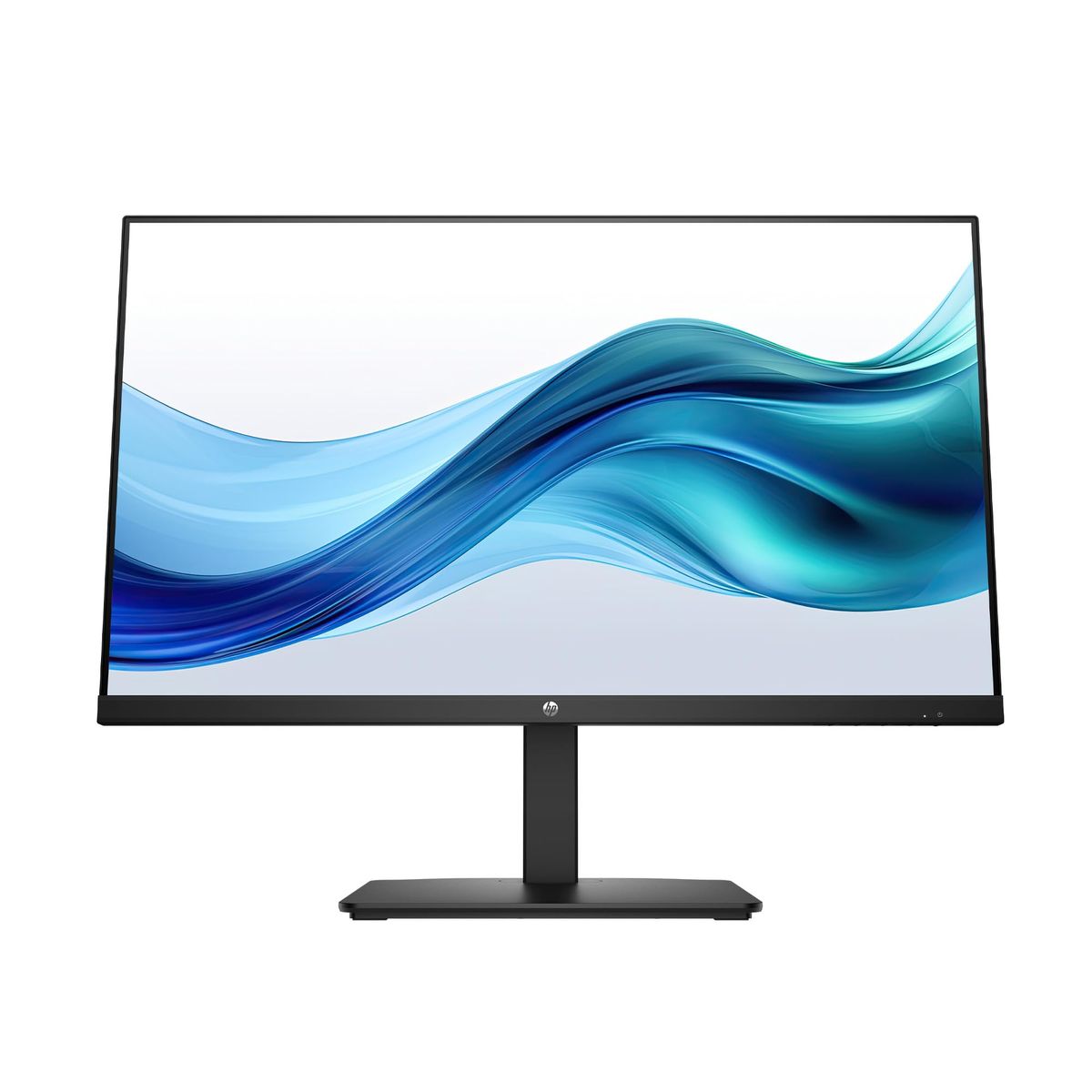
At a Glance
- Price range
- $70 – $290
- Budget pick
- Sceptre 24-inch Curved ($79.97 · 4.6★)
- Data
- 74,057 verified reviews across 6 finalists
- Best for
- most home officesbudget-conscious buyerslarge screen multitaskers4K professionals
- Skip if
- You need a gaming monitor with high refresh rates and low response times
Types Explained
Standard 1080p IPS
Full HD resolution with IPS panel for wide viewing angles and accurate colors.
- Affordable
- Good for everyday tasks
- Eye care features often included
- Lower pixel density
- Not ideal for creative work
Best for: General office work, browsing, and document editing
Example: HP 327se 27-inch ($178)
Curved 1080p
Curved screens for immersive viewing, usually VA or IPS.
- Immersive experience
- Often higher refresh rates
- Same 1080p resolution can look less sharp on larger sizes
- May cause reflections
Best for: Users who want a more engaging display for media and multitasking
Example: Sceptre 27-inch 100Hz ($98)
4K UHD
Ultra HD resolution for maximum detail and screen real estate.
- Crisp text
- Ideal for spreadsheets, coding, and creative work
- Future-proof
- Higher cost
- Scaling can be tricky on smaller screens
- May need more GPU power
Best for: Professionals who work with high-res content and need multitasking space
Example: Samsung 32-inch 4K ($289)
What Actually Matters
| Factor | Importance | Best brand |
|---|---|---|
Resolution vs Screen Size For 27-inch and above, consider 1440p or 4K for sharp text; 1080p is fine under 24 inches Many users overbuy resolution for small screens. | Must-have | Dell, Samsung |
Panel Type (IPS vs VA) IPS for color accuracy and wider viewing angles; VA for better contrast VA panels can have faster response times but narrower viewing angles. | Must-have | LG, ViewSonic |
Refresh Rate 60Hz is sufficient for office tasks; 100Hz+ offers smoother scrolling Higher refresh rates are mainly for gaming; for office, 60Hz is fine. | Nice-to-have | — |
Connectivity Ports At least HDMI and DisplayPort; USB-C with power delivery is a major plus USB-C PD reduces cable clutter and can charge your laptop. | Must-have | Dell, HP |
Ergonomic Adjustability Height adjustment, tilt, and pivot are worth the premium A good ergonomic stand can save you from buying a monitor arm. | Nice-to-have | Dell, HP |
Built-in Speakers Monitor speakers are typically tinny and low-volume; don't consider them a deciding factor. | Marketing BS | — |
Budget Tiers & Top Picks
What to buy at each price point — and exactly where spending more stops paying off.
Budget
$70 – $100Sceptre 24-inch Curved

Stop paying more: Diminishing returns above $100.
When to upgrade: If you need a larger screen or higher resolution, step up to the mid tier.
Mid
$100 – $200HP 327se 27-inch
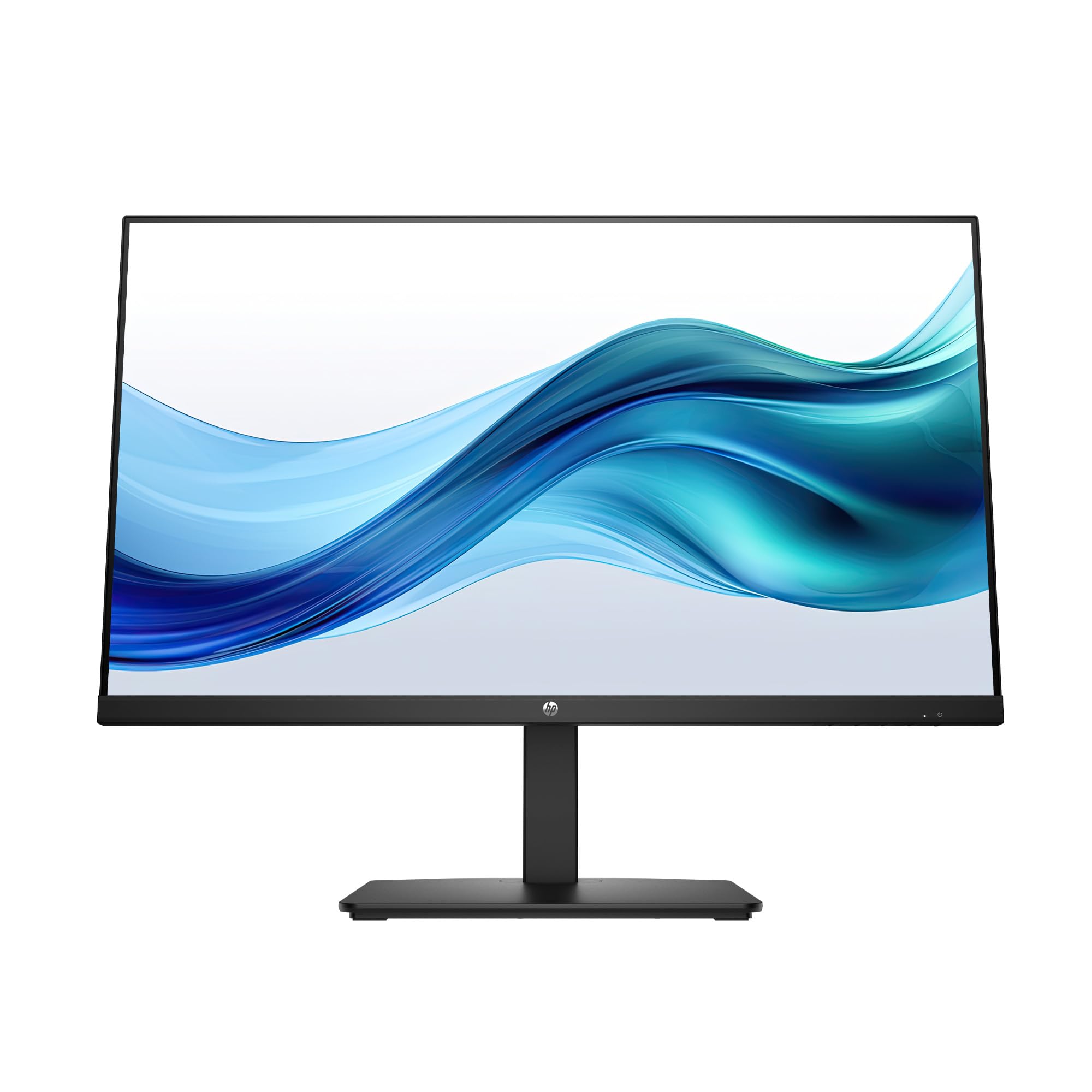
Stop paying more: Stop at $200; beyond that, you trade resolution for size or brand.
When to upgrade: If you need 4K or more screen real estate, consider the premium tier.
Premium
$200 – $300Samsung 32-inch 4K UHD

Stop paying more: At $289, this is the sweet spot for 4K; spending more gets you faster refresh or better ergonomics.
When to upgrade: If you want USB-C or ergonomic stand, look for models above $400.
Common Mistakes to Avoid
Buying 4K for a 24-inch screen
4K on a small screen is wasted; text scaling can be tricky and you pay extra.
Cost of getting it wrong: Paying $100+ more for no visible benefit.
Over-prioritizing refresh rate
For office work, 60Hz is sufficient; 100Hz+ only matters for smoother scrolling, not productivity.
Cost of getting it wrong: Paying premium for a feature you never use.
Ignoring ergonomics
A monitor without height adjustment forces you to use books or a stand, leading to neck strain.
Cost of getting it wrong: Spending $50-100 extra on a monitor arm later.
Relying on built-in speakers
Monitor speakers are often tinny and quiet; you'll need external speakers for clear video calls.
Cost of getting it wrong: Having to buy $30-50 speakers.
Find Your Match
What's your primary use for the monitor?
Frequently Asked Questions
What size monitor should I get for my home office?
24-inch is fine for small desks; 27-inch is the sweet spot for most users; 32-inch gives extra space but may require 1440p or 4K for sharp text.
Should I buy a 4K monitor for work?
Only if you have a large screen (27-inch or bigger) and need crisp text for coding or design.
Are curved monitors good for office work?
Curved screens can reduce eye movement and are immersive, but for spreadsheets and documents, flat IPS is more practical. Curved can cause glare in bright rooms.
What is the best budget monitor?
For a bit more, the Philips 22-inch at $70 is reliable, but smaller.
Which monitor has the best eye care?
HP's Eyesafe certified models and BenQ's low blue-light monitors are top. Look for TUV-certified flicker-free displays.
Is IPS or VA better for office work?
IPS offers wider viewing angles and better color accuracy, ideal for collaboration. VA has higher contrast but narrower angles; good for solo work.
How we wrote this guide
We analyzed 74,057 verified buyer reviews across 6 top-rated monitors, cross-referenced with expert verdicts from Wirecutter, RTINGS, Tom's Guide, and PCWorld, and scanned community discussions on r/Monitors and r/HomeOffice to find the best screens for your home office.
About this guide
Mubboo Editorial Team — independent US-market consumer research. Our picks reflect editorial consensus from 4 independent review sources and 74,057 verified buyer reviews.