How to Choose a Honey (2026 Guide)
Raw vs Processed, Manuka vs Wildflower – Find Your Perfect Jar
By Mubboo Editorial Team · Updated Jun 8, 2026 · 8 min read
At a Glance
- Price range
- $12 – $40
- Data
- 203,417 verified reviews analyzed across 6 leading honeys
- Best for
- Daily drizzle & bakingTea & beveragesWellness routinesBudget-conscious families
- Skip if
- You only use honey occasionally and a small jar lasts a year
Types Explained
Conventional Raw Honey
Pure, raw, unfiltered honey from blended varietals, processed only to improve pourability.
- Everyday value
- Large sizes available
- Balanced flavor for multiple uses
- Not certified organic
- Flavor may vary by batch
Best for: Most households for daily use, baking, and beverages
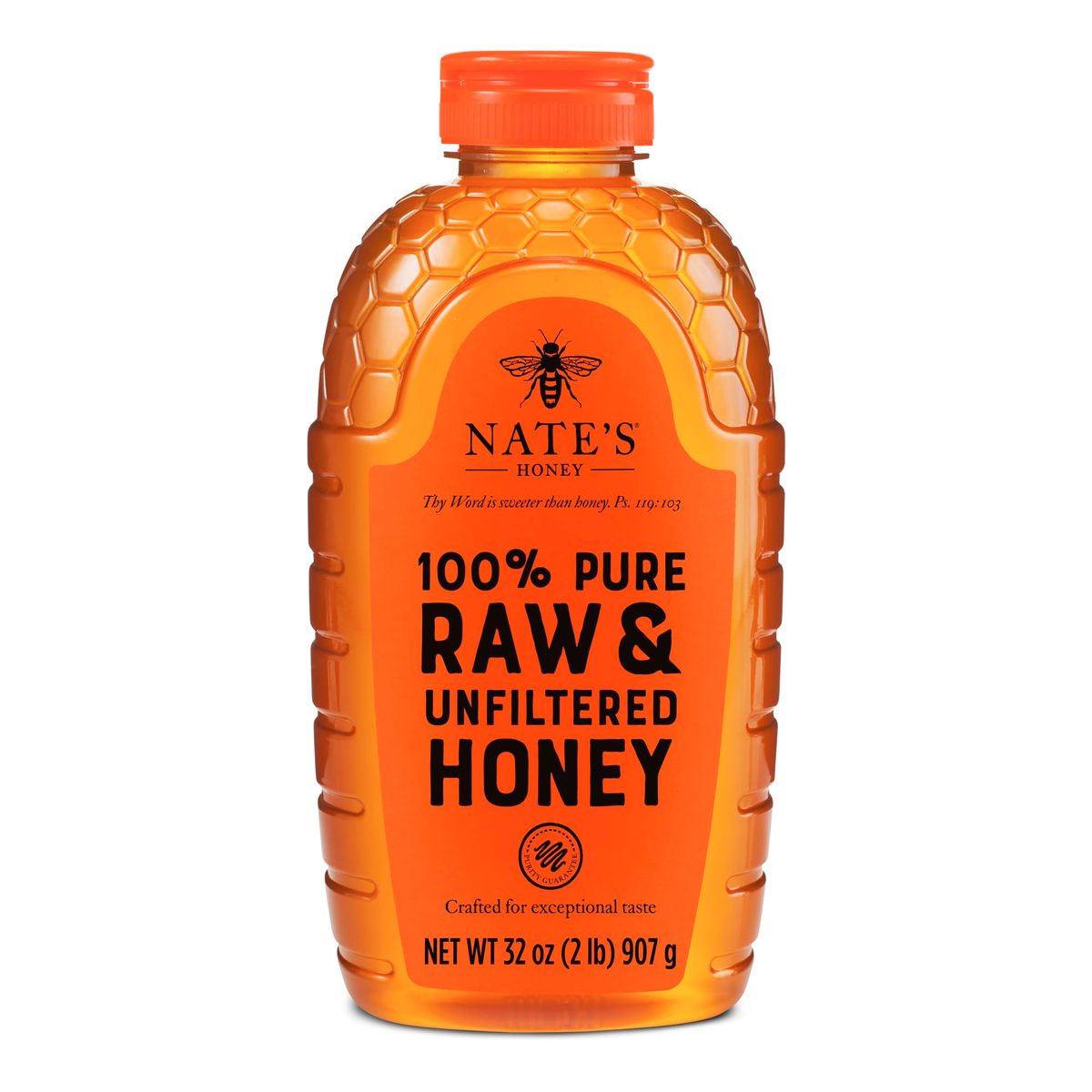
Example: Nate's 100% Pure Raw & Unfiltered (32oz) - $13.99
Organic Raw Honey
USDA-certified organic, ensuring bees forage on organically managed flora; typically smaller bottles.
- USDA organic guarantee
- Strict purity standards
- Environmentally conscious
- Smaller sizes
- Higher price per ounce
Best for: Those prioritizing organic certification
Example: Nate's Organic Raw & Unfiltered (16oz) - $8.99
Manuka Honey
Monofloral honey from the Manuka bush in New Zealand, graded by MGO/UMF for antibacterial potency.
- Potent antibacterial properties
- Traceable to source
- Supports immune health
- Expensive
- Small jars
- Potency varies
Best for: Wellness applications, sore throats, skincare
Example: Manuka Health UMF 10+ MGO 263+ (8.8oz) - $29.49
What Actually Matters
| Factor | Importance | Best brand |
|---|---|---|
Raw & Unfiltered Look for 'raw' and 'unfiltered' on label; avoid ultra-pasteurized. Raw honey retains enzymes and pollen; pasteurized honey is stripped of these beneficial compounds. | Must-have | Nate's (consistent purity) |
Organic Certification USDA Organic seal; not essential for purity unless you prioritize organic agriculture. If organic matters to you, Nate’s Organic offers the most trusted organic line with high buyer satisfaction. | Nice-to-have | Nate's Organic |
MGO/UMF Rating (for Manuka) MGO 100+ for daily wellness, 400+ for therapeutic use. The MGO number directly measures antibacterial methylglyoxal; higher is stronger. UMF combines additional purity tests but can be inconsistent. | Must-have | Manuka Health (UMF certified) |
Price per Ounce Under $0.50/oz for daily honey, +/oz for Manuka. For everyday use, a 32oz bottle –14 offers the best economic sense. | Must-have | Amazon Grocery (best value raw) |
Blended Varietals vs Single-Origin Single-origin offers distinct terroir; blended ensures consistent taste. If you love exploring flavor nuances, single-origin honey is worth the premium. For daily drizzling, a consistent blend wins. | Nice-to-have | Manukora (single-origin Manuka) |
Superfood Claims & Healing Miracles Manuka is not a cure-all. True Food TV notes that its benefits are mainly topical, not internal. No honey transforms health with a spoonful a day. Save your money for a balanced diet. | Marketing BS | — |
Budget Tiers & Top Picks
What to buy at each price point — and exactly where spending more stops paying off.
Budget
$9 – $14Amazon Grocery Raw Wildflower Honey (2lb)

Stop paying more: At ~$13 for 2lb, you’ve hit the ceiling for budget raw honey; spending more doesn’t get you significantly purer honey.
When to upgrade: If you need organic certification or a more consistent flavor, step up to a branded raw honey like Nate’s around $14.
Mid-Range
$13 – $20Nate's 100% Pure Raw & Unfiltered Honey (32oz)

Stop paying more: At around $14 for 32oz of Nate’s, you’re getting the best overall value for quality raw honey. Spending more on raw honey beyond this just gets you smaller artisanal jars.
When to upgrade: If you’re curious about Manuka’s potential health perks, the entry-level MGO 50+ from Manukora at $13 is an affordable start.
Premium
$25 – $45Manuka Health UMF 10+/MGO 263+ Manuka Honey (8.8oz)

Stop paying more: Beyond MGO 400+ ($40+) the incremental antibacterial benefit tapers off for most users. For topical uses, MGO 263+ is already effective.
When to upgrade: For serious therapeutic applications like wound care, consider the high-grade UMF 13+ MGO 400+ at $40.
Common Mistakes to Avoid
Buying ultra-pasteurized honey
Heat-treated honey loses its natural enzymes and subtle floral notes, leaving a one-note sweetener.
Cost of getting it wrong: You’re paying for a product no better than corn syrup.
Assuming all Manuka is equal
Low MGO (<100) Manuka has minimal antibacterial activity, yet sellers may brand it as ‘superfood’. Check the MGO number.
Cost of getting it wrong: Spending on a jar of MGO 50+ when you needed MGO 200+ for sore throat relief is wasted money.
Ignoring price per ounce
A small 8oz jar can cost as much per ounce as a 32oz bottle, often with the same raw unfiltered quality.
Cost of getting it wrong: You could pay double for the same honey if you don’t compare unit prices.
Falling for 'pure' claims on blended honey with added sugars
Some brands cut honey with corn syrup or rice syrup while labeling it 'pure'. Stick to trusted brands with verified purity testing.
Cost of getting it wrong: You get an inferior, diluted product that lacks the natural complexity of real honey.
Find Your Match
What's your primary use for honey?
Frequently Asked Questions
Is raw honey better than regular honey?
Yes, raw honey retains natural enzymes, pollen, and complex flavors that are destroyed during pasteurization. Regular honey is often heated to high temperatures, making it clearer and runnier but nutritionally similar to sugar syrup. For health benefits and taste, choose raw and unfiltered.
How much should I spend on honey?
For everyday raw honey, $12–$15 buys a large 32oz bottle of high-quality product like Nate's or Amazon Grocery. If you want Manuka for wellness, gets you an entry-level MGO 50+; gets mid-grade MGO 263+. Spending over $40 on Manuka is only worth it for targeted therapeutic use.
What should I avoid when buying honey?
Avoid ultra-pasteurized honey, which is stripped of benefits. Skip any jar labeled 'honey blend' that might contain added syrups. Beware of Manuka with low MGO (under 100) sold as a superfood—check the MGO number for real potency. And compare price per ounce to avoid overpaying for small jars.
Does organic honey matter?
Organic certification (USDA Organic) ensures bees forage on organically managed plants and the honey is processed without synthetic chemicals. While not essential for purity—many non-organic raw honeys are excellent—it's a meaningful certification if you prioritize organic agriculture. Nate's Organic is a top choice.
What's the difference between Manuka and regular honey?
Manuka honey comes from the Manuka bush in New Zealand and contains high levels of methylglyoxal (MGO), a compound with antibacterial properties. Regular raw honey has general antimicrobial benefits but lacks the targeted potency of Manuka. Manuka is often used for sore throats, wound care, and skin health.
Can I use honey for baking?
Absolutely. Raw honey adds moisture and subtle floral notes to baked goods. For most recipes, any raw, unfiltered honey works well. Buckwheat honey’s dark, molasses-like flavor is excellent for savory dishes. Just note that high heat can degrade some delicate compounds, so consider drizzling it on finished dishes too.
How we wrote this guide
Our team analyzed 6 popular honeys across 203,000+ verified Amazon reviews, cross-referenced with insights from video reviews by True Food TV and America's Test Kitchen, and applied USDA, UMF, and industry purity standards. We focused on raw, unfiltered options with high ratings and transparent labeling, cutting any with added sugars or misleading claims.
About this guide
Mubboo Editorial Team. Picks based on 203,000+ verified reviews, video analysis, and industry certifications. Prices update weekly from Amazon.