How to Choose an Ice Pack (2026 Guide)
For injuries, lunches, or coolers — find the right reusable ice pack with expert guidance
By Mubboo Editorial Team · Updated Jun 8, 2026 · 7 min read
At a Glance
- Price range
- $7.98 – $29.99
- Data
- 349,000+ verified reviews across 6 finalists
- Best for
- Injury recoveryLunch packingCooler coolingPost-surgery swelling
- Skip if
- You need instant one-time cold packs for first aid kits.
Types Explained
Flexible Gel Ice Packs
Soft, pliable packs filled with gel that remain flexible when frozen, designed to contour to body parts for injury relief.
- Remains flexible at freezing temps
- Longer cold duration
- Reusable and durable
- More expensive than rigid packs
- May need straps for secure fit
- Thicker than lunch packs
Best for: Knee, elbow, shoulder, and post-surgical swelling
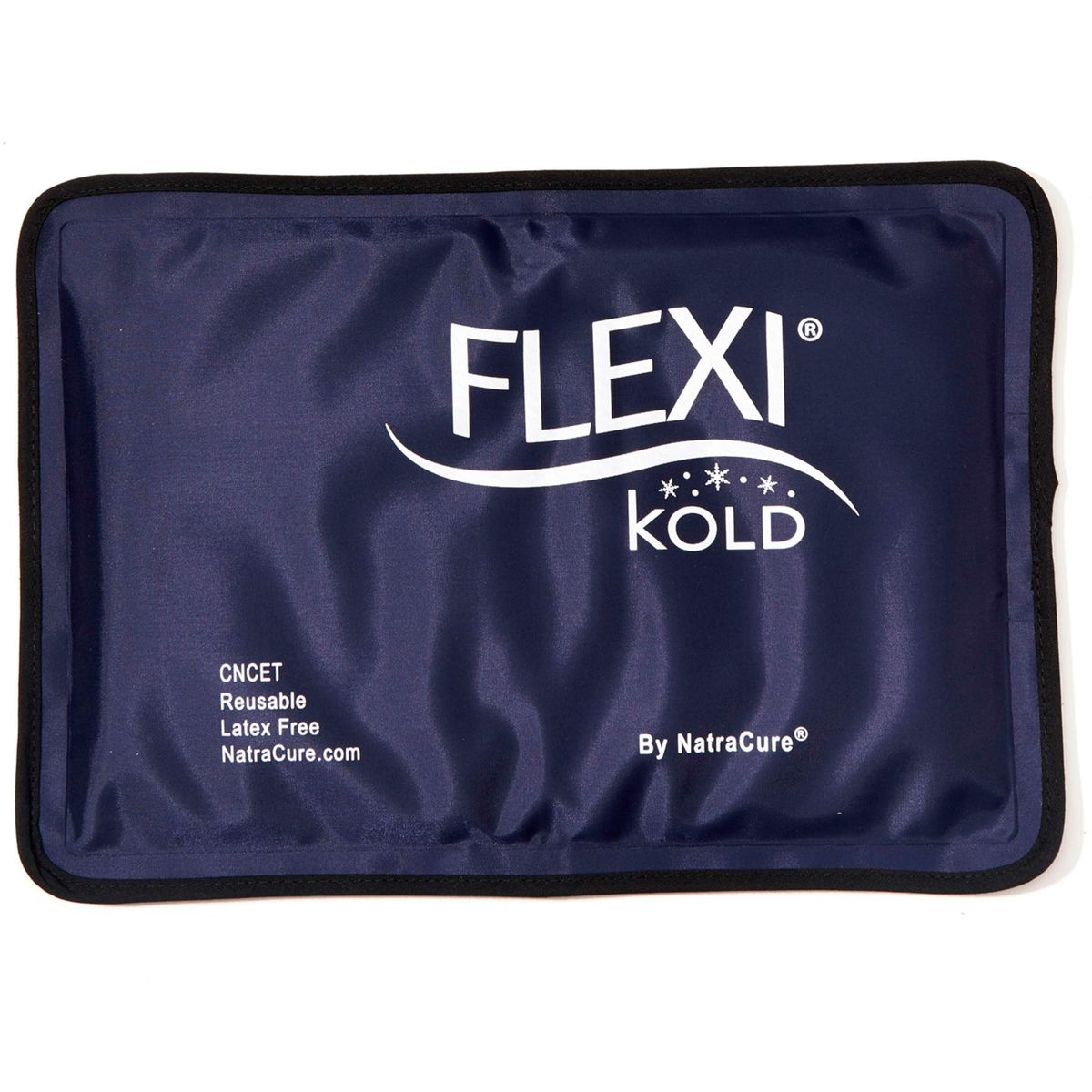
Example: FlexiKold Medium
Slim Lunch Box Ice Packs
Thin, rigid plastic packs designed to slip into lunch boxes or coolers without taking up much space.
- Ultra-slim profile fits any lunch bag
- Affordable multi-packs
- BPA-free, reusable
- Shorter cooling duration
- Not flexible for injury use
- Can sweat condensation
Best for: Daily lunch packing, picnics, small coolers
Example: Cool Coolers Slim 4-Pack
Large Cooler Ice Packs
Extra-large, thicker packs built to cool large insulated containers for extended outings.
- Covers more surface area in coolers
- Leak-resistant design
- Longer lasting in bulk
- Bulky to store in freezer
- Not body-conforming
- Heavier weight
Best for: Beach days, camping, tailgating
Example: Cool Coolers XL 4-Pack
What Actually Matters
| Factor | Importance | Best brand |
|---|---|---|
Flexibility Gel packs that remain pliable at 0°F Cheap gel packs freeze solid, limiting contact and comfort. | Must-have | NatraCure (FlexiKold) |
Cold Duration At least 2 hours of effective cooling Slim packs melt faster but are sufficient for lunch. | Must-have | Fit & Fresh (freezable designs) |
Size Matching 7-10 inches for average injury, 4-5 inches for lunch A wrong-size pack won't cover the target area fully. | Must-have | FlexiKold (medium and large sizes) |
Leak-Proof Construction Double-sealed seams and rugged nylon Even small leaks can degrade performance. | Nice-to-have | NatraCure |
Ease of Cleaning Hand-washable exterior Nylon covers are easy to wipe down. | Nice-to-have | All recommended brands |
Brand Name Markup Generic brands often use identical gel formulas at half the price; features, not logos, determine performance. | Marketing BS | — |
Budget Tiers & Top Picks
What to buy at each price point — and exactly where spending more stops paying off.
Under $10
$7.98 – $9.99Cool Coolers Slim Ice Packs (4-Pack)

Stop paying more: At $8, you get a set of four slim packs perfect for daily lunch prep. Spending more in this tier buys only marginal gains in cooling duration.
When to upgrade: If you need something that conforms to injuries and stays cold for 2+ hours, step up to a gel pack in the $14 range.
$10–$20
$13.99 – $17.99FlexiKold Gel Soft Flexible Ice Pack (Medium)

Stop paying more: The FlexiKold Medium at $14 is the sweet spot: flexible gel, double-sealed, and therapist-recommended. Spending more mainly gets you size increases or multi-packs.
When to upgrade: If you need a larger area cooled at once, the Large FlexiKold at $18 covers more real estate.
Over $20
$29.992 FlexiKold Gel Ice Packs (Large)

Stop paying more: At $30 for a 2-pack, you get the largest gel pack available and a backup. Diminishing returns kick in above $30 for basic ice packs; any more and you're paying for specialized straps or heated functions you may not use.
When to upgrade: For all-day cooling in giant coolers, consider a hard-sided cooler with wheels at a higher price point.
Common Mistakes to Avoid
Buying a pack that's too small for the injury
A 4-inch lunch pack can't cover a swollen knee; you need at least a 10-inch flexible gel pack for full coverage.
Cost of getting it wrong: Pain persists longer, and you may end up buying a second, larger pack anyway — wasting or more.
Using instant cold packs for recurring injuries
Single-use packs are convenient but costly over time and don't contour.
Cost of getting it wrong: If you ice daily, reusable packs pay for themselves in under a month versus buying instant packs each time.
Ignoring flexibility in gel packs
Rigid packs don't mold to knees, elbows, or ankles, reducing contact and effectiveness.
Cost of getting it wrong: Less effective therapy means slower recovery and potential need for additional medical visits.
Overlooking condensation and leaks
Cheap packs may sweat heavily, soaking bandages, or leak gel that ruins food.
Cost of getting it wrong: Ruined bandages, soggy lunches, and messy cleanup — preventable by choosing double-sealed packs.
Find Your Match
What will you use the ice pack for?
Frequently Asked Questions
What's the difference between gel and instant ice packs?
Gel packs are reusable, flexible, and stay cold longer, making them ideal for recurring injuries. Instant packs are single-use, require squeezing to activate, and become rigid — better suited for emergencies or travel.
How long should an ice pack stay cold?
A good reusable gel pack remains cold for 2–4 hours depending on ambient temperature and size. Slim packs for lunches typically last 2–3 hours in an insulated bag, while larger packs may last up to 4 hours. Replace packs that melt in under 1 hour.
Can I use a lunch box ice pack for injuries?
Lunch box packs are usually small, rigid, and not designed to contour. While they can provide temporary relief for minor bumps, they won’t cover a joint effectively. For anything more than a quick skin cool-down, invest in a flexible gel pack that stays pliable.
What size ice pack do I need for my knee?
A knee requires at least a medium (7–10 inch) flexible gel pack to wrap around the joint. A large pack (10–14 inches) offers better coverage for the entire knee and surrounding area. Always choose a pack that completely covers the swollen region.
How do I clean and store reusable ice packs?
Wipe nylon covers with a damp cloth after each use; hand wash plastic packs with mild soap. Dry thoroughly before storing in the freezer in a sealed bag to prevent odor absorption. Avoid microwaving or exposing to extreme heat, as it can degrade the gel.
How we wrote this guide
We analyzed 349,000+ verified reviews across 6 top ice pack brands. Expert publications like Wirecutter and CNET have covered cooling products extensively, but for everyday ice packs, we leaned on verified buyer feedback and product specifications. Online communities underscore the importance of durable, leak-proof designs — a theme validated across thousands of ratings.
About this guide
Mubboo Editorial Team. Picks reflect editorial consensus from thousands of verified buyer reviews and product specifications. Prices update weekly from Amazon.