How to Choose an Impact Driver (2026 Guide)
From driving deck screws to removing rusted bolts, find the right impact driver for your projects
By Mubboo Editorial Team · Updated Jun 9, 2026 · 7 min read
At a Glance
- Price range
- $28 – $220
- Data
- 28,064 verified reviews across 6 finalists
- Best for
- Driving deck screws and lag boltsRemoving rusted or stuck fastenersTightening large bolts in automotive repairs
- Skip if
- You need a drill for drilling holes — this guide is for impact drivers only.
Types Explained
Cordless Brushless Impact Driver
Battery-powered drivers with a brushless motor, delivering high torque and efficient runtime.
- High torque (1,500+ in-lbs)
- Fast driving speed up to 3,400 RPM
- Multiple speed settings for precision
- Requires battery investment
- Can be heavy around 2-5.3 lbs
Best for: Heavy-duty fastening, deck building, professional use
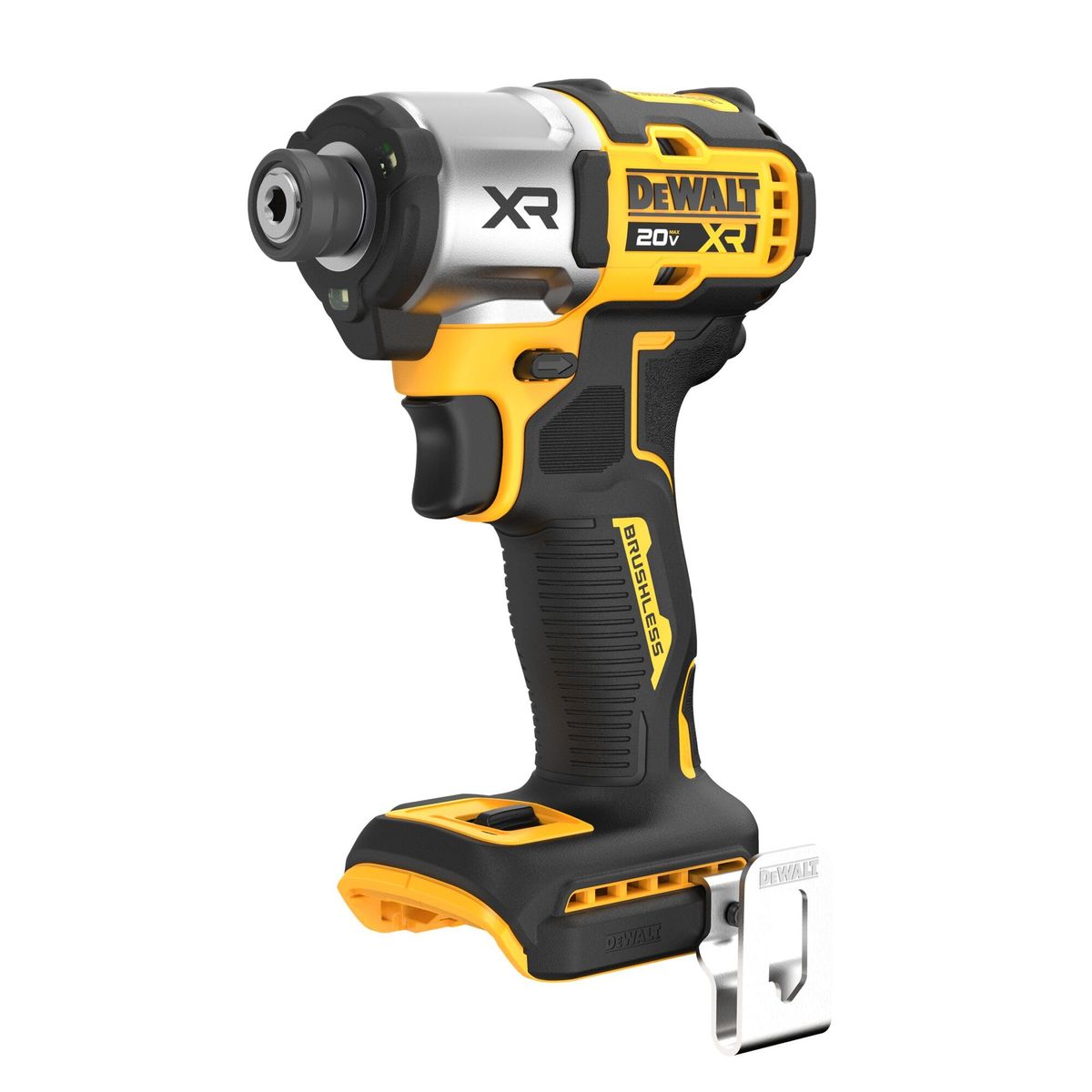
Example: DEWALT 20V MAX XR DCF845B
Compact Impact Driver
Shorter, lighter impact drivers designed to fit in tight spaces like cabinets or engine bays.
- Compact size under 5.5 inches
- Still delivers 1,700+ in-lbs torque
- Lightweight at 2.14 lbs
- Slightly less torque than full-size
- May lack high-end speed settings
Best for: Working in cramped areas, overhead fastening
Example: DEWALT ATOMIC DCF809B
Manual Impact Driver
Hand-operated tool that multiplies force when struck with a hammer to break loose frozen fasteners.
- No batteries needed
- Compact and portable
- Delivers high breakaway torque (200 ft-lbs)
- Requires a hammer
- Slow for driving screws
Best for: Freeing rusted or seized bolts, occasional automotive use
Example: CRAFTSMAN Hand Impact Driver 3/8-Inch Set
What Actually Matters
| Factor | Importance | Best brand |
|---|---|---|
Max Torque ≥1,500 in-lbs for heavy fastening More torque drives larger screws and lag bolts with ease; below 1,500 in-lbs may struggle with thick stock. | Must-have | DEWALT (1,825 in-lbs) |
Battery Compatibility Stick with one brand platform If you already own DEWALT or Milwaukee batteries, buying a compatible bare tool saves $50-$100. Mixing brands means buying multiple chargers. | Nice-to-have | DEWALT, Milwaukee |
Speed Settings Look for at least 3 speeds Multi‑speed drivers let you dial down power for delicate materials and prevent stripping. Single‑speed drivers often overdrive screws. | Must-have | Milwaukee (4 modes) |
LED Work Light 3+ LEDs for a shadow‑free workspace In dark cabinets or engine bays, a bright LED makes fastening much easier. Not critical for well‑lit workshops. | Nice-to-have | DEWALT (3‑LED ring) |
Brand Premium Paying 30% more for a yellow or red badge doesn't always mean better performance. Generic brands like Ryobi or Ridgid often compete on specs at a lower price. | Marketing BS | — |
Budget Tiers & Top Picks
What to buy at each price point — and exactly where spending more stops paying off.
Budget
Under $50CRAFTSMAN Hand Impact Driver CMMT14104

Stop paying more: Stop at $50. Above this, cordless impact drivers from DEWALT or Ryobi offer far more speed and convenience.
When to upgrade: Need power for deck building or daily use? Step up to the mid‑range DEWALT XR.
Mid‑Range
$120 – $200DEWALT 20V MAX XR Impact Driver DCF845B
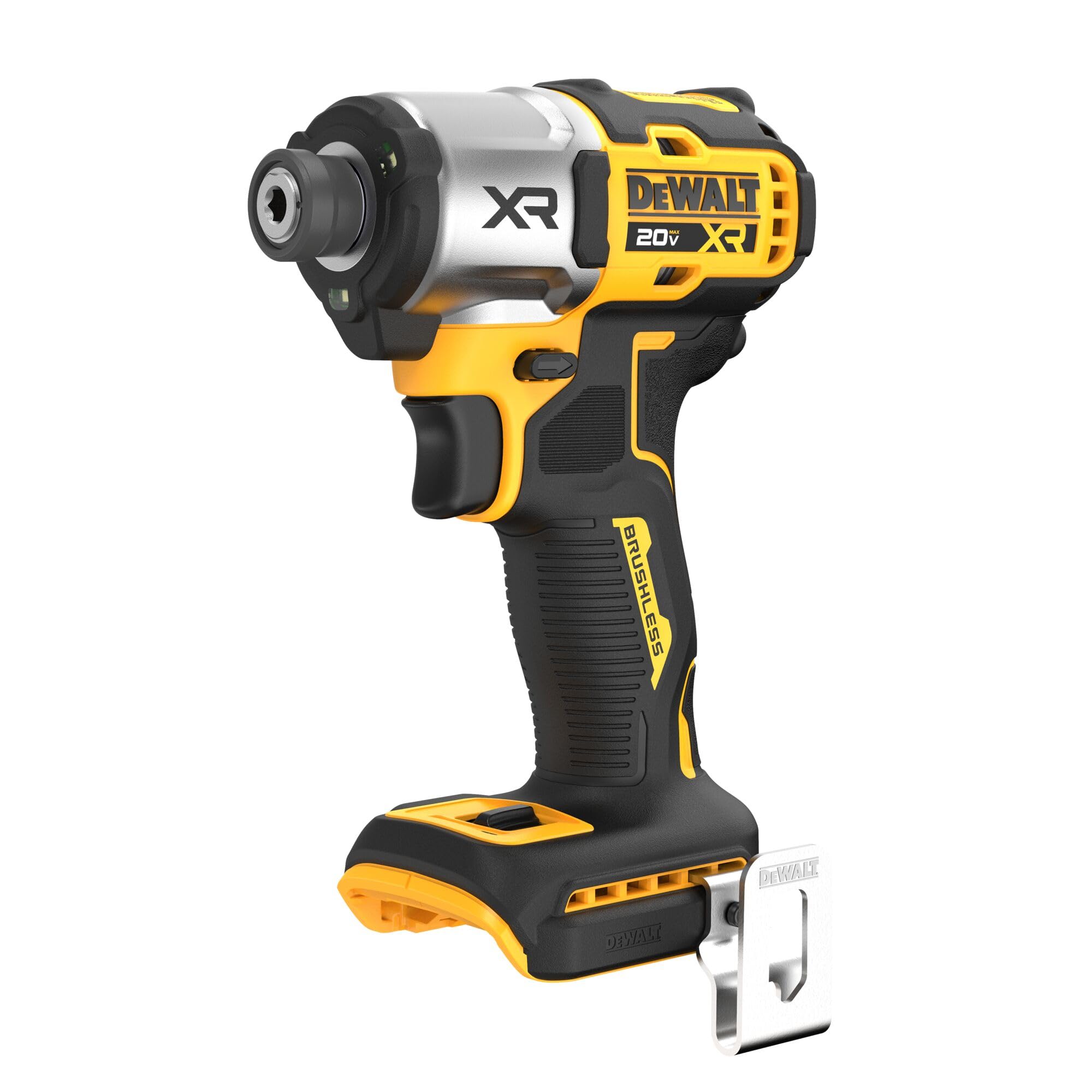
Stop paying more: The DEWALT XR delivers pro‑level torque and control at a fair price — spending more only adds battery convenience or a different brand.
When to upgrade: For a complete kit with a 5.0Ah battery, the premium DEWALT DCF845P1 is the next step.
Premium
$200 – $220DEWALT 20V MAX Impact Driver Kit DCF845P1
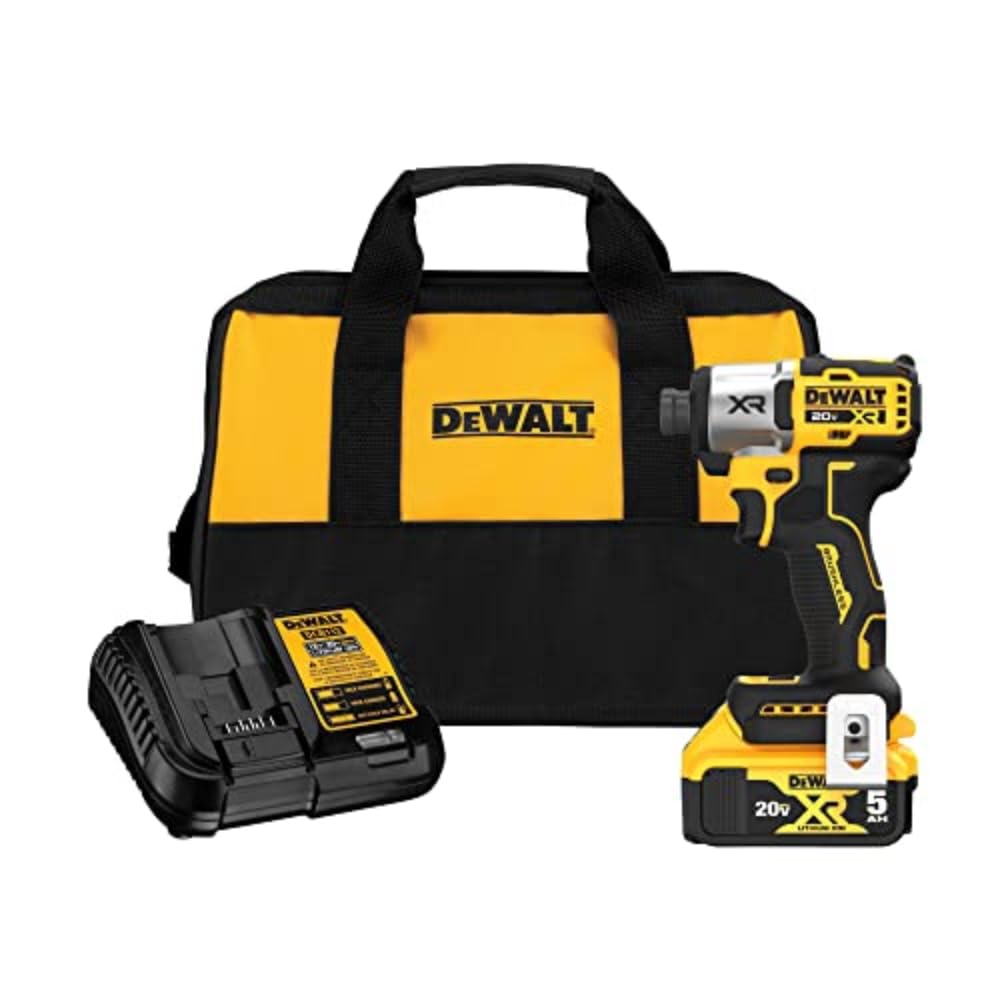
Stop paying more: At $219 you get the top‑rated driver and a high‑capacity battery. Diminishing returns set in beyond this unless you need Milwaukee’s 4‑mode control or an even larger ecosystem.
When to upgrade: Consider the Milwaukee M18 2853‑20 if you want more advanced speed modes and a compact design for tight work.
Common Mistakes to Avoid
Confusing impact drivers with impact wrenches
Impact drivers use a 1/4‑inch hex chuck for driver bits; impact wrenches use a 1/2‑inch square drive for sockets. Using a wrench to drive screws strips threads and damages materials.
Cost of getting it wrong: Buying the wrong tool can ruin fasteners and require a return — wasting time and money.
Buying tool‑only without checking battery compatibility
Many mid‑range drivers are sold bare. If you don’t have a matching battery, you’ll need to spend $50–$100 extra on a starter kit.
Cost of getting it wrong: Unexpected battery purchase defeats the initial savings of a bare‑tool price.
Ignoring speed settings for delicate materials
Driving hardwood screws or assembling furniture with a single‑speed driver often over‑tightens and strips the material. Multi‑speed drivers let you dial down the RPM for precision.
Cost of getting it wrong: Damaged fasteners and stripped screw heads mean rework and frustration.
Overlooking size for tight spaces
Standard drivers can be over 6 inches long, making them awkward in cabinets or engine bays. Compact models are under 5 inches and fit where full‑size tools can’t.
Cost of getting it wrong: You may end up buying a second, shorter tool + to access tight areas.
Find Your Match
What's your primary use?
Frequently Asked Questions
How much should I spend on an impact driver?
You can get a reliable impact driver for under $30 if you choose a manual model for occasional bolt‑breaking. For cordless convenience, expect to spend $120–$220. Most users will be satisfied in the $129 range with a DEWALT XR, which balances power and price. Spending above adds extra batteries or a higher‑spec brand like Milwaukee.
What should I avoid when buying an impact driver?
Avoid confusing impact drivers with impact wrenches — they use different chucks. Never buy a bare tool unless you already own compatible batteries. Steer clear of single‑speed models if you work with delicate materials, and be wary of overspending on brand names when a generic alternative may perform just as well.
Is a manual impact driver enough for my needs?
If you only occasionally need to break loose a stuck bolt or rusted screw, a manual impact driver is perfect and costs under $30. For regular driving of deck screws or large fasteners, a cordless model will save you significant time and effort.
How do I decide between DEWALT and Milwaukee?
DEWALT offers excellent value with high torque and a huge range of tools on the 20V MAX platform. Milwaukee excels in compact design and advanced speed control (4 modes) but often costs more. If you already own batteries from one brand, stick with that ecosystem to avoid buying extra chargers.
What's the difference between an impact driver and a drill?
Impact drivers deliver rotational impacts (concussive force) for driving screws and bolts with less wrist strain. They're not ideal for drilling precise holes. A drill provides steady rotation for drilling into wood, metal, or masonry, and often includes a clutch to avoid over‑driving screws.
Can I use my impact driver for automotive work?
Yes, impact drivers are great for removing many fasteners in an engine bay, especially with a 1/4‑inch hex to socket adapter. For lug nuts or stubborn bolts, an impact wrench with higher breakaway torque is better. Compact drivers like the DEWALT Atomic fit tight spaces well.
How many speed settings do I need?
Three speeds are sufficient for most users — low for delicate work, medium for general fastening, and high for maximum torque. Advanced users who switch between materials frequently may appreciate Milwaukee's 4‑mode control, which includes a self‑tapping screw mode to prevent stripping.
How we wrote this guide
We analyzed 28,064 verified Amazon reviews across 6 finalists and cross‑referenced with leading expert reviews and manufacturer specs. Prices update weekly from Amazon. Our methodology focuses on torque, size, speed control, and real‑world feedback to recommend drivers that actually perform.
About this guide
Mubboo Editorial Team. Research based on 28,064 verified buyer reviews and expert evaluations. Prices update weekly from Amazon. Picks are editorial, not influenced by commissions.