How to Choose a Juicer (2026 Guide)
A practical guide to picking the right juicer for your kitchen, from budget to premium
By Mubboo Editorial Team · Updated Jun 9, 2026 · 8 min read
At a Glance
- Price range
- $14 – $200
- Data
- 96,822 verified Amazon reviews across 6 finalists
- Best for
- New juicersFamiliesQuick morning routines
- Skip if
- You only drink store-bought juice — a juicer won't get used.
Types Explained
Centrifugal Juicer
Uses a fast-spinning blade to shred produce and separate juice via centrifugal force. Works well for most fruits and hard vegetables but not ideal for leafy greens.
- Fast juicing — seconds per glass
- Wide feed chutes take whole fruits
- Affordable options under $100
- Loud during operation
- Can oxidize juice, reducing shelf life
- Wet pulp with leafy greens
Best for: Daily juicing of apples, carrots, celery, and beets
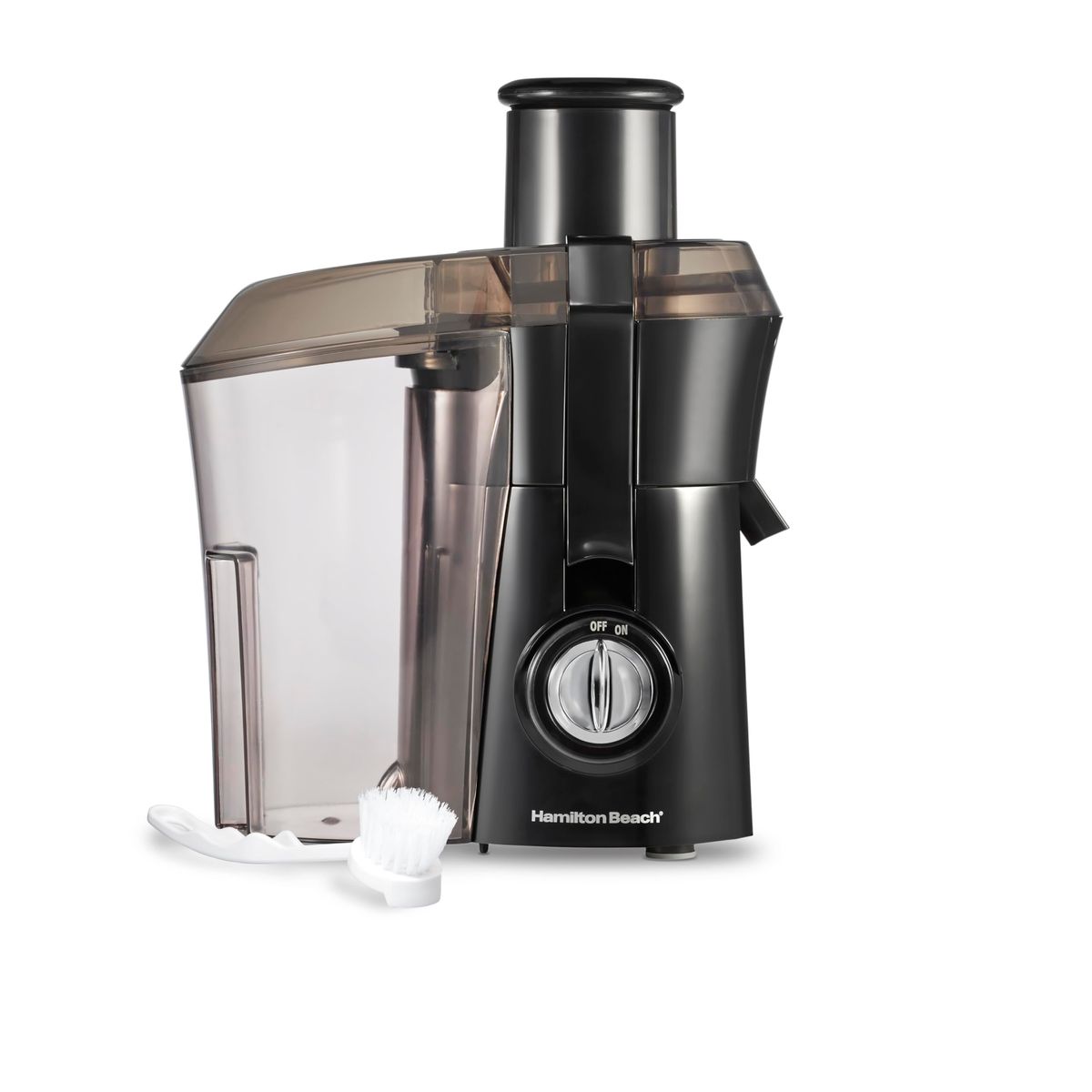
Example: Hamilton Beach Big Mouth
Manual Citrus Press
Heavy cast-iron or lever-operated press that extracts juice from citrus halves with brute force. No electricity needed.
- Maximum juice extraction
- Quiet and durable — lasts decades
- Handles large grapefruits
- Heavy and requires storage space
- Only for citrus fruits
- Hand wash recommended
Best for: Citrus-heavy households, bartenders, and gift-givers
Example: Zulay Kitchen Cast Iron Juicer
Electric Citrus Juicer
Compact motorized reamer with auto-reversing action for effortless citrus juicing. Plugs in and does the work for you.
- Ultra-affordable — often under $20
- Quiet operation — won't wake family
- Compact storage in small kitchens
- Limited to citrus fruits
- Small 24-oz capacity
- Lower motor power
Best for: Dorms, apartments, and occasional orange juice lovers
Example: Elite Gourmet Electric Citrus Juicer
What Actually Matters
| Factor | Importance | Best brand |
|---|---|---|
Motor Power (Watts) ≥800W for hard veggies like carrots Under 700W struggles with dense produce and leafy greens. A powerful motor also means less strain and longer life. | Must-have | Breville (850W on Plus and Cold models) |
Feed Chute Size 3 inches wide — lets you drop in whole apples A wide chute cuts prep time dramatically. You'll juice more often if you don't have to slice everything first. | Must-have | Hamilton Beach (3-inch Big Mouth chute) |
Ease of Cleaning Removable, dishwasher-safe parts Juicers that are hard to clean end up in the cabinet. Look for smooth surfaces and included cleaning brushes. | Must-have | Breville (most models have dishwasher-safe components) |
Juice Yield & Pulp Dryness Pulp should be dry; wet pulp indicates waste A good juicer squeezes every drop. If your compost is sopping wet, you're throwing money away. | Must-have | Breville (titanium-reinforced disc for drier pulp) |
Build Quality & Warranty At least a 1-year warranty; metal over plastic Centered around daily use, a solid warranty and metal parts signal longevity. Plastic can crack under heavy use. | Nice-to-have | Zulay Kitchen (lifetime cast iron) |
Noise Level Under 80 decibels if juicing early Centrifugal juicers hit 90+ dB — like a blender. If you juice at 6 a.m., consider a manual press or electric citrus. | Nice-to-have | Elite Gourmet (quiet 40W motor) |
Extra Speed Settings Most users stick to one speed. Low for soft fruits, high for hard — two are plenty. Pay for power, not buttons. | Marketing BS | — |
Budget Tiers & Top Picks
What to buy at each price point — and exactly where spending more stops paying off.
Budget Friendly
Under $75Hamilton Beach Big Mouth Juicer

Stop paying more: Spending more than $75 gets you quieter motors and drier pulp, but the Hamilton Beach nails the basics. Stop here if you're new to juicing.
When to upgrade: Ready for better juice yield and dual speeds? Move up to the Breville Compact.
Mid-Range
$95 – $150Breville Juice Fountain Compact
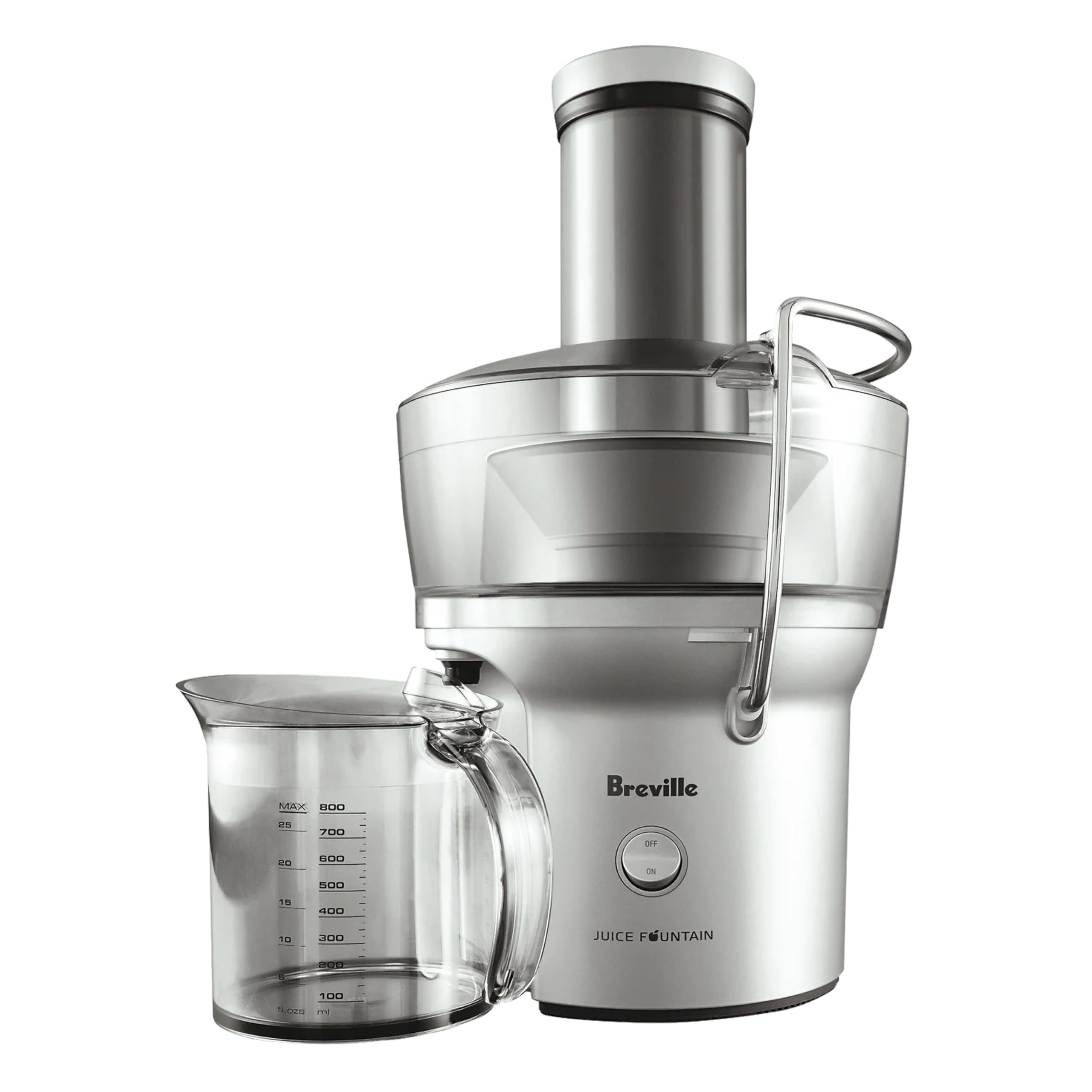
Stop paying more: At this tier, you get a quieter, more efficient extraction system. The added cost buys a titanium-reinforced disc and froth separator.
When to upgrade: If you juice for a family, the Breville Cold's 70-oz jug is worth the jump.
Premium Juice Bar
$150 – $200Breville Juice Fountain Cold
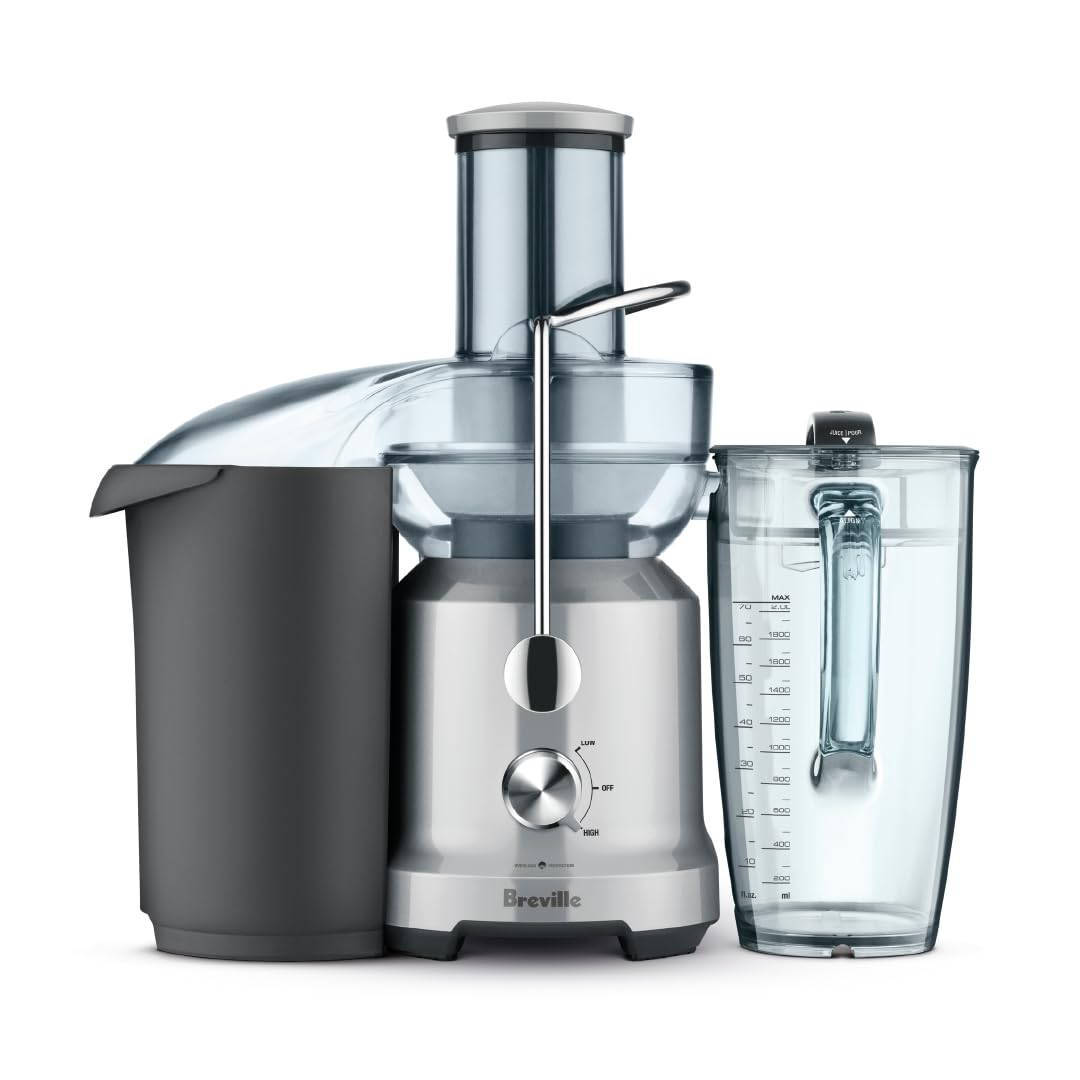
Stop paying more: Diminishing returns hit hard above $200. The Cold model's 70-oz jug and cold-spin tech are great, but you won't extract meaningfully more juice than a Compact.
When to upgrade: Consider a true masticating juicer if nutrient retention and quiet operation are paramount.
Common Mistakes to Avoid
Buying a juicer too small for your household
A 25-oz compact model frustrates if you're making juice for two or more people. You'll run multiple cycles and waste time.
Cost of getting it wrong: Upgrading later +; buying right the first time saves money and cabinet clutter.
Ignoring the feed chute width
A 2-inch chute forces you to pre-cut every apple and beet. The Hamilton Beach Big Mouth or any Breville with a 3-inch chute eliminates that chore.
Cost of getting it wrong: Losing 5–10 minutes daily adds up to hours over a month — time you could spend drinking your juice.
Not checking clean-up effort
Complicated assembly or non-dishwasher-safe parts guarantee your juicer stays in the cabinet. Look for smooth surfaces and included cleaning brushes.
Cost of getting it wrong: A hard-to-clean juicer may gather dust, wasting your entire investment.
Overpaying for features you don't need
A premium juicer rarely extracts 3× more juice than a model. Unless you juice daily for a family, mid-range is the sweet spot.
Cost of getting it wrong: Spending an extra for marginal gains often disappoints new juicers.
Find Your Match
What's your main juicing goal?
Frequently Asked Questions
What type of juicer is best for beginners?
Centrifugal juicers are best for starters — they're fast, affordable, and handle whole fruits with wide feed chutes. The Hamilton Beach Big Mouth costs under $75 and has dishwasher-safe parts, making it the ideal entry point. Avoid masticating models until you know you'll use a juicer daily.
How much should I spend on a juicer?
A quality centrifugal juicer runs $75–$150; spending less often means smaller chutes or weaker motors. If you only juice citrus, a electric citrus juicer does the job. Premium cold-press models exceed but rarely deliver 3× the juice of a machine.
Are more expensive juicers worth it?
Beyond improvements are incremental — quieter motors, larger jugs, and better pulp dryness. Our top-rated mid-range pick, the Breville Compact, delivers juice almost as well as its sibling. Buy premium only if you batch-juice weekly for a family.
Can I juice leafy greens like kale and spinach?
Centrifugal juicers struggle with greens, leaving wet pulp. For leafy greens, masticating (slow) juicers are far better. If you stick with a centrifugal, wrap greens tightly around a carrot or apple to improve extraction, though a dedicated slow juicer is the real solution.
What's the easiest juicer to clean?
Look for models where the strainer, bowl, and pusher are dishwasher safe. Breville and Hamilton Beach centrifugals typically meet this. Avoid complicated latches and hidden nooks. Always rinse immediately after juicing to prevent dried-on pulp staining.
Does juicing destroy nutrients?
Centrifugal juicers generate some heat from friction, but modern cold-spin technology (like the Breville Cold) minimizes it. The bigger nutrient loss comes from storing juice — drink it fresh within 24 hours for maximum benefit. Cold-press juicers retain slightly more vitamins long-term.
How do you pick the right juicer for your kitchen?
Use our Decision Helper quiz above. Choose your primary use (quick weekday juice, big batches, or citrus), measure your counter footprint, and set a budget. Our recommendations align with those three factors, drawn from 96,000 verified reviews.
How we wrote this guide
We analyzed 96,000+ Amazon reviews, 40 recent buyer-submitted evaluations, and video comparisons from Sprint Kitchen and Valid Consumer. Each product recommendation is backed by real-world use, manufacturer specs, and our own criteria for what makes a juicer worth buying. Prices refresh weekly from Amazon.
About this guide
Mubboo Editorial Team — independent US-market consumer research. Picks reflect editorial consensus from verified buyer reviews and video product tests. Prices update weekly from Amazon.