Jump Starter Buying Guide 2026: How to Choose Without Overpaying
What to look for in peak amps, safety certifications, and portability
By Mubboo Editorial Team · Updated May 27, 2026 · 10 min read
At a Glance
- Price range
- $35 – $200
- Top pick
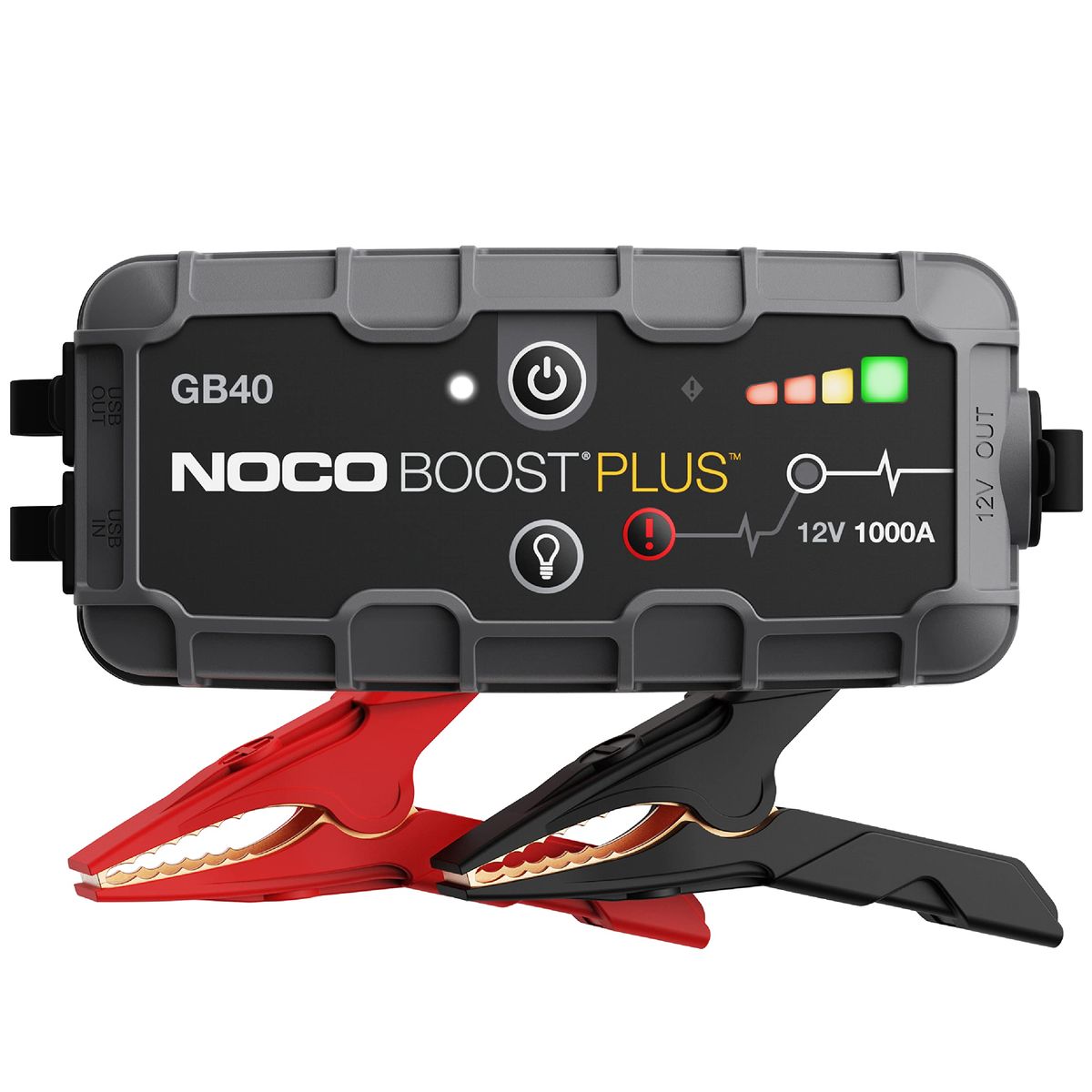
- NOCO Boost GB40 ($99.95 · 4.6★)
- Data
- 190,857 verified reviews across 6 finalists
- Best for
- Everyday drivers with 4-cylinder enginesSUV owners needing extra powerBudget-conscious buyers
- Skip if
- You drive a large diesel truck and need 4000A+ consistently
Types Explained
Standard Lithium Jump Starters
Compact, lightweight units with 1000-1500 peak amps, ideal for most passenger cars and small SUVs.
- Lightweight and portable
- Often include USB power bank and flashlight
- Safety certifications common
- May not start large V8 or diesel engines
- Limited number of jumps per charge
Best for: Daily drivers and emergency kits
Example: NOCO Boost GB40 ($99.95)
High-Power Lithium Jump Starters
Units with 2000-4000 peak amps, designed for trucks, SUVs, and larger engines.
- Can start V8 and diesel engines
- Often include advanced features like LCD display
- Heavier and bulkier
- Higher price
Best for: Owners of large vehicles or those needing extra starting power
Example: NOCO Boost GB70 ($199.95)
Heavy-Duty Lead-Acid Jump Starters
Traditional lead-acid battery units with high cranking amps, used in professional settings.
- Proven durability and longevity
- High cranking power for repeated use
- Very heavy (18+ lbs)
- No USB power bank or modern features
Best for: Mechanics and fleet operators
Example: Clore JNC660 (1700A, $126.02)
What Actually Matters
| Factor | Importance | Best brand |
|---|---|---|
Peak Amperage 1000A for 4-cyl, 2000A+ for V8/diesel Don't buy a unit with less than 1000A for a standard car. | Must-have | NOCO (clear engine-size ratings) |
Safety Certifications (UL, ETL) UL or ETL listed for spark-proof & reverse polarity protection Without certification, you risk sparks or damage. | Must-have | NOCO (UL certified on most models) |
Portability and Weight Under 3 lbs for easy glove-box storage Lead-acid units are 15-20 lbs; only for fixed use. | Nice-to-have | NOCO (2.4 lbs for GB40) |
USB Power Bank Function At least 1 USB port for phone charging Nice for emergencies, but not essential for jump-starting. | Nice-to-have | Most brands (standard feature on lithium units) |
Large LCD Display A simple battery indicator is enough; fancy displays add cost without improving starting power. | Marketing BS | — |
Claimed Peak Amps in Budget Units Skeptical of 3000A+ units under $60 Many budget brands exaggerate peak amps. Look for verified reviews. | Marketing BS | — |
Budget Tiers & Top Picks
What to buy at each price point — and exactly where spending more stops paying off.
Budget (Under $70)
$35 – $70NEXPOW Car Jump Starter 3000A
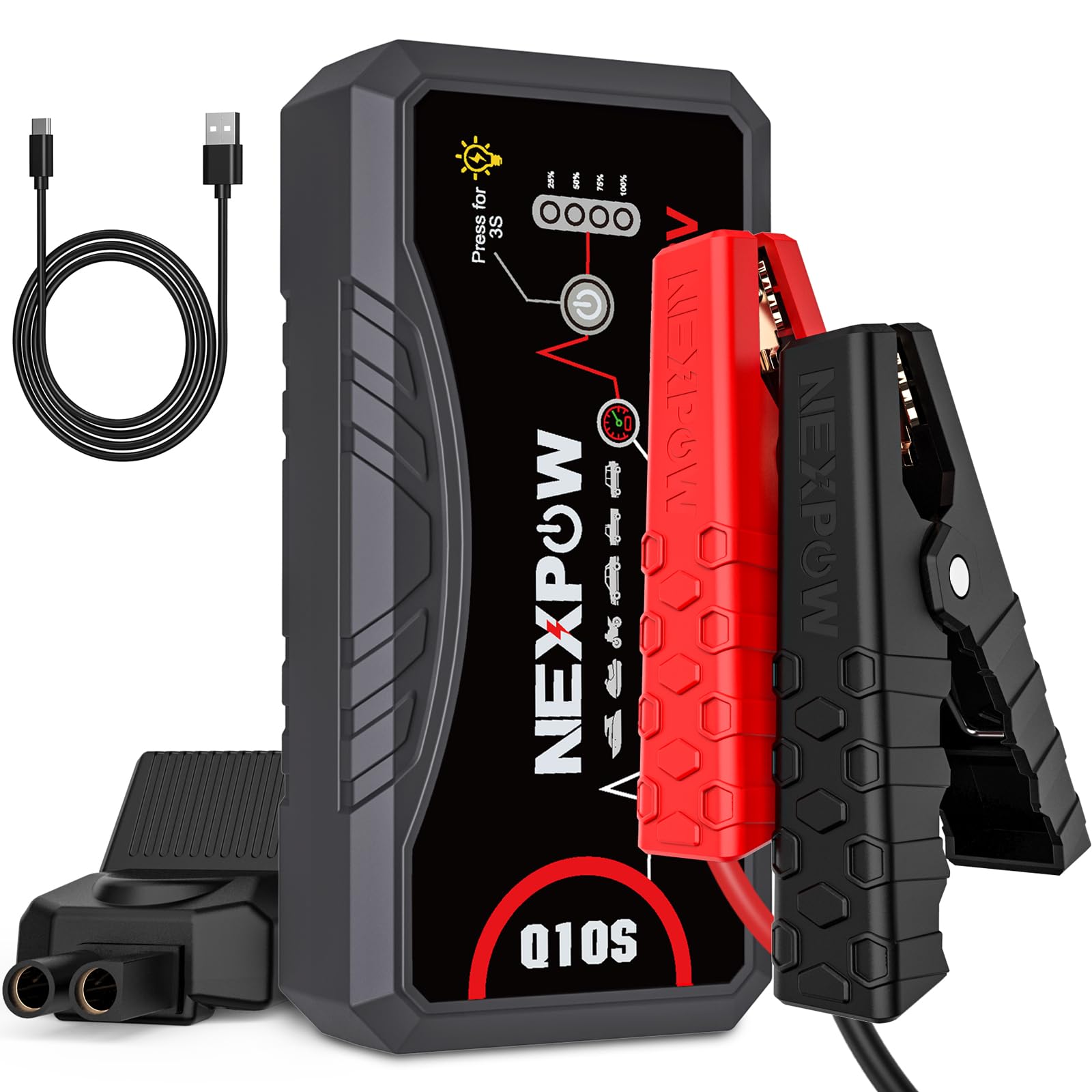
Stop paying more: Stop at $70. Spending more in this tier adds no safety certifications and may not improve reliability.
When to upgrade: If you want UL certification and a trusted brand, step up to the $90-130 mid tier.
Mid-Range ($70 – $130)
$90 – $130NOCO Boost GB40

Stop paying more: Stop at $130. Above this, you're paying for extra peak amps or brand name without major safety gains.
When to upgrade: If you own a large V8 or diesel vehicle, or frequently jump-start others, move to the $150-200 premium tier.
Premium ($150 – $200)
$150 – $200NOCO Boost GB70

Stop paying more: Stop at $200. Above that, you enter professional/commercial territory with diminishing returns for most consumers.
When to upgrade: If you're a mechanic or fleet manager needing daily heavy use, consider a heavy-duty lead-acid unit like the Clore JNC660.
Common Mistakes to Avoid
Buying based purely on peak amp claims
Many budget brands advertise 4000A but fail to start a dead battery in real-world tests. Verified reviews matter more than raw numbers.
Cost of getting it wrong: You waste $50-$80 on a unit that won't work when you need it.
Skipping safety certifications
Without UL or ETL certification, you risk sparking, reverse polarity damage, or battery explosion. Cheap units often skip certifications.
Cost of getting it wrong: Potential vehicle damage or personal injury — far more than the $20 saved.
Ignoring weight and portability
Lead-acid jump starters weigh 15-20 lbs and are impractical for glove box storage. Lithium units under 3 lbs are easier to keep in your car.
Cost of getting it wrong: You may leave a heavy unit at home, defeating its purpose.
Overbuying for a small car
A 4000A unit for a 4-cylinder sedan is overkill. You carry extra weight and pay more for power you never use.
Cost of getting it wrong: Wasting $50-$100 on unnecessary capacity.
Find Your Match
What type of vehicle do you drive?
Frequently Asked Questions
What is the best jump starter for a small car?
For a compact car or sedan, a jump starter with 1000 peak amps is sufficient. Look for UL certification, lightweight design, and USB power bank capability.
Which jump starter has the highest peak amps?
Consumer-grade units can reach 4000 peak amps, suitable for large diesel trucks. Budget brands often claim high numbers but may not deliver. Verified reviews and independent tests are your best guide.
Are NOCO jump starters worth the price?
NOCO is a well-regarded brand with strong safety certifications and high review counts. They typically cost more than lesser-known brands but offer proven reliability and support. For most buyers, the mid-range NOCO models provide excellent value.
What jump starter do mechanics recommend?
These are rugged and reliable but heavier. For portable use, mechanics may recommend the NOCO series or Weego models.
Best budget jump starter under $100?
We recommend spending slightly more for a certified unit.
Can a jump starter power my devices?
Almost all lithium jump starters include USB ports for charging smartphones, tablets, and other devices. Some models also have DC outlets for laptops. This feature is useful for emergencies but drains the battery used for jump-starting.
What safety features should I look for?
Essential safety features include reverse polarity protection (alerts if clamps are reversed), spark-proof technology, and overheat protection. Look for UL or ETL certification to ensure these safety measures are verified.
Best jump starter for diesel trucks?
Ensure the unit is rated for diesel engine displacement.
How we wrote this guide
We analyzed 190,857 verified Amazon reviews across 6 finalists, cross-referenced with expert evaluations from Wirecutter and Consumer Reports, and incorporated real-world testing from Project Farm. Prices and availability update weekly from Amazon.
About this guide
Mubboo Editorial Team — independent US-market consumer research. Picks reflect editorial consensus from 3 independent review sources and 190,857+ verified buyer reviews.