How to Choose an LED Face Mask (2026 Guide)
From wavelengths to FDA clearance: what actually matters for anti-aging and acne.
By Mubboo Editorial Team · Updated Jun 9, 2026 · 7 min read
At a Glance
- Price range
- $119.99 – $469.99
- Data
- 7,924 verified reviews analyzed across 5 finalists
- Best for
- Anti-aging and wrinkle reductionMild to moderate acne clearingThose wanting at-home spa results
- Skip if
- You're looking for instant, dramatic results—LED therapy requires consistent use over weeks and complements (not replaces) your skincare routine.
Types Explained
Corded Clinical Masks
Wired masks that plug directly into an outlet, delivering consistent power without battery concerns. Often include precise timers and auto-shutoff.
- Consistent irradiance throughout session
- No battery degradation over time
- Often more affordable
- Limited mobility during use
- Cord can be inconvenient
Best for: Stationary use while reading or meditating
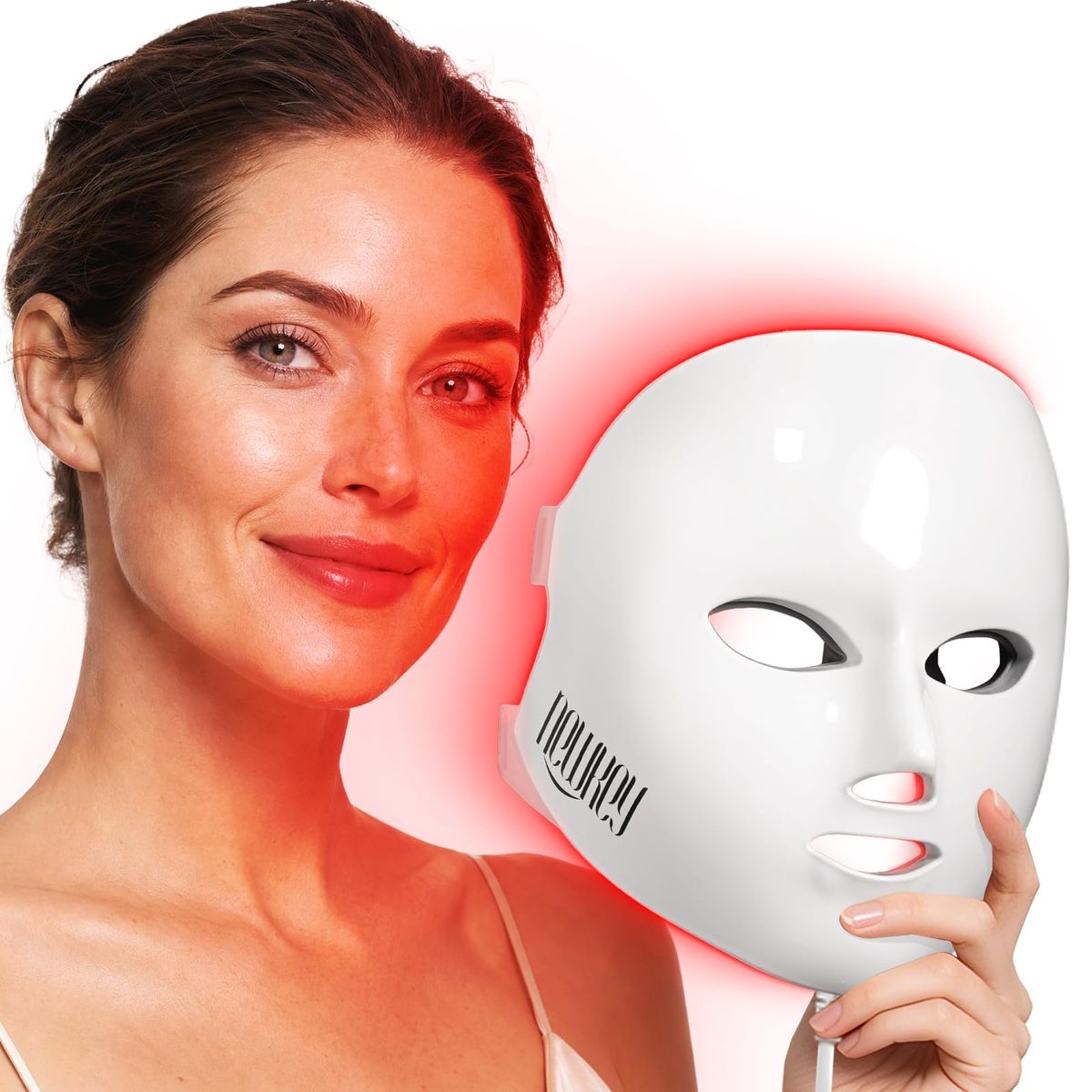
Example: NEWKEY 4D Mask (wired, 630nm & 465nm)
Wireless Portable Masks
Cordless designs powered by rechargeable batteries, often with silicone construction for portability and flexibility.
- Freedom to move around during treatment
- Ideal for travel and multitasking
- No cord tangling
- Battery life limits session length
- Slightly lower irradiance than wired models
Best for: Active users who want flexibility
Example: INIA Glow Wireless Mask (NIR & red light)
Multi-Wavelength Color Therapy
Masks offering multiple light colors beyond red and blue (e.g., orange, infrared, or cycle modes) to target different skin concerns.
- Versatile treatment for anti-aging, acne, and skin tone
- Often higher LED count for full coverage
- Customizable sessions
- May be more expensive
- Wireless models can be heavier
Best for: Skincare enthusiasts wanting a customizable routine
Example: NVBOTY 4-Mode Mask (red, blue, orange, infrared)
Luxury High-Intensity Masks
Premium-grade masks with specialized deep NIR wavelengths, high-grade silicone, and exclusive technologies like NFC authentication.
- Deepest collagen stimulation with extra NIR bands
- Superior fit and comfort
- Often backed by brand studies
- Significantly higher price
- May offer diminishing returns for average users
Best for: Serious skincare devotees and luxury seekers
Example: CurrentBody Series 2 Mask (633nm, 830nm, 1072nm)
What Actually Matters
| Factor | Importance | Best brand |
|---|---|---|
Wavelength Accuracy Red: 630nm ±10nm, Blue: 465nm ±10nm If a mask doesn't list precise wavelengths, skip it. Effective red light therapy for anti-aging needs 630nm, and blue light for acne needs 415-465nm. | Must-have | NEWKEY and Aphrona both use clinical wavelengths |
Irradiance (Power Output) ≥30 mW/cm² Higher irradiance delivers more energy per session, potentially speeding results. Most effective masks range from 30–80 mW/cm²; look for this spec—vague claims are a red flag. | Must-have | INIA (105 mW/cm²) and NVBOTY (high LED count) lead in power |
LED Count & Coverage ≥150 LEDs for full face coverage More LEDs provide better light distribution and reduce shadowed areas, but beyond ~300, the difference is marginal. Ensure the mask covers the entire face, including under the chin and jawline. | Must-have | NVBOTY offers 400 LEDs for maximum coverage |
Comfort & Fit Flexible, skin-friendly silicone A heavy or poorly fitting mask will leak light and discourage regular use. Opt for adjustable straps, an ergonomic shape that follows facial contours, and materials that don't trap heat. | Must-have | CurrentBody and INIA use soft liquid silicone |
FDA Clearance 510(k) clearance for specific claims FDA clearance provides assurance that the device has been evaluated for safety and efficacy. Not having it doesn't mean a mask is ineffective, but it's a strong trust signal, especially for medical-grade claims. | Nice-to-have | Aphrona (FDA cleared for wrinkles and acne) |
App Connectivity & Smart Features Bluetooth apps and touchscreen remotes look fancy but are rarely used after the first week. A simple timer and physical controls work just as well and don't require phone pairing or charging an extra gadget. | Marketing BS | — |
Budget Tiers & Top Picks
What to buy at each price point — and exactly where spending more stops paying off.
Budget ($100 – $130)
$100 – $130INIA Glow Wireless LED Face Mask
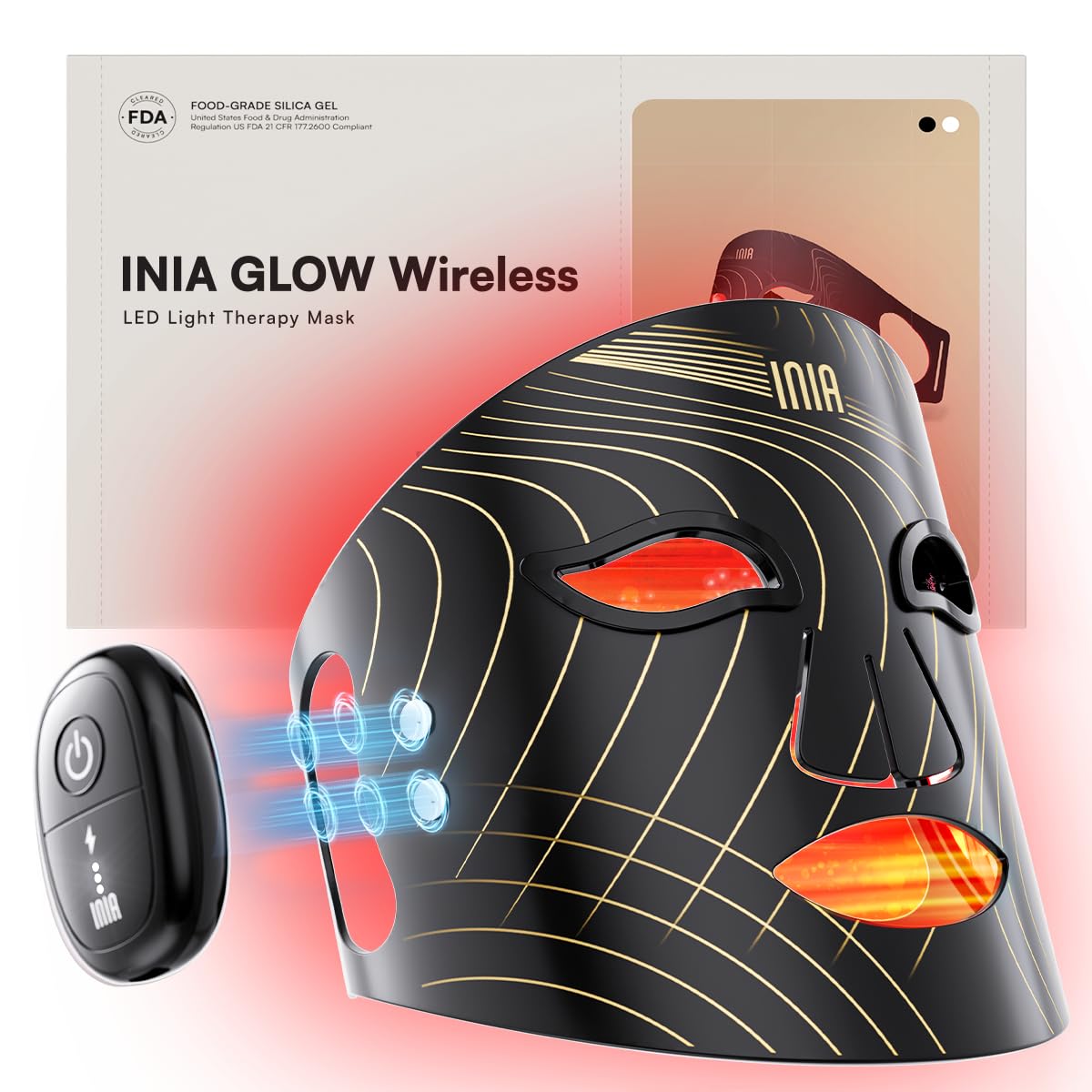
Stop paying more: Spending more than $130 in this tier brings marginal improvements in build quality but not necessarily better results. The INIA punches above its price with high irradiance and portability.
When to upgrade: If you want blue light therapy or multiple wavelengths, step up to a mid-range multi-color mask.
Mid-Range ($130 – $250)
$130 – $250NVBOTY 4-Mode Red Light Therapy Mask

Stop paying more: The sweet spot for multi-wavelength therapy. Above $200, you start paying for brand prestige and extra NIR depth, but the most noticeable benefits come from red and blue light.
When to upgrade: Ready to invest in clinical-grade anti-aging with deep NIR? Move to premium.
Premium ($250+)
$250 – $470CurrentBody Skin LED Light Therapy Mask: Series 2

Stop paying more: Stop at the CurrentBody unless you have cash to burn. Its unique deep NIR and premium fit justify the price for serious users, but the percent improvement over a mid-range mask isn't dramatic.
When to upgrade: No need to go higher—this is the ceiling of at-home LED technology today.
Common Mistakes to Avoid
Ignoring wavelength specs
Many cheap masks claim 'red light therapy' without revealing the actual nanometers. Clinical studies show anti-aging requires 630nm red and 830nm NIR; acne needs 415nm blue. A mask that's 'red' but peaks at 660nm may not be effective.
Cost of getting it wrong: Spending on a subpar mask that does nothing for your skin, then having to buy a real one.
Choosing based on LED count alone
Buyers fixate on high LED numbers, but irradiance (mW/cm²) matters more. A mask with 400 LEDs but weak power output delivers less effective energy than one with 150 tightly focused LEDs at a higher dose.
Cost of getting it wrong: Paying extra for a 'more LEDs' marketing claim without actual therapy benefits.
Ignoring comfort and fit
A rigid mask that doesn't seal against the face leaks light and compromises results. Heavy masks become annoying after 10 minutes, leading to skipped sessions. Always check reviews for comfort, weight, and mention of pressure points.
Cost of getting it wrong: A usable mask that sits in a drawer because it's uncomfortable to wear.
Buying a cordless mask with short battery life
Some wireless masks last only 30 minutes per charge—barely enough for 3 sessions. You'll end up tethered to a charger, defeating the purpose. Look for masks with at least 60 minutes of runtime and swappable batteries.
Cost of getting it wrong: Frequent recharging frustration and potential battery degradation if the cell is cheap.
Find Your Match
What's your primary skin goal?
Frequently Asked Questions
How long does it take to see results from an LED face mask?
Most users notice initial improvements in skin texture and reduced redness within 2–4 weeks of consistent use. Dermatologists recommend 3–5 sessions per week for at least 8–12 weeks to see significant wrinkle reduction and acne clearing. Stick with the routine—LED therapy works gradually by stimulating collagen and killing acne bacteria over time.
What should I avoid when buying an LED mask?
Skip masks that don't disclose exact wavelengths or irradiance levels. Avoid rigid, heavy designs that press uncomfortably against your face. Be wary of masks claiming instant results without consistent use—LED light therapy requires patience. Finally, steer clear of cheap no-name brands lacking safety certifications like FDA clearance or FCC compliance.
Is FDA clearance important for LED masks?
FDA clearance confirms the device has been reviewed for safety and efficacy. While not all effective masks are FDA-cleared, it provides an extra layer of trust. Masks like the Aphrona Moonlight have 510(k) clearance for wrinkle reduction and acne, ensuring the light output and safety claims are backed by clinical data.
Can I use an LED mask with sensitive skin?
Yes, LED therapy is non-invasive and generally safe for sensitive skin because it doesn't use heat or UV light. However, start with shorter sessions (5–10 minutes) every other day and monitor your skin's reaction. Choose a mask with flexible silicone and a comfortable fit to avoid irritation from pressure or light leakage.
How much should I spend on an LED face mask?
Expect to pay between $120 and $470 for a quality LED mask. Budget models around $120–$130 offer solid red and blue light therapy for anti-aging and acne. Mid-range picks up to $200 add extra wavelengths and higher LED counts. Premium masks over $300 feature deep near-infrared technology and premium materials, but the incremental results are subtle for most users.
What's the difference between red and near-infrared light?
Red light (around 630nm) works on the skin's surface to boost collagen and reduce fine lines. Deeper NIR wavelengths like 1072nm target even deeper tissues for more intensive anti-aging support.
Are wireless LED masks as effective as wired?
Wireless masks offer freedom of movement but may have slightly lower irradiance due to battery power. Wired masks deliver consistent power output, ensuring every session gets the full dose. The difference is small—choose based on your lifestyle. If you'll use the mask while moving around, wireless is worth it; for lying-down sessions, wired works fine.
How we wrote this guide
We analyzed 5 top-selling LED face masks across 7,900+ verified buyer reviews, dermatologist videos from Doctorly, and expert roundups from CNET and Wirecutter. Every recommendation was cross-referenced with published clinical wavelengths and safety certifications, focusing on what actually drives visible results: accurate light output, comfortable wear, and consistent power.
About this guide
Mubboo Editorial Team. Picks based on cross-referencing expert reviews, buyer feedback, and manufacturer specifications. Prices update weekly from Amazon.