Life Jackets Buying Guide 2026: How to Choose the Right PFD
From calm lakes to coastal cruising, find the U.S. Coast Guard-approved vest that fits your adventure.
By Mubboo Editorial Team · Updated Jun 9, 2026 · 8 min read
At a Glance
- Price range
- $30 – $60
- Data
- 60,691 verified reviews across 6 finalists
- Best for
- Recreational boating and watersportsBoat owners needing a spare PFDAdults 90+ lbsKids 50-90 lbs
- Skip if
- You only need a floatation aid for a pool—a pool noodle or swim vest is sufficient.
Types Explained
Type III – Recreational Foam
Lightweight, open-sided vests designed for general boating, waterskiing, tubing, and fishing. They offer good mobility and are comfortable for all-day wear.
- Excellent mobility for active use
- Multiple buckles for a custom fit
- Quick-drying nylon shell
- Not designed to turn an unconscious person face-up
- Sizing can be finicky—measure chest carefully
Best for: Adults who boat, ski, or paddle on lakes and calm coastal waters
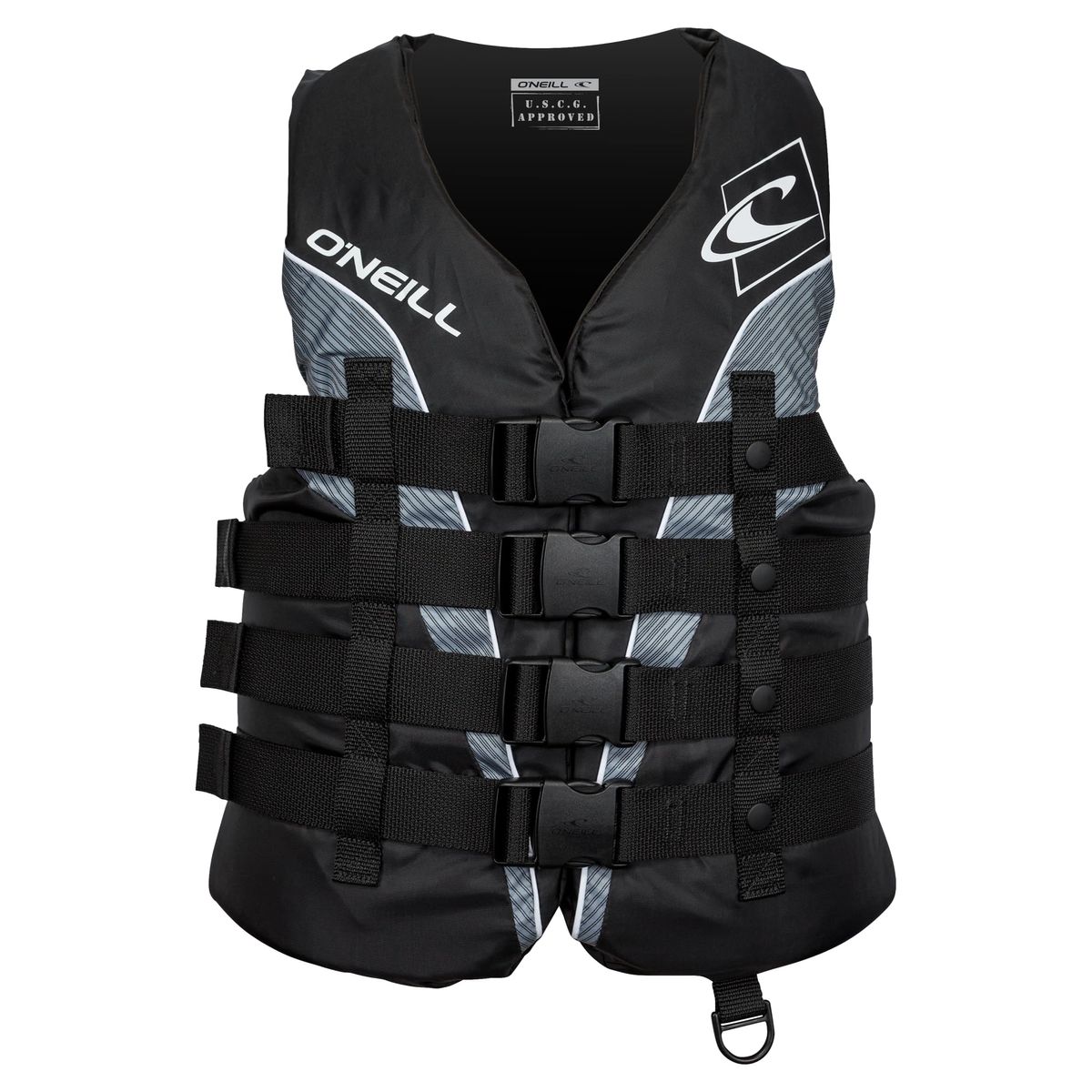
Example: O'Neill Superlite
Type II – Near-Shore Buoyant Vest
Traditional, more buoyant vests that can turn an unconscious wearer face-up in calm water. They are bulkier and less suited for active sports.
- Higher inherent buoyancy
- Often more affordable in multi-packs
- Simple, durable construction
- Bulky and restrictive for paddling or skiing
- Not ideal for all-day recreational wear
Best for: Boaters who stay near shore and want a spare PFD for passengers
Example: Seachoice 4-Pack Type II
Kids' Foam Vest (Type III)
Specially sized vests for children 50-90 lbs with bright colors and a secure, adjustable buckle system. USCG-approved for youth water activities.
- High visibility colors
- Lightweight, non-restrictive fit
- Three adjustable buckles
- Only fits a narrow weight range
- Kids outgrow them quickly
Best for: Children 50 to 90 pounds who will be boating, swimming, or playing near water
Example: Stearns Kids Life Vest
What Actually Matters
| Factor | Importance | Best brand |
|---|---|---|
USCG Approval Type Type III for active sports; Type II is acceptable for calm, near-shore use The label inside tells you the type. Type I (offshore) is rare for recreational use. Type V may require extra steps to be legal. | Must-have | All brands listed are USCG approved |
Chest Size & Weight Rating Measure chest at widest point; if between sizes, size up A vest that's too tight restricts breathing; too loose can ride up over your head in the water. | Must-have | O'Neill provides detailed size charts; Stearns uses weight ranges |
Number of Buckles ≥2 buckles, but 4 buckles offer the most security and adjustability Three-buckle vests are common and adequate for most, but 4 buckles prevent ride-up during active use. | Must-have | O'Neill Superlite (4 buckles) |
Buoyancy Material PE foam is standard; ensure it's not waterlogged Avoid inflatable-only vests for children or non-swimmers. Foam is fail-safe. | Must-have | All major brands use PE foam |
Visibility / Color Bright orange, red, or yellow for easy spotting in the water In an emergency, a high-vis color can make the difference. Dark vests blend into the water. | Nice-to-have | Stearns Kids (bright blue or red), Seachoice (orange) |
Brand Premium None You're paying for the logo, not better safety. A Stearns vest protects you just as well as a O'Neill. | Marketing BS | Stearns and O'Neill both meet the same USCG standards |
Budget Tiers & Top Picks
What to buy at each price point — and exactly where spending more stops paying off.
Under $35
$30 – $34Stearns Kids Life Vest, 50-90 lbs
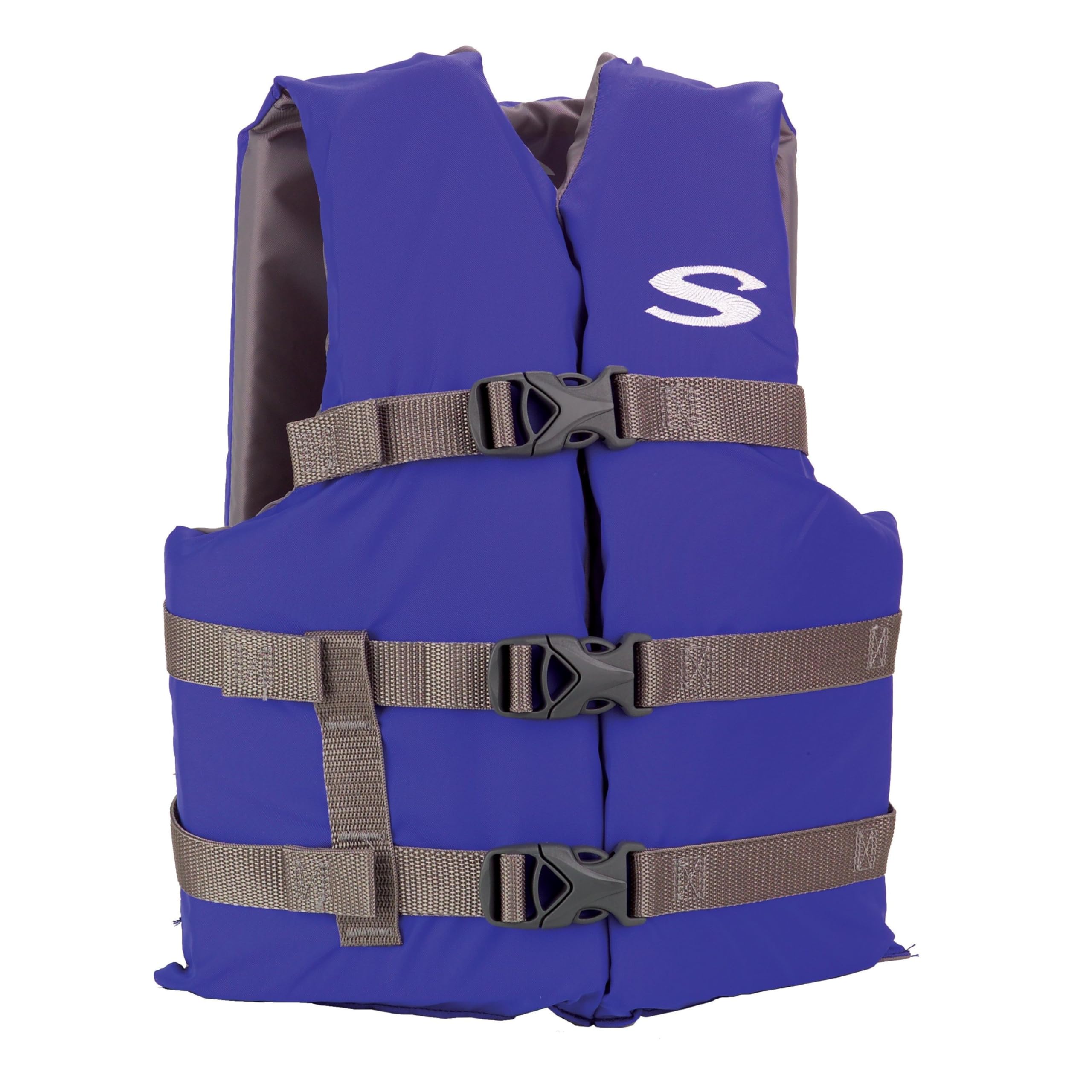
Stop paying more: Stop at $35 for a kid’s vest. The Stearns Kids provides all the USCG-approved safety you need—no need to spend more on a youth model from a premium brand.
When to upgrade: If your child is over 90 lbs, step up to an adult size in the Stearns or O'Neill.
$35 – $50
$40 – $50O'Neill Men's Superlite Life Vest

Stop paying more: At $45, the O'Neill Superlite hits the sweet spot. Spending more won't get you a safer vest—just a different fit or brand name.
When to upgrade: If you need a larger size or prefer a different color, the O'Neill Superlite L ($49.95) offers the same design for bigger frames.
$50+
$50 – $60O'Neill Men's Superlite Life Vest, Size L

Stop paying more: At $50, you're at the top of the foam vest market. Beyond this price, you're entering inflatable or specialty PFD territory. The O'Neill L delivers the same featherlight comfort as the XL.
When to upgrade: For a multi-person boat, consider the Seachoice 4-Pack Type II at $59.99 to equip passengers on a budget.
Common Mistakes to Avoid
Buying a non-USCG-approved swim aid for boating
Puddle jumpers and swim vests aren't legal for boating. Only a proper Type I, II, III, or V PFD with a USCG label counts as a life jacket.
Cost of getting it wrong: A fine from the Coast Guard, plus the cost of replacing the illegal vest with an approved one—extra.
Choosing a vest that doesn't fit properly
Many adults buy a vest based on weight alone. The O'Neill Superlite and similar vests require measuring your chest; if you're between sizes, you'll need to size up.
Cost of getting it wrong: A return and reorder costing you shipping fees, or a vest that rides up in the water and compromises safety.
Assuming all kids' vests fit the same
The Stearns Kids vest fits 50-90 lbs only. A child weighing 48 lbs needs a different size (or a different vest with a crotch strap).
Cost of getting it wrong: Wasted on a vest that doesn't fit, plus the danger of a child slipping out.
Buying a Type II for watersports
Type II vests are bulky and won't allow the arm mobility you need for paddleboarding, kayaking, or skiing. You'll end up taking it off, defeating the purpose.
Cost of getting it wrong: Spending + on a Type II pack when you really needed a Type III, plus the risk of injury.
Find Your Match
What's your primary water activity?
Frequently Asked Questions
What's the difference between Type II and Type III life jackets?
Type II vests are designed to turn an unconscious wearer face-up in calm water. They're bulkier but suitable for near-shore boating. Type III vests are lighter, more comfortable, and allow full arm motion for active sports like skiing or kayaking. Most recreational boaters choose Type III for everyday use, but Type II is perfectly legal for calm-water boating.
How do I know if a life jacket fits properly?
The U.S. Coast Guard advises a snug fit. Measure your chest at the widest point and consult the brand's size chart. The vest should not ride up when you lift your arms. If you can pull it over your head, it's too loose. O'Neill and Stearns recommend sizing up if you're between sizes.
Is an inflatable life jacket safe?
Inflatable vests are safe for adults when properly maintained, but they require annual inspection and are not recommended for children or weak swimmers. For everyday use, a foam vest like the O'Neill Superlite or Stearns Adult Classic is simpler and always ready. Inflatable-only vests don't count as a PFD on kids under 16 in some states.
What life jacket should I buy for a child?
For kids 50-90 lbs, the Stearns Kids Life Vest is a top pick. It's USCG Type III approved, with three adjustable buckles and a bright color for visibility. Always check the weight rating—never put an adult vest on a child. The vest should have a crotch strap if the child is under 50 lbs.
How many life jackets are required on my boat?
The U.S. Coast Guard requires one wearable, properly fitting USCG-approved PFD per person on board at all times. Additionally, boats 16 feet and longer must carry one throwable Type IV device. Check state and local laws for any additional requirements, especially for children.
Can I use a pool swim vest as a life jacket?
No. Puddle jumpers and other pool aids are not USCG-approved and will not pass a safety inspection. They lack the buoyancy and structural integrity for open water. Always look for the USCG label inside the vest to confirm it's a legal PFD.
How we wrote this guide
We researched 6 finalists and analyzed over 60,000 verified reviews to surface the top-performing, USCG-approved vests. Our picks prioritize safety certifications, fit consistency, and real-world buyer feedback. Prices update weekly from Amazon.
About this guide
Mubboo Editorial Team. Guided by independent research and tens of thousands of verified Amazon reviews. No brand partnerships influence our picks—just what works on the water.