How to Choose a Meal Replacement Shake (2026 Guide)
Protein, sugar, convenience — we cut through the hype so you get what you need without overpaying.
By Mubboo Editorial Team · Updated Jun 9, 2026 · 6 min read
At a Glance
- Price range
- $20 – $50
- Data
- 161,337 verified reviews analyzed across 6 top-rated meal replacement shakes.
- Best for
- Busy professionals needing on-the-go nutritionFitness enthusiasts wanting post-workout recoveryAnyone seeking a balanced meal replacement to manage weight
- Skip if
- You prefer whole foods — shakes can't fully replace the fiber and phytonutrients of a solid meal.
Types Explained
Ready-to-Drink High Protein
Pre-mixed shakes with 20-30g protein, low sugar, and essential vitamins. Just open and drink.
- No preparation needed
- Portable for on-the-go use
- Consistent texture and taste
- Higher cost per serving than powder
- Limited flavor choices per pack
Best for: Busy commuters, office workers, post-gym quick recovery
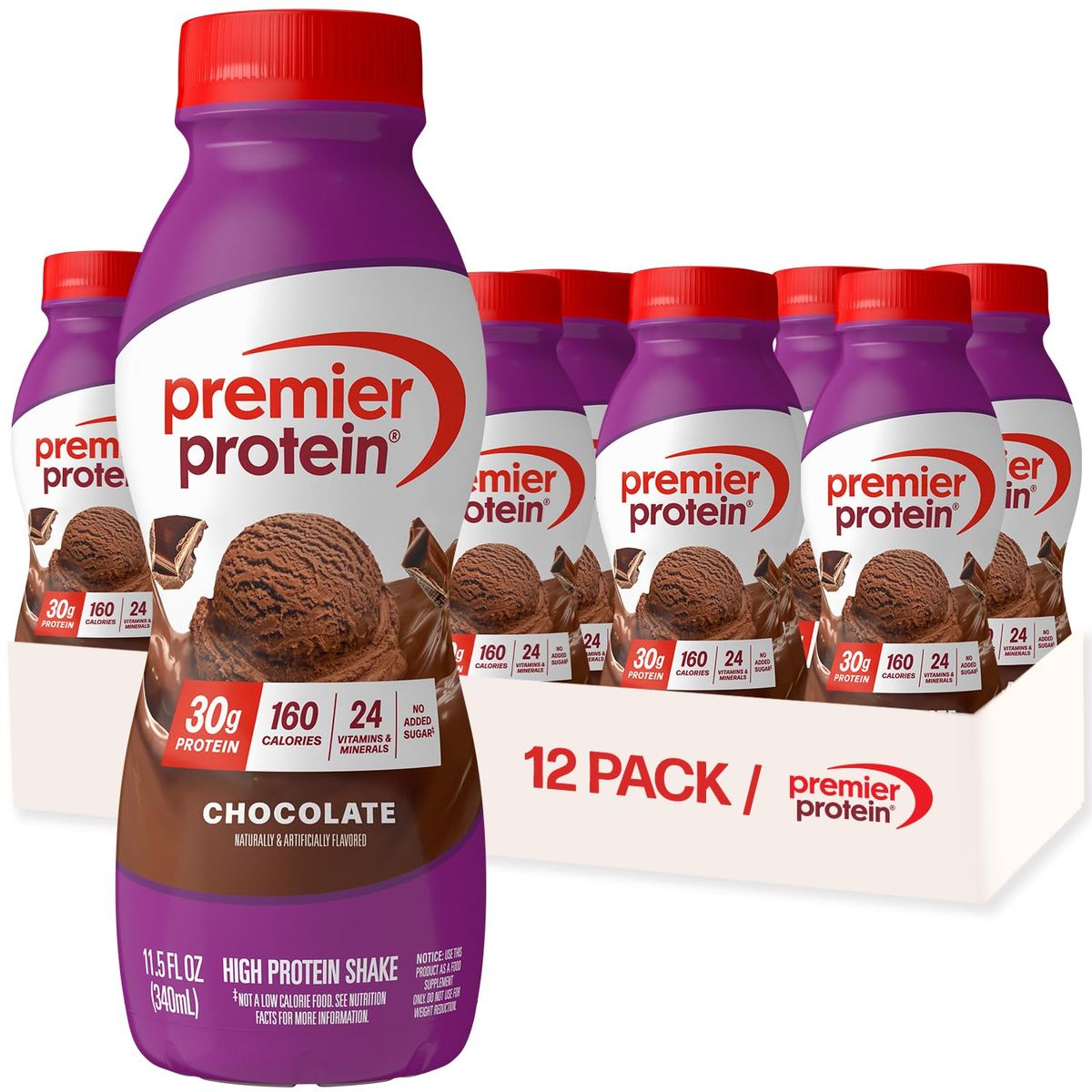
Example: Premier Protein Shake, 12 Pack
Low-Carb Keto Shakes
Formulated for low-carb and ketogenic diets, with under 3g net carbs and minimal sugar.
- Supports ketosis
- Low glycemic impact
- Often higher fat for satiety
- Lower protein content than standard shakes
- May have an aftertaste from sweeteners
Best for: Keto dieters, carb-conscious individuals, diabetics
Example: Atkins Milk Chocolate Delight Shake
High-Performance Muscle Building
Ultra-high protein shakes (40g+) for serious athletes, often lactose-free and containing electrolytes.
- Maximizes muscle protein synthesis
- Contains all essential amino acids
- Lactose-free options available
- Most expensive per bottle
- May be too calorie-dense for casual use
Best for: Bodybuilders, endurance athletes, intense trainers
Example: Core Power Elite 42g Protein Shake
Meal Replacement Powders
Scoop-based powders mixed with water or milk, offering high serving counts for weight management.
- Lowest cost per serving
- Customizable consistency
- Long shelf life
- Requires shaker and liquid
- Can be gritty if not well-mixed
- Less convenient than RTD
Best for: Budget-conscious users, weight loss programs, home use
Example: SlimFast Original Meal Replacement Powder
What Actually Matters
| Factor | Importance | Best brand |
|---|---|---|
Protein Content ≥20g per serving for meal replacement Aim for at least 20g to maintain satiety and support muscle maintenance. Higher amounts help post-workout recovery. Generation Iron ranks Core Power top for muscle gain. | Must-have | Core Power (42g) |
Sugar Content ≤2g per serving Avoid shakes with added sugars; they spike insulin and can lead to energy crashes. Premier and Ensure keep sugar near 0g, making them safer for daily use. | Must-have | Atkins (1g) |
Fiber & Digestive Health ≥4g fiber Fiber improves fullness and gut health, often lacking in low-quality shakes. Only Ensure provides a notable amount here, reducing the need for extra snacks. | Nice-to-have | Ensure Max Protein (4g fiber + prebiotic) |
Vitamin & Mineral Fortification ≥20 vitamins & minerals If replacing a meal, your shake should deliver a broad nutrient profile to avoid deficiencies. Premier and Ensure excel here, with Enure adding immune-support nutrients. | Nice-to-have | Premier Protein (24 vitamins & minerals) |
Immune Support Claims Many shakes tout added zinc or vitamins for immunity, but a balanced diet already provides these. Don't pay a premium for this marketing angle—a standard multivitamin covers it. | Marketing BS | — |
Ready-to-Drink vs Powder Ready-to-drink for convenience, powder for savings RTD saves time but costs more per serving. Powder is bulk-budget friendly but requires prep. Choose based on your daily routine and tolerance for mixing. | Must-have | Premier Protein (RTD), SlimFast (powder) |
Budget Tiers & Top Picks
What to buy at each price point — and exactly where spending more stops paying off.
Budget-Friendly
Under $25Atkins Milk Chocolate Delight Protein Shake

Stop paying more: At this price, Atkins offers one of the lowest costs per bottle for a ready-to-drink keto shake. Spending more in this tier won't significantly improve macros, though protein quantity may increase slightly.
When to upgrade: If 15g protein isn't enough for your needs, step up to the mid-range where 30g options become available.
Mid-Range Sweet Spot
$25 – $35Premier Protein Shake, Chocolate, 12 Pack
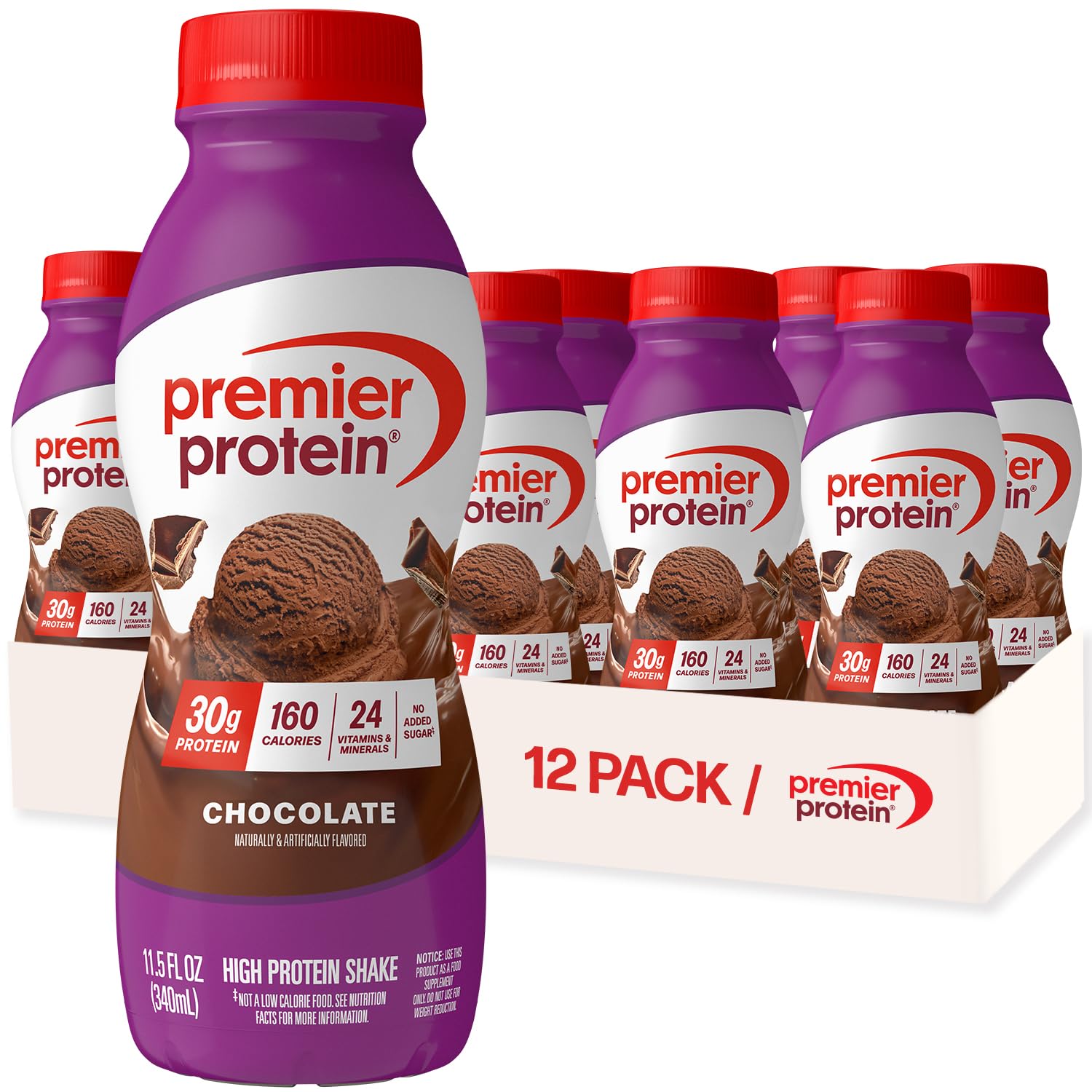
Stop paying more: Premier Protein dominates this price bracket as Amazon's #1 best-seller, with 30g protein and zero added sugar per bottle. For most people, this is the ideal balance of nutrition, taste, and value.
When to upgrade: Only upgrade if you need 42g protein for intense muscle building; otherwise, Premier has you covered.
Premium Performance
$50+Core Power Elite High Protein Shake, Chocolate, 12 Pack
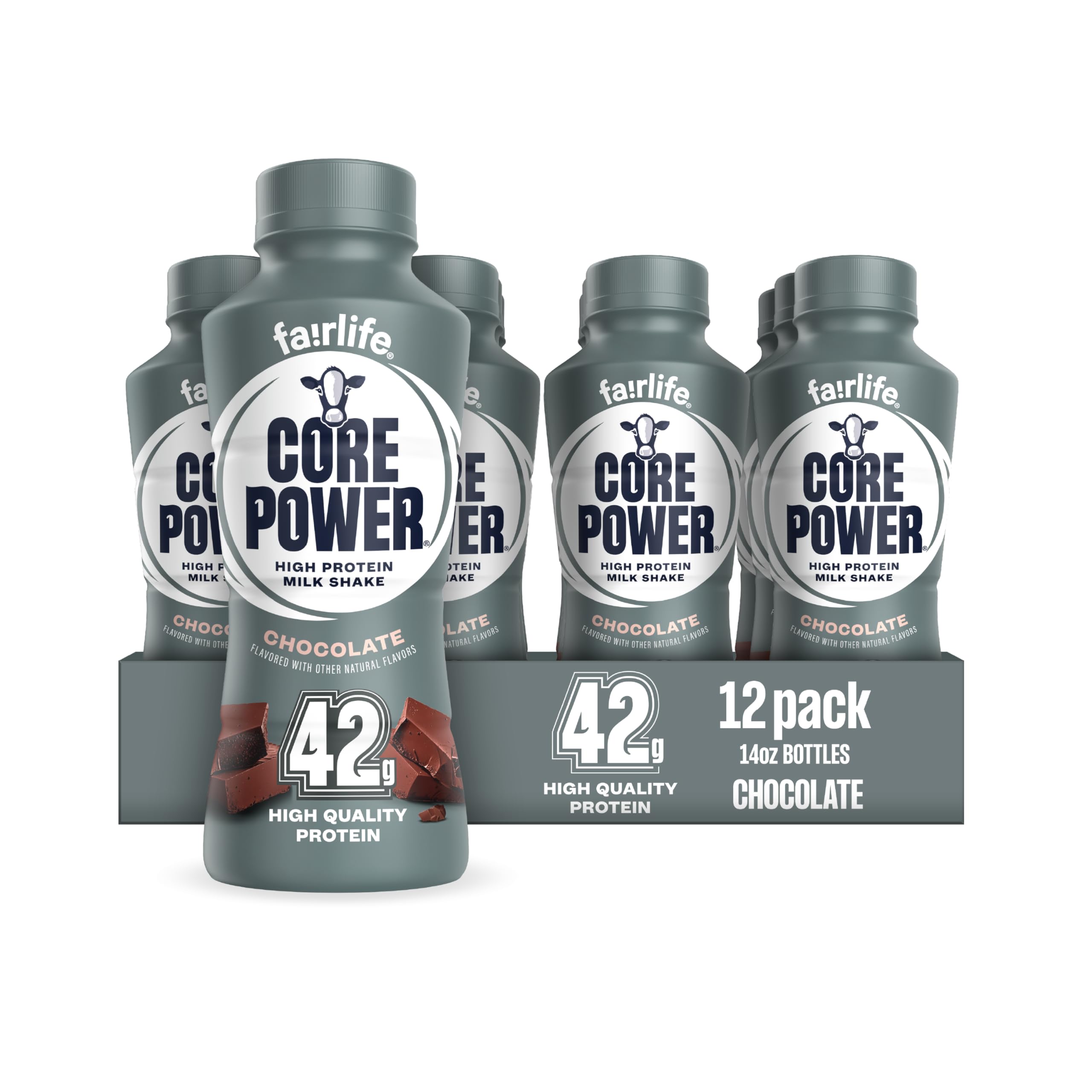
Stop paying more: Core Power Elite sits at the top of the market with 42g of ultra-filtered, lactose-free protein per bottle. Diminishing returns kick in here; you won't find a shake with more usable protein on Amazon.
When to upgrade: This is the ceiling for ready-to-drink shakes. If you need even more protein, consider protein powders instead.
Common Mistakes to Avoid
Ignoring sugar content
Many cheap shakes pack 15-20g of sugar per serving, which undermines health goals and causes energy crashes. Always check the label — your shake shouldn't taste like a dessert.
Cost of getting it wrong: Re-buying a healthier option means you wasted money on a sugary shake that sabotaged your diet.
Assuming all shakes are complete meal replacements
Some shakes lack fiber and only provide protein, leaving you hungry soon after. A true meal replacement should have at least 4g fiber and a broad vitamin profile, like Ensure Max.
Cost of getting it wrong: You end up snacking an hour later, adding extra calories and spending more on additional food.
Overpaying for marketing hype like 'immune boosting'
Shakes touting immune support usually just add a few vitamins; you can get those from a multivitamin or balanced diet. Don't pay a premium for the label.
Cost of getting it wrong: You could overspend by -20 per pack for essentially the same nutrition.
Buying powder when you need ready-to-drink
Powder seems cheaper per serving, but if you skip it because you're too rushed to mix it, it's wasted money. Be honest about your morning routine.
Cost of getting it wrong: Unused tubs of powder end up in the trash, wasting your investment completely.
Find Your Match
What's your primary goal?
Frequently Asked Questions
How much should I spend on a meal replacement shake?
Most quality shakes cost $1.50–$4 per serving. Budget-friendly picks like Atkins (under $2/bottle) deliver solid low-carb nutrition, while mid-range Premier Protein offers 30g protein with no added sugar. Over $4, Core Power targets athletes. Avoid cheap shakes with high sugar—they save money but compromise health goals.
Are meal replacement shakes actually healthy?
When chosen wisely, they can be a convenient, nutrient-dense option. Look for 20g+ protein, under 2g sugar, and added vitamins like Ensure's 25 or Premier's 24. However, whole foods provide fiber and phytonutrients shakes lack, so use them to supplement, not replace, a balanced diet. CNET's review notes shakes are best for on-the-go meals, not long-term sole nutrition.
Which shake is best for weight loss?
For ready-to-drink, Atkins Milk Chocolate Delight (15g protein, 1g sugar, under $2/serving) keeps calories low and supports ketosis. If you're willing to mix, SlimFast Original Powder is even cheaper per serving and offers 10g protein with added fiber for fullness. Both help create a calorie deficit, but pair with exercise for best results.
Can I use meal replacement shakes to build muscle?
Yes, especially high-protein options like Core Power Elite (42g protein). Post-workout, a shake with all essential amino acids, like Core Power, accelerates muscle repair. Even mid-range Premier (30g) supports maintenance. Ensure you consume enough total calories; shakes alone won't fuel gains without a solid diet.
What should I avoid when buying a meal replacement shake?
Steer clear of shakes with more than 5g added sugar—they spike insulin and cause energy dips. Also avoid those with minimal fiber (<2g) as they won't keep you full. Reddit users on r/soylent warn about thick, gritty textures in some powders; check reviews for consistency complaints. And don't fall for 'immune-boosting' marketing—a regular vitamin covers that.
Powder or ready-to-drink: which is better?
Ready-to-drink wins for convenience—grab and go, no mixing. But powder, like SlimFast, costs as little as per serving and lets you customize thickness. If your mornings are rushed, RTD is worth the extra cost. If you're patient and budget-conscious, powder stretches your dollar. A BarBend review noted powder can be chalky, so test a single flavor first.
How we wrote this guide
We analyzed 161,337 verified Amazon reviews across 6 popular meal replacement shakes, cross-referenced with CNET's expert testing and insights from YouTube reviewers like This Morning and Generation Iron. Every pick meets our standards for protein content, low sugar, and real-world taste feedback. Prices and availability are updated from Amazon weekly.
About this guide
Mubboo Editorial Team — independent US-market consumer research. Picks reflect editorial consensus from 5 independent review sources and 161,337+ verified buyer reviews.