How to Choose Men's Boots (2026 Guide)
From hiking trails to job sites, our data-driven guide helps you find the right pair.
By Mubboo Editorial Team · Updated Jun 9, 2026 · 7 min read
At a Glance
- Price range
- $40 – $120
- Data
- 222,267+ verified Amazon reviews across 6 finalists (note: Timberland Black and Brown share a joint review pool)
- Best for
- Light hiking and daily wet-weather wearBudget-conscious hikersConstruction workers needing safety toeTactical and motorcycle riders
- Skip if
- You need steel-toe protection or a dressier style — this guide covers functional, not formal, boots.
Types Explained
Hiking Boots
Mid-to-high cut boots designed for trails with waterproof membranes and aggressive tread.
- Excellent ankle support on uneven terrain
- Waterproof options keep feet dry in rain and shallow crossings
- Bulkier and heavier than casual shoes
- Not ideal for heavy backpacking loads
Best for: Day hikers, dog walkers, and weekend adventurers
Example: Timberland White Ledge Mid (from)
Work Boots (Safety Toe)
Built for job sites, featuring steel or composite safety caps, slip-resistant soles, and electrical hazard protection.
- Meets ASTM safety standards for impact and compression
- Durable full-grain leather upper
- Heavier than hiking boots
- Break-in period can be uncomfortable
Best for: Construction, warehouse, and industrial workers
Example: Timberland PRO Pit Boss
Tactical Boots
Lightweight, flexible boots with side zippers for quick donning, typically used by law enforcement and military.
- Side zipper for fast on/off
- Often more affordable than work boots
- Less ankle support than taller models
- Not designed for heavy-duty protection
Best for: Security personnel, motorcycle riders, and everyday casual use
Example: NORTIV 8 Trooper (under $50)
What Actually Matters
| Factor | Importance | Best brand |
|---|---|---|
Waterproofing Look for a waterproof membrane or sealed seams Unless you live in a dry climate, waterproofing is essential for hiking and work. Avoid boots that only claim water resistance. | Must-have | Timberland |
Slip Resistance Outsole should have deep lugs and be oil-resistant Check for ASTM-rated slip resistance if working on slick surfaces. Lug depth less than 3mm fails on wet rocks. | Must-have | NORTIV 8 (for budget) |
Comfort and Cushioning Cushioned midsole and arch support; many brands offer wide sizes Standing all day? Pit Boss adds a cushioned insole. Downsize or break in gradually. | Must-have | Timberland PRO |
Full-Grain Leather Full-grain leather resists abrasion and develops a patina over time. It costs more but outlasts nubuck or synthetic. | Nice-to-have | EVER BOOTS |
Brand Hype Paying extra for a logo adds nothing to durability or comfort. Many lesser-known brands meet the same safety and quality standards at a fraction of the cost. | Marketing BS | — |
Budget Tiers & Top Picks
What to buy at each price point — and exactly where spending more stops paying off.
Budget (Under $60)
$40 – $60NORTIV 8 Men's Military Tactical Work Boots Side Zipper

Stop paying more: Stop at $60. These boots deliver solid construction and a useful side zipper. Spending more in this category buys you waterproofing or a safety toe, which most tactical boots skip.
When to upgrade: Need a safety toe or all-day waterproofing? Step up to the mid-range tier.
Mid-Range ($60 – $100)
$60 – $100EVER BOOTS Tank Men's Soft Toe Oil Full Grain Leather Work Boots

Stop paying more: Stop at $70. The full-grain leather and oil-resistant sole offer strong day-to-day performance. For light to medium work, this is all you need.
When to upgrade: If your job requires ASTM-certified protection, move to premium boots with steel or composite toes.
Premium ($100 – $120)
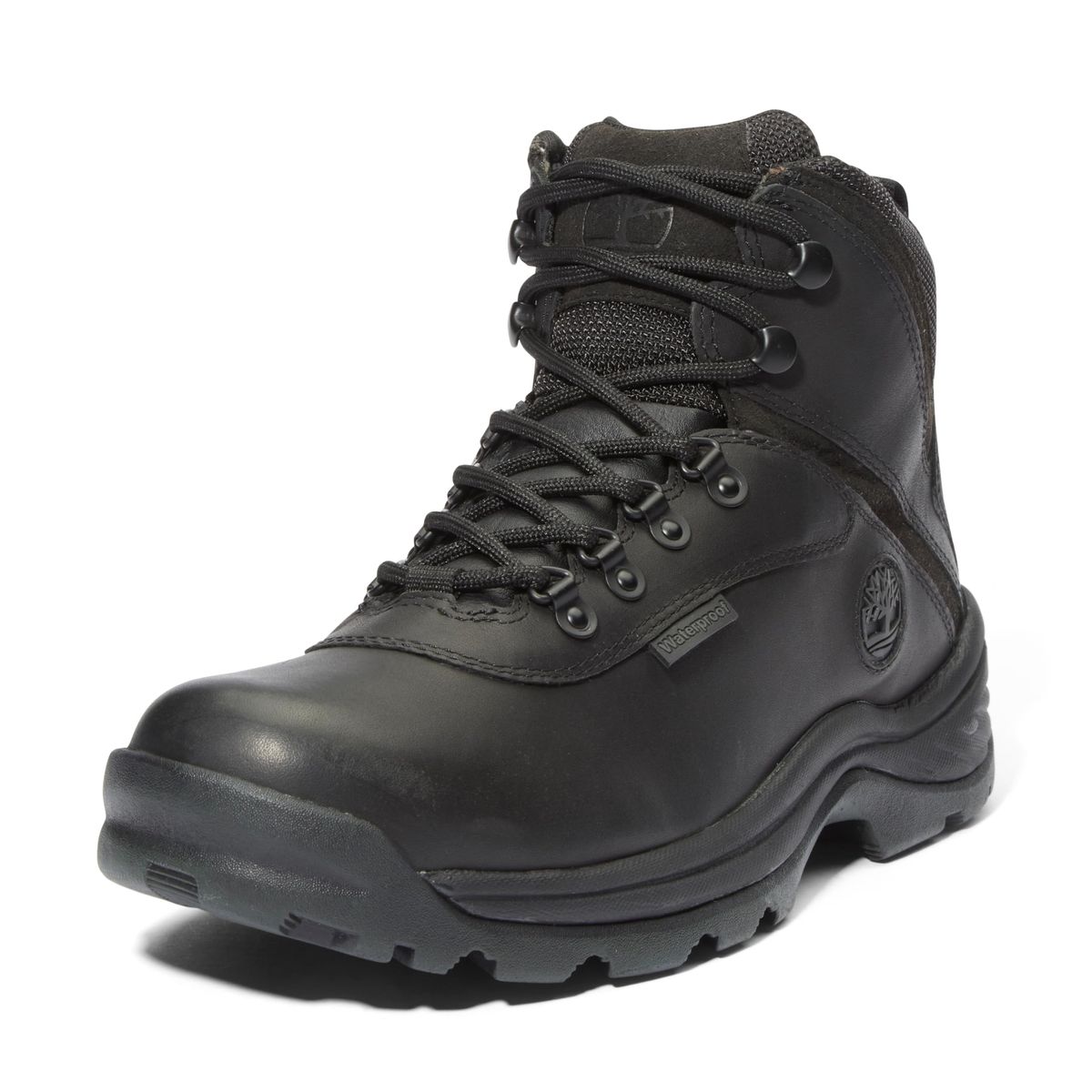
$100 – $120Timberland Men's White Ledge Mid Waterproof Hiking Boot, Black

Stop paying more: Stop at $110. For most men, this boot's waterproof leather and proven comfort are the peak of value. More expensive brands may offer heritage looks but rarely add practical performance.
Common Mistakes to Avoid
Buying the wrong size
Mens boots often run half a size large or small depending on brand. Check the size chart and read reviews for fit advice. Many buyers report needing a half size down or wearing thick socks to compensate.
Cost of getting it wrong: Returns, exchanges, or uncomfortable blisters — easily avoided with proper sizing.
Ignoring the break-in period
Full-grain leather boots can take weeks to soften. Jumping straight into a long hike leads to painful rubbing and blisters. Wear them around the house for short periods first.
Cost of getting it wrong: Blisters and wasted time — a disciplined break-in routine saves your feet.
Choosing fashion over function
Sleek-looking boots with flat soles and no waterproofing look great but fail on wet trails or job sites. Always confirm the outsole is slip-resistant and the upper is built for the environment.
Cost of getting it wrong: A twisted ankle from a slip or soaked feet in cold weather — cost can be injury or ruined gear.
Find Your Match
What's your primary use?
Frequently Asked Questions
How much should I spend on men's boots?
Expect to spend $50–$120 for a durable, functional pair. Budget pick NORTIV 8 delivers waterproof hiking at under $60, while Timberland offers tried-and-tested comfort and longevity. Anything over $120 usually adds premium materials like full-grain leather or heritage construction, but for most daily needs, the sweet spot is $80–$110.
What type of boots are best for all-day wear?
Look for a cushioned insole, supportive arch, and a boot that fits your foot shape. The Timberland White Ledge and EVER BOOTS Tank both score high for comfort with minimal break-in. Avoid stiff full-grain models if you plan to wear them for long shifts without a break-in period.
Do I need waterproof boots?
If you hike in rainy conditions or work outdoors, yes. Waterproof membranes like those in Timberland and NORTIV 8 keep feet dry in wet grass, puddles, and snow. For strictly dry, indoor jobs, you can skip it to save weight and improve breathability.
How do I break in leather boots?
Wear them indoors for 1–2 hours a day with thick socks. Gradually increase wear time over 1–2 weeks. Reddit users on r/BuyItForLife recommend conditioning the leather lightly to accelerate softening.
What's the difference between hiking and work boots?
Hiking boots prioritize lightweight waterproofing and ankle support on trails, while work boots add safety features like steel toes and slip resistance for job sites. For mixed use, many hikers serve well in light-duty work environments.
How does this guide work?
Answer a few quick questions about your use case, budget, and preference, and we'll instantly show your best match. Our recommendations come from analyzing hundreds of thousands of Amazon reviews and community testing.
How we wrote this guide
We analyzed 222,267+ verified Amazon reviews across 6 top men's boots, cross-referenced with community insights from r/BuyItForLife and r/goodyearwelt, and watched hours of video reviews from Stray Reviews and other channels to distill what matters most.
About this guide
Mubboo Editorial Team — independent US-market consumer research. Picks reflect editorial consensus from hundreds of thousands of verified buyer reviews, community discussions, and real-world video testing.