How to Choose a Men's Watch (2026 Guide)
Researched from over 186,000 verified buyer reviews across 6 best-selling models
By Mubboo Editorial Team · Updated Jun 9, 2026 · 9 min read
At a Glance
- Price range
- $30 – $150
- Data
- 186,857 verified reviews across 6 finalists
- Best for
- DiversBudget-conscious buyersStyle-conscious professionals
- Skip if
- You need a smartwatch or a purely dress watch for formal events
Types Explained
Dive Watch
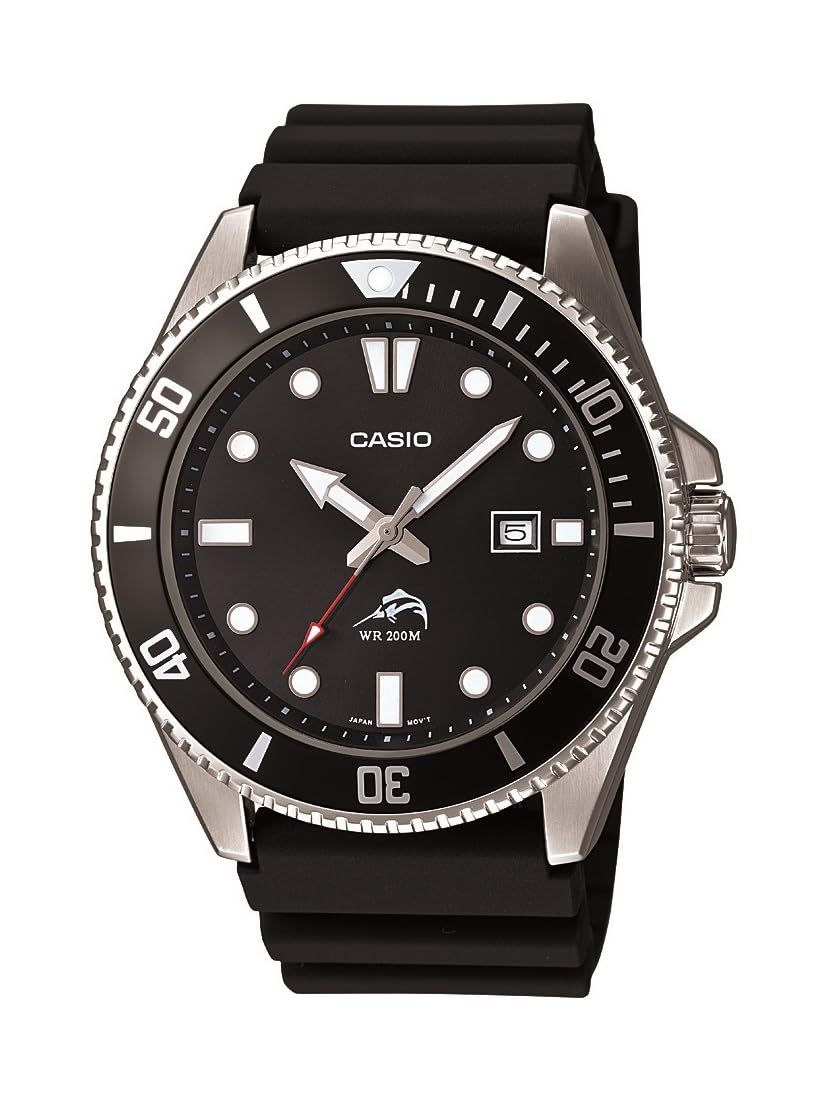
Designed for underwater use with high water resistance, often 200M, and a rotating bezel.
- Durable
- Versatile for sports and casual wear
- Legible dials
- Bulky under a dress shirt
- Often heavier
Best for: Swimmers, divers, outdoor enthusiasts
Example: Casio MDV106
Digital Watch
Displays time digitally, with features like stopwatch, alarm, and backlight.
- Affordable
- Easy to read
- Functional extras
- Less formal
- Resin bands may not suit all occasions
Best for: Students, athletes, everyday casual
Example: Casio AE-1500WH
Chronograph Watch
Features a stopwatch function with sub-dials, powered by quartz or automatic movement.
- Stylish
- Stopwatch for timing events
- Dressy or sporty options
- Can be large
- More complex to set
Best for: Office wear, sports timing, style-focused buyers
Example: Fossil Grant
Automatic Watch
Powered by a mechanical movement that winds from wrist motion, without a battery.
- Craftsmanship appeal
- Smooth sweeping second hand
- Less accurate than quartz
- Requires periodic maintenance
Best for: Enthusiasts, collectors, those who appreciate mechanics
Example: Invicta Pro Diver Automatic
What Actually Matters
| Factor | Importance | Best brand |
|---|---|---|
Water Resistance ≥100M for swimming, ≥200M for diving Anything below 50M is not suitable for swimming; daily splashes from handwashing can damage a watch rated only 30M. | Must-have | Casio |
Movement Type Quartz for accuracy, Automatic for mechanical appeal Quartz is maintenance-free and accurate to ±15 seconds/month; automatic gains or loses a few seconds per day and needs servicing every few years. | Must-have | Invicta (automatic) / Casio (quartz) |
Case Size 38–42mm for wrists under 7 inches, 44–48mm for larger Measure your wrist — a 48mm watch on a 6.5-inch wrist looks oversized and feels heavy. Most buyers should target 40–44mm. | Must-have | Fossil (variety) |
Build Material Stainless steel for durability, resin for lightweight casual Stainless steel resists scratches and corrosion better than plated alloys; resin cases are functional but can feel less premium. | Nice-to-have | Fossil |
Chronograph Functional if you need a stopwatch Most buyers never use the chronograph after the first week; it adds bulk and cost, but looks sporty and prestigious. | Nice-to-have | Fossil |
Brand Prestige Paying extra for a logo rarely improves timekeeping; value brands like Casio and Invicta deliver proven performance backed by thousands of reviews. | Marketing BS | — |
Budget Tiers & Top Picks
What to buy at each price point — and exactly where spending more stops paying off.
Under $60
$30–$60Casio Men's MDV106-1AV 200M Black Dive Watch

Stop paying more: Stop at $60 — the Casio MDV106 offers 200M water resistance and 4.6 stars from 60k reviews, outperforming many watches costing twice as much.
When to upgrade: If you want automatic movement or a dressier design, step up to the mid tier.
$60–$120
$60–$120Fossil Men's Grant Quartz Stainless Steel and Leather Chronograph Watch

Stop paying more: Diminishing returns above $120 for quartz chronographs — the Grant delivers genuine leather, stainless steel, and a 4.7-star rating at this price.
When to upgrade: For bolder styling and a larger case, consider the premium Fossil Nate.
Over $120
$120–$150Fossil Men's Nate Quartz Stainless Steel Chronograph Watch

Stop paying more: Spending more than $150 buys you luxury brand names rather than performance gains.
When to upgrade: If you want Swiss automatic, look above $200, but most buyers will find the Nate's build and look satisfying.
Common Mistakes to Avoid
Buying too large a watch
A 48mm case on a 6.5-inch wrist looks disproportionate and feels heavy, often rubbing against the hand.
Cost of getting it wrong: Replacing with a properly sized watch wastes $50–$150.
Ignoring water resistance
A 30M watch can't handle swimming; even handwashing can cause leaks. Always check the rating.
Cost of getting it wrong: Water damage usually isn't covered by warranty; you'll pay full replacement cost.
Choosing fashion brands over watchmakers
Fashion label watches often use cheap quartz movements and charge a premium for the name, sacrificing durability.
Cost of getting it wrong: You pay for a movement; dedicated watch brands like Casio or Invicta offer better value.
Overlooking case material and durability
Plated finishes wear off within a year, revealing base metal and ruining the look.
Cost of getting it wrong: The watch ends up in a drawer; invest in stainless steel from the start.
Find Your Match
What's your primary use?
Frequently Asked Questions
What's the best men's watch overall?
6-star average from nearly 60,000 Amazon reviews. it's hard to beat for value and durability, especially if you need a watch that can handle swimming and daily wear without worry.
How much should I spend on a men's watch?
A great watch can be found between $30 and $150. Under $60, the Casio MDV106 delivers dive-ready specs. For $60–$120, you can get a leather-strap chronograph like the Fossil Grant. Beyond you're paying for brand names rather than meaningful improvements. Set your budget based on your need for water resistance and style.
Are automatic watches more accurate than quartz?
No, quartz watches are far more accurate, typically gaining or losing only 15 seconds per month, while an automatic can vary by seconds per day. Automatic watches appeal for their mechanical craftsmanship, but they require periodic servicing and are less precise. Choose quartz for hassle-free timekeeping.
What water resistance do I need for swimming?
At minimum, 328.1 feet (10 ATM) is recommended for swimming. For diving or prolonged submersion, look for 656.2 feet (20 ATM) with a screw-down crown. Watches rated only 30 or 164.1 feet are not safe for swimming and can leak during surface water sports. Always check the rating before getting a watch wet.
How do I measure my wrist size for a watch?
Wrap a flexible tape measure or a strip of paper around your wrist just above the bone. Note the measurement in inches or centimeters. Most men's wrists range from 6.5 to 7.5 inches. A watch case of 40–1.73 inches suits average wrists; smaller wrists should stay under 1.65 inches, while larger wrists can pull off 1.81 inches and above.
What's the difference between a dive watch and a chronograph?
A chronograph has a stopwatch function with sub-dials for timing events. Dive watches tend to be sportier and more rugged; chronographs add a sophisticated, functional look. Many watches combine both features, but dedicated dive watches prioritize legibility and durability.
Can I wear a dive watch with a suit?
Yes, especially if the dive watch has a clean, minimalist design and a metal bracelet or leather strap. The Casio MDV106 or Invicta Pro Diver Two Tone can pair well with business casual or even a suit, provided the case is not too thick to slide under a cuff. A dive watch adds a rugged edge to formal wear, reflecting an active lifestyle.
How we wrote this guide
We analyzed over 186,000 verified customer reviews and cross-referenced video and editorial opinions. Our team identified six best-selling watches, ranked them by buyer satisfaction, and broke down the key factors that matter for real-world use. Prices were updated from Amazon in June 2026.
About this guide
Mubboo Editorial Team — independent US-market consumer research. Picks reflect analysis of 186,857 verified buyer reviews across 6 finalists. Prices update weekly from Amazon.