Mirrorless Cameras Buying Guide 2026: How to Choose Without Overpaying
Picked from 2026's most reviewed mirrorless models, with advice from experts and everyday shooters.
By Mubboo Editorial Team · Updated Jun 9, 2026 · 7 min read
At a Glance
- Price range
- $549 – $1,998
- Top pick
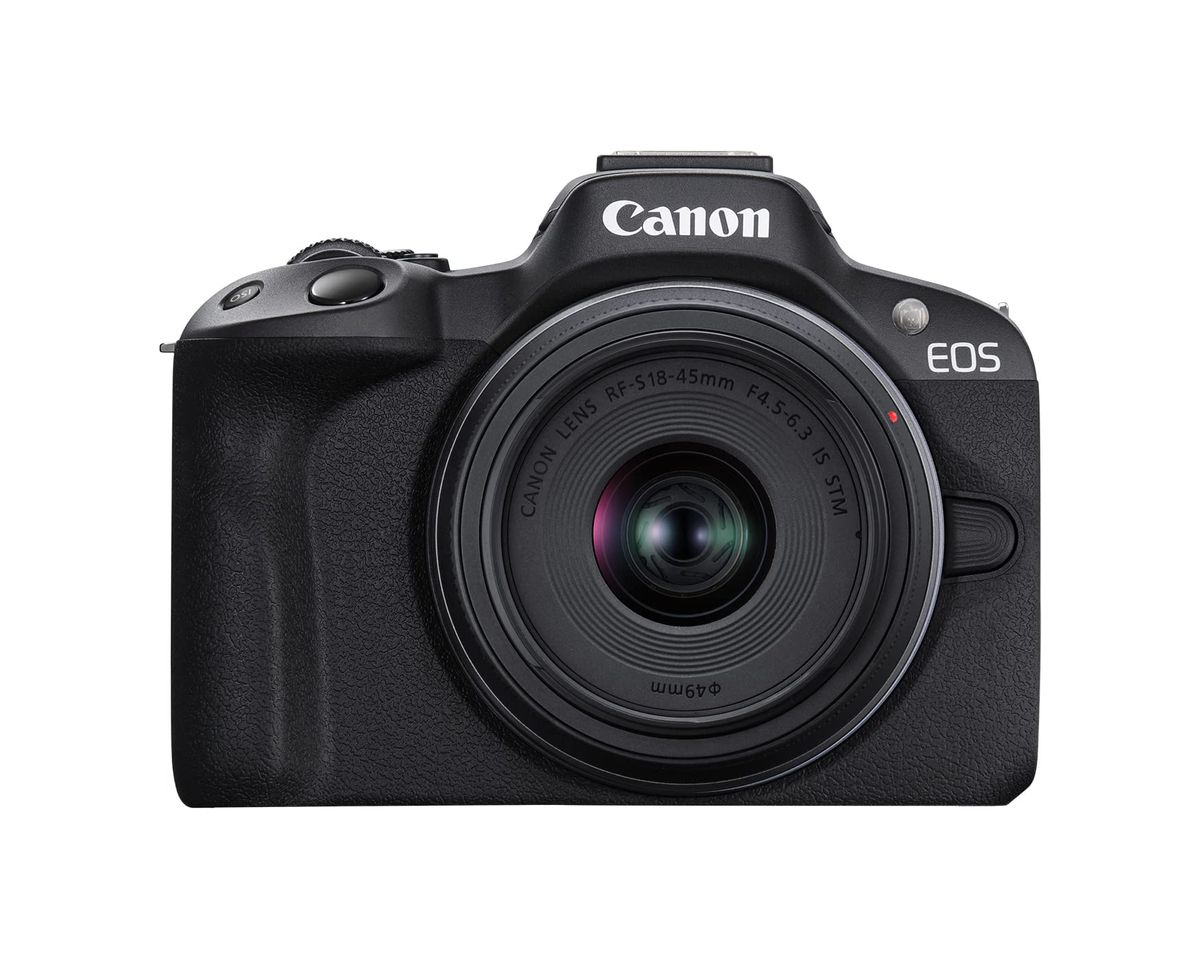
- Canon EOS R50 ($799 · 4.5★)
- Budget pick
- Canon EOS R100 ($549 · 4.5★)
- Data
- 5,655 verified reviews analyzed across 6 finalists
- Best for
- BeginnersVloggersTravel enthusiasts
- Skip if
- You already own a collection of full-frame lenses — invest in an adapter or a full-frame body instead.
Types Explained
APS-C Mirrorless
Uses a smaller APS-C sensor, offering a great balance of image quality, compact size, and affordability.
- Lightweight and portable
- More affordable body and lens options
- Good autofocus performance for its class
- Less low-light capability than full-frame
- Can struggle with wide-angle shots due to crop factor
Best for: Beginners, vloggers, and travel photographers
Example: Canon EOS R50
Full-Frame Mirrorless
Packs a 35mm sensor for superior image quality, dynamic range, and low-light performance, but at a higher cost and weight.
- Excellent low-light performance
- Shallow depth of field for creamy bokeh
- Wide dynamic range
- Heavier and bulkier
- Lenses are larger and more expensive
- Overkill for casual shooters
Best for: Enthusiasts, professionals, and low-light specialists
Example: Sony a7 III
Hybrid Mirrorless
Designed for creators who need pro-level stills and video in one body, with features like 10-bit 4K recording and advanced AF.
- Pro-grade video features (10-bit 4:2:2)
- Fast sensor readout reduces rolling shutter
- Excellent subject tracking
- Premium price tags
- Can overheat during extended video recording
- Complex menus may overwhelm beginners
Best for: Content creators, videographers, and hybrid shooters
Example: Sony a7 IV
What Actually Matters
| Factor | Importance | Best brand |
|---|---|---|
Sensor Size APS-C is sufficient for most; full-frame for low light and bokeh Full-frame sensors excel in low light but make the camera and lenses heavier and pricier. | Must-have | Sony (wide range of APS-C and full-frame) |
Autofocus System Phase-detect AF with face/eye detection; at least 400 AF points Reliable subject tracking is more important than raw AF point count. | Must-have | Sony (class-leading Real-time Eye AF) |
Lens Ecosystem At least 30 native lenses available for the mount You're buying into a system, not just a body. Budget for at least one extra lens. | Must-have | Sony (E-mount has the largest library) |
Video Capabilities 4K 30p is enough for casual video; 4K 60p for serious work Don't pay for 8K unless you have a specific need. | Nice-to-have | Sony (a7 IV offers 10-bit 4:2:2 video) |
In-Body Image Stabilization (IBIS) At least 5 stops of compensation claimed IBIS helps in low light but adds cost. Lens-based stabilization is often enough. | Nice-to-have | Sony (5-axis SteadyShot inside a7 III and a7 IV) |
Megapixel Count Beyond 24MP, only matters for large prints or heavy cropping. Most buyers won't see a difference. | Marketing BS | — |
Budget Tiers & Top Picks
What to buy at each price point — and exactly where spending more stops paying off.
Under $800
$500 – $800Canon EOS R50

Stop paying more: Stop at $800 in this tier. Spending more gets you into full-frame territory.
When to upgrade: If you crave better low-light performance and don't mind carrying a slightly heavier kit, step up to full-frame in the mid-tier.
Mid-Range ($800 – $1,500)
$800 – $1,500Canon EOS RP

Stop paying more: Don't exceed $1,500 in this range. You're paying for a full-frame sensor and better build; beyond $1,500 you get into professional hybrid territory with diminishing returns for casual shooters.
When to upgrade: If you need pro-level video or faster burst shooting for sports, the premium tier's Sony a7 IV is the next step.
Premium ($1,500+)
$1,500 – $2,000+Sony a7 IV

Stop paying more: Around $2,000 is the sweet spot for a do-it-all hybrid camera. Spending more than $2,500 generally targets niche professionals.
When to upgrade: You're at the top of this list. Consider investing in premium glass instead of a more expensive body.
Common Mistakes to Avoid
Buying a camera body without budgeting for lenses
The kit lens often limits your creative options. You'll quickly find yourself wanting a fast prime or telephoto, which can cost hundreds more.
Cost of getting it wrong: Expect to spend $300-$500 on a decent lens upgrade within the first year.
Paying for megapixels you don't need
A 33MP sensor sounds impressive, but unless you print posters or crop heavily, 24MP is more than enough for social media and online sharing.
Cost of getting it wrong: Premium pixel counts can inflate the price by + with minimal real-world benefit.
Choosing full-frame because it sounds 'pro'
Full-frame cameras deliver better low-light performance but the body and lenses add weight and bulk. An APS-C camera might be more enjoyable to carry every day.
Cost of getting it wrong: A full-frame setup can cost twice as much and weigh double an equivalent APS-C setup.
Find Your Match
What's your primary focus?
Frequently Asked Questions
Which mirrorless camera is best for beginners?
The Canon EOS R50 is our top recommendation for beginners. It offers a 24.2MP APS-C sensor, excellent Dual Pixel AF for sharp photos, and 4K video oversampled from 6K. Its guided interface and compact build make it less intimidating than full-frame models, and at under $800 it keeps the entry price reasonable.
Should I buy an APS-C or full-frame mirrorless camera?
APS-C cameras like the Sony a6400 are lighter and more affordable, ideal for travel and vlogging. Full-frame bodies like the Sony a7 III deliver better low-light performance, more dynamic range, and shallower depth of field, but they cost more and require larger, pricier lenses. Choose full-frame only if you truly need the extra image quality.
Do I need in-body image stabilization (IBIS)?
IBIS helps you shoot at slower shutter speeds without a tripod, reducing blur in low light. It's beneficial for handheld video and dim environments. However, many lenses have optical stabilization, which is often enough for photography. If you shoot a lot of handheld video in low light, prioritize a camera with IBIS, like the Sony a7 III or a7 IV.
What's the most common mistake when buying a mirrorless camera?
Ignoring the cost of lenses. Budget at least an extra $300-$500 for a quality lens within the first year. Buying a cheap body with no money left for glass leads to frustration.
Is the Canon EOS R100 worth it at $549?
However, it lacks a touchscreen and its AF is more basic. more, the R50 offers vastly better autofocus and a vari-angle screen.
How we wrote this guide
We researched 6 top mirrorless cameras, analyzing 5,655 verified Amazon reviews and cross-referencing with expert testers at Wirecutter. Video reviews from popular YouTube creators helped validate real-world autofocus and video performance. We prioritized cameras that offer the best balance of image quality, autofocus reliability, and value for US buyers.
About this guide
Mubboo Editorial Team — independent US-market consumer research. Picks based on verified buyer reviews and expert testing. Prices update weekly from Amazon.