How to Choose a Modeling Clay (2026 Guide)
From air-dry to polymer, find the perfect clay for your project.
By Mubboo Editorial Team · Updated Jun 9, 2026 · 7 min read
At a Glance
- Price range
- $5 – $15
- Data
- 120,700+ verified reviews analyzed across 6 finalists
- Best for
- First-time sculptorsParents buying for creative kidsDIY home decor enthusiastsClassroom art projects
- Skip if
- You only need play dough for toddlers—non-drying clay is more appropriate.
Types Explained
Air-Dry Clay
Hardens at room temperature; no kiln or oven required. Ideal for permanent sculptures.
- No baking—just leave out to dry
- Lightweight and easy to shape
- Can be painted after drying
- Can crack if dried too fast or unevenly
- Not reusable once dry
- May be dusty or messy
Best for: Sculptures, figurines, ornaments, classroom projects
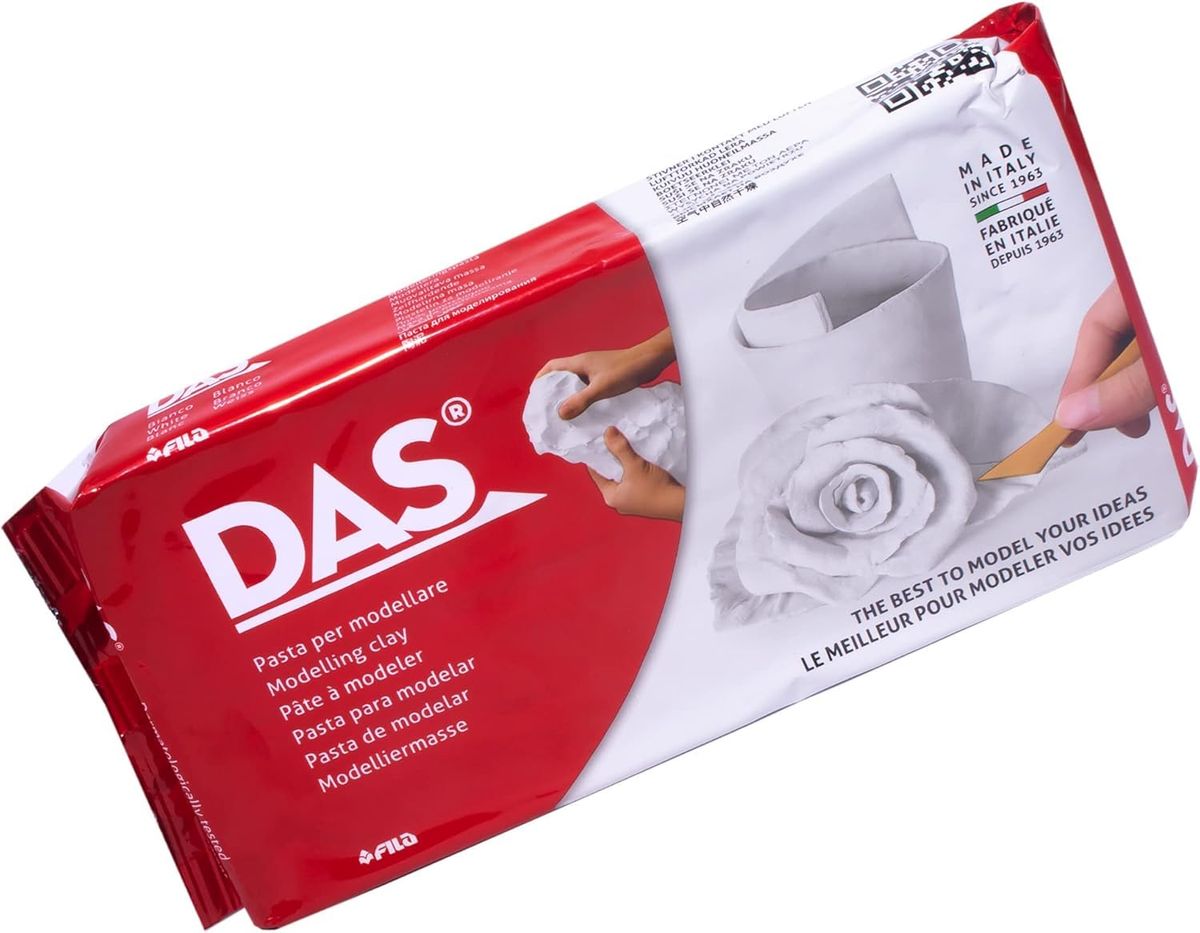
Example: DAS Air-Hardening Modeling Clay (2.2 lb)
Polymer (Oven-Bake) Clay
Stays soft until baked in a home oven. Ideal for detailed miniatures and jewelry.
- Hardens permanently with oven baking
- Holds fine detail perfectly
- Can be carved and sanded after hardening
- Requires an oven and precise temperature
- Not suitable for very young children unsupervised
- Small blocks may need conditioning
Best for: Jewelry, miniatures, charms, professional crafts
Example: FIMO Soft Modeling Clay (57 g)
Non-Drying Modeling Clay
Never hardens; reusable and best for play and practice.
- Endlessly reusable—reshape forever
- Lightweight and spongy, sticks to itself
- Bright colors; no drying out
- Cannot create permanent items
- Colors may mix if stored together
- Not for fine details
Best for: Young children ages 4+, playful sculpting, classroom practice
Example: Crayola Modeling Clay in Bold Colors (2 lbs)
What Actually Matters
| Factor | Importance | Best brand |
|---|---|---|
Type of Clay Decide: air-dry, oven-bake, or non-drying This is the single most important decision—match the clay type to your project’s permanence needs. | Must-have | DAS (air-dry) / FIMO (polymer) / Crayola (non-drying) |
Project Permanence Permanent? Choose air-dry or oven-bake. Reusable? Non-drying. If you want a keepsake that lasts years, skip non-drying clay altogether. | Must-have | DAS for permanent air-dry, FIMO for permanent polymer, Crayola for reusable playsheets |
Color Options Multicolor for immediate creativity; white for painting later White air-dry clay like DAS must be painted after drying, while polymer sets often come in vibrant pre-mixed colors. | Nice-to-have | CiaraQ (24 colors, polymer) / Crayola (8 colors, non-drying) |
Quantity Needed Small projects: 2‑4 oz; classroom/group: 2‑5 lbs Larger blocks generally offer better value per ounce, especially for classroom or group use. | Nice-to-have | Crayola Air Dry 5 lb for bulk, FIMO 2 oz for detail work |
Age Appropriateness Ages 4+: non-drying; 6+: supervised air-dry; 10+: oven-bake with adult help Always check ASTM D‑4236 certification for safety, and supervise younger children with any clay. | Must-have | Crayola non-drying (ages 4+), ifergoo foam clay (ages 3+) |
Drying Speed Claims 'Dries in 24 hours' often only applies to thin pieces. Thicker sculptures require days. Patience is the real key—no clay magically speeds up drying. | Marketing BS | — |
Budget Tiers & Top Picks
What to buy at each price point — and exactly where spending more stops paying off.
Under $8
$5 – $8CiaraQ Polymer Clay Kit, 24 Colors

Stop paying more: Stop at $8. You get 24 colors and a sculpting tool—perfect for learning. Spending more only gets you larger blocks.
When to upgrade: Ready for professional-grade air-dry smoothness? Step up to DAS at $14.24.
$8 – $12
$8 – $12Crayola Air Dry Clay, 5 lb Bucket

Stop paying more: At $11.24, this bucket is the sweet spot for classrooms and large projects. 5 lbs go a long way.
When to upgrade: For finer texture and less cracking, the DAS 2.2‑lb block ($14.24) is the next step.
$12 – $15
$12 – $15DAS Air-Hardening Modeling Clay, 2.2 lb

Stop paying more: You’ve reached the top tier for modeling clay. Italian-made DAS has been the artist’s choice since 1963, and its texture and consistency are unmatched at this price.
Common Mistakes to Avoid
Buying the wrong type of clay
Many beginners grab polymer clay thinking it’s air-dry, then realize they can’t bake it. Others buy non-drying clay expecting a permanent sculpture.
Cost of getting it wrong: Wasted $7–$15 and a ruined project.
Rushing the drying process
Thick air-dry projects left to dry too fast crack in the center. Realistic drying takes 48–72 hours for pieces over an inch thick.
Cost of getting it wrong: A cracked sculpture means throwing away hours of work and starting over.
Not conditioning polymer clay
Oven-bake clay straight from the package can be crumbly and brittle after baking. Knead it thoroughly until pliable.
Cost of getting it wrong: Broken charms that snap apart within days—$10 wasted.
Storing clay improperly
Air-dry clay left uncovered dries into a rock; non-drying clay exposed to air turns stiff. Always seal in airtight containers.
Cost of getting it wrong: Half-used blocks turning unusable—another $8–$14 gone.
Find Your Match
What will you mainly use the clay for?
Frequently Asked Questions
What's the difference between air-dry and polymer clay?
Air-dry clay hardens naturally at room temperature over 18–48 hours—no oven needed. Polymer clay requires baking at around 230°F for 30 minutes to set. Air-dry is lightweight and easy for kids, while polymer yields harder, more durable pieces ideal for jewelry and miniatures. Choose based on your project's permanence needs and your access to an oven.
Which modeling clay is best for beginners?
For absolute beginners, a non-drying clay like Crayola Modeling Clay (2 lbs) lets you practice without pressure—reshap endlessly. For permanent crafts, Crayola Air Dry Clay (5 lbs) is forgiving and classroom-friendly. If you're drawn to colorful charms, the CiaraQ Polymer Clay Kit includes 24 colors and a tool to get started with oven-bake.
How much clay do I need for a small project?
A single 2‑oz block like FIMO Soft can produce a few miniature figurines or a small jewelry piece. For larger sculptures up to 6 inches tall, a 2.2‑lb block like DAS provides ample material. For classrooms or multiple kids, a 5‑lb bucket is the best value. Start small and buy more if needed.
Is modeling clay safe for kids?
Most modeling clays are non‑toxic and carry ASTM D‑4236 certification. Crayola Modeling Clay (2 lbs) is safe for ages 4+, and ifergoo foam clay is even lighter and non‑messy. For oven‑bake clays, supervise children—the baking step requires adult handling. Always check labels for age recommendations and allergen info.
How much should I spend on modeling clay?
You can get a quality starter set under $10, like the CiaraQ 24‑color polymer kit or ifergoo foam clay. For classrooms, the Crayola Air Dry 5‑lb bucket is unbeatable value. Artists seeking professional smoothness and detail will spend on DAS 2.2‑lb blocks. Spending more than is unnecessary—the top performers sit right.
What should I avoid when buying modeling clay?
Avoid buying polymer clay if you don’t have an oven, and skip non‑drying clay if you want a permanent keepsake. Watch out for tiny sample packs—they run out fast and frustrate beginners. Don’t ignore drying times: thick air‑dry pieces can take days. Finally, avoid clays that arrive dry or crumbly; stick to highly rated, fresh stock.
How we wrote this guide
Our research analyzed six top-selling modeling clays across major US retailers. We pored over 120,700+ verified Amazon buyer reviews, cross-referencing real-world feedback on workability, drying reliability, and durability. Insight from craft-focused YouTube channels like Aussie Crafter and I The Crafter helped validate our picks. No brand or manufacturer influenced our selections—every recommendation reflects independent assessment of community-sourced data and product specifications.
About this guide
Mubboo Editorial Team — independent US-market consumer research. Picks informed by 120,700+ verified buyer reviews, YouTube craft comparisons, and product specifications.