How to Choose a Motor Oil (2026 Guide)
From viscosity grades to oil change intervals, a straightforward guide to picking the right oil for your car or truck.
By Mubboo Editorial Team · Updated Jun 9, 2026 · 10 min read
At a Glance
- Price range
- $19.97–$26.97 per 5-quart jug
- Data
- 86,893 verified reviews across 6 popular motor oils
- Best for
- Most gasoline cars and light trucksDaily driving in moderate climates
- Skip if
- Your engine requires 5W-20 or 0W-20 — always match the viscosity in your manual.
Types Explained
Synthetic Blend / High-Mileage
A mix of synthetic and conventional base oils, often with added seal conditioners for aging engines.
- Prevents leaks
- Costs less than full synthetic
- Good for moderate use
- Shorter change intervals than full synthetic
- Not for extreme conditions
Best for: Vehicles over 75,000 miles or budget-conscious drivers
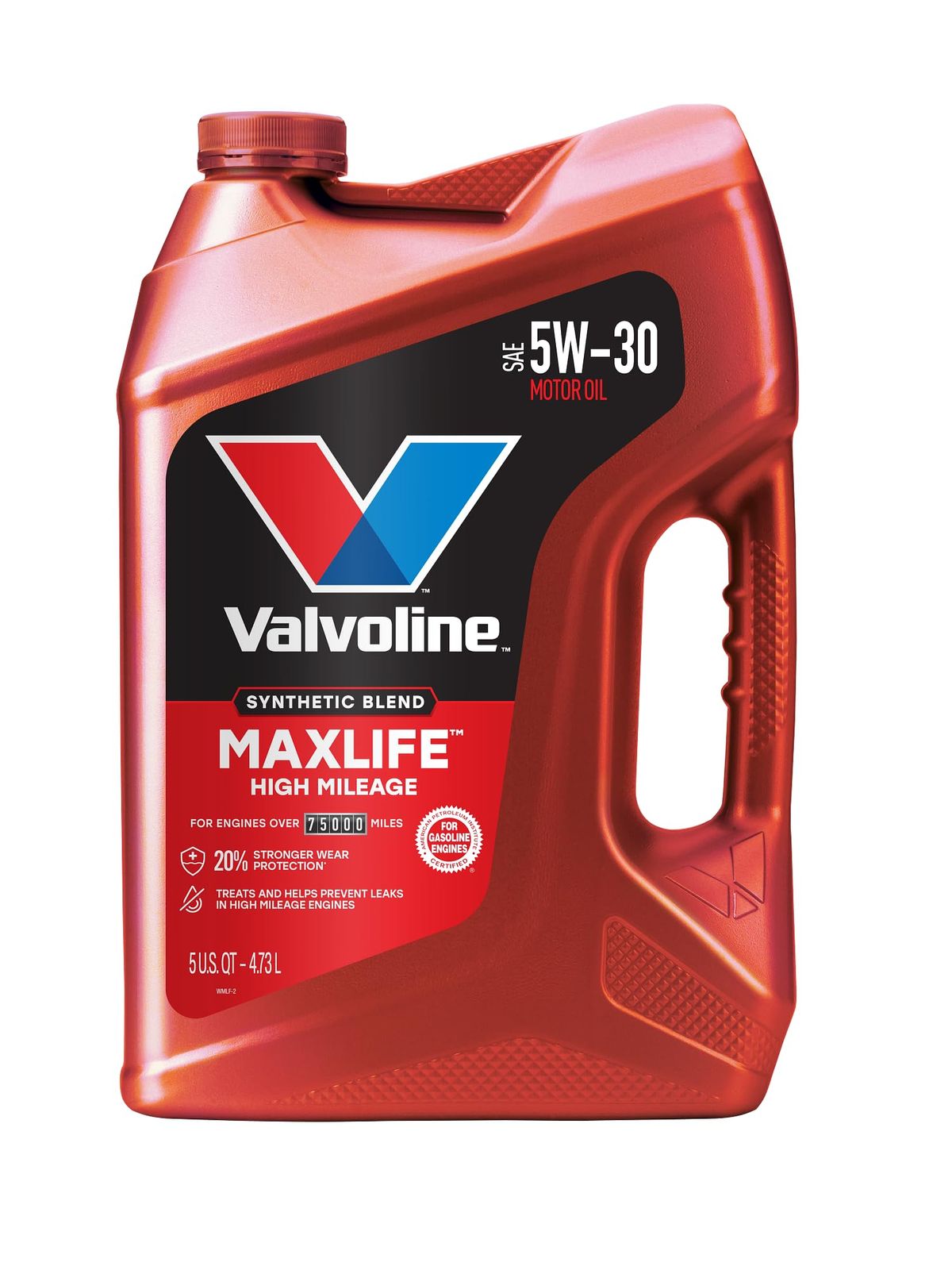
Example: Valvoline MaxLife High Mileage 5W-30 Synthetic Blend
Full Synthetic
Engineered from chemically modified base oils, providing superior wear protection, heat resistance, and longer oil change intervals.
- Excellent wear protection
- Resists breakdown at high temperatures
- Longer change intervals
- Higher cost per quart
- May not benefit older engines
Best for: Modern engines, performance driving, and extreme conditions
Example: Valvoline Advanced Full Synthetic SAE 5W-30
Diesel Engine Oil
Formulated with high-quality base oils and additives to handle the heavy loads and soot contamination of diesel engines.
- Meets heavy-duty specifications
- Often includes fuel-economy benefits
- Protects exhaust after-treatment systems
- Not for gasoline engines
- Slightly thicker viscosity may affect cold starts
Best for: Diesel trucks, equipment, and heavy-duty use
Example: Shell Rotella T6 Full Synthetic 5W-40
What Actually Matters
| Factor | Importance | Best brand |
|---|---|---|
Viscosity Grade (5W-30, 0W-20, etc.) Match your owner’s manual exactly Using the wrong viscosity can reduce fuel economy or cause engine wear. Stick to what the manual says. | Must-have | All major brands meet SAE J300 |
Oil Type (Conventional, Blend, Full Synthetic) Full synthetic for most; blend for high-mileage; conventional for older low-performance engines Don’t pay for full synthetic if your car doesn’t need it. Conversely, high-performance engines demand synthetic to avoid premature wear. | Must-have | Valvoline and Castrol synthetic blends |
API Certification (SP, SN, etc.) Look for the API donut and at least SN rating API SP is the latest standard for gasoline engines; API CK-4 for diesel. Older certifications are okay but not ideal. | Must-have | Valvoline, Castrol, Shell all meet API SP |
Additive Package (wear protection, detergents) Look for claims like ‘40% stronger wear protection’ Better additives help keep your engine cleaner and reduce wear, but all quality oils meet a minimum. The premium you pay for advanced additives may be worth it for hard-driven engines. | Nice-to-have | Valvoline Advanced and Castrol EDGE |
Brand Reputation No need to buy the most famous brand Motor oil is a commodity. As long as it carries the API donut and the right viscosity, the brand matters less than you think. Paying extra for a label rarely translates to better engine protection. | Marketing BS | Any major brand with API certification |
Budget Tiers & Top Picks
What to buy at each price point — and exactly where spending more stops paying off.
Under $20
$19.97 per 5-quart jugValvoline MaxLife High Mileage 5W-30 Synthetic Blend Motor Oil 5 Quart
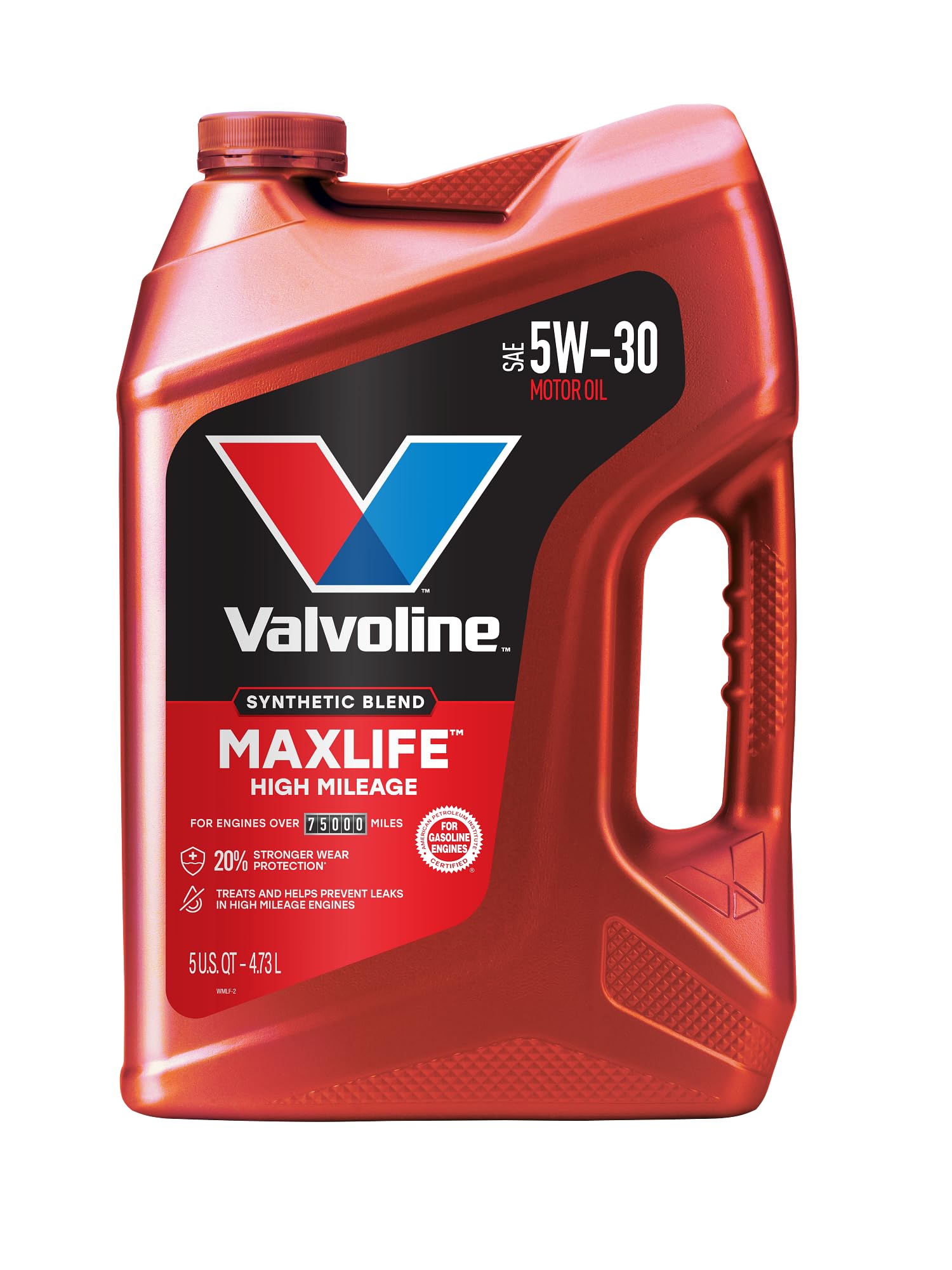
Stop paying more: Stop at $20—higher-priced blends offer minimal extra protection. You’re getting solid wear protection and leak prevention.
When to upgrade: If your engine is still tight and you want maximum protection, step up to a full synthetic for about $7 more per jug.
$20–$25
$23.46–$23.97 per jugCastrol EDGE 5W-30 Advanced Full Synthetic Motor Oil, 5 Quarts

Stop paying more: At $25, premium features like 3X stronger viscosity breakdown protection become available. Above $25, you’re paying for niche performance oils.
When to upgrade: If you tow, race, or need the absolute best protection, the premium tier offers 10X better high-stress performance.
$25–$30
$26.97 per jugValvoline Advanced Full Synthetic SAE 5W-30 Motor Oil 5 QT
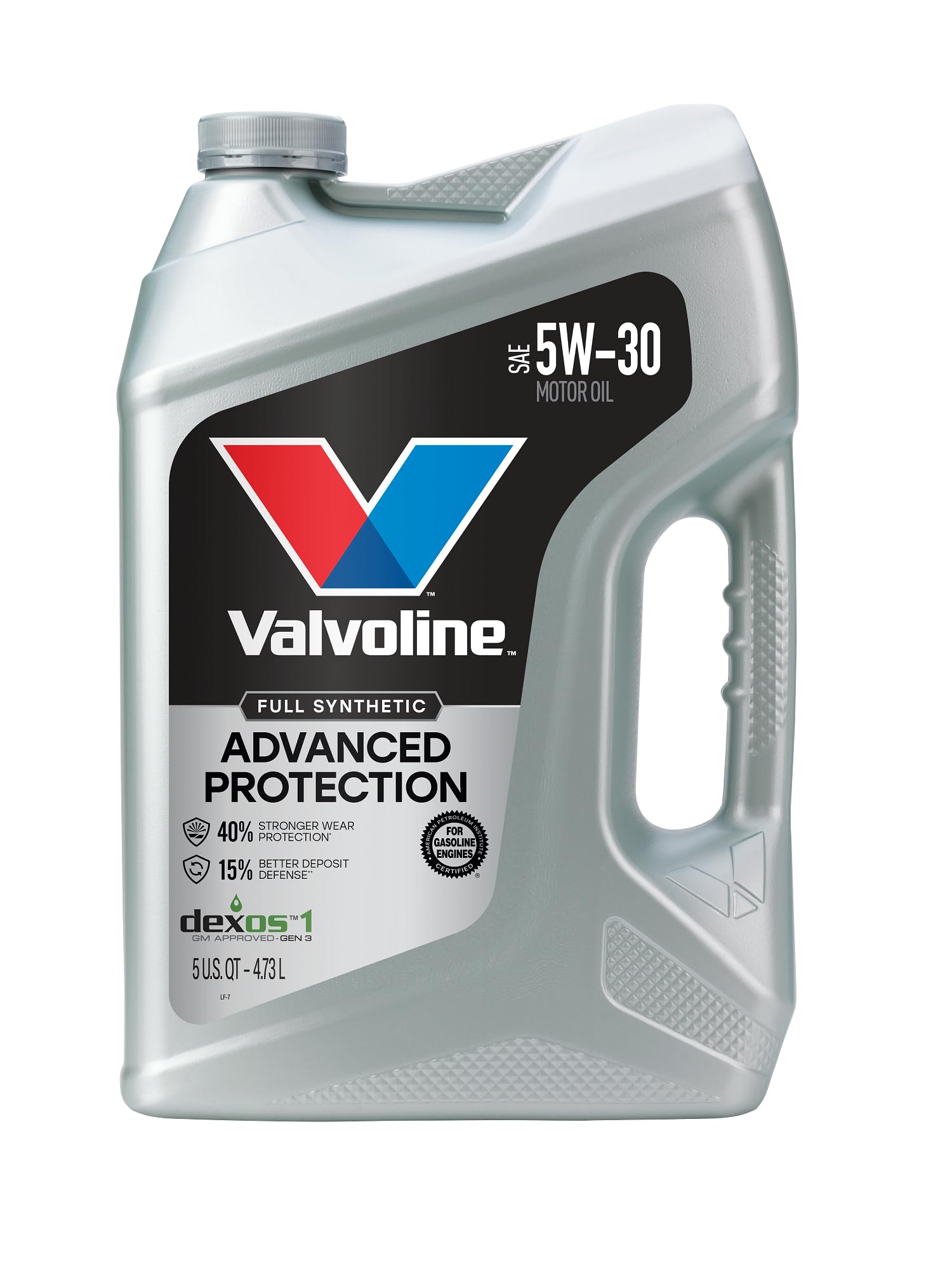
Stop paying more: Beyond $30, you enter boutique racing oils with minimal returns for daily drivers. The Valvoline Advanced at $26.97 is the sweet spot for top-tier daily protection.
When to upgrade: If your car calls for 0W-20 or 5W-20, the equivalent Valvoline Advanced oils offer the same protection at the same price.
Common Mistakes to Avoid
Using the wrong viscosity
Many drivers pour 10W-30 into an engine designed for 5W-20, thinking it’s ‘better protection.’ In reality, thicker oil can reduce fuel economy, cause harder cold starts, and starve bearings of flow.
Cost of getting it wrong: Potential engine damage, reduced efficiency.
Ignoring high-mileage needs
Engines with over 75,000 miles often benefit from seal conditioners and extra detergents in high-mileage oils. Sticking with standard oil can lead to leaks and increased oil consumption.
Cost of getting it wrong: Oil leaks, premature wear.
Mixing oil types
It’s okay to top off with a different brand in an emergency, but regularly mixing synthetic blend with full synthetic or putting diesel oil in a gas engine can degrade performance and protection.
Cost of getting it wrong: Reduced protection, possible chemical incompatibility.
Find Your Match
What type of engine do you have?
Frequently Asked Questions
How much should I spend on motor oil?
High-mileage blends or conventional synthetics can be had for under $20. Paying more than per jug rarely translates to noticeable benefits unless you tow, race, or need a specialized diesel oil. Stick to well-known brands that meet API requirements.
What should I avoid when buying motor oil?
Never use a viscosity grade not listed in your owner’s manual. Avoid oils without the API certification donut. Don’t mix diesel oil into a gasoline engine. Don’t buy ‘racing’ oil for street use—it lacks the detergents needed for daily driving. Finally, don’t rely on color or smell to judge oil quality; trust the specifications.
What’s the difference between synthetic blend and full synthetic?
Synthetic blend mixes conventional and synthetic base oils, offering better protection than conventional at a lower cost than full synthetic. Full synthetic is chemically engineered for superior heat resistance, better cold flow, and longer change intervals. For most modern engines, full synthetic is the gold standard, but blends are fine for older or less demanding engines.
How often should I change my oil?
Follow your manufacturer’s recommendation—typically every 5,000 to 7,500 miles with conventional or blend, and up to 10,000 miles with full synthetic. Some premium synthetics claim up to 20,000 miles, but severe driving (towing, dusty roads, short trips) may require earlier changes. Always check your manual and consider an oil analysis kit for accuracy.
Can I switch between conventional, blend, and full synthetic?
Yes, you can switch at any oil change. There’s no need to flush the engine. Just use the correct viscosity. However, if your car has high mileage and has been running conventional, switching to synthetic may expose leaks due to its superior cleaning properties.
Does the brand of oil really matter?
Not as much as you might think. Major brands like Valvoline, Castrol, and Shell all meet the same API standards. As long as the oil carries the appropriate API certification and correct viscosity, it will protect your engine. The real differentiators are additive packages and consistency, not marketing.
What’s the best oil for diesel engines?
Diesel engines require oils formulated to handle soot, higher compression, and often hotter operation. Look for API CK-4 certification.
How we wrote this guide
We researched 86,893 verified buyer reviews across 6 popular motor oils, cross-referenced viscosity grades and OEM specifications, and consulted industry benchmarks to surface the picks that deliver real engine protection without overpaying. Prices reflect Amazon as of June 2026.
About this guide
Mubboo Editorial Team — independent US-market consumer research. Picks reflect editorial analysis of 86,893 verified buyer reviews and manufacturer specifications. Prices update weekly from Amazon.