How to Choose a Motorcycle Helmet (2026 Guide)
Protect your head without overpaying — our data-driven guide cuts through the hype
By Mubboo Editorial Team · Updated Jun 9, 2026 · 8 min read
At a Glance
- Price range
- $67 – $150
- Data
- 51,723 verified reviews across 6 finalists
- Best for
- Daily commutingBudget-conscious ridersAll-season riding
- Skip if
- You only ride at very high speeds on track — then consider a Snell-certified race helmet
Types Explained
Standard Full-Face Helmet
A one-piece shell covering the entire head and chin, offering the most protection and minimal wind noise.
- Maximum coverage and safety
- Quietest design at speed
- Wide range of sizes and prices
- Must remove to eat or drink
- Can feel claustrophobic in traffic
- Heavier than some modulars
Best for: Daily commuting, long-distance touring, and safety-first riders
Example: ILM-313 Full Face
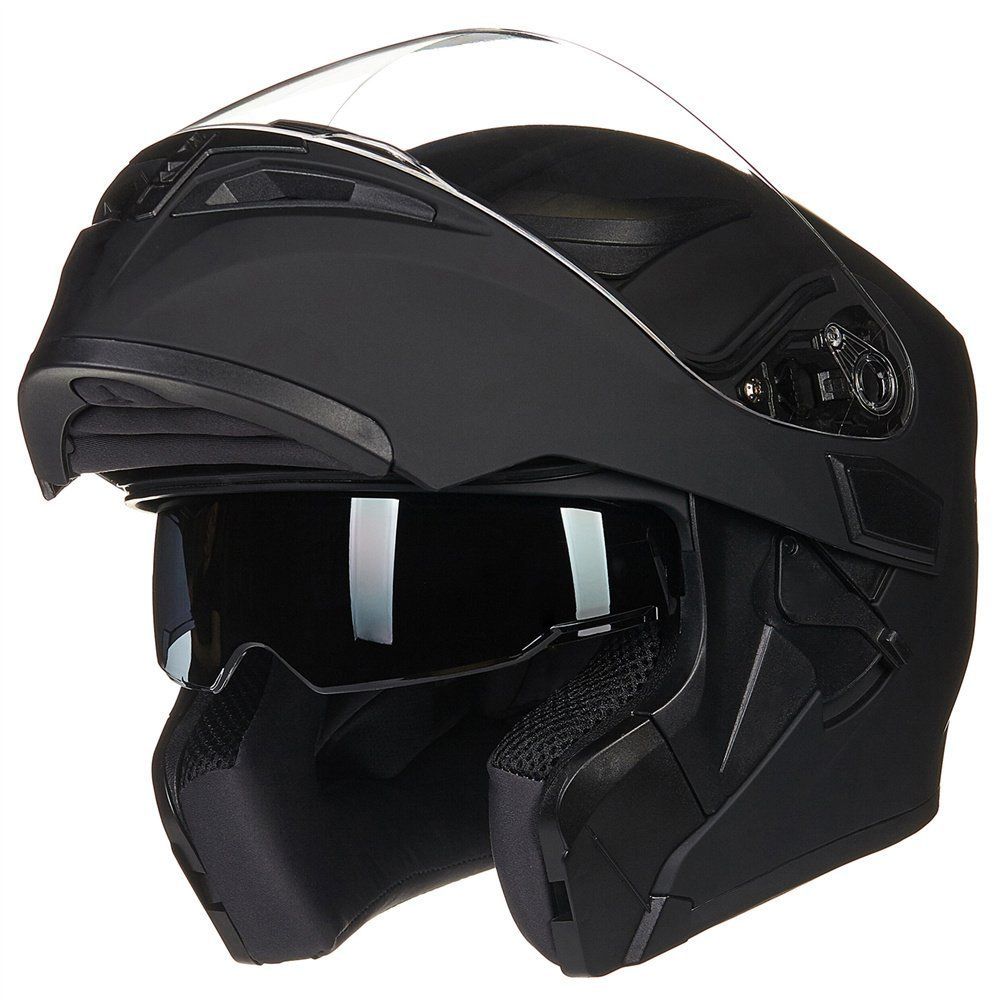
Modular (Flip-Up) Helmet
A hybrid with a hinged chin bar that flips up, combining full-face protection with open-face convenience.
- Easy to drink, talk, or use a phone without removing
- Still offers chin protection when closed
- Often includes dual visors
- Heavier than fixed full-face
- More moving parts to break
- Slightly more wind noise
Best for: Riders who frequently stop or need to interact, like tourers or commuters
Example: ILM-902 Modular
Compact Full-Face Helmet
A smaller, lighter full-face design that sits closer to the head, prioritizing aerodynamics and reduced fatigue.
- Weighs under 3.5 lbs
- Less wind buffeting at highway speeds
- Sleek, modern look
- Less interior space for glasses or comms
- May fit tighter around cheeks
- Usually fewer vents
Best for: Sportbike riders and those who want a lightweight, minimalist helmet
Example: GLX GX11 Compact
What Actually Matters
| Factor | Importance | Best brand |
|---|---|---|
Safety Certification DOT at minimum; ECE or Snell are better A DOT sticker isn't enough — look for FMVSS 218 compliance. The Bell Qualifier adds ECE, the strictest standard. | Must-have | BELL (DOT + ECE22.06) scores highest |
Proper Fit (Head Shape & Size) Snug but not painful; crown, cheek, and temple contact evenly Use a cloth tape to measure your head circumference, then consult the brand's size chart. Try a medium and large if in between. | Must-have | GLX with multiple shell sizes accommodates oval heads, Bell offers 3 sizes |
Ventilation At least 6 intakes/exhausts for Texas summers Adjustable vents let you close them in rain. The ILM-902's 6-vent system works well for most climates. | Must-have | GLX GX11 leads with 7 vents and wind-tunnel tuning |
Weight Under 4 lbs for all-day comfort; the ILM-313 is just 2.98 lbs Lighter helmets reduce neck strain during long rides, but heavier ones (4.6 lbs on the ILM-902) may have more features. | Nice-to-have | ILM's ILM-313 is the lightest at 2.98 lbs |
Visor Quality Anti-scratch and anti-fog coatings, quick-change system ideal A second tinted visor is a bonus for sunny days. The 1Storm includes a smoked shield, saving you +. | Nice-to-have | GLX's quick-change shield system stands out |
Bluetooth or Communication Integration None — you can buy a clamp-on communicator for under $50 Don't pay a premium for integrated comms. Aftermarket units from Cardo or Sena are cheaper, upgradable, and often better. | Marketing BS | N/A |
Budget Tiers & Top Picks
What to buy at each price point — and exactly where spending more stops paying off.
Under $75 (Budget)
$67 – $75ILM Full Face Street Bike Helmet ILM-313

Stop paying more: Stop at $75. The ILM-313 is the lightest and includes a smoked visor and winter scarf—features you'd pay extra for elsewhere. Spending more doesn't buy noticeably better protection at this tier.
When to upgrade: Ready for a modular design or ECE certification? Jump to the $90–$150 tier.
$75 – $100 (Mid-Range)
$75 – $100ILM Modular Dual Visor Helmet ILM-902

Stop paying more: Diminishing returns above $100 unless you need ECE certification. The ILM-902 already has a flip-up design and a secondary sun visor—features you'd otherwise spend $150+ for.
When to upgrade: For top safety bros? Consider the Bell Qualifier at $149.95 with DOT and ECE22.06.
$100 – $150 (Premium)
$100 – $150Bell Qualifier Full Face Helmet
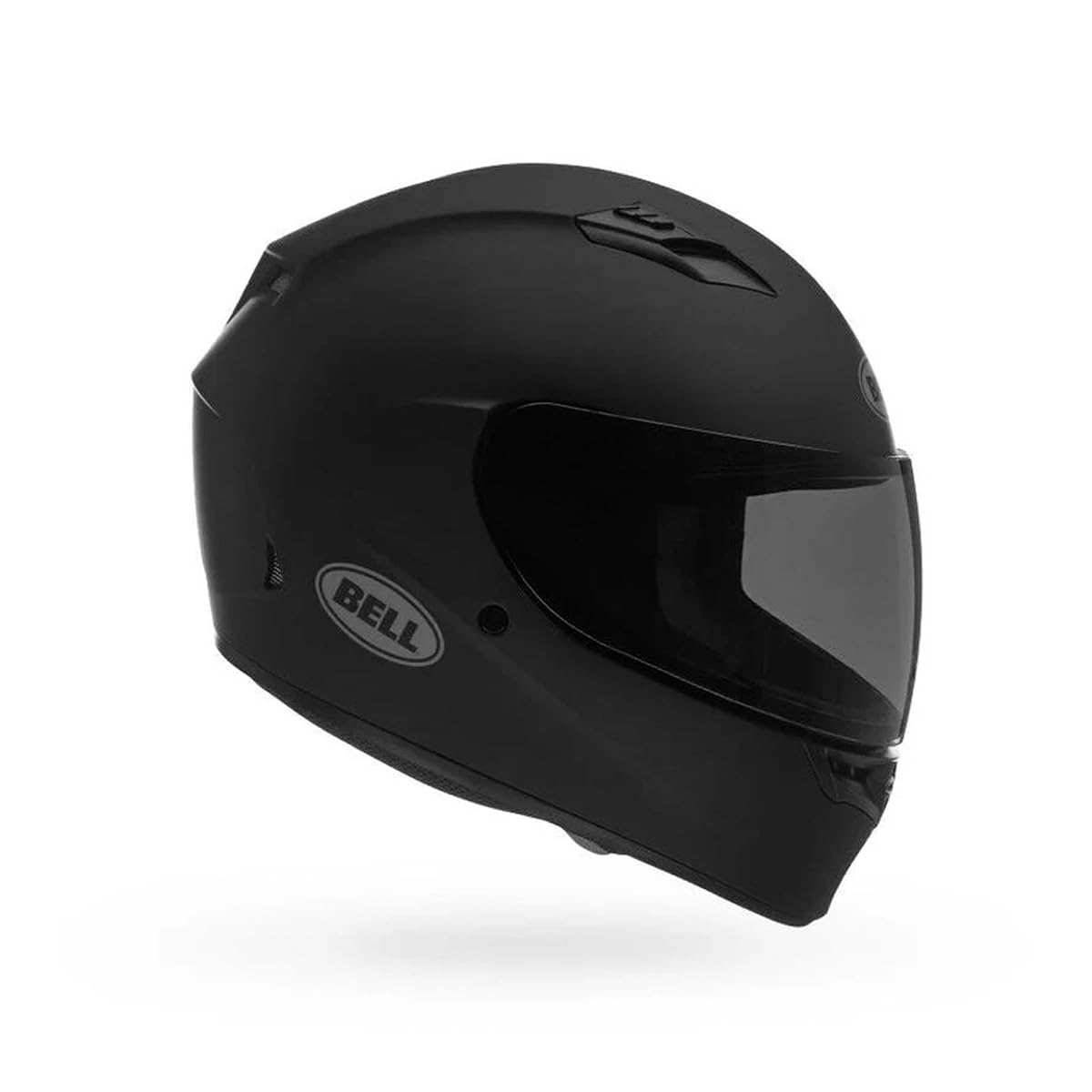
Stop paying more: Stop at $150. The Bell Qualifier’s dual certification and antibacterial interior are as good as it gets without jumping to $300+ racing lids.
When to upgrade: Consider only if you ride track: then look at Snell-rated helmets above $300.
Common Mistakes to Avoid
Buying a helmet too large for ‘comfort’
A loose helmet can fly off in a crash. The fit should be snug—cheek pads pressing firmly, with no forehead pressure points.
Cost of getting it wrong: The false economy of comfort could cost your life.
Relying on price as a proxy for safety
All helmets must meet DOT; many budget helmets score well. The 1Storm passes the same FMVSS 218 as a Bell.
Cost of getting it wrong: Spending an extra doesn’t always buy better protection—you’re often paying for brand or features.
Ignoring head shape—just buying by circumference
Human heads are round, oval, or intermediate. A helmet that fits one shape may hurt another. GLX is oval; Bell offers three shell sizes.
Cost of getting it wrong: Returns cost time and shipping; a poorly fitted helmet remains unused.
Not replacing after a drop or crash
Even a low-speed fall can compromise the EPS liner. Manufacturer’s warranty only covers defects, not crash damage.
Cost of getting it wrong: every few years is cheap insurance for your brain.
Find Your Match
What’s your primary riding style?
Frequently Asked Questions
How much should I spend on a motorcycle helmet?
A safe, well-ventilated full-face helmet can be found between $67 and $150. Spending more, up to $150, adds dual certification (DOT + ECE) and premium materials. Beyond you reach diminishing returns unless you need a Snell-rated race helmet.
Is a more expensive helmet always safer?
Not necessarily. All helmets sold in the US must meet DOT standards, and many budget models pass the same FMVSS 218 tests as premium ones. Price often pays for brand, comfort features, or lower weight. The Bell Qualifier adds ECE22.06 certification, which is stricter, but a helmet can protect just as well in a crash.
Which is better: full-face or modular?
Full-face helmets offer maximum protection and are quieter, making them ideal for long rides. Modular helmets add convenience with a flip-up chin bar, perfect for commuters who often stop to talk or drink. The modular's weight penalty (4.6 lbs vs. 2.
How do I know if a helmet fits properly?
Measure your head circumference and consult the brand’s size chart. The helmet should feel snug—cheek pads pressing firmly, no forehead hot spots, and it shouldn’t move when you shake your head. GLX accommodates oval head shapes, while Bell offers three shell sizes for a more customized fit.
What should I avoid when buying a helmet?
Skip novelty helmets without DOT labels, and avoid loose fits. Don’t assume a higher price means better protection—check for dual certification if that matters. Also, steer clear of helmets with fixed, non-adjustable vents that can fog in rain. Finally, never ignore head shape: a round head in an oval helmet will hurt.
Does the helmet’s weight really matter?
Yes, especially on long rides. A heavy helmet (over 4 lbs) strains neck muscles, causing fatigue. 98 lbs is noticeably lighter. However, heavier helmets like the ILM-902 often pack more features (dual visors, modular). For daily commutes under an hour, weight matters less than fit.
Can I use a motorcycle helmet for other activities?
Only if it’s a dedicated multi-sport helmet with appropriate certifications. Motorcycle helmets aren't designed for activities like bicycling, skiing, or construction. For those, look for CPSC, ASTM, or ANSI certifications. Using a motorcycle helmet for the wrong activity may compromise safety and void warranties.
How often should I replace my motorcycle helmet?
Manufacturers recommend replacement every 5 years from the date of manufacture, even without impact, as EPS liners degrade. Replace immediately after any crash, even a low-speed drop, as the inner foam may be compromised. If the interior padding collapses or the fit becomes loose, that’s also a sign it’s time for a new one.
How we wrote this guide
We analyzed six finalist helmets through over 51,000 verified Amazon reviews, incorporating safety testing frameworks from Wirecutter and expert video insights from RevZilla and Champion Helmets. Our criteria prioritized DOT and ECE certifications, head shape compatibility, ventilation performance, and long-term owner feedback to create this independent 2026 buyer’s guide.
About this guide
Mubboo Editorial Team — independent US-market consumer research. Picks reflect editorial consensus from 3 expert sources and 51,723 verified buyer reviews. Prices update weekly from Amazon.