Multivitamins: How to Pick the Right One for Your Age, Gender, and Budget
Stop guessing which daily multivitamin fits your life. We break down the formulas that matter, the ones that don’t, and the price sweet spot.
By Mubboo Editorial Team · Updated Jun 21, 2026 · 8 min read
At a Glance
- Price range
- $10 – $25
- Data
- Based on analysis of over 221,000 verified Amazon reviews and expert ratings across 6 top multivitamins.
- Best for
- Men seeking a straightforward daily multivitaminWomen who prefer smaller, easier tabletsAdults over 50 needing age-specific supportBudget shoppers who want a reliable gummy option
- Skip if
- You already eat a balanced, nutrient-dense diet and your doctor confirms no deficiencies.
Types Explained
Men’s Multivitamins
Formulated with higher levels of nutrients like zinc and selenium to support men’s health, including prostate, heart, and muscle function.
- Targeted male physiology needs
- Often include extra B vitamins for energy
- May contain lycopene or saw palmetto
- Not suitable for women or children
- Iron content may be lower (sometimes a pro)
- Can be oversized tablets
Best for: Adult men looking for daily nutritional insurance
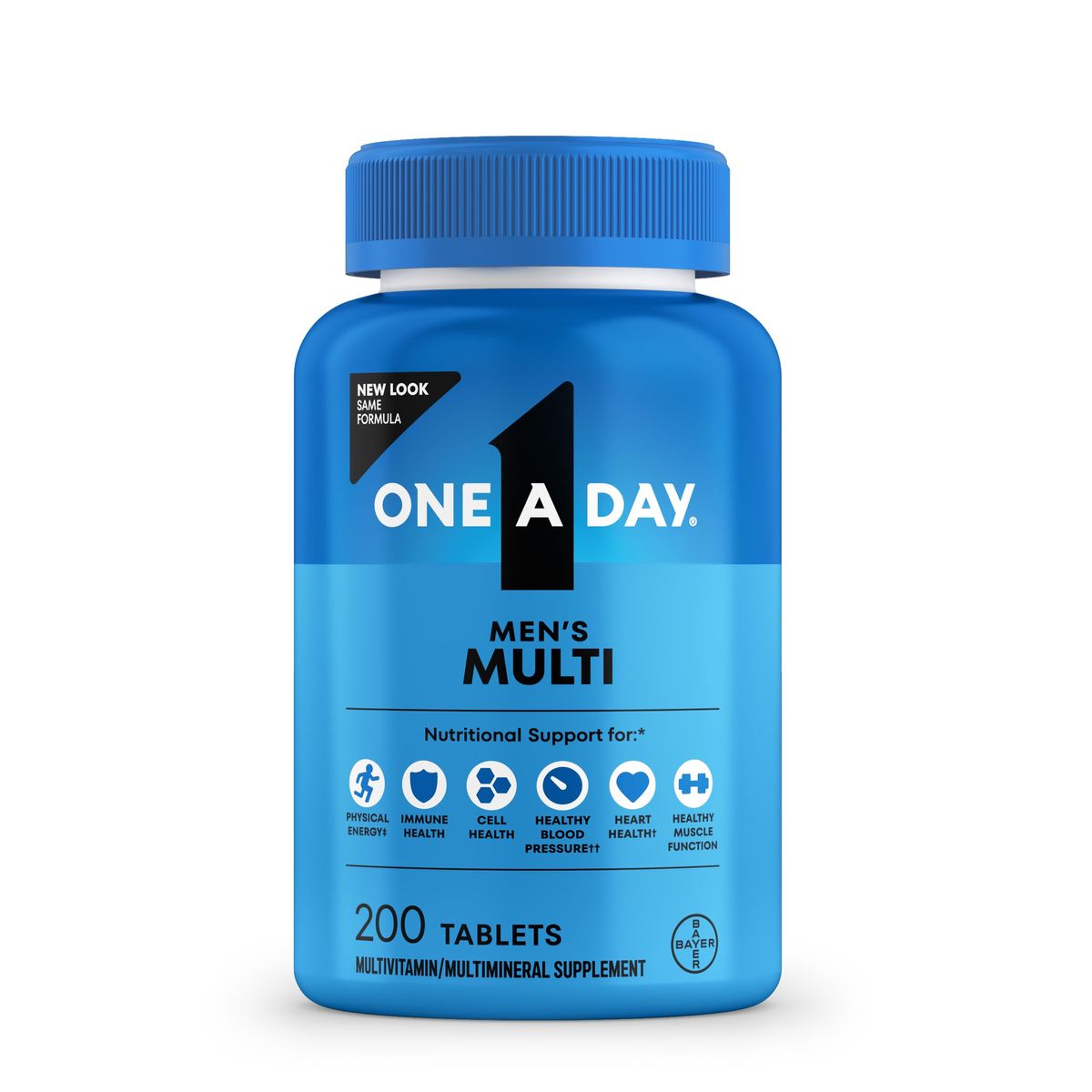
Example: One A Day Multivitamin for Men
Women’s Multivitamins
Designed with women’s health in mind, often featuring higher iron, folic acid, and calcium to support reproductive and bone health.
- Addresses common female nutrient gaps
- May include biotin for hair and nails
- Often in smaller tablet sizes
- Iron may cause stomach upset in some
- Not ideal for men or postmenopausal women
- Folic acid vs. methylfolate debate
Best for: Women of childbearing age or those with heavy menstrual cycles
Example: One A Day Women’s Petites
50+ Multivitamins
Tailored for older adults, these formulas increase vitamin D, B12, and calcium while often reducing iron to match changing nutritional needs.
- Supports bone density and cognitive health
- Often include antioxidants like lutein for eyes
- Doctor-recognized (Centrum Silver)
- Not beneficial for under-50 adults
- Tablets may be large
- Higher cost per serving sometimes
Best for: Men and women over 50 seeking age-specific support
Example: Centrum Silver Women's 50+
Gummy Multivitamins
Chewable, fruit-flavored gummies that provide a more palatable alternative to traditional pills, popular among pill-averse adults.
- No swallowing required
- Taste like candy
- Often vegetarian
- Lower nutrient potency
- Added sugar content
- Risk of melting in heat
Best for: Adults who dislike tablets and are willing to sacrifice complete nutrient coverage
Example: Amazon Basics Adult Multivitamin Gummies
What Actually Matters
| Factor | Importance | Best brand |
|---|---|---|
Age and Gender Appropriateness Must match your demographic Men need more zinc and selenium; women need more iron and folic acid. Over 50 formulas add vitamin D and B12. Using the wrong formula can lead to deficiencies or overdoses. | Must-have | One A Day, Centrum |
Third-Party Testing Look for USP, NSF, or ConsumerLab seal Certification ensures the product contains what the label claims and is free from harmful contaminants. Without it, you’re trusting the manufacturer alone. | Must-have | Centrum (USP verified) |
Bioavailable Ingredients Methylated B vitamins, chelated minerals Methylfolate and methylcobalamin are easier for your body to use than folic acid and cyanocobalamin. Chelated minerals (e.g., zinc glycinate) are gentler on the stomach. Worth the premium if you have absorption issues. | Must-have | Vimerson Health |
Allergen and Filler Free Free of gluten, dairy, soy, and artificial colors If you have food sensitivities, check the label. Many multivitamins contain common allergens or unnecessary binders like magnesium stearate. | Nice-to-have | Vimerson Health, One A Day |
Cost per Serving Under $0.15 per day Some premium brands charge over $0.50 per day without providing proportional benefits. Calculate cost per pill, not just bottle price. | Nice-to-have | Amazon Basics |
Proprietary Blends Proprietary blends list total weight but hide individual ingredient amounts. You can’t tell if a key nutrient is underdosed. Avoid formulas that don’t disclose full amounts. | Marketing BS | — |
Gummy Health Halo Gummies often market themselves as a healthier, more natural alternative, but many contain added sugar and fewer active nutrients. They’re convenient, not superior. | Marketing BS | — |
Budget Tiers & Top Picks
What to buy at each price point — and exactly where spending more stops paying off.
Budget (Under $15)
$9 – $13Amazon Basics Adult Multivitamin Gummies

Stop paying more: At under $10, you get a broad spectrum of vitamins and minerals in a tasty form. Don’t expect mega-doses or premium absorption forms — but for basic insurance, it’s adequate.
When to upgrade: If you want a more targeted formula (men’s, women’s, or 50+) or prefer tablets, move to the mid-tier.
Mid-Range ($15 – $22)
$13 – $20One A Day Multivitamin for Men

Stop paying more: Mid-range picks offer age and gender specificity, larger bottle sizes, and often higher ratings. The One A Day line delivers a solid balance of completeness and value.
When to upgrade: If you want methylated B vitamins, chelated minerals, and cleaner labels, step up to the premium tier.
Premium ($22+)
$22 – $25Vimerson Health Multivitamin for Men
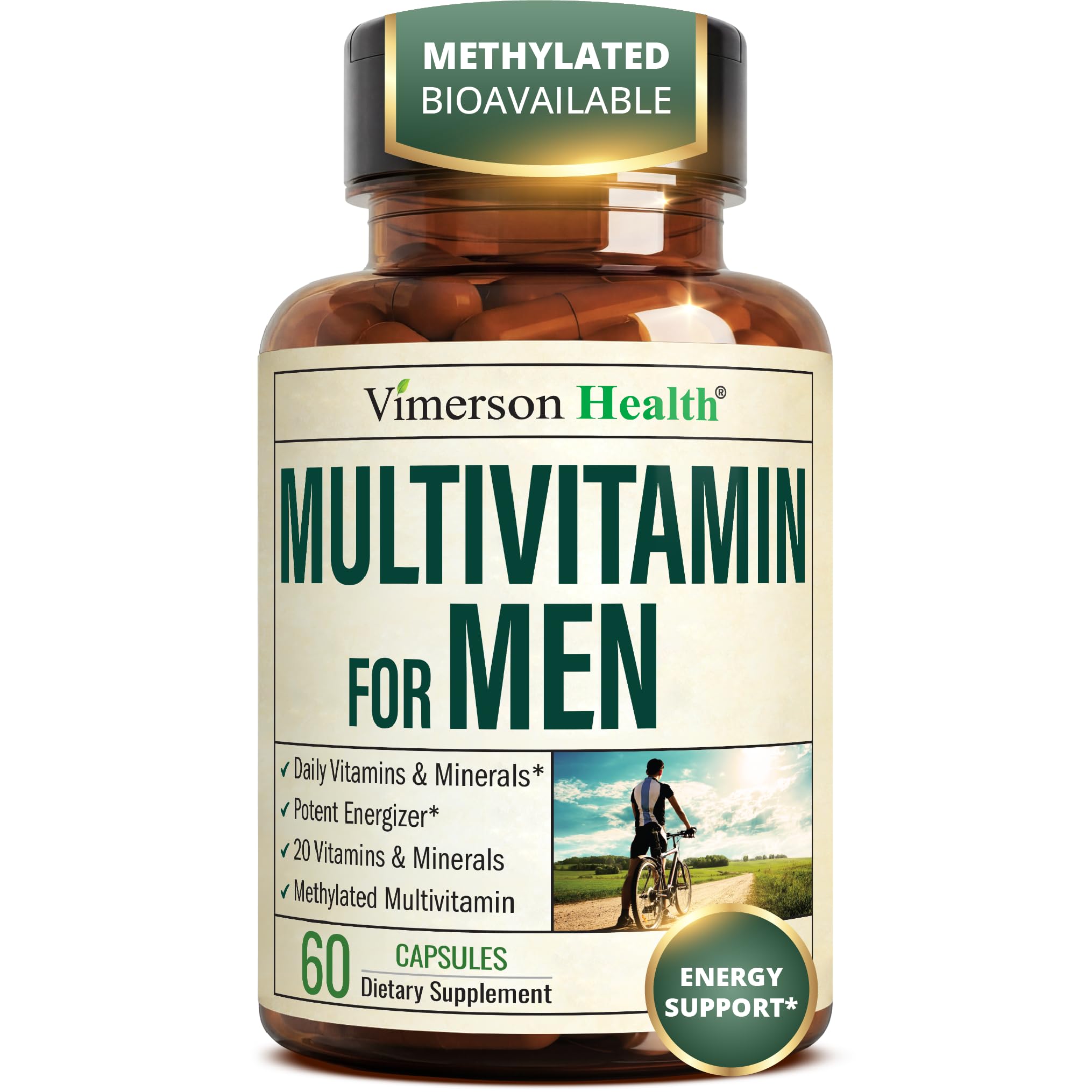
Stop paying more: Above $20 per month, you’re paying for superior bioavailability and purity. The gains are real if you have MTHFR mutations or digestive sensitivities, but for most, the mid-range is sufficient.
When to upgrade: Beyond this price, consider targeted single-nutrient supplements (e.g., vitamin D, magnesium) instead of a more expensive multi.
Common Mistakes to Avoid
Buying a formula for the wrong gender or age
Men’s multis might lack iron, while women’s contain extra. A 25-year-old taking a 50+ formulas misses bone support. Always match the product to yourself.
Cost of getting it wrong: Potential nutrient imbalances or wasted money on ineffective ingredients.
Overlooking serving size and cost per day
A bottle labeled “” might require two pills daily, doubling the effective price. Compare cost per serving, not per bottle.
Cost of getting it wrong: Could spend 2-3x more than expected.
Falling for “whole food” or “natural” marketing without proof
Many “whole-food” multivitamins lack third-party testing and don’t disclose amounts. They often cost more without proven benefits.
Cost of getting it wrong: Unnecessary premiums of -20/month.
Ignoring allergen information
Tablets can contain gluten, dairy, or soy derivatives. If you have sensitivities, check the label or you might face digestive issues.
Cost of getting it wrong: Wasted money and health discomfort.
Find Your Match
Who is the multivitamin for?
Frequently Asked Questions
Do I really need a daily multivitamin?
If you eat a balanced diet with plenty of fruits, vegetables, and whole foods, you may not need one. However, many Americans fall short on key nutrients like vitamin D, magnesium, and B12. A multivitamin can act as insurance for gaps, especially if you’re on a restricted diet, over 50, or pregnant.
What should I look for in a multivitamin?
Focus on age- and gender-specific formulas. Check for third-party certifications like USP or NSF. Look for bioavailable forms — methylated B vitamins and chelated minerals are easier for your body to use. Avoid proprietary blends that hide exact doses. And choose a form (tablet, gummy, liquid) you’ll actually take daily.
Are gummy vitamins as effective as tablets?
Gummy vitamins can be effective, but they often have lower nutrient potencies and more added sugar. They’re also more prone to melting in summer heat. Tablets generally pack more nutrients per serving and are more stable. If you hate swallowing pills, gummies are better than nothing — just check the label for sugar content and completeness.
How much should I spend on a daily multivitamin?
A quality multivitamin typically costs between $10 and $25 per month. Budget options under $10 exist but may skimp on potency or require multiple pills. Spending over $25 rarely yields extra benefit unless you need specific bioavailable forms — and even then, the improvement is marginal.
Can I take a men’s multivitamin if I’m a woman?
It’s not ideal. Men’s formulas often have more zinc and selenium, and women’s have more iron and folic acid, which are tailored to each gender’s common deficiencies. Taking the wrong one could lead to imbalances or missed nutrients. Stick to your gender’s formula or a unisex option.
What is the best multivitamin for people over 50?
Look for formulas specifically designed for adults 50+, like Centrum Silver. These typically have higher amounts of vitamin D, B12, and calcium, and often exclude iron (which postmenopausal women don’t need). The Centrum Silver for Women and Men are both highly rated and doctor-recommended for this age group.
How we wrote this guide
Our editorial team analyzed over 221,000 verified buyer reviews across 6 top multivitamins, studied ingredient labels, and cross-checked third-party certification databases. We focused on products with broad demographic appeal, established reputations, and transparent formulations. Our picks reflect a balance of public feedback, nutritional completeness, and real-world value.
About this guide
Mubboo Editorial Team — independent US-market consumer research. Synthesized from 221,000+ verified buyer reviews and product specifications. Prices update weekly from Amazon.