How to Choose Olive Oil (2026 Guide)
A buyer's guide to picking the right extra virgin olive oil for your kitchen
By Mubboo Editorial Team · Updated Jun 9, 2026 · 8 min read
At a Glance
- Price range
- $5 – $28
- Data
- 157,462 verified reviews across 6 best-selling olive oils
- Best for
- Everyday cooking & sautéingDressings & marinadesHealth-conscious users seeking polyphenols
- Skip if
- You only need oil for high-heat frying — opt for avocado oil instead
Types Explained
Smooth/Everyday EVOO
Mild, versatile oils perfect for sautéing, baking, and everyday cooking without overpowering dishes.
- High smoke point for light frying
- Subtle flavor won't clash with other ingredients
- Often available in large value sizes
- Lacks the bold character needed for dressings
- May be blended from multiple countries
Best for: Daily cooking for families
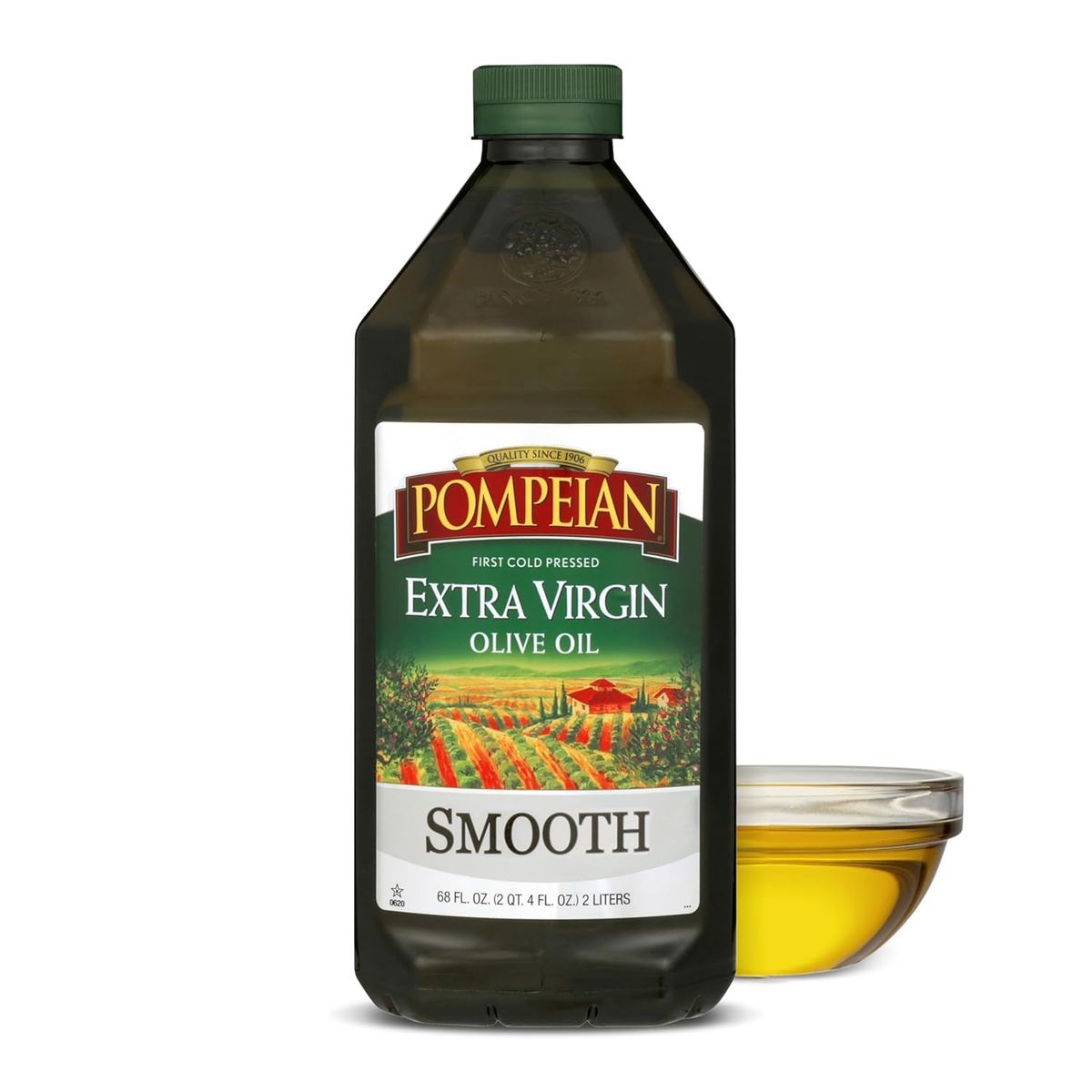
Example: Pompeian Smooth (68 oz)
Robust/Flavorful EVOO
Bold, peppery oils with stronger taste, ideal for dressings, marinades, and finishing.
- Adds depth to salad dressings and pasta
- Rich in polyphenols for health benefits
- Great for dipping bread
- Can overwhelm delicate dishes
- Often smaller bottle sizes
Best for: Salads, marinades, and dipping
Example: Pompeian Robust (68 oz)
Organic/Specialty EVOO
Certified organic, single-origin, or high-polyphenol oils prized for purity and health benefits.
- No synthetic pesticides or chemicals
- Often cold-pressed and early harvest
- Higher polyphenol content for antioxidants
- Higher price per ounce
- May have shorter shelf life
Best for: Health-conscious cooks and raw use
Example: Atlas Organic (33.8 oz)
Budget/Value EVOO
Affordable, everyday oils that meet basic EVOO standards without breaking the bank.
- Very low price per ounce
- Good for cooking large meals
- Often certified authentic by NAOOA
- May lack harvest date information
- Flavor can be less complex
Best for: Budget-conscious shoppers
Example: 365 by Whole Foods (33.8 oz)
What Actually Matters
| Factor | Importance | Best brand |
|---|---|---|
Cold-Pressed or Cold-Extracted Must be labeled 'cold-pressed' or 'cold-extracted' This process preserves flavor and nutrients. Heat extraction degrades quality. | Must-have | All recommended brands meet this |
NAOOA Certified Authentic Look for the NAOOA seal on the bottle The North American Olive Oil Association tests for purity. This is the easiest way to avoid adulterated oil. | Must-have | Pompeian (certified) |
Harvest Date or Best-By Date Within 18 months of harvest date Freshness matters more than most shoppers realize. Oils past their prime can taste rancid. | Nice-to-have | Atlas (early harvest) |
Glass vs. Plastic Bottle Prefer glass for long-term storage Glass protects better from light and oxidation. Plastic is fine if you'll use it quickly. | Nice-to-have | Atlas (glass bottle) |
Polyphenol Content High-polyphenol claims should be supported Polyphenols provide antioxidant benefits. Cooking reduces them, so use raw for maximum effect. | Nice-to-have | Atlas (explicit polyphenol rich) |
Brand Legacy/Heritage A 100-year-old brand may have consistent quality, but many newer craft producers match or exceed them. Don't pay a premium just for a name. | Marketing BS | — |
Budget Tiers & Top Picks
What to buy at each price point — and exactly where spending more stops paying off.
Under $15 (Budget)
$6 – $15365 by Whole Foods Extra Virgin Olive Oil

Stop paying more: At $14.99 for 33.8 oz, this is excellent value. Don't spend less than $10 unless you need a tiny bottle.
When to upgrade: If you want a larger size or smoother taste, step up to Pompeian Smooth.
$15 – $22 (Mid-Range)
$16 – $22Pompeian Smooth Extra Virgin Olive Oil

Stop paying more: At $21.48 for 68 oz, you get the best price per ounce. Going beyond this size is unnecessary.
When to upgrade: For organic, single-origin oil with high polyphenols, consider the premium tier.
Over $22 (Premium)
$22 – $30Atlas Cold Press Extra Virgin Olive Oil

Stop paying more: At $27.94 for 33.8 oz, you pay a premium for organic and polyphenol content. There's little reason to exceed $30.
When to upgrade: No need to go higher; this is the peak of quality at retail.
Common Mistakes to Avoid
Buying 'Pure' or 'Light' Olive Oil instead of EVOO
These are refined oils with little flavor or health benefits, often mixed with other oils. They don't meet EVOO standards.
Cost of getting it wrong: Wasting money on a product that lacks the taste and antioxidants you expected.
Storing olive oil in clear glass by sunlight
Light and heat degrade oil quickly, causing rancidity. Store in a cool, dark cabinet in a dark or opaque bottle.
Cost of getting it wrong: A bottle can go bad before you finish it, forcing a replacement.
Using extra virgin olive oil for deep frying
EVOO has a moderate smoke point but its beneficial polyphenols break down at high heat. Use avocado oil or refined olive oil for frying.
Cost of getting it wrong: Losing the health benefits you paid extra for.
Ignoring the harvest date
Oils over 18 months old can taste stale. Look for a harvest date or 'best by' date at least a year out from purchase.
Cost of getting it wrong: Buying old stock that tastes off, which may ruin dishes.
Find Your Match
What's your primary use for olive oil?
Frequently Asked Questions
How much should I spend on olive oil?
A good everyday extra virgin olive oil costs between $15 and $22 for a 33 to 68 oz bottle. For budget, 365 by Whole Foods offers great value. Premium organic oils like Atlas are worth it if you prioritize polyphenols and raw use. Avoid spending more than for a retail bottle as diminishing returns set in.
What should I avoid when buying olive oil?
Avoid oils labeled 'pure,' 'light,' or 'pomace'—they're refined blends, not true EVOO. Skip bottles in clear glass exposed to light. Check for a harvest date within 18 months; old oil can taste stale. Also avoid using EVOO for high-heat frying, which destroys its beneficial compounds. Instead, opt for avocado oil for frying.
What's the difference between smooth and robust olive oil?
Smooth olive oil, like Pompeian Smooth, has a mild, buttery flavor and works well for everyday cooking without overpowering dishes. Robust oil, such as Pompeian Robust, is bold and peppery, ideal for salad dressings, marinades, and dipping. Choose based on your primary use: smooth for cooking, robust for finishing and flavor-forward recipes.
Is organic olive oil worth the extra cost?
Organic certification ensures the olives were grown without synthetic pesticides, which appeals to health-conscious cooks. For example, Atlas Organic provides traceability to a single Moroccan farm and preserves polyphenols. If you use olive oil raw (drizzling, dipping), organic may be worth the premium. For high-heat cooking, the benefits diminish, so a conventional EVOO suffices.
How should I store olive oil to keep it fresh?
Store olive oil in a cool, dark place away from direct sunlight and heat. A pantry or cabinet works best. Use dark or opaque glass bottles to block light, as light accelerates oxidation. Once opened, aim to use the oil within three to six months for peak flavor. Avoid storing near the stove where heat can speed rancidity.
What do health experts say about olive oil polyphenols?
Videos from Dr. William Li and Paul Saladino MD highlight that polyphenols, like hydroxytyrosol and oleocanthal, provide anti-inflammatory and antioxidant benefits. They advise choosing cold-pressed, early harvest, and single-origin oils, and using them raw to preserve these compounds. Cooking degrades polyphenols, so save your finest EVOO for drizzling and dipping.
How we wrote this guide
We cross-referenced expert reviews from Wirecutter and Consumer Reports, analyzed 157,462 verified reviews, and watched video recommendations from health experts like Dr. William Li. Our picks come from Amazon\'s top-selling extra virgin olive oils, all tested for authenticity.
About this guide
Mubboo Editorial Team — independent US-market consumer research. Picks reflect editorial consensus from expert reviews and 157,462 verified buyer reviews.