How to Choose Omega-3 Supplements (2026 Guide)
From EPA/DHA potency to third-party purity, everything you need to know before buying fish oil.
By Mubboo Editorial Team · Updated Jun 9, 2026 · 7 min read
At a Glance
- Price range
- $14 – $40
- Data
- 336,696 verified reviews analyzed across 6 top‑selling omega‑3 supplements
- Best for
- Heart health supportBrain function and focusJoint comfort and mobilityReducing inflammationOverall wellness
- Skip if
- You already eat fatty fish (salmon, mackerel, sardines) 2‑3 times per week
Types Explained
Standard Fish Oil (Ethyl Ester)
The most common and affordable form, typically containing 300 mg of omega‑3 per softgel. Often requires 2‑3 pills per serving, making it budget‑friendly but less concentrated.
- Lowest cost per softgel
- Widely available in drugstores and supermarkets
- Lower EPA/DHA per pill
- Ethyl ester form may be slightly less absorbable
- May cause fishy burps
Best for: Budget-conscious buyers seeking basic heart health support.
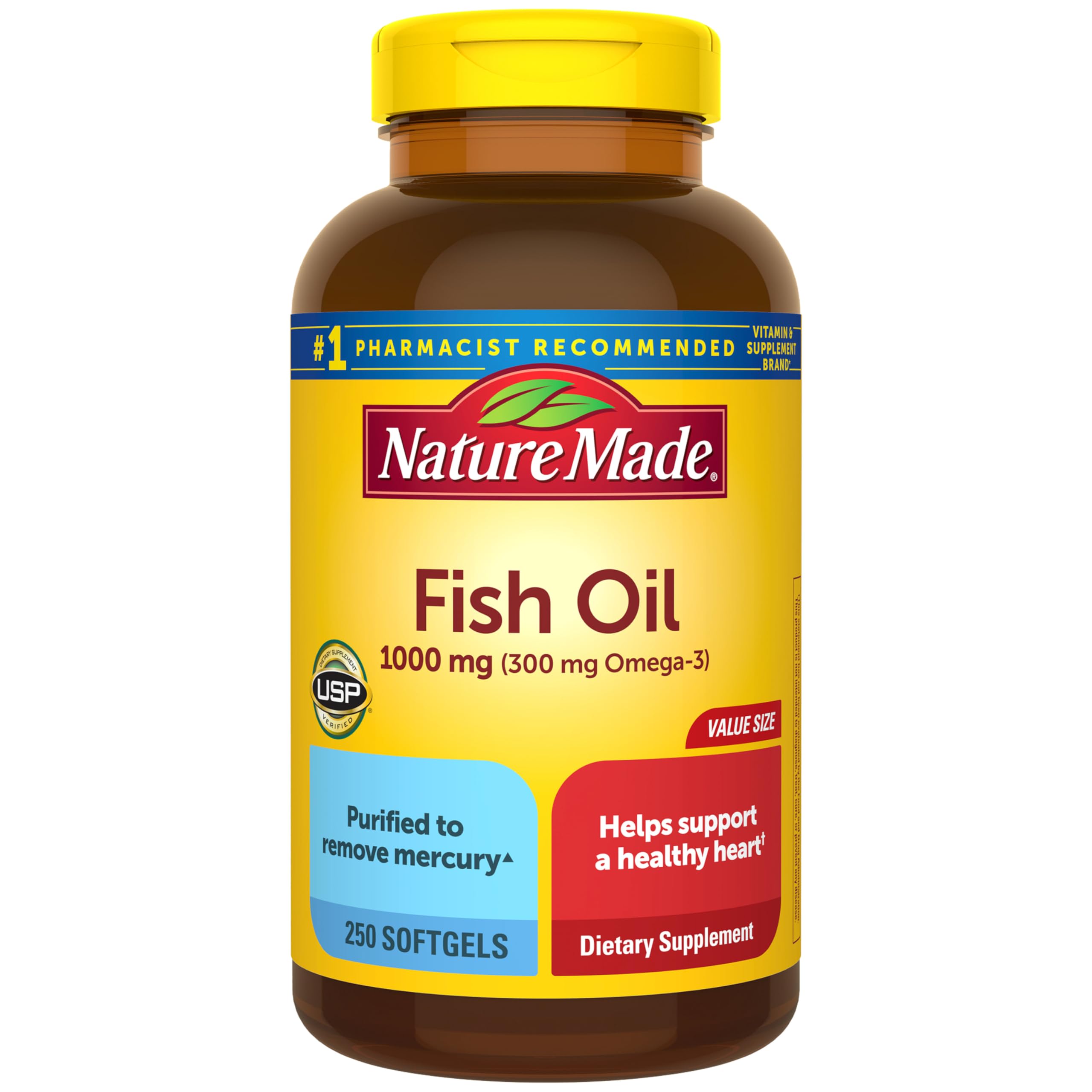
Example: Nature Made Fish Oil 1000mg (600 mg omega‑3 per serving, 250 softgels)
High‑Potency Triglyceride Fish Oil
Concentrated oil in the natural triglyceride form for optimal absorption. Provides high EPA/DHA in just 1‑2 softgels per day, often with lemon flavor to avoid aftertaste.
- Up to 1280 mg omega‑3 per serving
- Triglyceride form mimics natural fish oil, enhancing uptake
- Fewer pills needed daily
- Often third‑party tested (IFOS, GMP)
- Higher cost per bottle
- Not all brands are sustainable
Best for: Individuals seeking maximum absorption and trusted brand reputation.
Example: Nordic Naturals Ultimate Omega (1280 mg omega‑3, lemon flavor)
Maximum Strength Enteric‑Coated Fish Oil
Ultra‑high doses (2000 mg fish oil or more) with enteric coating to bypass the stomach and release in the intestines, virtually eliminating fishy burps. Ideal for those needing therapeutic levels.
- Highest EPA/DHA per serving (800 mg EPA / 600 mg DHA)
- Enteric coating prevents aftertaste
- Often includes third‑party certifications (NSF)
- Most expensive tier
- Requires 2 softgels daily
- May contain soy allergens
Best for: Users requiring maximum EPA/DHA dosing for clinical goals, and who hate fishy burps.
Example: Dr. Tobias Omega 3 Fish Oil 2000mg (enteric‑coated, 90 servings)
What Actually Matters
| Factor | Importance | Best brand |
|---|---|---|
EPA/DHA Concentration per Serving ≥500 mg combined EPA+DHA per daily dose The clinical benefits come from EPA and DHA, not total fish oil. Always check the label for exact milligram values, not just front‑panel claims. | Must-have | Dr. Tobias (1400 mg omega‑3, 800 EPA/600 DHA) |
Third‑Party Purity Testing USP, NSF, or IFOS 5‑Star certification Without independent purity verification, there’s no guarantee the oil is free of mercury, PCBs, or oxidation. Seek products with seals on the label. | Must-have | Sports Research (IFOS 5‑Star rated) or Nature Made (USP Verified) |
Fish Oil Form (Triglyceride vs Ethyl Ester) Triglyceride form for optimal absorption Triglyceride omega‑3s are naturally occurring and up to 70% better absorbed than ethyl ester forms. The difference is noticeable in clinical outcomes. | Must-have | Nordic Naturals (triglyceride form in all products) |
Sustainability & Sourcing MSC certified or wild‑caught small fish (anchovies, sardines) Small, cold‑water fish accumulate fewer toxins, and MSC certification ensures the fishery is well‑managed. This matters for environmental and health reasons. | Nice-to-have | Sports Research (MSC certified sustainable Alaska Pollock) |
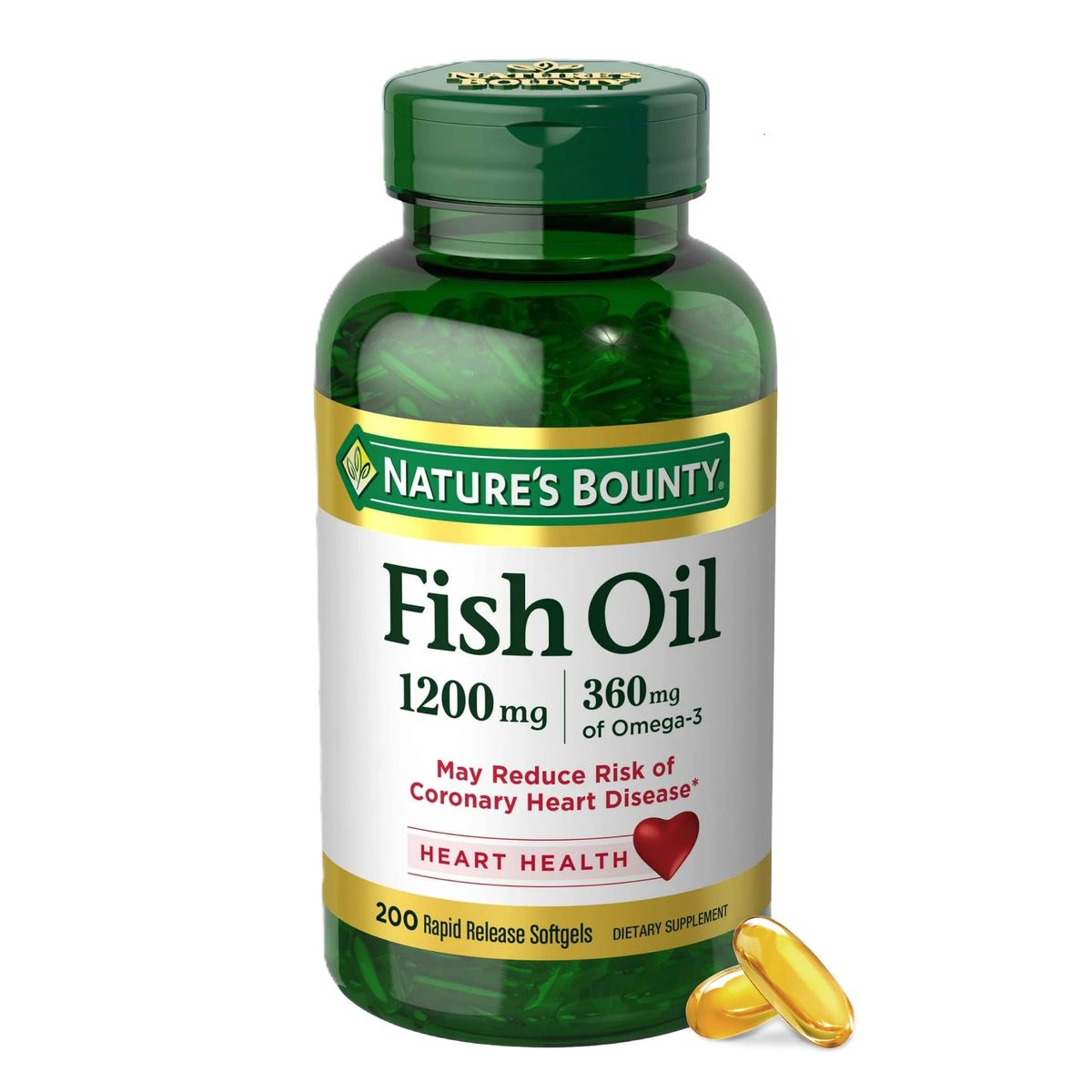
Price per Serving (not per bottle) ≤per 500 mg omega‑3 serving Divide the bottle cost by the number of servings and compare the omega‑3 you get for that price. A cheap bottle that requires 4 pills daily can actually cost more per effective dose. | Must-have | Nature’s Bounty (per softgel, 360 mg omega‑3) |
“Burpless” Claims Without Certification Many products label themselves ‘burpless’ but still cause fishy aftertaste. The real protection comes from enteric coating, the triglyceride form, and freshness—not just marketing language. | Marketing BS | — |
Budget Tiers & Top Picks
What to buy at each price point — and exactly where spending more stops paying off.
Under $20
$10 – $20Nature Made Fish Oil 1000mg, 250 Softgels
Stop paying more: Stop at $20. Beyond this, you get significantly higher potency, better absorption, and often larger bottle sizes that lower the per‑day cost.
When to upgrade: Upgrade to the mid‑range if you prefer a single daily softgel or need therapeutic EPA/DHA levels.
Mid‑Range ($20 – $35)
$20 – $35Nordic Naturals Ultimate Omega (Lemon Flavor, 60 Softgels)

Stop paying more: Stop at $35. In this tier, you get optimal absorption and trusted purity. Prices above $35 introduce enteric‑coated extreme‑strength options that may be overkill for most.
When to upgrade: If you need maximum EPA/DHA per serving without any fishy burps, the premium tier is worth a look.
Premium ($35+)
$35 – $45Dr. Tobias Omega 3 Fish Oil 2000mg, 180 Softgels

Stop paying more: Stop at $40. Higher‑priced omega‑3 supplements rarely justify the added cost; you’re paying for marketing rather than more omega‑3s.
Common Mistakes to Avoid
Buying based on total fish oil, not EPA/DHA content
A 2000 mg fish oil softgel providing only 300 mg omega‑3 is less effective than a 1000 mg softgel delivering 600 mg omega‑3. Always check the supplement facts panel for EPA and DHA milligrams, not the front label.
Cost of getting it wrong: Paying more for a lower dose wastes money and leaves you under‑supplemented.
Ignoring third‑party purity certifications
Without USP, NSF, or IFOS verification, there’s no guarantee the oil is free of heavy metals, PCBs, or oxidation. Rancid fish oil can even be harmful. Products like Nature Made (USP) and Sports Research (IFOS) offer that assurance.
Cost of getting it wrong: Risk of exposure to contaminants that could negate any health benefit.
Assuming all ‘burpless’ products are equal
‘Burpless’ is a claim, not a standard. True burpless protection comes from enteric coating, the triglyceride form, and fresh oil. Even then, individual tolerance varies. Products like Dr. Tobias use enteric coating for reliable avoidance of fishy burps.
Cost of getting it wrong: Wasted money on a product that still causes unpleasant side effects.
Not consulting a doctor when on blood thinners
Omega‑3s have a mild blood‑thinning effect. High doses (3+ grams per day) can increase bleeding risk, especially when combined with warfarin or aspirin. Always discuss supplementation with your healthcare provider if you take anticoagulants.
Cost of getting it wrong: Potential health complications that could land you in the ER.
Find Your Match
What is your primary health goal?
Frequently Asked Questions
How much omega-3 should I take daily?
Most health organizations recommend at least 250‑500 mg combined EPA and DHA per day for general adults. For therapeutic effects on heart health or inflammation, aim for 1,000‑2,000 mg daily. Always consult your doctor, especially if you take blood thinners, as high doses can increase bleeding risk.
What’s the difference between EPA and DHA?
Eicosapentaenoic acid (EPA) primarily supports cardiovascular health and helps reduce inflammation. Docosahexaenoic acid (DHA) is crucial for brain, eye, and nervous system function. Both are important; many supplements contain a combination, often with more EPA than DHA.
Are fish oil supplements safe during pregnancy?
Yes, high‑quality fish oil with adequate DHA is often recommended during pregnancy for fetal brain and eye development. Choose a supplement that is molecularly distilled and third‑party tested to ensure it is free of mercury and other contaminants. Speak with your healthcare provider for personalized advice.
Why do some fish oils cause fishy burps?
Fishy burps occur when the oil oxidizes or when the capsule breaks down in the stomach instead of the intestines. Enteric‑coated softgels and those in the triglyceride form are less likely to cause this. Also look for products that explicitly claim to be ‘burpless’ and are stored properly to prevent rancidity.
Is it better to buy liquid or softgel fish oil?
Both forms can be effective. Softgels are more convenient and mask taste better, while liquids allow more flexible dosing and can be mixed into food. Softgels are generally more popular, but if you have trouble swallowing pills, a high‑quality liquid might be a better choice.
Do I need to refrigerate fish oil supplements?
Most fish oil softgels are shelf‑stable at room temperature, but refrigeration can help slow oxidation and extend freshness, especially after opening. Liquid fish oil should always be refrigerated once opened to prevent rancidity. Always check the manufacturer’s storage instructions.
What does it mean when a fish oil is ‘molecularly distilled’?
Molecular distillation is a purification process that removes heavy metals (like mercury), PCBs, and other contaminants from the oil. It also helps reduce oxidation. This is a key quality marker, especially for oils derived from larger, longer‑living fish species.
How we wrote this guide
Our editorial team analyzed 336,696 verified Amazon reviews across 6 top‑selling omega‑3 supplements. We evaluated EPA/DHA potency, third‑party certifications (USP, NSF, IFOS), absorption forms, cost per serving, and buyer feedback on aftertaste and ease of use. Products with known purity issues or unclear labeling were excluded. Where available, we referenced independent purity testing results, but only verified data is cited. Our picks are updated weekly based on current pricing and review trends.
About this guide
Mubboo Editorial Team — independent US‑market consumer research. Methodology combines data from thousands of verified buyer reviews, manufacturer specs, and cross‑referenced purity certifications. No brand sponsorships or affiliate bias influence our recommendations.