Power Bank Buying Guide 2026: Capacity, Wattage & Cable Setup Explained
Why 10,000mAh beats 20,000mAh for daily pocket carry, and the flashlight feature that quietly drains batteries in bags.
By Mubboo Editorial Team · Updated Jul 1, 2026 · 7 min read
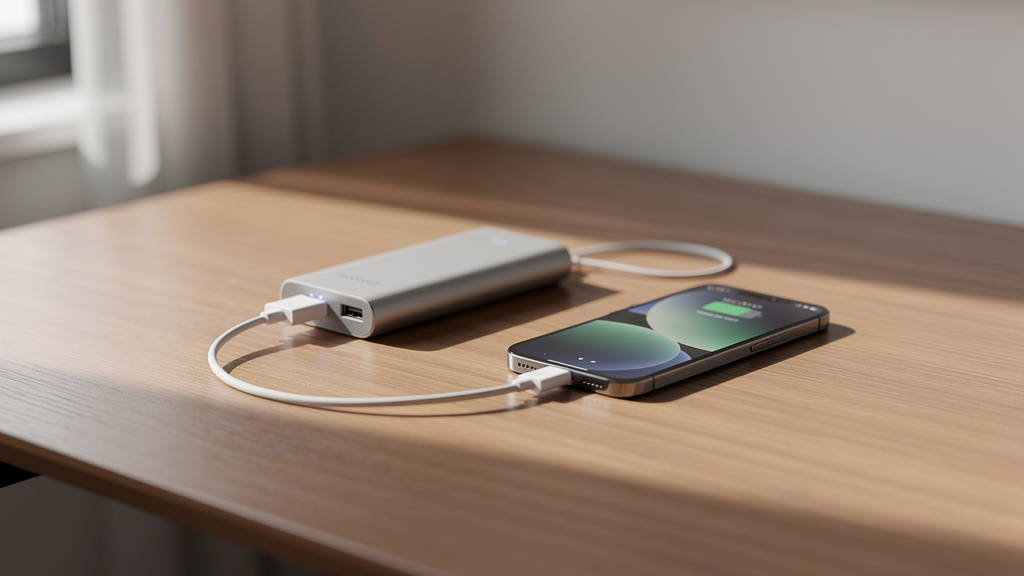
At a Glance
- Price range
- $21 – $95
- Data
- 194,000+ verified reviews analyzed across 6 finalists
- Best for
- Daily phone charging on the goExtended travel away from outletsRecharging a laptop while traveling
- Skip if
- You have consistent outlet access all day — a wall charger alone may cover your needs without added bulk
Types Explained
Everyday 10,000mAh Power Banks
Compact banks that deliver roughly two full phone charges, sized for daily pocket or bag carry.
- Easiest to carry daily
- Lowest price point in the category
- Fast enough charging for most modern phones
- Fewer total charges than a higher-capacity bank
- May not cover a full multi-day trip without recharging
Best for: Daily commuting and everyday phone top-ups
Example: INIU 45W 10,000mAh Power Bank
High-Capacity 20,000mAh+ Power Banks
Larger banks that roughly double the total charges available before needing to recharge the bank itself.
- Covers extended travel or long days away from outlets
- Fewer recharge cycles needed on multi-day trips
- Noticeably bulkier and heavier than 10,000mAh banks
- Higher price than everyday capacity
Best for: Travel, camping, or long days without reliable outlet access
Example: Anker Zolo 20,000mAh Power Bank
Laptop-Capable Power Banks (100W+)
Higher-wattage banks capable of recharging a laptop in addition to phones and tablets.
- Can recharge a laptop, not just small devices
- Digital display shows real-time charging status
- Significantly higher price and weight than phone-only banks
- Overkill if you never charge a laptop away from an outlet
Best for: Anyone who needs laptop power while traveling, not just phone charging
Example: ANKER 737 Power Bank 140W
What Actually Matters
| Factor | Importance | Best brand |
|---|---|---|
Capacity (mAh) matched to your actual use 10,000mAh covers roughly two full phone charges and fits comfortably in a pocket; 20,000mAh+ trades pocket-friendliness for more charges per trip Buyer feedback confirms this tradeoff directly — reviewers note 20,000mAh+ models are noticeably bulkier and harder to pocket than 10,000mAh options. | Must-have | INIU's 10,000mAh model is built specifically to be smaller and lighter than typical banks of that capacity |
Fast-charging wattage (and heat during use) Look for 30W+ output for meaningfully faster charging than a basic 5W/10W bank Verified buyer feedback notes charging speed can drop when the phone itself is already hot — this is normal thermal throttling, not a defect. | Must-have | INIU's 45W and Anker's 30W-140W lineup all charge noticeably faster than basic power banks |
Cable setup (built-in, detachable, or bring-your-own) A built-in or detachable cable means one less thing to pack, but a permanently fixed cable can't be replaced if it fails Buyer feedback consistently praises built-in cable convenience, but a detachable design adds a repair option a fixed cable doesn't. | Must-have | INIU uses a detachable cable so a damaged cable doesn't ruin the whole power bank |
Extra features (flashlight, digital display) A built-in flashlight is handy, but buyer feedback notes it can accidentally switch on in a bag or purse and drain the battery — check for a lock feature if this matters to you. | Nice-to-have | — |
'Charges your phone X times' headline claims These figures assume ideal conditions and a specific phone model — real-world charges depend on your device's battery size and how depleted it is. | Marketing BS | — |
'Military-grade' or 'industrial-grade' safety claims There's no regulated consumer standard behind these phrases — a stated safety certification is a more concrete signal than the marketing language. | Marketing BS | — |
Budget Tiers & Top Picks
What to buy at each price point — and exactly where spending more stops paying off.
Everyday 10,000mAh
$21 – $24INIU 45W 10,000mAh Power Bank
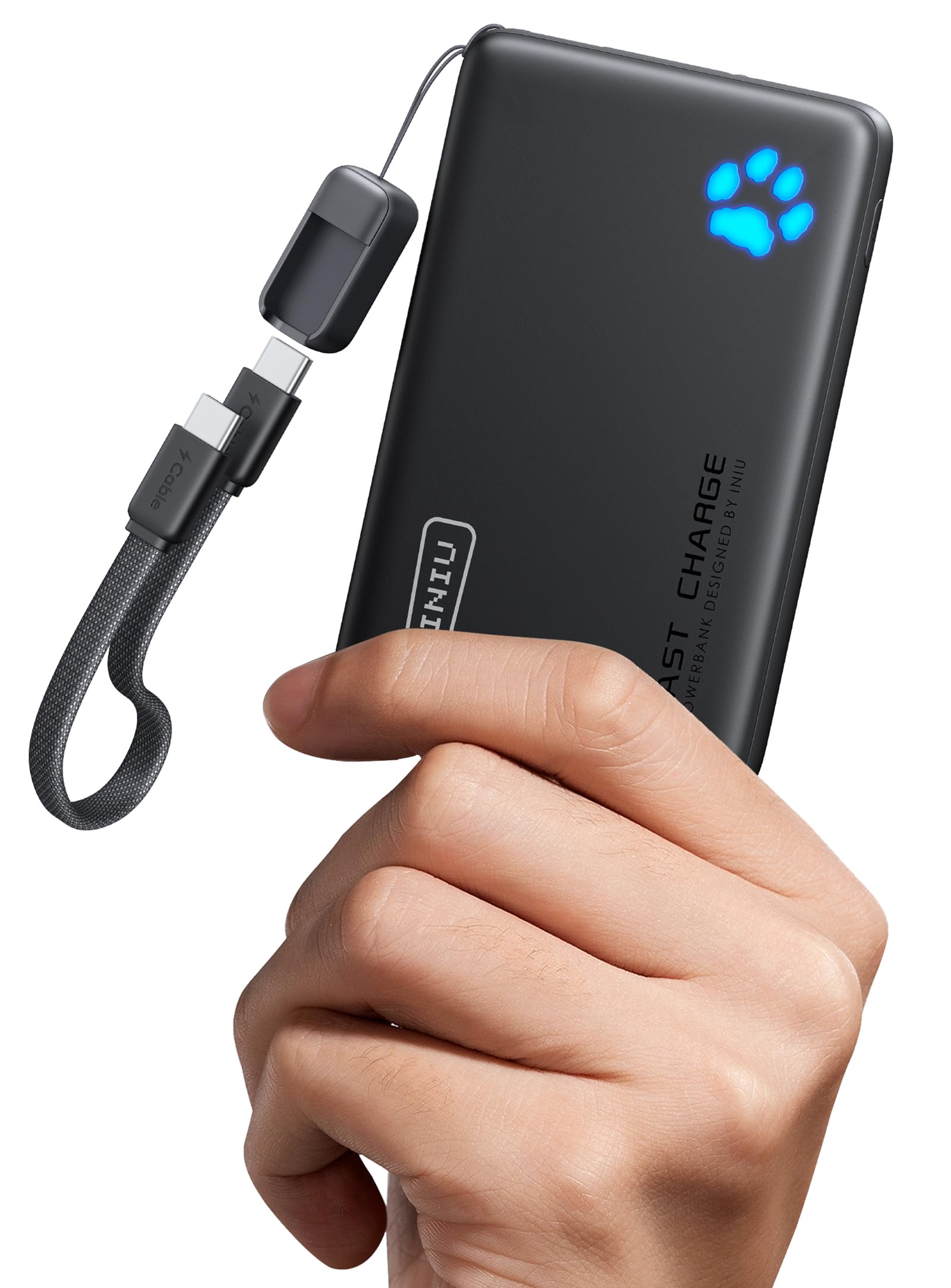
Stop paying more: This tier's review volume makes it the safe default for everyday carry — paying more here mostly buys extra capacity, not better core charging.
When to upgrade: Need more charges before recharging the bank, or want to charge a laptop? Step up.
High-Capacity 20,000mAh
$33 – $43Anker Zolo 20,000mAh Power Bank

Stop paying more: Double the capacity of the entry tier for meaningfully more charges per trip, at the cost of pocket-friendliness.
When to upgrade: Need to charge a laptop, not just a phone? Move to the laptop-capable tier.
Laptop-Capable (100W+)
$90 and upANKER 737 Power Bank 140W
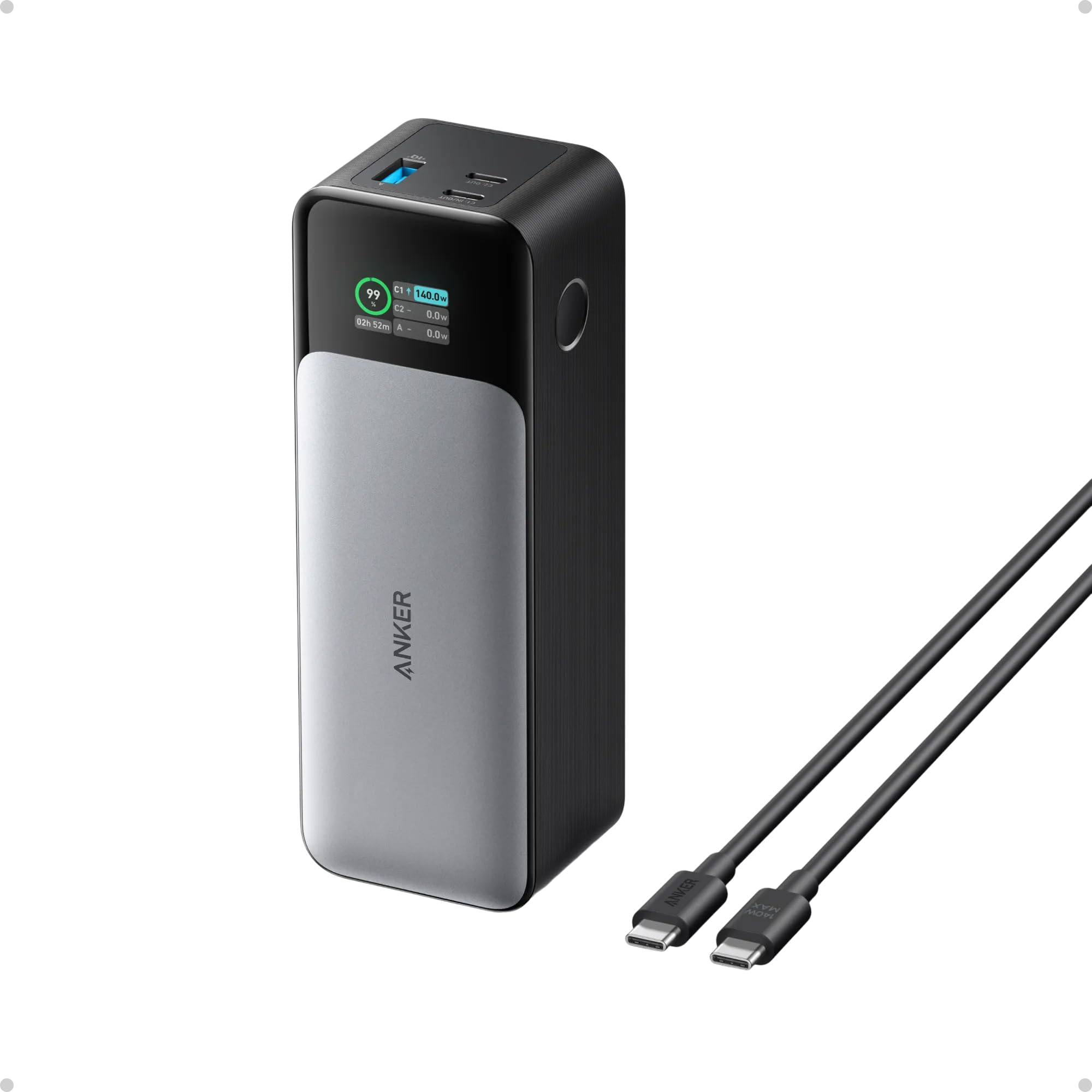
Stop paying more: 140W output and laptop compatibility here are the ceiling for portable power — going higher moves into dedicated portable power stations, a bulkier category.
When to upgrade: There isn't a meaningful step up from here for pocket or bag-portable charging — beyond this is a full power station, a different product.
Common Mistakes to Avoid
Buying 20,000mAh+ capacity for daily pocket carry
Buyer feedback confirms higher-capacity banks are noticeably bulkier and harder to pocket — a 10,000mAh bank covers about two phone charges and fits far more comfortably day to day.
Cost of getting it wrong: Carrying more bulk than your actual daily use requires
Trusting 'charges your phone X times' headline numbers as guaranteed
These figures assume ideal conditions and a specific phone model — your real-world charge count depends on your device's battery size and how depleted it was to start.
Cost of getting it wrong: Expecting more charges than the bank actually delivers for your specific phone
Not accounting for a built-in flashlight accidentally switching on in a bag
Buyer feedback specifically notes a flashlight feature turning on inside a purse or bag and draining the battery unnoticed — check for a lock feature or button guard if you carry the bank loose in a bag.
Cost of getting it wrong: A dead power bank when you actually need it, from a feature you didn't even use
Ignoring cable type when a power bank's built-in cable eventually fails
A permanently built-in cable can't be replaced if it wears out — a detachable-cable design lets you swap just the cable instead of replacing the whole power bank.
Cost of getting it wrong: Replacing an otherwise-working power bank because of a single failed cable
Find Your Match
What will you mostly charge?
Frequently Asked Questions
How much should I spend on a power bank?
Everyday 10,000mAh banks run $21-$24. High-capacity 20,000mAh banks run $33-$43. A laptop-capable 140W power bank runs around $95.
What should I avoid when buying a power bank?
Avoid buying more capacity than your daily carry actually needs, and don't take 'charges your phone X times' headline numbers as guaranteed — they assume ideal conditions and a specific phone.
Is 10,000mAh or 20,000mAh better?
10,000mAh covers about two phone charges and is easier to pocket daily. 20,000mAh roughly doubles that but is noticeably bulkier — better for travel than daily carry.
Why does my power bank charge slower sometimes?
Charging speed can drop when your phone is already hot — this is normal thermal protection, not a defect, and reviewers report it across brands.
Do I need a power bank with a laptop-capable wattage?
Only if you actually need to recharge a laptop on the go. If you only charge a phone or tablet, a 30W bank is more than enough and much lighter.
Can a power bank's flashlight drain the battery accidentally?
Yes — buyer feedback specifically notes a built-in flashlight switching on inside a bag or purse and draining the battery unnoticed. A lock feature or button guard helps prevent this.
How we wrote this guide
Synthesized from 6 finalists and 194,000+ verified Amazon reviews across capacity tiers and cable setups. Prices update weekly from Amazon.
About this guide
Mubboo Editorial Team. Picks based on comparison of capacity, charging wattage, and verified user reviews. Prices update weekly from Amazon.