How to Pick a Protein Powder Without Getting Played
From whey to vegan and budget to premium — your 2026 crib sheet
By Mubboo Editorial Team · Updated Jun 21, 2026 · 7 min read
At a Glance
- Price range
- $24 – $96
- Data
- Based on 403,479 verified Amazon reviews and analysis of 6 leading powders — plus guidance from 3 YouTube reviewers.
- Best for
- Muscle building and recoveryPost-workout nutritionDaily protein boost without the sugar
- Skip if
- You need a completely plant-based, vegan formula or a carb‑free option.
Types Explained
Whey Concentrate / Blend
Fast-absorbing dairy protein with a high amino acid profile, often containing small amounts of carbs and fat. The classic go‑to for post‑workout shakes.
- Rich in BCAAs for muscle repair
- Mixes easily and tastes great
- Widely researched and trusted
- Contains lactose — not suitable for dairy‑free diets
- Can have small amounts of sugar and fat
Best for: Most fitness enthusiasts, gym-goers, and anyone prioritizing taste and mixability.
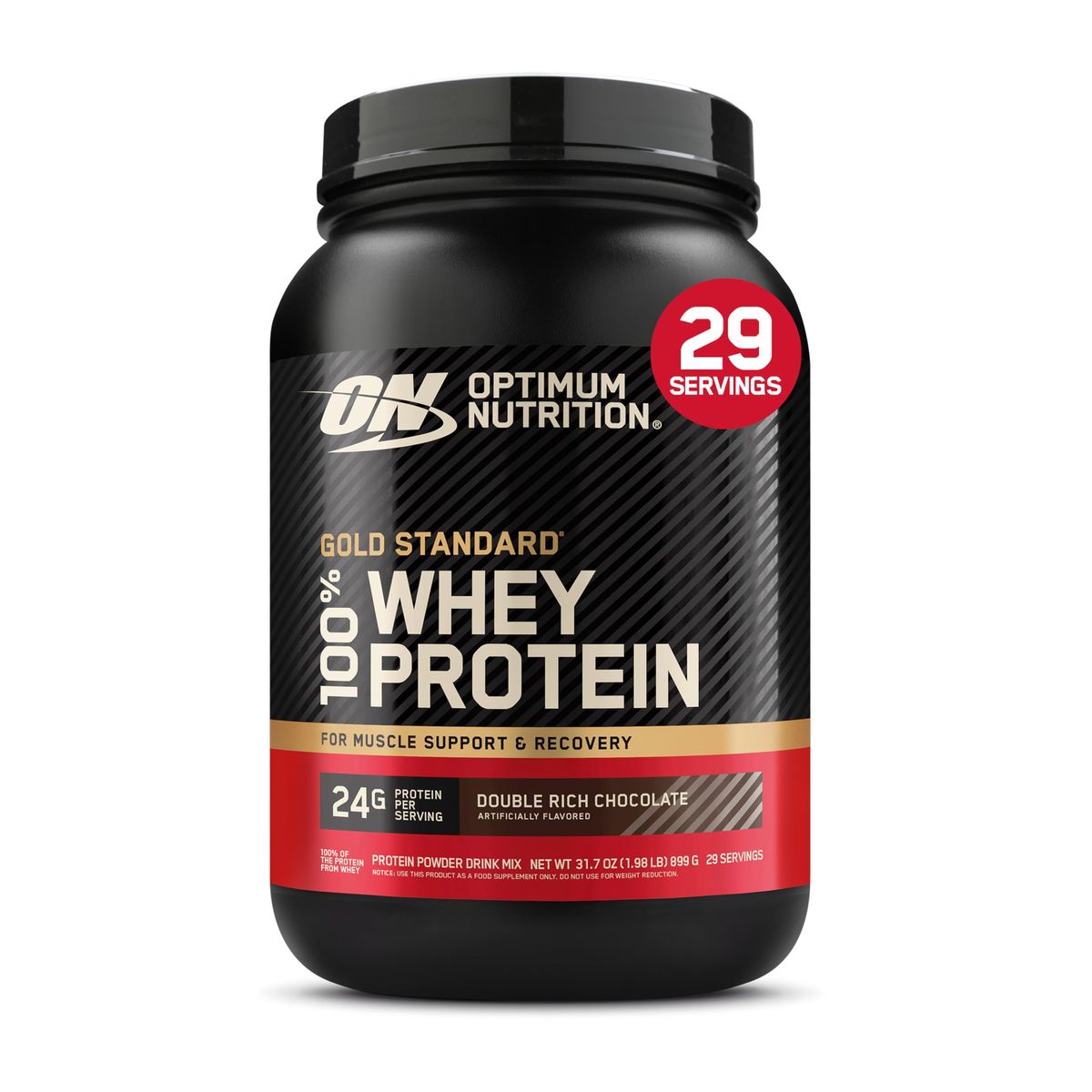
Example: Optimum Nutrition Gold Standard Whey (24g protein, ~1g sugar)
Whey Isolate
Further filtered whey with almost all fat and carbs removed, leaving over 90% pure protein per scoop. Excellent for low‑carb or keto dieters.
- Near‑zero carbs and sugar
- Higher protein percentage per scoop
- Fast‑absorbing for immediate recovery
- Often more expensive per serving
- Unflavored versions can taste bland
Best for: Keto, low‑carb, and anyone wanting pure protein without calories from carbs or fat.
Example: Isopure Zero Carb Unflavored (25g protein, 0g carbs)
Plant‑Based
Protein from peas, rice, chia, or soy — blended to create a complete amino acid profile. Vegan‑friendly and often packed with fiber.
- Lactose‑free and vegan
- Often includes fiber for digestion
- USDA organic and clean‑label options
- Can have a grainy or chalky texture
- Slightly less protein per scoop than whey
Best for: Vegans, those with dairy allergies, and anyone wanting a clean, plant‑sourced protein.
Example: Orgain Organic Vegan Protein (21g protein, 0–1g sugar)
What Actually Matters
| Factor | Importance | Best brand |
|---|---|---|
Protein per scoop (≥20g) Minimum 20g — aim for 24‑25g for a true post‑workout dose Many cheap powders skimp to 15‑18g — you’ll need two scoops to match one of these. | Must-have | Optimum Nutrition (24g), Isopure (25g) |
Sugar content ≤3g per serving for lean goals Aim for as close to zero as possible if you’re cutting or on keto. | Must-have | Isopure Zero Carb (0g), Orgain Organic (0‑1g) |
BCAAs / Leucine content 5g+ BCAAs, with ≥2g leucine per serving for muscle protein synthesis Leucine is the trigger for muscle repair — whey naturally delivers. | Must-have | Optimum Nutrition (5.5g BCAAs) |
Third‑Party Testing & Certifications NSF Certified for Sport or Informed Choice badge Without independent testing, you risk heavy metals or banned substances. | Must-have | Optimum Nutrition (banned substance tested) |
Proprietary Blend Transparency A ‘proprietary blend’ hides exact ingredient doses. Only buy powders that list individual amino acid amounts. | Marketing BS | — |
Added vitamins & minerals Nice, but not a primary reason to choose a protein Useful if you’re short on daily vitamins, but don’t pick a powder just for this. | Nice-to-have | Isopure (includes a vitamin blend) |
Grass‑fed / Pasture‑raised No proven nutritional advantage — pure label mark‑up. | Marketing BS | — |
Budget Tiers & Top Picks
What to buy at each price point — and exactly where spending more stops paying off.
Budget — Under $1 per serving
$24 – $30 per containerOptimum Nutrition Gold Standard 100% Whey, 1 lb (14 servings)

Stop paying more: Stop at $30 for a 1‑2 lb trial size. Beyond that, the math flips — per‑gram protein cost doubles compared to a 5 lb bulk buy.
When to upgrade: Need 2+ scoops a day? Step up to the mid‑tier 2 lb tub for a better per‑serving deal.
Mid‑tier — $1.00 – $1.75 per serving
$30 – $45 per containerOptimum Nutrition Gold Standard 100% Whey, 1.98 lb (28 servings)
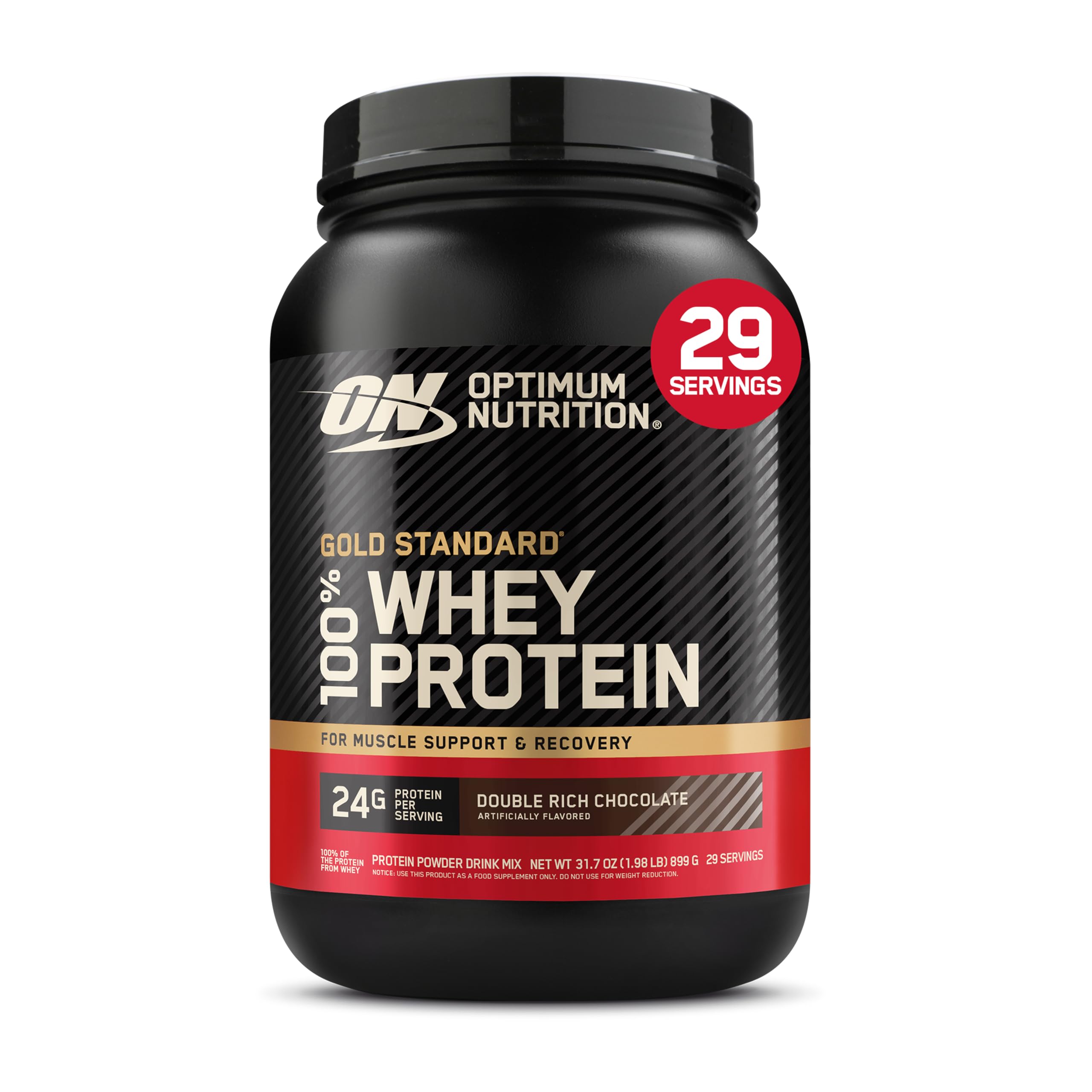
Stop paying more: At $42 for 28 servings, this is the benchmark. Price has been stable at $42.38 for weeks — no need to hunt for a sale.
When to upgrade: Switching to keto or want a pure isolate? Check the premium tier for zero‑carb options.
Premium — Over $1.75 per serving
$34 – $96 per containerIsopure Zero Carb 100% Whey Isolate, 3 lb (47 servings)

Stop paying more: Bulk isolate: $2.04 per serving is premium, but zero‑carb purity. If you can handle unflavored, this 3 lb tub is cost‑efficient for long‑term use.
When to upgrade: Don’t need carb‑free? Stick with mid‑tier whey — you’ll save without sacrificing gains.
Common Mistakes to Avoid
Shopping by price alone, ignoring protein per scoop
A cheap tub might have only 15g of protein — you’d need two scoops to match a quality 24‑25g serving. That doubles your cost per gram.
Cost of getting it wrong: Under‑dosing recovery and paying more per gram of actual protein.
Buying a “proprietary blend” without questioning the dosage
When a label says ‘Proprietary Blend, 5g’, you don’t know how much of each amino acid you’re getting. YouTube reviewers like Jeremy Ethier warn that blends often let companies use cheap fillers.
Cost of getting it wrong: Spending on mystery ingredients instead of verified, effective doses.
Skipping third‑party testing certifications
Dr. Quinn Stillson notes that 70% of protein powders are contaminated with heavy metals. Only NSF Certified for Sport or Informed Choice testing verifies the powder is clean and safe.
Cost of getting it wrong: Health risk from heavy metals, and possible failed drug tests for athletes.
Going unflavored when you can’t stand the taste
Unflavored whey can be chalky — many users abandon the tub. If you’re not blending it into smoothies or baking, pick a flavor you enjoy.
Cost of getting it wrong: Unused product and wasted money.
Find Your Match
What’s your primary dietary requirement?
Frequently Asked Questions
How much protein powder should I use per day?
<strong>Most adults need 1.6–2.2 grams of protein per kilogram of body weight daily to build muscle, spread across meals.</strong> One scoop (24–25g) covers a single serving; if you get enough from food, you might only need one shake post‑workout. The key is total daily intake, not timing.
What should I absolutely avoid in a protein powder?
<strong>Avoid anything called a “proprietary blend” — it hides the exact amino acid doses.</strong> Also skip powders with more than 3g of sugar per serving if you’re cutting, and never buy a tub without third‑party contamination testing. YouTube reviewers consistently flag heavy metal risks.
Is plant protein as good as whey?
<strong>Yes, if it’s a blended source like Orgain’s pea + rice + chia mix that provides all nine essential amino acids.</strong> You may get slightly less protein per scoop (21g vs 24g), but it’s equally effective when dosed properly and much easier on the stomach for most.
How much should I spend on protein powder?
<strong>For flavored whey, $1.00–$1.50 per serving is the best value; you get quality and taste without breaking the bank.</strong> Under $1 usually means smaller tubs that are pricier long‑term. Over $1.75 only makes sense for pure isolates if you’re on keto or want zero additives.
What’s the deal with heavy metals?
<strong>A 2025 report showed 70% of powders tested had detectable heavy metals, but reputable brands with NSF or Informed Choice testing screen those out.</strong> Stick with tested brands—the risk is almost entirely from uncertified, budget no‑name powders.
Can I use protein powder for weight loss?
<strong>Yes — a low‑sugar, low‑carb powder like Isopure Zero Carb can replace a meal or snack to keep protein high while cutting calories.</strong> Aim for 25g protein and fewer than 3g of sugar per shake. It suppresses hunger better than carbs alone.
Does the flavor really matter if I’m just mixing it with water?
<strong>It matters a lot — Double Rich Chocolate from ON is famously drinkable, while some unflavored or plant powders can taste chalky.</strong> Buy a small tub first to test; even the best protein is useless if you hate the taste and skip your shake.
How we wrote this guide
We screened 403,479 Amazon verified buyer reviews across 6 leading powders, cross‑referenced three independent YouTube reviewer analyses, and dug into each product’s amino acid and sugar profiles. Jeremy Ethier and Quinn Stillson MD broke down leucine thresholds and contamination risks; we verified every claim against the spec sheets. Only powders with transparent labels, ≥20g protein/scoop, and clear third‑party testing survived the cut.
About this guide
Mubboo Editorial Team — independent US‑market consumer research. Picks synthesized from 403,479 verified Amazon reviews, insights from three YouTube reviewers, and manufacturer data. No proprietary blend ever made our shortlist.