Red Light Therapy Buying Guide 2026: Wavelength, Coverage & What Actually Matters
Why more LEDs and higher wattage don't guarantee better results, and the one usage habit that matters more than device power.
By Mubboo Editorial Team · Updated Jul 1, 2026 · 7 min read
At a Glance
- Price range
- $28 – $190
- Budget pick
- GMOWNW Red Light Therapy Pad ($28.43 · 4.3★)
- Data
- 12,000+ verified reviews analyzed across 6 finalists
- Best for
- Muscle and joint comfort routinesDaily at-home wellness habitsTargeted back, shoulder, or waist use
- Skip if
- You have a diagnosed medical condition — these are wellness devices, not a substitute for medical care from a doctor
Types Explained
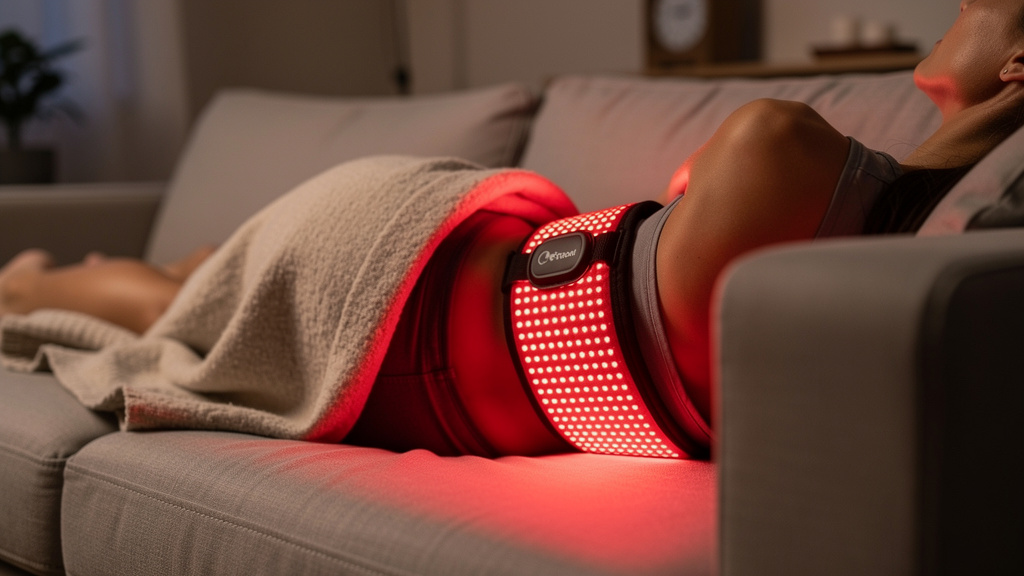
Wearable Wrap Belts
Flexible pads with an adjustable strap, worn hands-free around the back, waist, shoulder, or a limb.
- Hands-free use while doing other things
- Contours to the body for even coverage
- Most are corded, limiting mobility during a session
- Coverage is limited to one body area at a time
Best for: Targeted daily use on the back, waist, or a specific joint
Example: feangli Red Light Therapy Belt
Standalone Panels
A freestanding or wall-mountable light panel used at a short distance from the face or body rather than worn directly.
- Covers a larger area from a distance without wrapping
- Suited for both face and body use
- Requires dedicated space and a stand or mount
- Higher price than a basic wearable belt
Best for: Face and full-body sessions without needing to wrap a device around yourself
Example: BestQool Red Light Therapy Panel
Rechargeable Portable Devices
Battery-powered belts that don't need to stay plugged into an outlet during use.
- Freedom to move around during a session
- More convenient for use outside the home
- Higher price than a corded equivalent
- Battery adds weight and eventual replacement considerations
Best for: Anyone who wants to use a device while moving around, not just seated near an outlet
Example: LifePro Red Light Therapy Belt
What Actually Matters
| Factor | Importance | Best brand |
|---|---|---|
Wavelength combination (660nm + 850nm) Look for both 660nm (visible red, surface-level) and 850nm (near-infrared, penetrates deeper) — this dual-wavelength combination is the current standard across the category Independent long-term users specifically recommend sticking to these basic, well-established wavelengths rather than devices marketing extra or unusual wavelength combinations. | Must-have | All six products in this list use the 660nm/850nm combination |
Device durability and warranty responsiveness Check return and warranty windows carefully — device failure within the first year is a commonly reported issue in this category Verified buyer feedback frequently reports devices failing within 8-12 months — a longer warranty window matters more in this category than most. | Must-have | LifePro's listing specifies lifetime customer support, longer than the standard coverage on budget belts |
Treatment area size and coverage A larger pad or panel covers more of the back or waist in one session; smaller devices need repositioning to treat a full area Bigger isn't always necessary — match the coverage area to the specific body part you're actually treating. | Must-have | The feangli and GMOWNW belts both advertise a treatment area over 12 inches |
Consistency of use over device intensity Daily use of at least several minutes matters more for results than a device's wattage or LED count Long-term users specifically note that higher intensity or more LEDs didn't produce noticeably better results than a simpler, moderate-power device used consistently. | Nice-to-have | — |
'Scientifically proven' or 'doctor recommended' claims At-home red light devices are generally marketed as wellness and comfort products, not medical treatments — most are not FDA-cleared for specific medical conditions. Treat 'doctor recommended' language on a listing as marketing, not a clinical endorsement. | Marketing BS | — |
'Cures' or 'reverses' aging, pain, or injury claims Independent researchers describe the evidence for red light therapy as promising but still exploratory for many claimed uses — treat dramatic 'cure' or 'reverse' language skeptically, and see a doctor for a persistent pain or skin condition. | Marketing BS | — |
Budget Tiers & Top Picks
What to buy at each price point — and exactly where spending more stops paying off.
Budget Wearable Pad
$28 – $38GMOWNW Red Light Therapy Pad

Stop paying more: At this price, you get the core 660nm/850nm dual-wavelength setup — paying more here mostly buys treatment area size or portability, not different core technology.
When to upgrade: Want a bigger coverage area or heating function? The bonodave and feangli belts offer that at a similar price.
Full-Coverage Belt
$38 – $40bonodave Red Infrared Light Heating Pad

Stop paying more: This tier adds a larger coverage area and heating function over the entry tier at a modest price step.
When to upgrade: Want to skip the cord entirely, or want the highest-rated option? Move to the premium tier.
Premium (Rechargeable or Panel)
$189 and upBestQool Red Light Therapy Panel

Stop paying more: A standalone panel and rechargeable belt are the ceiling most home users need at this tier — going higher moves into clinic-grade equipment, a different market entirely.
When to upgrade: There isn't a meaningful step up from here for at-home use — beyond this is professional or clinic-grade equipment.
Common Mistakes to Avoid
Assuming more LEDs or higher wattage means better results
Long-term reviewers specifically found that a simpler, moderate-power device used consistently performed as well as a far more intense, expensive panel.
Cost of getting it wrong: Overpaying for intensity that doesn't translate into noticeably better results
Not checking the warranty before buying
Device failure within the first year is a frequently reported issue in this category — a longer warranty window is worth checking before you buy, not after something breaks.
Cost of getting it wrong: A non-functional device with no recourse once the standard return window closes
Using a body-focused device near the eyes
Most commercial red light devices, including body panels and belts, are not designed or cleared for eye exposure — dedicated eye-safety research warns that many devices can exceed safe exposure limits for that specific use.
Cost of getting it wrong: Potential eye discomfort or risk from using a device outside its intended purpose
Treating red light therapy as a substitute for medical care
These are generally sold as wellness and comfort devices, not FDA-cleared medical treatments — a persistent pain, skin, or health concern should go to a doctor, not just a red light device.
Cost of getting it wrong: Delayed appropriate medical care for a condition that needs it
Find Your Match
What are you treating?
Frequently Asked Questions
How much should I spend on a red light therapy device?
Basic wearable belts and pads run $28-$40. Premium rechargeable belts and standalone panels run around $189-$190.
What should I avoid when buying a red light therapy device?
Avoid assuming more LEDs or higher wattage means better results, and don't rely on 'doctor recommended' or 'scientifically proven' claims — these are generally wellness products, not FDA-cleared medical treatments.
What wavelengths should a red light therapy device use?
660nm (visible red) and 850nm (near-infrared) is the current standard combination — long-term users specifically recommend sticking to these basic, well-established wavelengths.
How often should I use red light therapy for results?
Consistency matters more than intensity — daily use of at least several minutes is generally recommended over occasional use of a more powerful device.
Can I use a red light therapy belt near my eyes?
No. Most commercial red light devices, including body panels and belts, aren't designed or cleared for eye exposure — dedicated eye-safety research warns some devices can exceed safe exposure limits for that use.
Are red light therapy devices durable long-term?
Buyer feedback in this category frequently reports devices failing within 8-12 months — checking the warranty window before buying is worth the extra minute.
How we wrote this guide
Synthesized from 6 finalists and 12,000+ verified Amazon reviews across belts, pads, and panels. Prices update weekly from Amazon.
About this guide
Mubboo Editorial Team. Picks based on comparison of coverage area, durability, and verified user reviews. This guide is educational and doesn't replace advice from your doctor.