Reptile Heat Lamp Buying Guide 2026: Wattage, Fixture Rating & Bulb Type Explained
Why matching your bulb to the fixture's wattage rating is a safety issue, not just a performance one.
By Mubboo Editorial Team · Updated Jul 1, 2026 · 7 min read
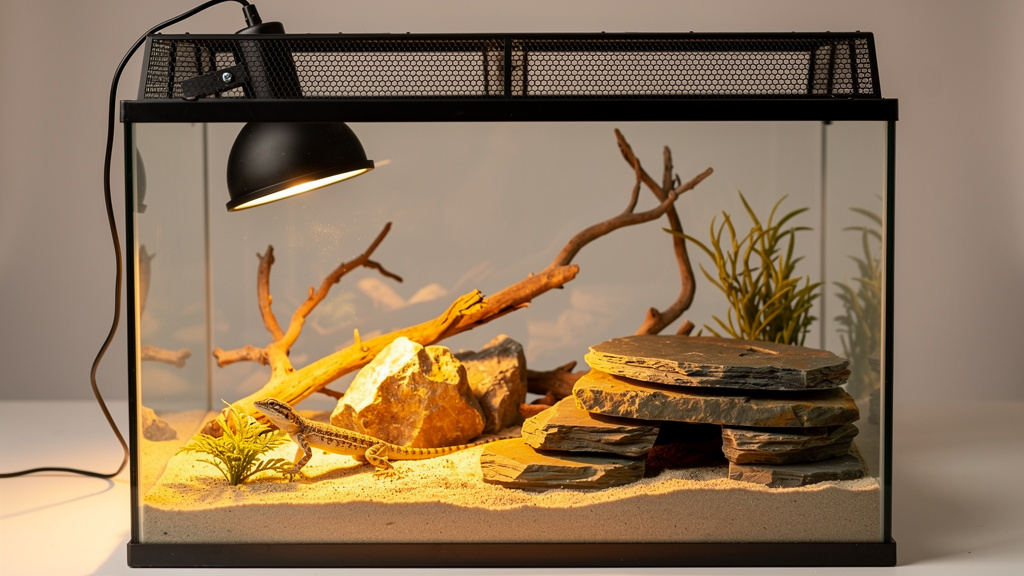
At a Glance
- Price range
- $5 – $28
- Data
- 41,000+ verified reviews analyzed across 6 finalists
- Best for
- Setting up a new reptile enclosureDaytime basking heat and lightNighttime heat without disrupting sleep cycles
- Skip if
- You need a full digital thermostat-controlled system — pair any of these with a separate thermostat for precise temperature control
Types Explained
Lamp Fixtures / Domes
The clamp or dome housing that holds a bulb, sold separately from the bulb itself.
- Reusable across many bulb replacements
- Available in different sizes to match enclosure and wattage needs
- Doesn't include a bulb — a separate purchase is required
- Must be rated for the wattage of the bulb you plan to use
Best for: Setting up a new enclosure or replacing a worn-out fixture
Example: Zilla Premium Heat Lamp Reflector Dome
Incandescent Basking Bulbs
Light-emitting bulbs that provide both heat and daytime light for basking reptiles.
- Provides both light and heat in one bulb
- Lower cost than fixtures, simple to replace
- Not suited for nighttime use since it emits visible light
- Buyer feedback reports a shorter lifespan than expected
Best for: Daytime basking spots that need both warmth and light
Example: Fluker's Incandescent Basking Spotlight Bulb
Ceramic Heat Emitters
Bulbs that produce heat with no visible light output, designed for use around the clock without disrupting day/night cycles.
- No light output, safe for nighttime use
- Long rated operating life
- Produces no light, so it can't double as a basking light source
- Still gets very hot and needs a properly rated fixture
Best for: Nighttime heating or continuous heat without visible light
Example: LUCKY HERP 150W Ceramic Heat Emitter
What Actually Matters
| Factor | Importance | Best brand |
|---|---|---|
Wattage matched to enclosure size and species Desert reptiles in a 40-gallon tank typically need around 100W; tropical species can often start around 50W — actual needs vary by room temperature and enclosure design Wattage needs depend on room temperature, basking distance, and whether the enclosure has a closed or screen top — there's no single right answer without checking your specific setup. | Must-have | Fluker's offers both 75W and 150W clamp fixtures to match different enclosure sizes |
Fixture wattage rating vs. bulb wattage Make sure the fixture is rated to handle your chosen bulb's wattage — mismatching the two is a safety issue, not just a performance one Buyer feedback specifically flags fixtures getting extremely hot to the touch — always mount in a fixture rated for the wattage you're using. | Must-have | REPTI ZOO's dual fixture and Zilla's dome are both rated up to 150 watts per socket |
Light-emitting bulb vs. light-free ceramic heat emitter Use a ceramic heat emitter for nighttime heat so you don't disrupt your reptile's day/night cycle with light An incandescent bulb provides both heat and light for daytime basking; a ceramic emitter is the better choice once the lights should be off. | Must-have | LUCKY HERP's ceramic emitter produces heat with no light output, suited for overnight use |
Assembly and mounting hardware Buyer feedback consistently notes clamp-lamp assembly isn't always intuitive, with multiple mounting holes that aren't clearly labeled — read the instructions before assuming a piece is missing. | Nice-to-have | — |
'Premium' or 'heavy duty' claims without a stated wattage rating Look for an actual maximum wattage rating on the fixture itself — descriptive words like 'premium' or 'heavy duty' don't tell you what bulb wattage it can safely handle. | Marketing BS | — |
Extended bulb lifespan claims Buyer feedback across this category frequently reports bulbs burning out within 2-3 months regardless of stated lifespan claims — budget for periodic bulb replacement as a normal running cost. | Marketing BS | — |
Budget Tiers & Top Picks
What to buy at each price point — and exactly where spending more stops paying off.
Bulb Only
$5 – $16Fluker's Incandescent Basking Spotlight Bulb (100W)

Stop paying more: At this price, you get a reliable daytime basking bulb — this tier is for replacement or a first bulb if you already own a compatible fixture.
When to upgrade: Need a full fixture too, or nighttime heat? Step up to the mid or premium tier.
Standard Fixture
$16 – $20Fluker's Repta-Clamp Lamp (150W, 8.5")

Stop paying more: This tier covers most single-bulb setups with a solid wattage rating and long review history — paying more mostly buys a second socket or premium materials.
When to upgrade: Want two bulb sockets, or a premium powder-coated finish? Move to the premium tier.
Dual Fixture / Premium
$20 and upREPTI ZOO Dual Reptile Light Fixture
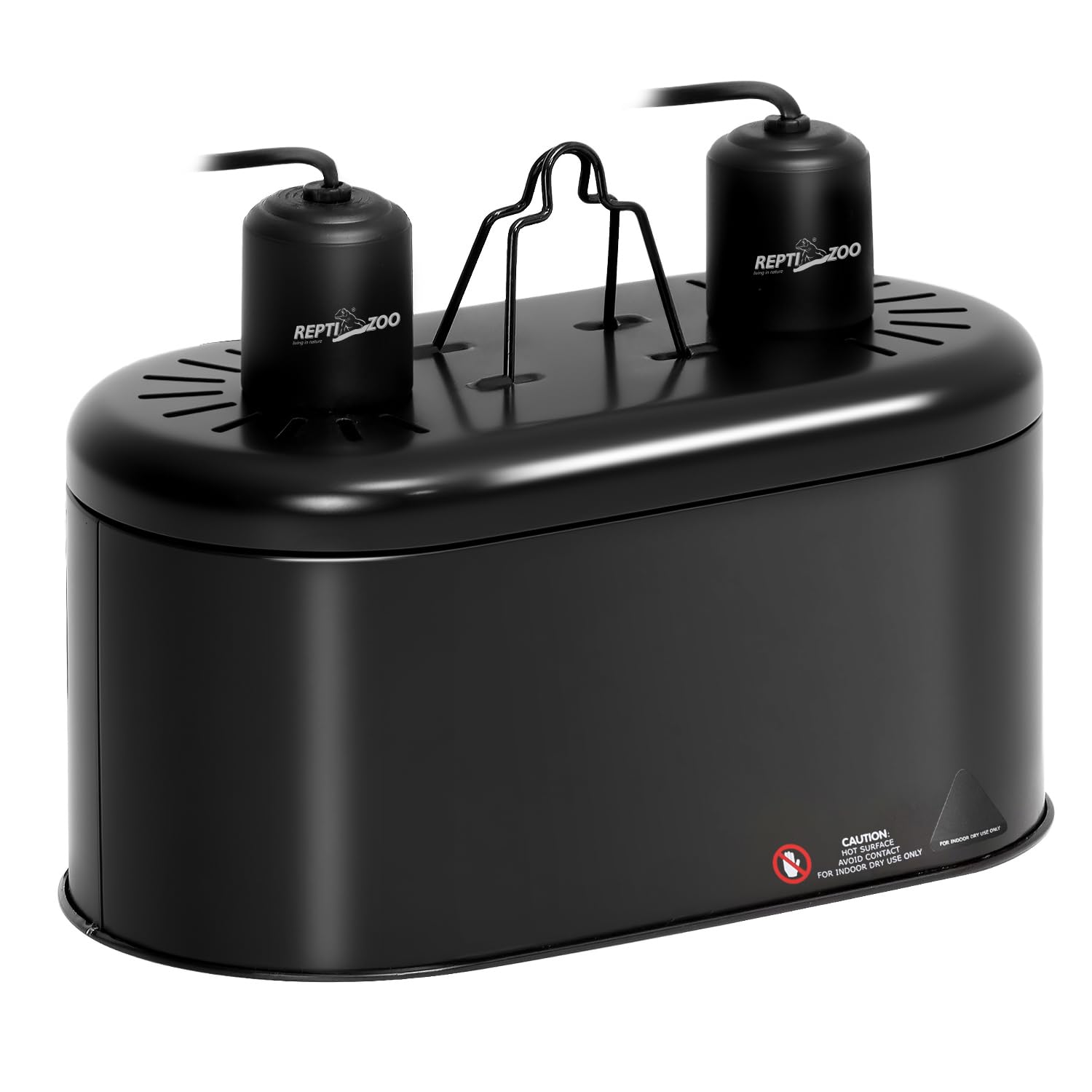
Stop paying more: Two independent sockets here are the ceiling most home setups need — beyond this is professional or commercial reptile facility equipment.
When to upgrade: There isn't a meaningful step up from here for most home enclosures — pairing any fixture with a dimming thermostat adds more precision than a pricier fixture alone.
Common Mistakes to Avoid
Using a fixture rated below your bulb's wattage
Buyer feedback specifically flags fixtures getting extremely hot to the touch — mismatching a high-wattage bulb with an underrated fixture is a real safety risk, not just a performance issue.
Cost of getting it wrong: A damaged fixture or a genuine burn hazard
Assuming a light-emitting bulb is fine for nighttime heat
An incandescent basking bulb provides both heat and light — running it at night can disrupt your reptile's natural day/night cycle. A ceramic heat emitter provides heat without light for overnight use.
Cost of getting it wrong: Disrupted sleep cycles for a nocturnal or diurnal reptile
Not budgeting for periodic bulb replacement
Buyer feedback across this category frequently reports bulbs burning out within 2-3 months of regular use — this is a normal running cost of reptile heating, not necessarily a defective unit.
Cost of getting it wrong: An unexpectedly cold enclosure when a bulb fails without a spare on hand
Assuming clamp-lamp assembly is broken when it's just unclear
Buyer feedback consistently notes clamp fixtures have multiple mounting holes that aren't clearly labeled — check the instructions for wing-nut placement before assuming a part is missing or defective.
Cost of getting it wrong: Time lost troubleshooting a functional product
Find Your Match
What are you shopping for?
Frequently Asked Questions
How much should I spend on reptile heat lamp equipment?
Individual bulbs run $5-$16. Fixtures and domes run $17-$27. Most setups need both a fixture and a bulb, so budget for the pair.
What should I avoid when buying reptile heat lamps?
Avoid using a bulb wattage that exceeds your fixture's rating, and don't assume clamp-lamp assembly is broken if it's just unclear — check the instructions for wing-nut placement first.
What wattage heat lamp do I need for my reptile?
It depends on enclosure size, room temperature, and species — desert reptiles in a 40-gallon tank typically need around 100W, while tropical species can often start around 50W.
Should I use a light bulb or a ceramic heat emitter?
Use a light-emitting bulb for daytime basking and a ceramic heat emitter for nighttime heat, since it produces no light to disrupt your reptile's day/night cycle.
How long do reptile heat bulbs typically last?
Buyer feedback across this category frequently reports bulbs burning out within 2-3 months of regular use — budget for periodic replacement as a normal running cost.
Are reptile heat lamps safe to use?
They can get extremely hot to the touch, so always use a fixture rated for your bulb's wattage and mount it securely away from anything flammable or where your reptile could directly contact the bulb.
How we wrote this guide
Synthesized from 6 finalists and 41,000+ verified Amazon reviews across fixtures, bulbs, and ceramic heat emitters. Prices update weekly from Amazon.
About this guide
Mubboo Editorial Team. Picks based on comparison of wattage rating, fixture safety, and verified user reviews. Prices update weekly from Amazon.