Robot Vacuum Buying Guide 2026: Self-Emptying, Mop Tech & Navigation Explained
Why not every model in a lineup shares the same mop technology, and the navigation detail that actually prevents random cleaning patterns.
By Mubboo Editorial Team · Updated Jul 1, 2026 · 7 min read
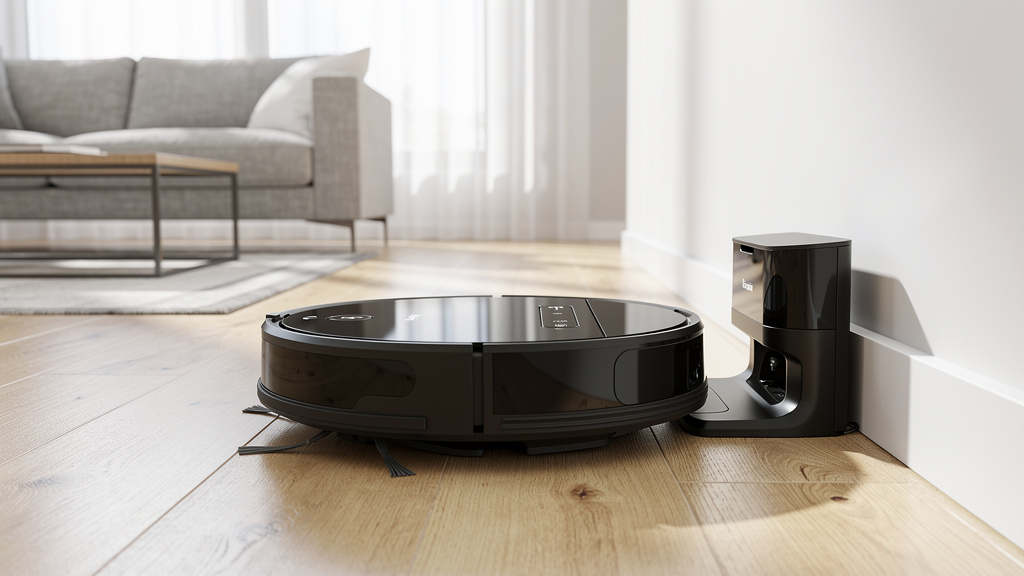
At a Glance
- Price range
- $250 – $1,000
- Data
- 300,000+ verified reviews analyzed across 6 finalists
- Best for
- Pet hair-heavy householdsHomes with low furnitureLow-maintenance daily cleaning
- Skip if
- You need multi-brand comparison shopping — this lineup focuses on a single manufacturer's model tiers
Types Explained
Entry Self-Emptying Models
Budget-tier robot vacuums built around self-emptying as the core convenience feature, without a dedicated advanced mop system.
- Lowest price point in this category
- Reduces daily manual emptying
- No dedicated self-washing mop system
- Fewer navigation and obstacle-avoidance features than premium tiers
Best for: Budget-conscious buyers who mainly want hands-off vacuuming
Example: eufy C10 Robot Vacuum Self Emptying
Full Vacuum and Mop Combos
Mid-tier models combining vacuuming with a standard spinning mop pad system in one all-in-one station.
- Handles both vacuuming and mopping in one device
- Wider price range to fit different budgets
- Standard mop pad performs differently than a self-washing roller mop
- Mid-tier models may have fewer premium navigation features
Best for: Households wanting combined vacuum and mop coverage without paying for the top tier
Example: eufy X10 Pro Omni Robot Vacuum and Mop Combo
Premium Self-Washing Roller Mop Models
Top-tier models using a self-washing roller mop system at the highest suction levels in the lineup.
- Highest suction and most advanced mop system available
- Includes AI obstacle avoidance and edge-to-corner cleaning features
- Highest price point in this category
- More complex station maintenance than simpler models
Best for: Households wanting the best available mopping and suction performance
Example: eufy Robot Vacuum E25
What Actually Matters
| Factor | Importance | Best brand |
|---|---|---|
Self-emptying dock included vs. base model Confirm whether self-emptying is included at the listed price — some models bundle it as standard, others require stepping up a tier Buyer feedback consistently praises easy setup, but self-emptying is what actually reduces day-to-day maintenance — check this is included, not just an accessory add-on. | Must-have | The eufy C10 is built around self-emptying as its core feature at the lowest price point in this lineup |
Suction power (Pa) and mop technology A self-washing roller mop system differs meaningfully from a standard spinning pad mop — check which mop mechanism a given model uses Buyer feedback specifically praises mopping performance as a standout — the roller-mop models are the dedicated answer to that within this lineup. | Must-have | The eufy E25 and E28 both use a self-washing roller mop system at 20,000Pa suction, the highest in this lineup |
Navigation and mapping reliability Smart mapping and obstacle avoidance prevent the random, unpredictable cleaning patterns some buyers report on less capable models Buyer feedback specifically flags random, inefficient cleaning patterns as a complaint on some units — reliable mapping is what separates a systematic clean from a scattershot one. | Must-have | The eufy E25 includes AI obstacle avoidance as a named feature |
Ultra-slim body for under-furniture access A slim design matters specifically if you have low beds, sofas, or cabinets a standard-height robot can't reach under. | Nice-to-have | The eufy Omni C20 has a notably slim 3.35-inch body designed for homes with low furniture |
'World's first' feature claims Being first with a detachable deep-cleaning attachment or similar feature doesn't guarantee it performs better than a more established design — compare actual reviews of that specific feature, not just the novelty claim. | Marketing BS | — |
Maximum suction number alone as a buying decision A higher Pa figure doesn't guarantee better real-world pickup — mapping quality and brush design matter just as much as raw suction power. | Marketing BS | — |
Budget Tiers & Top Picks
What to buy at each price point — and exactly where spending more stops paying off.
Entry
$250 – $500eufy C10 Robot Vacuum Self Emptying
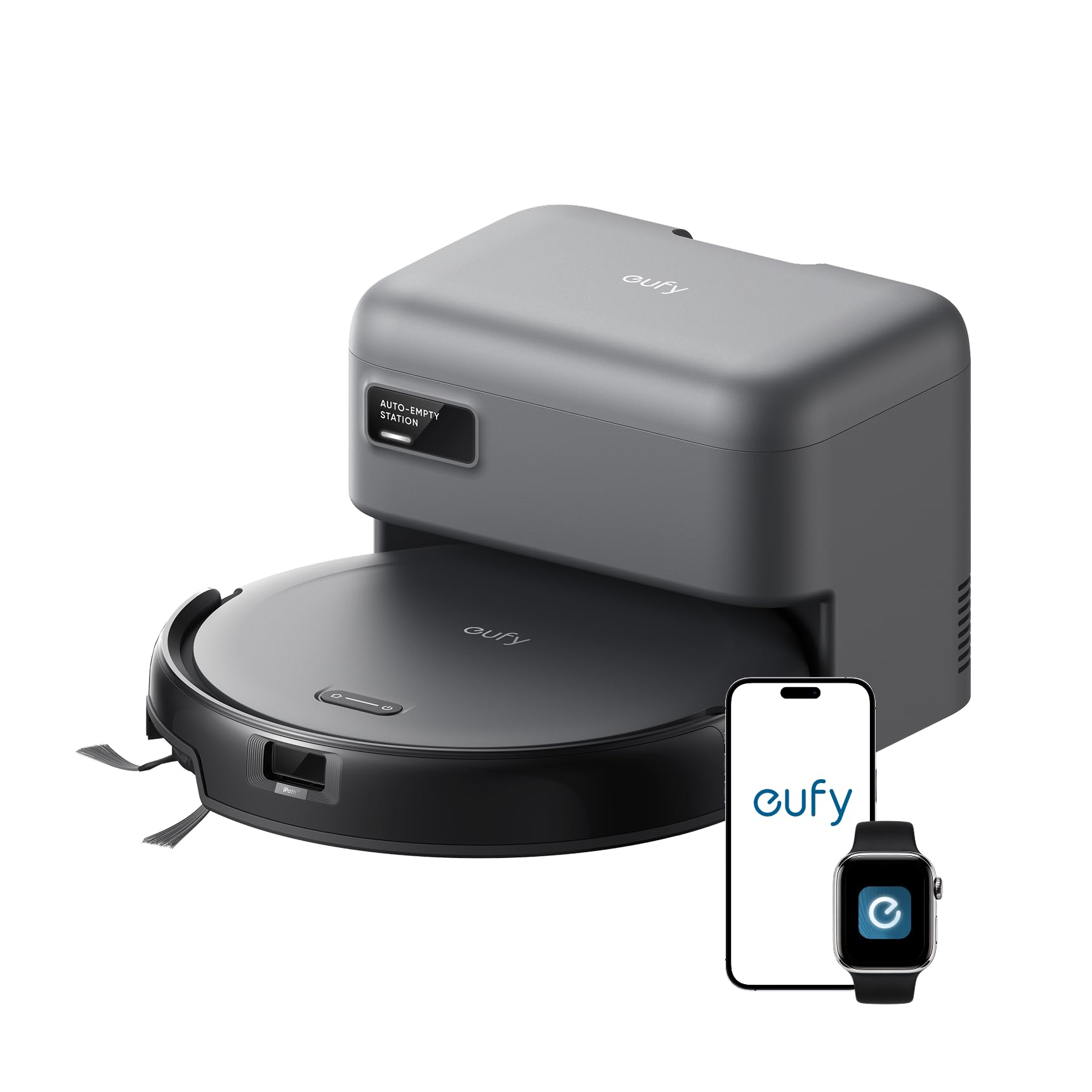
Stop paying more: At this price, you get self-emptying and solid review history — paying more mostly buys a more advanced mop system or slimmer design.
When to upgrade: Want a slimmer design or a full mop combo? Step up to the mid tier.
Standard Combo
$500 – $800eufy C28 Robot Vacuum and Mop Combo

Stop paying more: This tier's self-cleaning mop and Omni Station are the ceiling for combined vacuum-and-mop convenience below the premium tier.
When to upgrade: Want the highest suction and AI obstacle avoidance? Move to the premium tier.
Premium HydroJet
$800 and upeufy Robot Vacuum E28
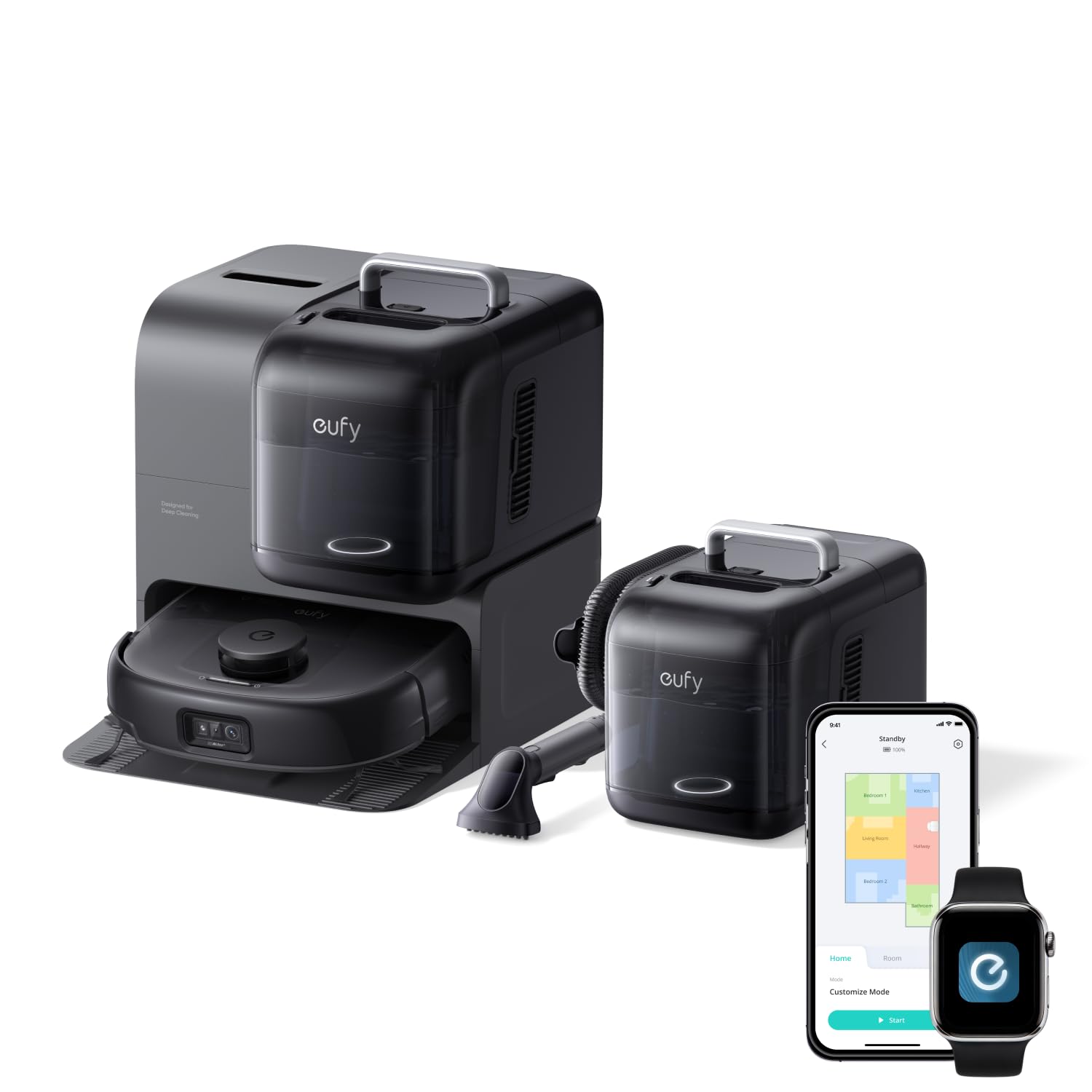
Stop paying more: 20,000Pa suction and a detachable deep-cleaning attachment here are the ceiling for this lineup — beyond this is commercial-grade cleaning equipment, a different tier entirely.
When to upgrade: There isn't a meaningful step up from here within this lineup — commercial robotic cleaning systems are the next tier, built for a different scale entirely.
Common Mistakes to Avoid
Assuming all models in a lineup include the same mop technology
A self-washing roller mop system differs from a standard spinning mop pad on other models — check which mopping mechanism a specific model actually uses before assuming they're equivalent.
Cost of getting it wrong: Expecting a lower-tier model to mop as effectively as a premium roller-mop model
Not confirming self-emptying is standard vs. optional
Self-emptying is a headline feature on some models and a defining feature on others — verify it's included at the price you're paying rather than assuming every model in a lineup has it.
Cost of getting it wrong: An unexpected manual-empty routine you didn't plan for
Choosing based on suction power alone
A higher Pa figure doesn't guarantee better real-world pickup — buyer feedback specifically flags random, inefficient cleaning patterns on some units regardless of suction rating, pointing to navigation quality as equally important.
Cost of getting it wrong: Paying a premium for suction that doesn't translate to a noticeably better clean
Overlooking dock noise when planning where to place the unit
Buyer feedback specifically notes self-emptying and docking cycles can be loud — plan placement away from a bedroom or home office if this matters to you.
Cost of getting it wrong: An unexpectedly disruptive noise during routine self-emptying cycles
Find Your Match
What's your top priority?
Frequently Asked Questions
How much should I spend on a robot vacuum?
Entry self-emptying models run around $250. Full vacuum and mop combos run $480-$800. Premium HydroJet mop models run $900-$1,000.
What should I avoid when buying a robot vacuum?
Avoid assuming every model in a lineup shares the same mop technology, and don't choose based on suction power alone — navigation quality matters just as much for a systematic clean.
Does self-emptying come standard on all robot vacuums?
No — it's a defining feature on some models and not included on others. Verify it's part of the specific model you're buying rather than assuming it across a brand's lineup.
What's the difference between a standard mop pad and a self-washing roller mop system?
A self-washing roller mop system, used on some higher-tier models, differs from the standard spinning mop pads on other models in the same lineup — check which mechanism a specific model uses.
Are robot vacuum docks noisy?
Buyer feedback specifically notes self-emptying and docking cycles can be loud — consider dock placement if noise near a bedroom or office matters to you.
Do robot vacuums clean in a systematic pattern or randomly?
It depends on the navigation system. Buyer feedback specifically flags random, inefficient cleaning patterns on some units — reliable mapping and obstacle avoidance are what prevent this.
How we wrote this guide
Synthesized from 6 finalists and 300,000+ verified Amazon reviews across entry, standard, and premium tiers. Some sibling models in this lineup share a review pool from a common parent listing. Prices update weekly from Amazon.
About this guide
Mubboo Editorial Team. Picks based on comparison of self-emptying, mop technology, and verified user reviews. Prices update weekly from Amazon.