Power Sander Buying Guide 2026: Sander Type, Dust Collection & Cordless Costs Explained
Why matching sander type to the job matters more than the OPM number, and the hidden cost of a tool-only cordless listing.
By Mubboo Editorial Team · Updated Jul 1, 2026 · 7 min read
At a Glance
- Price range
- $28 – $96
- Data
- 60,000+ verified reviews analyzed across 6 finalists
- Best for
- Furniture refinishingDIY woodworking projectsDetail and corner sanding
- Skip if
- You need daily contractor-grade equipment — these are homeowner and DIY-tier tools, not full-time commercial equipment
Types Explained
Detail / Mouse Sanders
Compact sanders with a small, often pointed pad designed to reach corners, edges, and tight spaces.
- Reaches corners and tight spaces standard sanders can't
- Lightweight and easy to maneuver for precise work
- Slower for large flat surfaces than a random orbital sander
- Smaller pad means more passes for bigger jobs
Best for: Corners, edges, and detail work
Example: BLACK+DECKER Detail Sander
Random Orbital Sanders
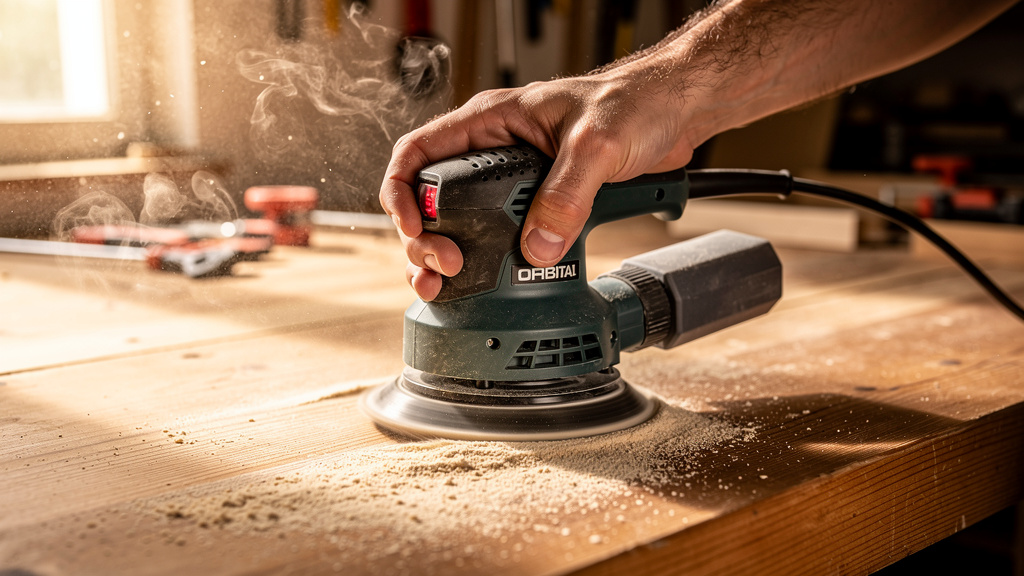
Sanders using a circular pad that moves in a random orbital pattern, covering broad surfaces with a smooth, swirl-free finish.
- Efficient for large flat surfaces
- Produces a smoother finish than many other sander types
- Less precise than a detail sander for corners
- Cordless versions may be sold without a battery
Best for: Large flat surfaces like tabletops, doors, and furniture panels
Example: DEWALT 20V MAX Orbital Sander
Sheet & Belt Sanders
Sheet sanders use a flat rectangular pad for finishing work; belt or file sanders use a moving abrasive belt for faster material removal in narrow areas.
- Sheet sanders give a flat, even finishing pass
- Belt/file sanders remove material quickly in narrow spaces
- Sheet sanders are less versatile for contoured surfaces
- Belt sanders can remove material too aggressively if not controlled carefully
Best for: Flat finishing work or fast material removal in narrow areas
Example: DEWALT Palm Sander (1/4 Sheet)
What Actually Matters
| Factor | Importance | Best brand |
|---|---|---|
Sander type matched to the job Detail sanders excel at corners and tight spaces; random orbital sanders cover broad flat surfaces with a smoother finish; belt/file sanders remove material faster in narrow areas Buyer feedback specifically praises compact detail sanders for reaching small corners — match the sander type to the surface you're actually working on rather than buying the most powerful option available. | Must-have | The BLACK+DECKER and SKIL Multi-Function are dedicated detail sanders; the DEWALT and SKIL orbital models suit broader surfaces |
Corded vs. cordless power source Corded sanders offer unlimited runtime for continuous jobs; cordless models add mobility but need a charged battery, and some are sold tool-only If you don't already own a compatible battery and charger, factor that additional cost into a cordless tool-only listing before comparing price against corded options. | Must-have | The DEWALT 20V MAX is the only cordless model in this list, sold as a bare tool without a battery or charger included |
Dust collection effectiveness Even models with a dust collection system will still produce some airborne dust — plan to wear a dust mask regardless of the collector Buyer feedback specifically notes dust collection isn't complete even with a filter in place — a mask is still worth wearing for extended sanding sessions. | Must-have | The SKIL 5" Random Orbital Sander uses a cyclonic dust box designed for easier emptying |
Included sanding pad and attachment quality Buyer feedback specifically flags included sanding pads as lower quality than aftermarket replacements — budgeting for a spare pack of sanding sheets is a reasonable expectation. | Nice-to-have | — |
'Professional-grade' claims on a homeowner-tier sander These are homeowner and DIY-tier tools, not full-time contractor equipment — 'professional-grade' language describes build quality aspirations, not a certification for daily commercial use. | Marketing BS | — |
Maximum OPM/RPM number as the sole performance indicator A higher orbits-per-minute or RPM figure doesn't guarantee a better finish — pad design, dust management, and grip comfort matter just as much for real-world sanding results. | Marketing BS | — |
Budget Tiers & Top Picks
What to buy at each price point — and exactly where spending more stops paying off.
Budget
$28 – $39WEN 6307 Variable Speed Detailing File Sander

Stop paying more: At this price, you get a pivoting belt sander built for narrow, hard-to-reach areas — paying more mostly buys a broader-surface orbital or sheet sander.
When to upgrade: Need to cover larger flat surfaces? Step up to the mid tier.
Standard
$39 – $60BLACK+DECKER Detail Sander

Stop paying more: This tier's review volume and detail-work versatility make it a safe default for corner and edge sanding.
When to upgrade: Need to sand large flat surfaces or want cordless mobility? Move to the premium tier.
Premium
$60 and upDEWALT 20V MAX Orbital Sander (Tool Only)

Stop paying more: Brushless motor performance and the highest rating in this list are the ceiling for this category — beyond this is full contractor-grade sanding equipment, a different tier entirely.
When to upgrade: There isn't a meaningful step up from here for home and DIY use — commercial-grade sanders are the next tier, built for daily professional workloads.
Common Mistakes to Avoid
Buying a detail sander for large flat surfaces
Detail sanders excel at corners and tight spaces but are slower and less efficient than a random orbital sander for broad flat surfaces — match the tool to the job size.
Cost of getting it wrong: A much longer sanding job than necessary using the wrong sander type
Not budgeting for a battery and charger with a tool-only cordless sander
Some cordless sanders are sold as tool-only, without a battery or charger included — factor in that additional cost if you don't already own a compatible battery system.
Cost of getting it wrong: An unexpectedly higher total cost than the listed tool-only price suggested
Skipping a dust mask because the sander has a dust collector
Buyer feedback specifically notes dust collection isn't complete even with a filter in place — wear a dust mask regardless of the sander's built-in dust management.
Cost of getting it wrong: Unnecessary dust exposure during extended sanding sessions
Assuming included sanding pads will last the whole project
Buyer feedback specifically flags included sanding pads as lower quality than aftermarket replacements — budget for a spare pack of sanding sheets for anything beyond a quick job.
Cost of getting it wrong: A mid-project pause to source replacement sanding pads
Find Your Match
What are you mostly sanding?
Frequently Asked Questions
How much should I spend on a power sander?
Basic detail and belt sanders run $28-$42. Larger orbital and palm sanders run $84-$96, with cordless models potentially needing a separate battery purchase.
What should I avoid when buying a power sander?
Avoid using a detail sander for large flat surfaces, and don't assume a tool-only cordless listing includes a battery and charger — check what's actually included.
What type of sander do I need?
Detail sanders excel at corners and tight spaces; random orbital sanders cover broad flat surfaces with a smoother finish; belt or file sanders remove material faster in narrow areas.
Do sanders with dust collection eliminate all dust?
No. Buyer feedback specifically notes dust collection isn't complete even with a filter in place — wear a dust mask regardless of the built-in dust management.
Is a cordless sander better than a corded one?
It depends on your setup. Corded sanders offer unlimited runtime for continuous jobs; cordless models add mobility but need a charged battery, and some are sold tool-only without one.
Are the included sanding pads good enough to use long-term?
Not always. Buyer feedback specifically flags included sanding pads as lower quality than aftermarket replacements — budget for a spare pack of sanding sheets for anything beyond a quick job.
How we wrote this guide
Synthesized from 6 finalists and 60,000+ verified Amazon reviews across detail, orbital, and sheet/belt sanders. Prices update weekly from Amazon.
About this guide
Mubboo Editorial Team. Picks based on comparison of sander type, dust collection, and verified user reviews. Prices update weekly from Amazon.