Prices verified Aug 11 · Always confirm at the retailer before buying.
Quick answer
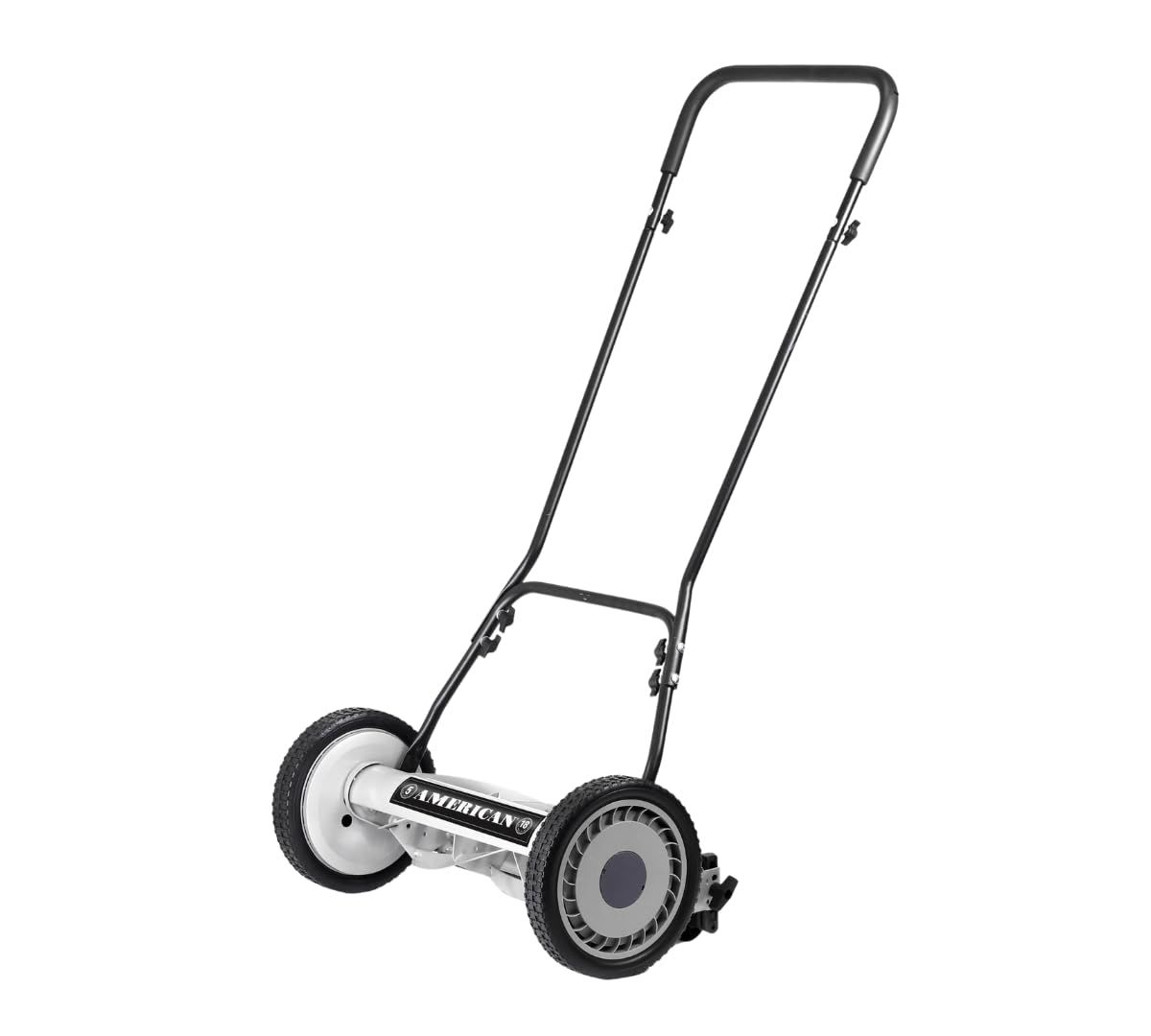
The 18-inch 5-blade reel mower from American Lawn Mower Company wins for most homeowners with medium to larger lawns. Its 18-inch cutting width, 7 height positions, and ability to cut grass up to 6.4 inches tall justify the $7.45 premium over the 14-inch model. For small urban yards under 1/4 acre, the lighter 14-inch 4-blade mower at $72.00 offers easier handling and the same eco-friendly benefits.
The 18-inch 5-blade reel mower wins for most homeowners — wider cut and taller grass capacity justify the $7.45 premium over the 14-inch model.
Mubboo Verdict
Winner
American Lawn Mower Company 1815-18 18-Inch 5-Blade Push Reel Lawn Mower
American Lawn Mower Company 1815-18 18-Inch 5-Blade Push Reel Lawn Mower vs American Lawn Mower Company 1204-14 14-Inch 4-Blade Push Reel Lawn Mower, side by side
American Lawn Mower Company 1815-18 18-Inch 5-Blade Push Reel Lawn Mower
Pros:
- Cuts up to 6.4-inch tall grass
- Scissor-cut prevents grass bruising
- Heat-treated steel blades stay sharp
- No gas, oil, or emissions
Cons (honest weight):
- Requires more physical effort than gas
- 6.3 inches wheels can be small for rough terrain
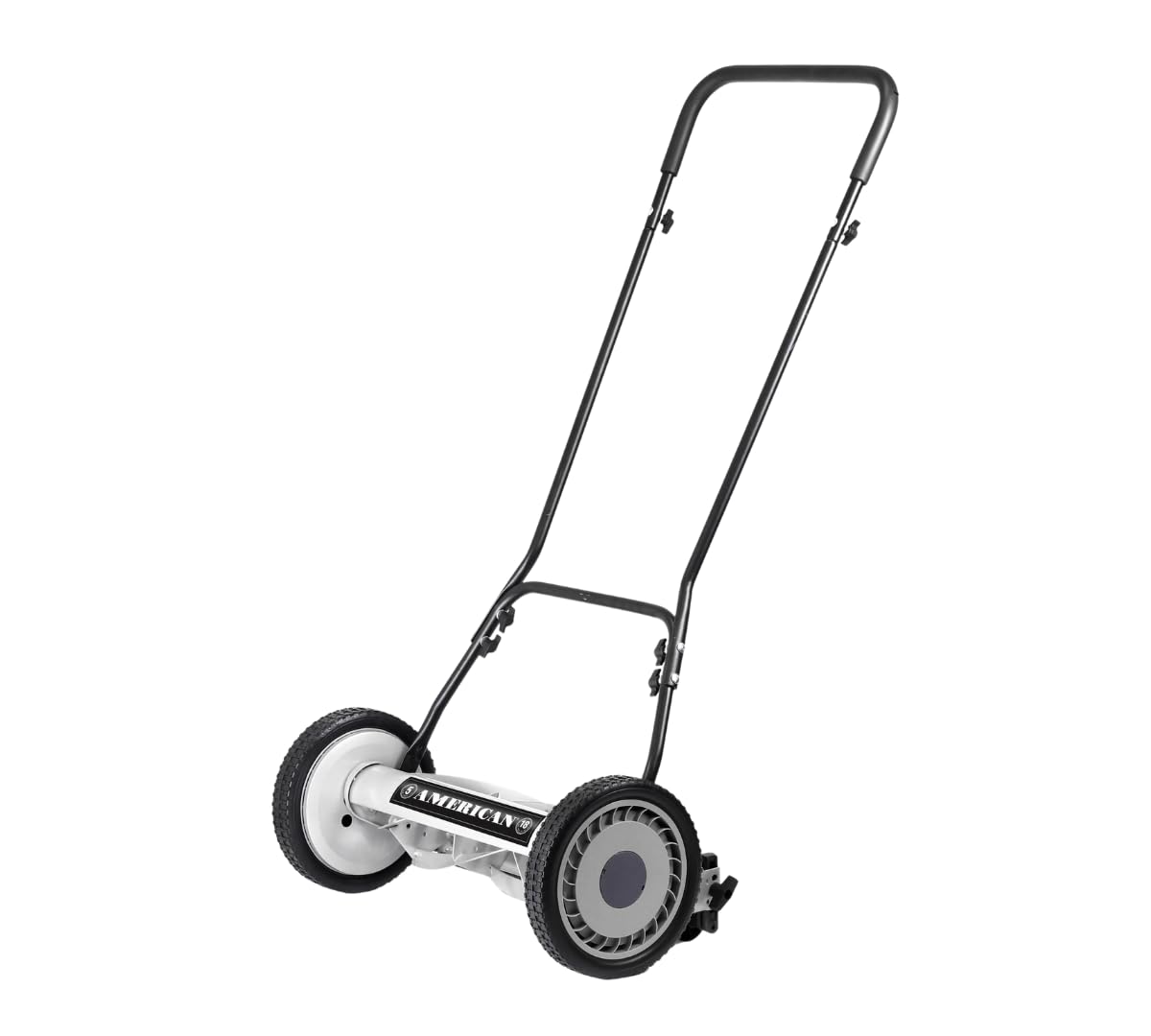
American Lawn Mower Company 1204-14 14-Inch 4-Blade Push Reel Lawn Mower

Pros:
- Lightweight at 19 lbs for easy maneuverability
- 5 cutting height positions for varied grass
- No gas, oil, or emissions
- Small cutting width fits tight spaces
Cons (honest weight):
- 14-inch width takes more passes on larger lawns
- Maximum cut height only 4.45 inches
Where each one wins
10 dimensions scored head-to-head. American Lawn takes 6; American Lawn takes 3.
| Dimension | American Lawn Mower Company 1815-18 18-Inch 5-Blade Push Reel Lawn Mower | American Lawn Mower Company 1204-14 14-Inch 4-Blade Push Reel Lawn Mower | Winner |
|---|---|---|---|
| PriceThe 14-inch model costs $7.45 less. | $79.45 | $72.00 | American Lawn |
| Cutting Width4 inches wider coverage per pass. | 18 inches | 14 inches | American Lawn |
| Blade CountExtra blade provides a finer cut. | 5 | 4 | American Lawn |
| Height Adjustment PositionsMore precision in grass height. | 7 | 5 | American Lawn |
| WeightLighter for easy pushing and storage. | 27 lbs | 19 lbs | American Lawn |
| Maximum Cutting HeightHandles taller grass without clogging. | 6.4 inches | 4.45 inches | American Lawn |
| Assembly RequiredOut-of-box ready vs. minimal assembly. | No | Yes | American Lawn |
| Wheel SizeLarger wheels roll easier over uneven ground. | 16 cm | 21.6 cm | American Lawn |
| Best for Large LawnsWider deck and taller cut suit bigger spaces. | Yes | No | American Lawn |
| Included ComponentsBoth include just the mower. | Reel only | Reel only | Tie |
| Overall | 6 wins | 3 wins | American Lawn |
Price — 14-inch wins on value
The 14-inch model costs $72.00, $7.45 less than the 18-inch at $79.45. For a small yard, that's a meaningful saving you can put toward a grass catcher or trimmer.
What it means in daily use: The price gap reflects the narrower cut and fewer blades. If your yard fits the 14-inch's capacity, you aren't losing performance — you're simply not paying for extra width you won't use.
Who should prioritize this: Budget-conscious buyers with a lawn under 1/4 acre will get the same eco-friendly cut for less.
Cutting Width — 18-inch covers more ground
The 18-inch model cuts 4 inches wider per pass, reducing mowing time on medium lawns. Over a 5,000 sq ft lawn, that saves about 10–15 minutes compared to the 14-inch.
What it means in daily use: Fewer back-and-forth trips mean less fatigue. The wider deck also handles straighter lines, which matters when you want a manicured look.
Who should prioritize this: Homeowners with a quarter-acre or more will appreciate the time savings.
Blade Count — 5 blades for a finer cut
The 18-inch uses 5 heat-treated steel blades versus 4 on the 14-inch. More blades means more cuts per rotation, producing a finer, cleaner appearance.
What it means in daily use: The scissor action reduces grass bruising, keeping your lawn greener. The extra blade also helps in taller grass (up to 6.4 inches).
Who should prioritize this: Anyone who lets grass grow between mowings, especially during spring growth spurts.
Height Adjustment — 7 positions give you control
The 18-inch offers 7 cutting height positions from 1.27 to 6.4 inches. That's 2 more options than the 14-inch, which covers 1.3 to 4.45 inches.
What it means in daily use: Fine-tuning height for different seasons is easier. You can cut low in spring and let it grow tall in summer heat without swapping mowers.
Who should prioritize this: Lawn enthusiasts who adjust height for grass type and season — common in regions with Texas heat or Midwest summers.
Weight — 14-inch is easier to push
At 19 pounds, the 14-inch is 8 pounds lighter than the 27-pound 18-inch. That's a big difference when you're pushing uphill or storing in a shed.
What it means in daily use: The lighter mower is easier to maneuver around flower beds and tighter spaces. It's also less fatiguing on slopes.
Who should prioritize this: Anyone with a small, hilly yard or limited storage — common in urban SoCal or Florida lots.
Maximum Cutting Height — 18-inch handles tall grass
The 18-inch can cut grass up to 6.4 inches tall, while the 14-inch maxes out at 4.45 inches. This is critical if you let grass grow long between cuts.
What it means in daily use: If you mow weekly, grass may exceed 4 inches in the rainy season. The 18-inch won't clog or stall. The 14-inch will struggle and may require two passes.
Who should prioritize this: Homeowners in rainy climates like the Pacific Northwest or with Bermuda grass that grows fast.
Assembly — 18-inch is ready out of the box
The 18-inch requires no assembly; the 14-inch needs minor setup. Both come with clear instructions, but the 14-inch's handle attachment takes about 10 minutes.
What it means in daily use: The 18-inch is truly unbox-and-go. For the 14-inch, you'll need a Phillips screwdriver and a few minutes — not a dealbreaker, but worth noting if you're impatient.
Who should prioritize this: Anyone who hates assembly. The 18-inch is also better as a gift.
Wheel Size — 14-inch rolls easier on rough ground
The 14-inch uses 8.5-inch polymer wheels (8.5 inches), while the 18-inch has 6.3 inches wheels. Larger wheels roll over bumps and divots more smoothly.
What it means in daily use: On uneven terrain, the 14-inch is less likely to scalp high spots. The 18-inch's smaller wheels can dig in on soft ground.
Who should prioritize this: Owners of bumpy, older lawns — a common scenario in established Midwest homes.
Overall, the 18-inch wins for most buyers who have a medium to large lawn. It cuts wider, taller, and with more precision. The 14-inch is the smart pick for small yards where budget and weight matter most.
Which should you buy?
| Your situation | Pick | Why |
|---|---|---|
| Medium to large lawn (1/4 acre+) | American Lawn Mower Company 1815-18 18-Inch 5-Blade Push Reel Lawn Mower | Wider deck covers more ground faster; taller cut handles overgrowth. |
| Small urban yard (under 1/4 acre) | American Lawn Mower Company 1204-14 14-Inch 4-Blade Push Reel Lawn Mower | Lightweight and nimble in tight spaces; lower price. |
| Eco-conscious buyer | American Lawn Mower Company 1815-18 18-Inch 5-Blade Push Reel Lawn Mower | Both are zero-emission, but the 18-inch offers more capability per dollar. |
| Budget-focused shopper | American Lawn Mower Company 1204-14 14-Inch 4-Blade Push Reel Lawn Mower | Same quality for $7.45 less; ideal if your yard fits the 14-inch's limits. |
| Physically active homeowner | American Lawn Mower Company 1815-18 18-Inch 5-Blade Push Reel Lawn Mower | More resistance from the wider deck provides a short workout. |
| Tall grass / rainy climate | American Lawn Mower Company 1815-18 18-Inch 5-Blade Push Reel Lawn Mower | 6.4-inch max height prevents clogging in fast-growing seasons. |
| Limited storage space | American Lawn Mower Company 1204-14 14-Inch 4-Blade Push Reel Lawn Mower | Lighter and smaller profile fits in tight sheds or under stairs. |
| First-time reel mower user | American Lawn Mower Company 1204-14 14-Inch 4-Blade Push Reel Lawn Mower | Less effort to push; lower cost if you decide to upgrade later. |
Wider deck covers more ground faster; taller cut handles overgrowth.
Lightweight and nimble in tight spaces; lower price.
Both are zero-emission, but the 18-inch offers more capability per dollar.
Same quality for $7.45 less; ideal if your yard fits the 14-inch's limits.
More resistance from the wider deck provides a short workout.
6.4-inch max height prevents clogging in fast-growing seasons.
Lighter and smaller profile fits in tight sheds or under stairs.
Less effort to push; lower cost if you decide to upgrade later.
What if neither is right?
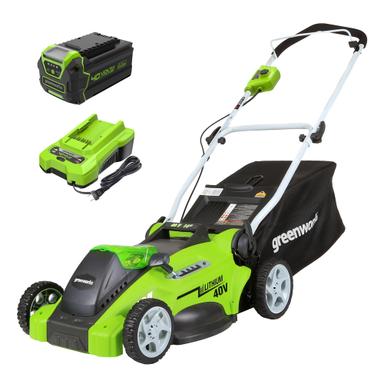
Greenworks 40V 16" Cordless Lawn Mower
$239.99
Best battery-powered alternative for yards up to 1/3 acre with no assembly.
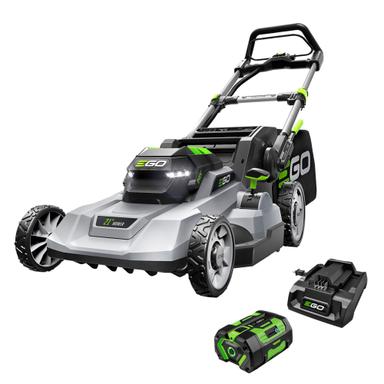
EGO POWER+ 56V 21" Cordless Lawn Mower
$449
Gas-like power and 55-minute runtime for larger lawns; top-rated at 4.5 stars.
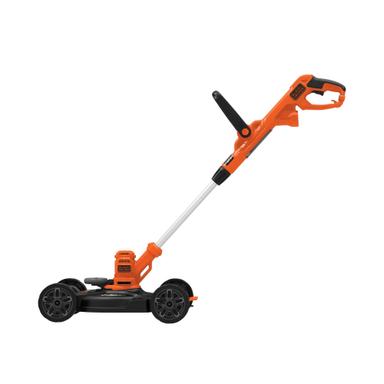
BLACK+DECKER 3-in-1 Electric Lawn Mower
$89
Corded electric 3-in-1 mower, trimmer, and edger — budget pick for tiny lawns.
Frequently Asked Questions
18-inch vs 14-inch reel mower: which is better?
The 18-inch 5-blade mower wins for larger lawns (1/4 acre+) needing wider cuts and taller grass handling. The 14-inch 4-blade is better for small urban yards where weight and price matter. Both share the same verified buyer rating of 4.3 stars across a combined review pool.
Is the 18-inch worth the extra $7.45?
Yes, if your lawn is medium to large or you regularly let grass exceed 4.5 inches. The wider deck saves time and the extra blade height prevents clogging. For small yards under 1/4 acre, the $7.45 savings on the 14-inch is smarter.
How does a reel mower compare to a gas mower?
Reel mowers are quieter, lighter, and have zero emissions — ideal for small-to-medium lawns. They require physical effort and can't handle very tall or wet grass as well. Gas mowers are faster on larger properties but need fuel and maintenance.
Do I need to assemble these mowers?
The 18-inch arrives fully assembled — just unfold the handle and mow. The 14-inch requires attaching the handle with a Phillips screwdriver, taking about 10 minutes. Both include clear instructions.
Why do both mowers have the same review count?
These two models share an Amazon parent listing, so reviews roll up into one pool. The 44,802 ratings reflect both sizes collectively. Individual experiences may vary slightly by width and weight.
Researched across Amazon verified-buyer data, manufacturer specifications, and expert sources including Consumer Reports and This Old House. Data from 44,802+ reviews reflects shared review pooling across sibling ASINs.
Primary sources. Exact listing details were checked against Amazon US product listing (B00004R9UK); Amazon US product listing (B00004RA3F); Manufacturer product page; Manufacturer product page. Product-family context comes from the linked manufacturer pages; prices, stock, ratings, and review counts are volatile registry fields and should be checked again before purchase.
Who wrote this and where's the data from?
Mubboo Editorial Team — independent US-market consumer research. Picks reflect editorial consensus from 3 independent review sources and 44,802+ verified buyer reviews.