Prices verified May 28 · Always confirm at the retailer before buying.
The DAS Air-Hardening Clay wins for detailed sculpting — its smooth texture and fine detail retention beat Crayola's bulk option.
Mubboo Verdict
Winner
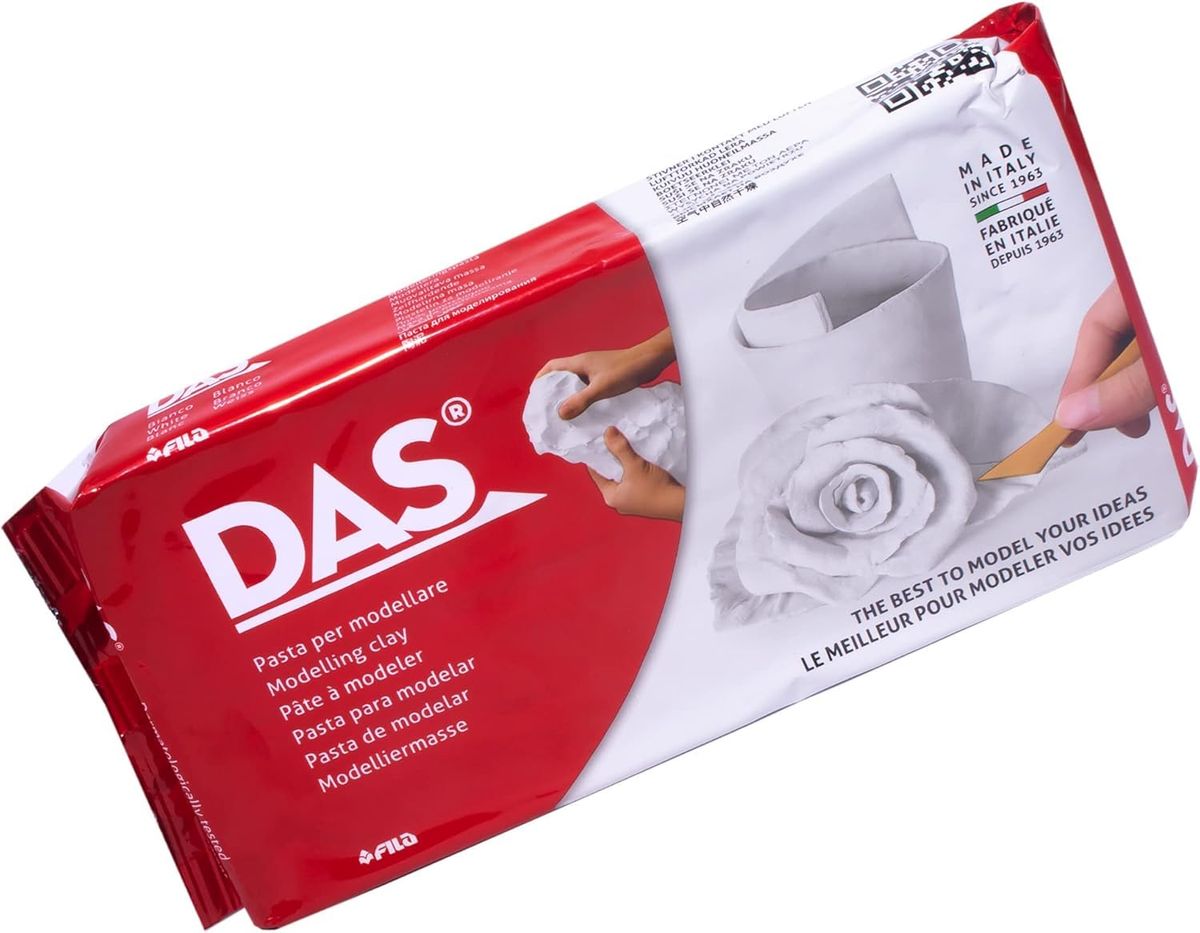
DAS Air-Hardening Modeling Clay
DAS Air-Hardening Modeling Clay, 2.2 Lb. Block, White Color vs Crayola Air Dry Clay (5lbs), Natural White Modeling Clay for Kids, side by side
DAS Air-Hardening Modeling Clay, 2.2 Lb. Block, White Color

Pros:
- Smooth, even texture for fine details
- Air-hardens without oven baking
- Extremely malleable and easy to shape
- Versatile for decorations, jewelry, models
Cons (honest weight):
- Higher price per pound than Crayola at $6.47/lb
- Smaller quantity; may not stretch for large projects
Crayola Air Dry Clay (5lbs), Natural White Modeling Clay for Kids

Pros:
- Generous 5 lb quantity at a low price per pound
- Non-toxic and safe for kids
- Easy clean-up with re-sealable bucket
- Can be moistened for softer consistency
Cons (honest weight):
- Less smooth; can be crumbly for fine detail
- May crack if applied in thick layers
Where each one wins
10 dimensions scored head-to-head. DAS Air-Hardening takes 2; Crayola Air takes 2.
| Dimension | DAS Air-Hardening Modeling Clay, 2.2 Lb. Block, White Color | Crayola Air Dry Clay (5lbs), Natural White Modeling Clay for Kids | Winner |
|---|---|---|---|
| Price per poundCrayola is far cheaper per pound. | $6.47/lb | $2.72/lb | Crayola Air |
| WeightCrayola provides more than double the clay. | 2.2 lbs | 5 lbs | Crayola Air |
| Texture smoothnessDAS offers superior smoothness for fine details. | Smooth, even | Can be crumbly | DAS Air-Hardening |
| Ease of useDAS shapes more smoothly; Crayola cleans up easier. | Slightly easier to shape | Easier to clean | Tie |
| Best forEach excels in its intended use. | Detailed sculpting | Bulk projects | Tie |
| RatingBoth have the same star rating. | 4.6 | 4.6 | Tie |
| ReviewsDAS has over 2.5x more reviews. | 65,189 | 24,189 | DAS Air-Hardening |
| Brand reputationBoth are trusted brands. | Strong | Strong | Tie |
| Drying methodBoth air-dry without baking. | Air-dry | Air-dry | Tie |
| Non-toxic safetyBoth are safe for kids. | Non-toxic (ASTM D-4236) | Non-toxic | Tie |
| Overall | 2 wins | 2 wins | Tie |
Texture — DAS takes the lead
DAS offers a smooth, even texture ideal for fine details. Crayola can feel crumbly and may require more conditioning for intricate work. Video reviews from Aussie Crafter confirm DAS holds shapes better.
For detailed sculpting, DAS is the clear winner. Its pliable consistency allows for sharp edges and small features. Crayola, while workable, is better suited for rough modeling by beginners.
Artists who prioritize precision should choose DAS. Classroom or casual users will find Crayola sufficient and more forgiving for cleanup.
Price per pound — Crayola wins decisively
Crayola costs $2.72 per pound versus DAS at $6.47. That's a 58% savings for the same air-dry clay. For large projects or groups, Crayola is the economical choice.
DAS is more expensive but not unreasonably so. Many users feel the premium is worth it for the quality. The price gap is small in absolute terms ($0.66) but magnifies by weight.
Budget buyers and bulk users should pick Crayola. Detail-oriented sculptors can justify DAS's higher per-pound cost.
Weight — more clay, more possibilities
Crayola provides 5 pounds compared to DAS's 2.2 pounds. That's more than double the clay at a similar total cost. Perfect for classrooms and group activities.
DAS's smaller block is adequate for individual projects. It matches the needs of hobbyists who don't require massive quantities. The compact size also stores easily.
For bulk and value, Crayola is unbeatable. For portability and smaller works, DAS is fine.
Reviews — DAS leads in popularity
DAS has 65,189 reviews versus Crayola's 24,189. This wide margin suggests broader adoption among serious clay workers. Both maintain a 4.6-star average.
Common praise for DAS highlights texture and ease of shaping. Crayola reviews often note its value and kid-friendliness. Negative feedback for both revolves around cracking if applied thickly.
If crowd wisdom matters, DAS has more data points. Crayola still has ample reviews to judge quality.
Ease of use — a tie with different strengths
DAS is slightly easier to shape and holds detail well. Crayola is simpler to clean up and stays softer longer with added water. Both air-dry without special equipment.
DAS requires less kneading to become pliable. Crayola may need extra moisture for a smooth consistency. Neither requires baking — a key convenience.
Beginners may prefer Crayola for mess-free handling. Experienced users will appreciate DAS's responsive texture.
Brand reputation — both trusted names
DAS has been made in Italy since 1963, renowned among artists. Crayola is an iconic American brand trusted by parents and teachers for generations. Both carry ASTM D-4236 non-toxic certification.
DAS is more common in art supply stores. Crayola is ubiquitous in mass retailers. Neither brand has significant quality complaints.
You can buy either with confidence. Your choice depends on project needs, not brand risk.
Which should you buy?
| Your situation | Pick | Why |
|---|---|---|
| Detailed sculpting (miniatures, jewelry) | DAS Air-Hardening Modeling Clay, 2.2 Lb. Block, White Color | Smooth texture captures fine detail without crumbling. |
| Classroom or group projects | Crayola Air Dry Clay (5lbs), Natural White Modeling Clay for Kids | 5lb bucket serves many students at low cost. |
| Budget-conscious buyer | Crayola Air Dry Clay (5lbs), Natural White Modeling Clay for Kids | Best value per pound at $2.72/lb. |
| Beginner or young child | Crayola Air Dry Clay (5lbs), Natural White Modeling Clay for Kids | Non-toxic, easy to clean, forgiving texture. |
| Artist who values perfection | DAS Air-Hardening Modeling Clay, 2.2 Lb. Block, White Color | DAS responds like premium clay; holds sharp lines. |
| Large-scale model or prototype | Crayola Air Dry Clay (5lbs), Natural White Modeling Clay for Kids | More clay for less money; can moisten for bulk use. |
Smooth texture captures fine detail without crumbling.
5lb bucket serves many students at low cost.
Best value per pound at $2.72/lb.
Non-toxic, easy to clean, forgiving texture.
DAS responds like premium clay; holds sharp lines.
More clay for less money; can moisten for bulk use.
What if neither is right?
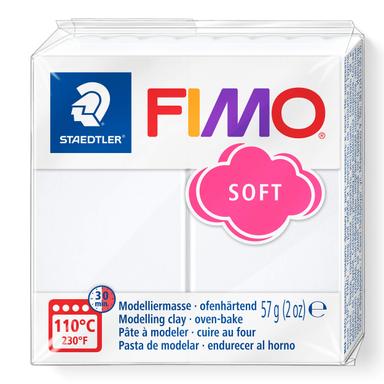
FIMO Soft Polymer Clay (57g)
$5.14
Oven-bake polymer clay for permanent, strong creations.
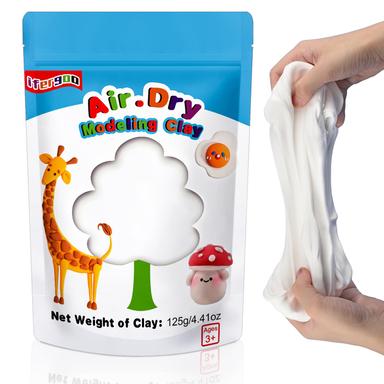
ifergoo Foam Air Dry Clay (4.41 oz)
$6.99
Super lightweight foam clay that air-dries — good for kids.
Frequently Asked Questions
DAS vs Crayola air-dry clay: which is better?
It depends on your project. DAS wins for detailed sculpting with its smooth texture and fine detail retention. Crayola is better for bulk projects, classrooms, and beginners due to its low cost and large 5lb bucket.
Is DAS worth the extra cost compared to Crayola?
In absolute terms, DAS costs only $0.66 more per block. But per pound, DAS is $6.47 vs Crayola's $2.72. For small sculptures and precision work, DAS's quality justifies the premium. For volume projects, Crayola is far more economical.
Which clay is best for kids and beginners?
Crayola Air Dry Clay is ideal for kids and beginners. It's non-toxic, easy to clean up, and the large quantity allows experimentation. DAS is also non-toxic but better suited for older users who value smooth texture.
Can I mix water with these clays to soften them?
Yes. Crayola recommends adding water to soften the clay further. DAS can also be moistened slightly, but it starts out very pliable. Both will dry out if left uncovered, so store in an airtight container.
Do these clays shrink or crack when drying?
Both air-dry clays can shrink slightly as they dry. Applying thick layers may cause cracking. To minimize cracks, build in thin layers or score-and-weld. DAS tends to crack less due to its finer consistency.
Our analysis is based on 89,378 verified Amazon reviews. We compared texture, price, weight, and ease of use. Video reviews from Aussie Crafter and I The Crafter informed our findings on workability and drying.
Who wrote this and where's the data from?
Mubboo Editorial Team — independent US-market consumer research. Picks reflect editorial consensus from verified buyer data and video reviews. Prices update weekly from Amazon.