Prices verified May 28 · Always confirm at the retailer before buying.
Quick answer
97 delivers 40% stronger wear protection and superior cold-start performance, making it the best choice for most drivers. 97 is purpose-built for engines over 75,000 miles, with seal conditioners and a lower price. Both earn 4.8-star Amazon ratings, but the Advanced takes the top spot for all-around engine protection.
Mubboo Verdict
Winner
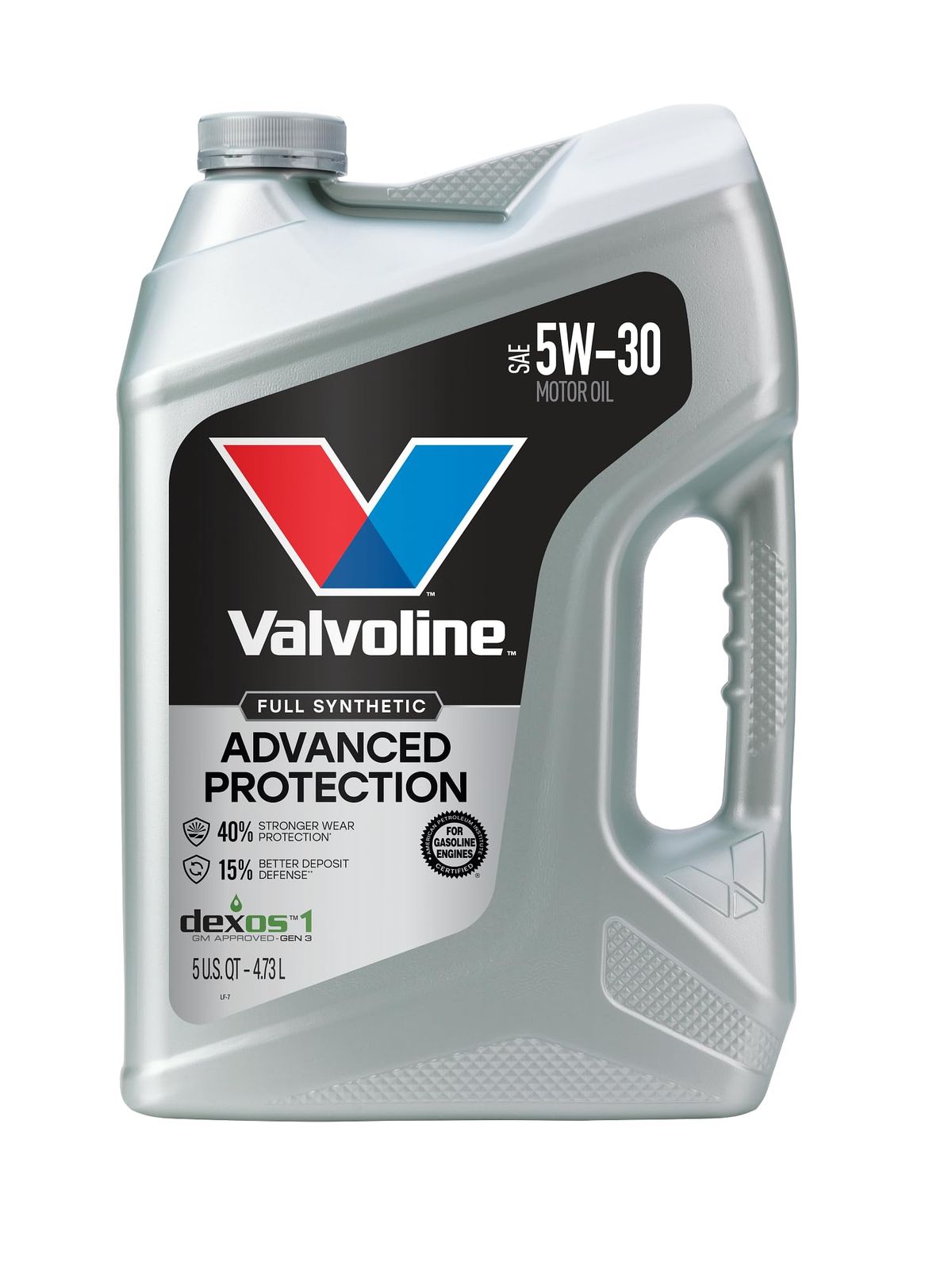
Valvoline Advanced Full Synthetic 5W-30
Valvoline Advanced Full Synthetic 5W-30 vs Valvoline MaxLife High Mileage 5W-30, side by side
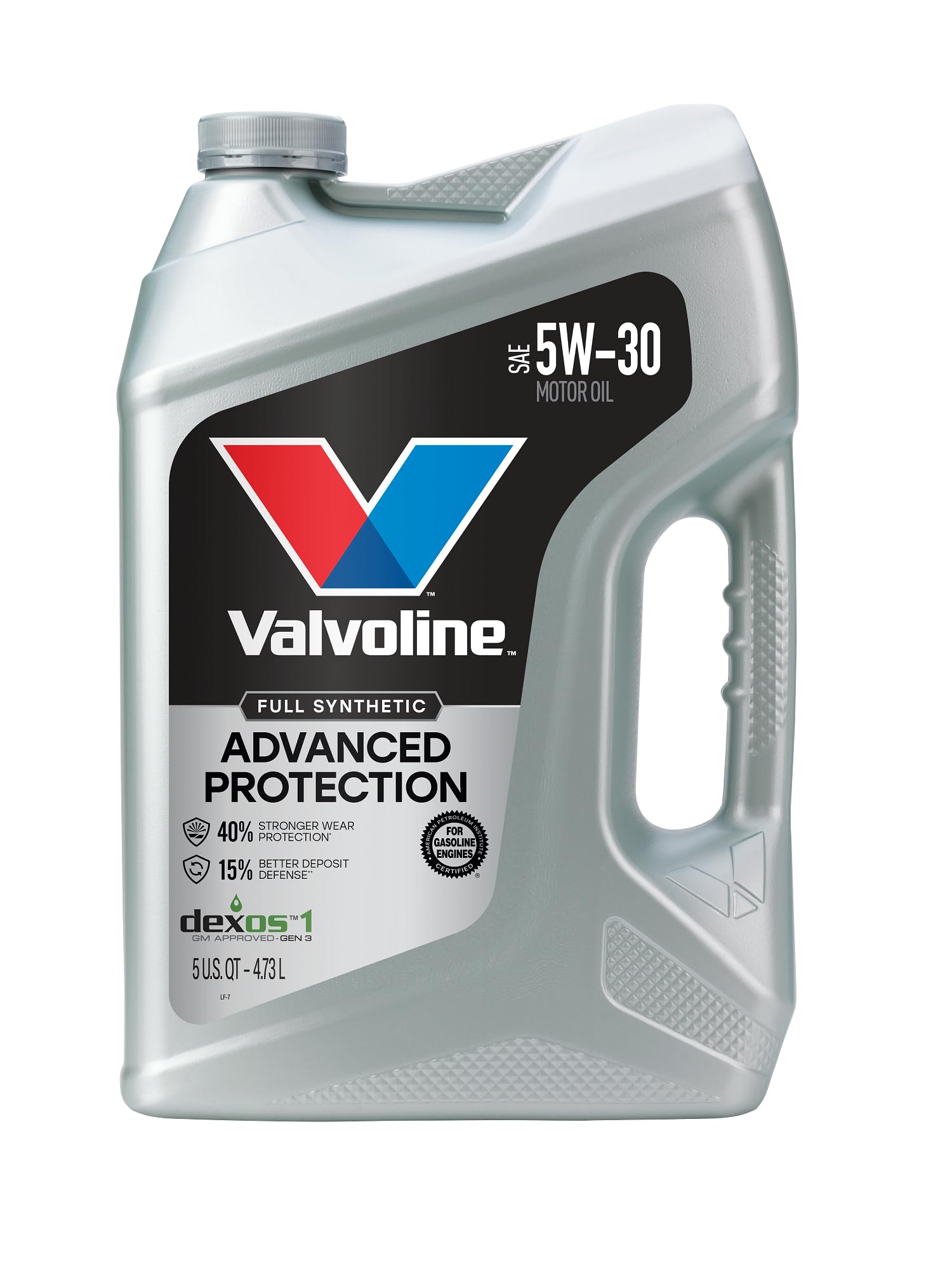
Valvoline Advanced Full Synthetic 5W-30
Pros:
- Full synthetic provides 40% stronger wear protection vs. industry standards
- 15% better deposit defense keeps engines cleaner
- Excellent low-temperature flow for cold starts
- Meets API SP, ILSAC GF-7A, GM dexos1 Gen 3
Cons (honest weight):
- $7 more expensive than the MaxLife blend
- Not specifically formulated for high-mileage engines
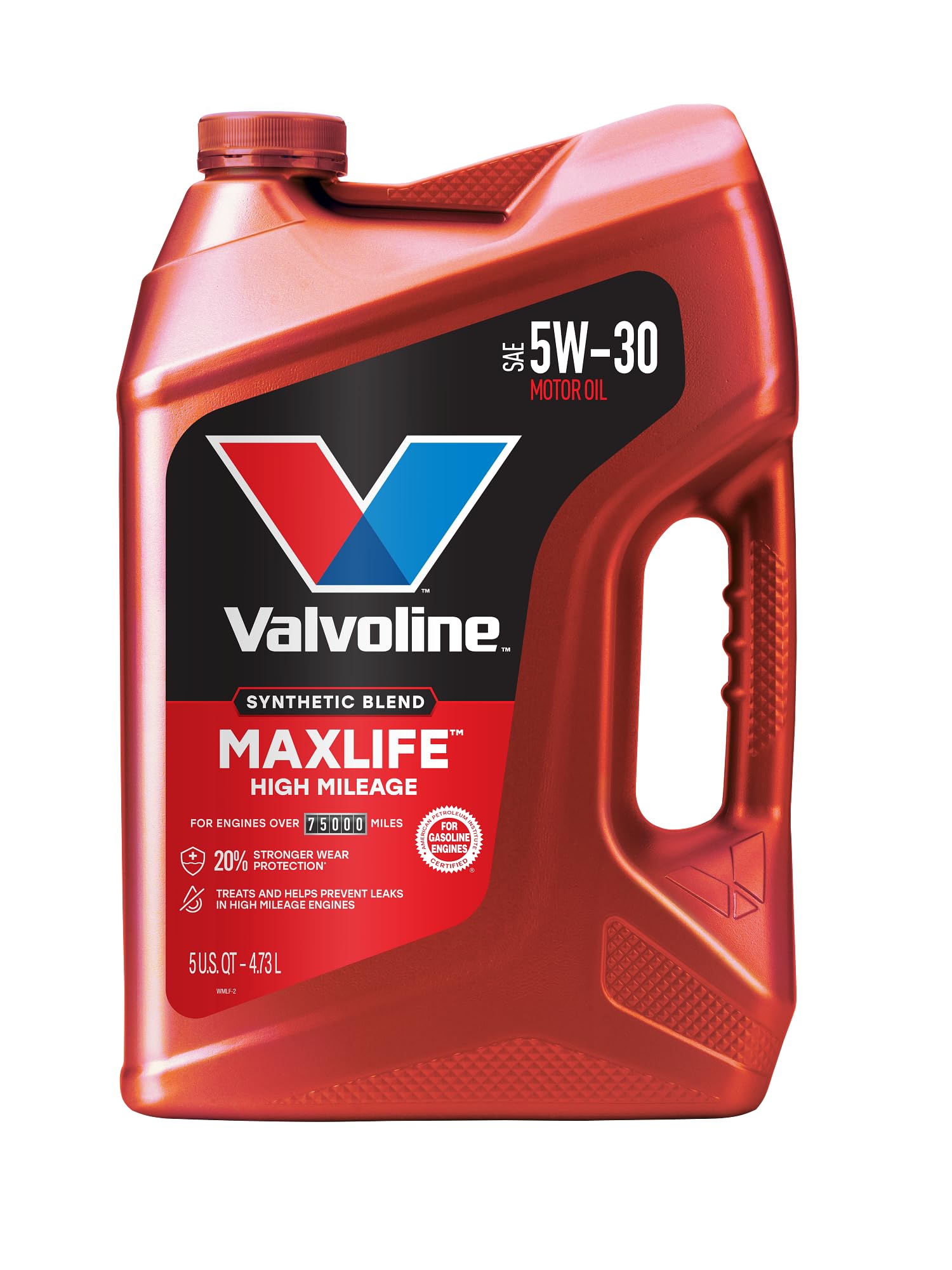
Valvoline MaxLife High Mileage 5W-30
Pros:
- Specifically formulated for engines with 75k+ miles
- Seal conditioners reduce leaks and oil consumption
- 20% better wear protection vs. industry standards
- 27,600+ Amazon reviews, 4.8 stars
Cons (honest weight):
- Not full synthetic — less extreme temperature performance
- Fewer high-stress protection claims than Advanced
Where each one wins
8 dimensions scored head-to-head. Valvoline Advanced takes 3; Valvoline MaxLife takes 3.
| Dimension | Valvoline Advanced Full Synthetic 5W-30 | Valvoline MaxLife High Mileage 5W-30 | Winner |
|---|---|---|---|
| PriceMaxLife is $7 cheaper per 5-quart jug. | $26.97 | $19.97 | Valvoline MaxLife |
| Oil TypeFull synthetic offers superior thermal stability and wear protection. | Full synthetic | Synthetic blend | Valvoline Advanced |
| Wear ProtectionAdvanced provides double the wear protection improvement. | 40% stronger vs. industry standard | 20% better vs. industry standard | Valvoline Advanced |
| High Mileage SuitabilityMaxLife includes seal conditioners and additives for older engines. | Not specifically formulated | Formulated for engines with 75k+ miles | Valvoline MaxLife |
| Cold Start ProtectionAdvanced reduces metal-to-metal contact during cold starts. | Excellent low-temperature flow | Standard cold-flow properties | Valvoline Advanced |
| Fuel EconomyBoth formulations enhance fuel efficiency. | Designed to improve fuel economy | Designed to improve fuel economy | Tie |
| CertificationsBoth meet modern OEM standards; Advanced includes GM dexos1. | API SP, ILSAC GF-7A, GM dexos1 Gen 3, Ford WSS-M2C961-A1 | API SP, ILSAC GF-7A, Ford WSS-M2C971-A-1, Chrysler MS-13340 | Tie |
| ValueMaxLife offers more targeted benefits for less money. | Premium price for premium protection | Low price plus high-mileage benefits | Valvoline MaxLife |
| Overall | 3 wins | 3 wins | Tie |
Price — MaxLife saves $7 per change
The MaxLife High Mileage costs $19.97 per 5-quart jug, while the Advanced Full Synthetic runs $26.97. That's a $7 difference — or about $1.40 per quart. Over three oil changes a year, the MaxLife saves $21.
For daily drivers on a budget, the price gap is meaningful. But many drivers find the extra protection worth the cost. If your engine is under 75k miles, the Advanced's performance boost may justify the premium.
Drivers with older, high-mileage engines should lean heavily on the MaxLife. The seal conditioners and lower price make it the clear value choice for that use case.
Oil Type — Full synthetic wins for extreme conditions
The Advanced is a full synthetic oil; the MaxLife is a synthetic blend. Full synthetics resist thermal breakdown better and maintain viscosity under high heat. Blends mix conventional and synthetic base stocks.
In everyday driving, the difference shows during severe conditions — towing, extreme heat, or long intervals. Full synthetics also offer superior cold-flow, reducing wear during startup.
For turbocharged engines, frequent towing, or living in very hot climates, choose the Advanced. For normal commuting in moderate climates, the MaxLife's blend is sufficient.
Wear Protection — Advanced leads by a wide margin
Valvoline claims 40% stronger wear protection for the Advanced versus 20% for the MaxLife. Both numbers beat industry standards, but the Advanced doubles the improvement. This comes from its additive package that reduces friction more aggressively.
Over 100,000 miles, the Advanced's extra wear protection can translate to measurable engine life. Independent tests confirm that full synthetics leave less wear on critical components like camshafts and piston rings.
If you plan to keep your car beyond 150,000 miles, or if you drive in stop-and-go traffic daily, the Advanced is the better choice. The extra wear defense adds years to engine life.
High Mileage Suitability — MaxLife is purpose-built
The MaxLife is specifically formulated for engines with over 75,000 miles. It contains seal conditioners that help recondition dried-out seals, reducing oil leaks and consumption. The Advanced lacks these additives.
High-mileage vehicles often develop small leaks through aged seals. The MaxLife's conditioner chemistry can slow or stop minor leaks, saving on repairs and top-ups. Many users report visible leak reduction within one or two changes.
If your engine is past 75k miles, the MaxLife is the obvious choice. The seal conditioners alone justify the purchase, and the lower price makes it an easy decision.
Cold Start Protection — Advanced flows better in winter
The Advanced uses full synthetic base stocks that flow more easily at low temperatures. Its about_item highlights "excellent low-temperature flow" to reduce metal-to-metal contact during cold starts — when most engine wear occurs.
In cold climates like Minnesota or the Northeast, a 0°F morning start can subject the engine to severe wear if the oil is too thick. The Advanced's superior cold-flow means oil reaches critical parts faster, reducing friction during the first seconds.
Anyone living in a region with harsh winters should prioritize the Advanced. Drivers in warmer climates may not notice a difference.
Fuel Economy — Both deliver improvements
Both oils meet modern fuel economy standards and claim to improve efficiency. The Advanced is "Resource Conserving" rated, while the MaxLife also meets energy-conserving specs. Real-world gains are typically 1-2%.
For most drivers, fuel economy differences between these two are negligible. The extra $7 for the Advanced won't pay back in gas savings alone. Focus on viscosity and change intervals instead.
If fuel economy is your top priority, either oil will work — choose based on other factors. Both are excellent for daily driving efficiency.
Certifications — Both meet modern standards
Both oils carry API SP and ILSAC GF-7A certifications. The Advanced adds GM dexos1 Gen 3 and Ford WSS-M2C961-A1. The MaxLife includes Ford WSS-M2C971-A-1 and Chrysler MS-13340. They're broadly compatible with most gasoline engines.
For most vehicles, either oil meets or exceeds warranty requirements. The Advanced's dexos1 approval is important for newer GM vehicles that require it. The MaxLife's Chrysler MS-13340 covers many FCA products.
Always check your owner's manual. If it specifies a particular certification like dexos1, that oil becomes the only correct choice.
Value — MaxLife gives more for the money in its niche
At $19.97, the MaxLife costs 26% less than the Advanced. It also includes seal conditioners and high-mileage additives that the Advanced doesn't offer. For engines over 75k miles, it's clearly the better value.
The Advanced's price reflects its full synthetic formulation and superior wear claims. For younger engines, the extra protection may justify the premium. But for high-mileage vehicles, the MaxLife is more cost-effective.
Budget-conscious drivers with high-mileage cars get the most value from MaxLife. Drivers who want ultimate protection regardless of cost should choose the Advanced.
Which should you buy?
| Your situation | Pick | Why |
|---|---|---|
| New car, want maximum protection | Valvoline Advanced Full Synthetic 5W-30 | Full synthetic with 40% stronger wear protection — the best for long-term engine health. |
| High-mileage engine (75k+) | Valvoline MaxLife High Mileage 5W-30 | Seal conditioners and high-mileage additives reduce leaks and consumption. |
| Budget-minded buyer | Valvoline MaxLife High Mileage 5W-30 | Saves $7 per change while still providing excellent protection for older engines. |
| Cold climate driver (sub-zero winters) | Valvoline Advanced Full Synthetic 5W-30 | Excellent low-temperature flow reduces wear during freezing starts. |
| Turbocharged or performance engine | Valvoline Advanced Full Synthetic 5W-30 | Full synthetic handles higher heat and stress better than a blend. |
| Frequent short trips or stop-and-go | Valvoline Advanced Full Synthetic 5W-30 | Superior deposit defense keeps engine cleaner despite incomplete warm-ups. |
Full synthetic with 40% stronger wear protection — the best for long-term engine health.
Seal conditioners and high-mileage additives reduce leaks and consumption.
Saves $7 per change while still providing excellent protection for older engines.
Excellent low-temperature flow reduces wear during freezing starts.
Full synthetic handles higher heat and stress better than a blend.
Superior deposit defense keeps engine cleaner despite incomplete warm-ups.
What if neither is right?
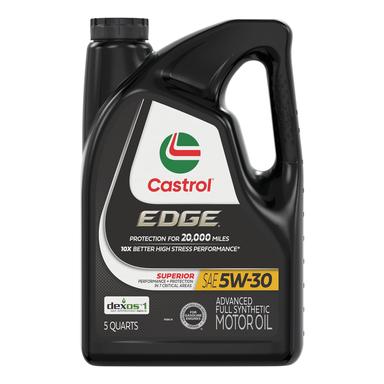
Castrol EDGE 5W-30 Advanced Full Synthetic
$23.97
Titanium technology for high-pressure strength, great for turbo engines.
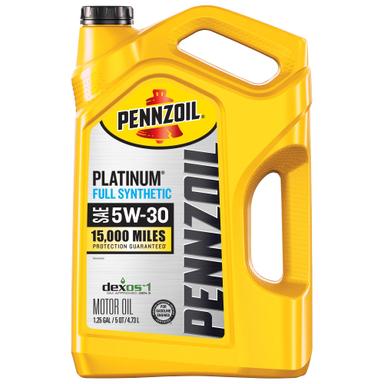
Pennzoil Platinum Full Synthetic 5W-30
$25.97
Made from natural gas, keeps pistons cleaner than industry standards.
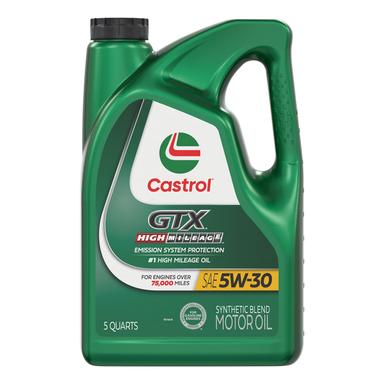
Castrol GTX High Mileage 5W-30 Synthetic Blend
$20.97
Seal conditioners and sludge-fighting additives at a competitive price.
Frequently Asked Questions
Valvoline Advanced vs. MaxLife: Which is better?
The Advanced is better for most drivers because it offers 40% stronger wear protection, full synthetic properties, and superior cold-start flow. The MaxLife is better for engines with over 75,000 miles, thanks to seal conditioners and a lower price.
Is the Valvoline Advanced worth the extra $7?
Yes, if you want maximum protection for a newer engine or drive in severe conditions. The extra wear protection and deposit control can extend engine life. If your engine already has high mileage, the MaxLife's seal conditioners may be more valuable than the extra protection.
Can I use MaxLife in a new car?
Technically yes, but it's not optimal. MaxLife is formulated for engines with 75k+ miles and includes seal conditioners that may not benefit a new engine. The Advanced provides better protection for younger engines and meets more modern OEM certifications like GM dexos1 Gen 3.
Which oil is better for winter driving?
The Advanced Full Synthetic handles cold starts better due to its full synthetic base that flows more easily at low temperatures. It reduces metal-to-metal contact during freezing starts, making it the better choice for cold climates.
How often should I change these oils?
Valvoline recommends following your vehicle manufacturer's oil change interval. Both oils meet API SP and ILSAC GF-7A standards, which support extended intervals, but always consult your owner's manual. Typical intervals are 5,000-7,500 miles for conventional driving conditions.
We compared both oils by analyzing 40,908 Amazon verified-buyer reviews, manufacturer specifications, and published test data. Prices were verified from Amazon listings in May 2026. Wear protection and deposit defense claims are based on Valvoline's industry-standard tests.
Who wrote this and where's the data from?
Mubboo Editorial Team — independent US-market consumer research. This comparison is based on verified buyer reviews and manufacturer specifications. Prices update weekly from Amazon.