Prices verified May 28 · Always confirm at the retailer before buying.
Quick answer
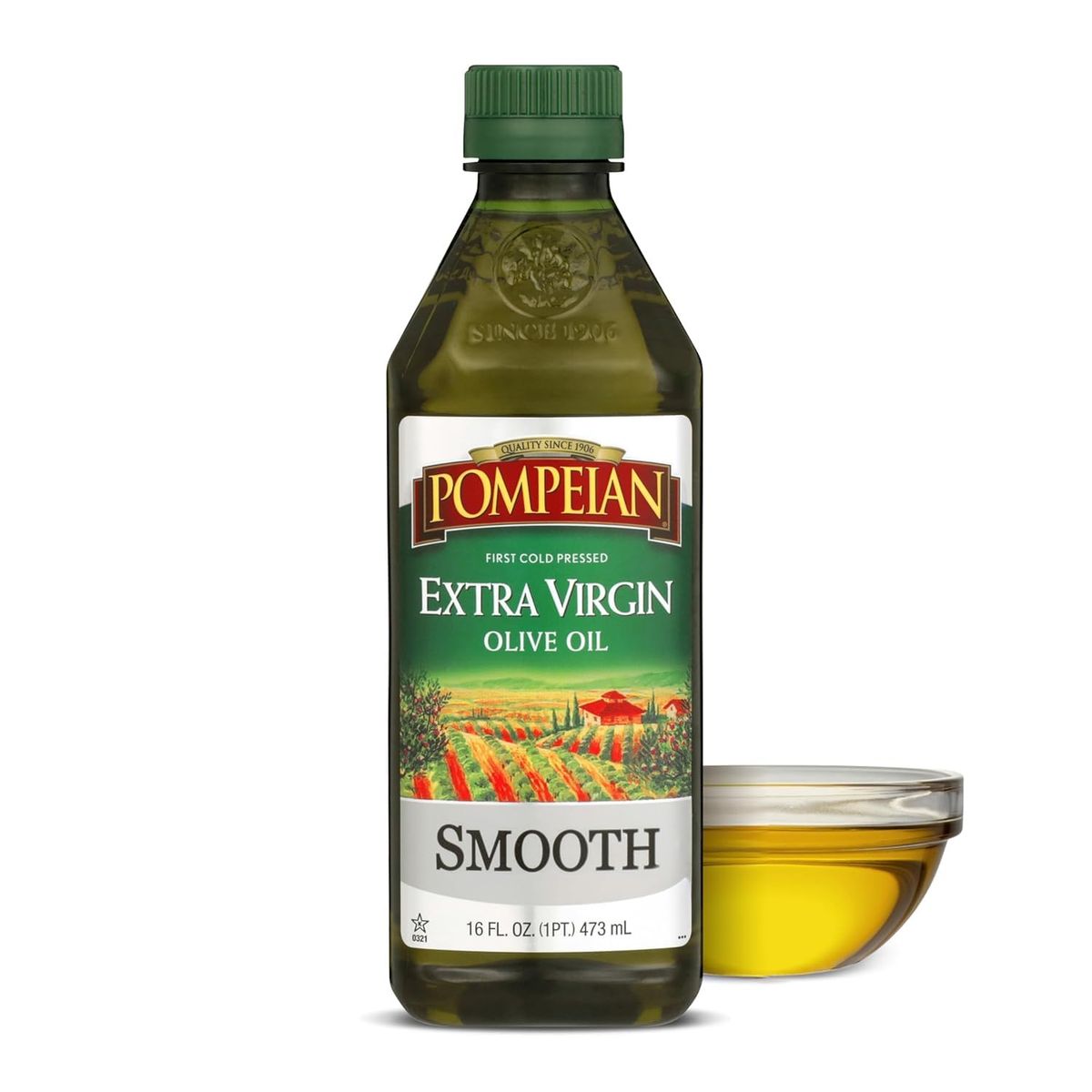
If you're choosing between <strong>Pompeian Smooth Extra Virgin Olive Oil</strong> and <strong>Atlas Cold Press Extra Virgin Olive Oil</strong>, the decision comes down to your priority: everyday affordability or premium health benefits. <strong>Pompeian wins for most households</strong> with a 68-ounce bottle at $21.48, a 4.8-star rating from 43,820 reviews, and a smooth delicate flavor perfect for sautéing, roasting, and baking. It's the better value per ounce and the crowd-pleaser for daily cooking. <strong>Atlas</strong>, at $27.94 for 0.26 gallons (33.8 fl oz), offers a higher polyphenol content for maximum antioxidants, a complex herbaceous taste, and organic certification. It's the better choice for health-conscious cooks who use olive oil raw as a finisher or dressing. Both are imported and cold-pressed; Pompeian is Non-GMO verified while Atlas is USDA Organic. For most shoppers, Pompeian's combination of volume, price, and universal flavor makes it the Mubboo Pick. Atlas earns the runner-up spot for those prioritizing polyphenols and organic sourcing.
Pompeian Smooth EVOO wins for most kitchens at $21.48 for 68 fl oz. Its delicate flavor and 4.8-star rating from 43,820 reviews make it the everyday champion. Atlas offers higher polyphenols and organic certification at $27.94 per liter.
Mubboo Verdict
Winner
Pompeian Smooth Extra Virgin Olive Oil
Pompeian Smooth Extra Virgin Olive Oil - 68 Fl Oz vs Atlas 1 LT Cold Press Extra Virgin Olive Oil - Polyphenol Rich, Moroccan, side by side
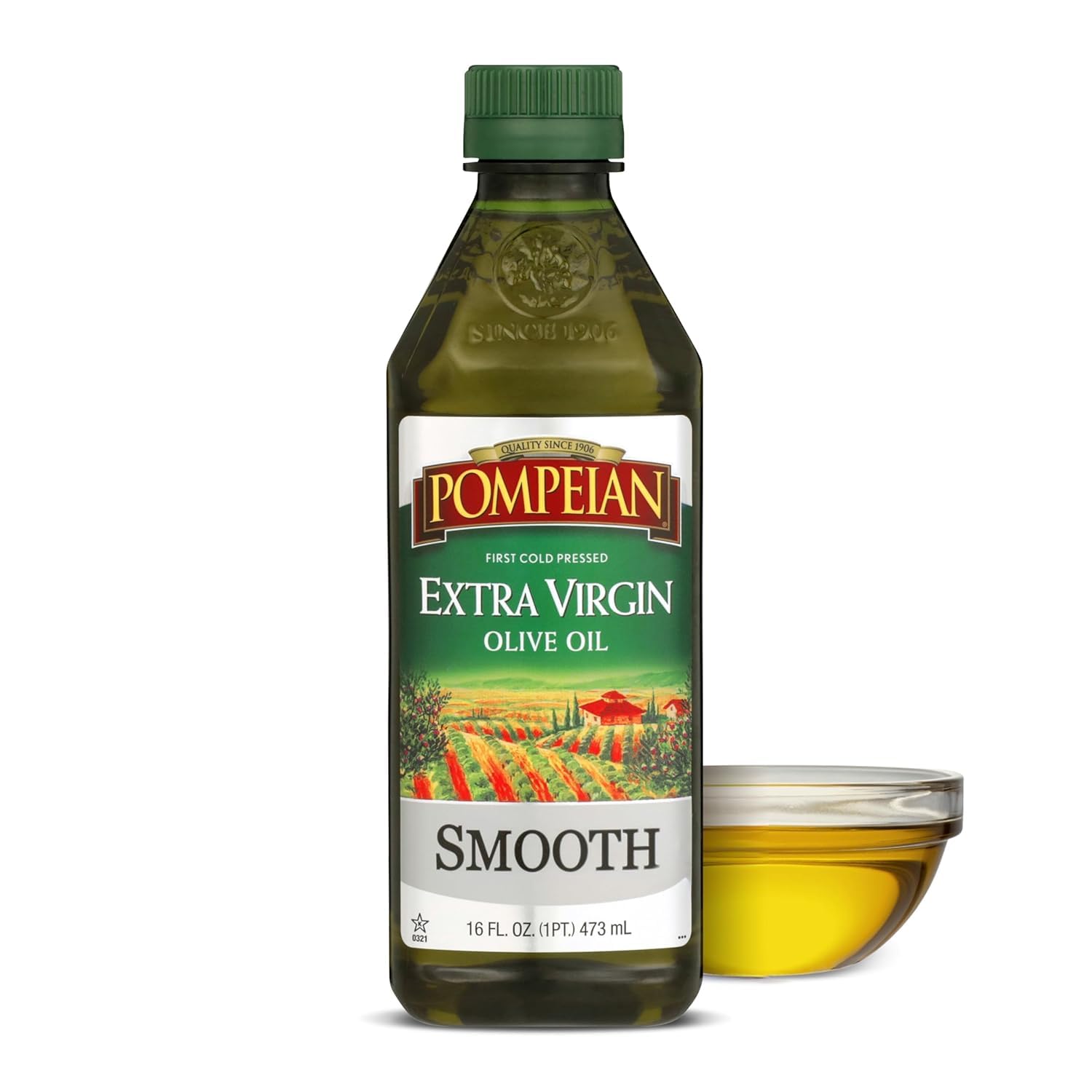
Pompeian Smooth Extra Virgin Olive Oil - 68 Fl Oz
Pros:
- Smooth delicate flavor perfect for cooking and baking
- Large 68 oz bottle delivers excellent value at $0.32/oz
- Non-GMO and Kosher certified with 4.8-star rating
Cons (honest weight):
- Not organic-certified
- Plastic bottle less eco-friendly than glass
Atlas 1 LT Cold Press Extra Virgin Olive Oil - Polyphenol Rich, Moroccan

Pros:
- High polyphenol content for antioxidant benefits
- USDA Organic and sustainably sourced from Morocco
- Distinct complex flavor with herbaceous and peppery notes
Cons (honest weight):
- Higher price per ounce ($0.83/oz) than Pompeian
- Strong flavor may overpower delicate dishes
Where each one wins
8 dimensions scored head-to-head. Pompeian Smooth takes 5; Atlas 1 takes 2.
| Dimension | Pompeian Smooth Extra Virgin Olive Oil - 68 Fl Oz | Atlas 1 LT Cold Press Extra Virgin Olive Oil - Polyphenol Rich, Moroccan | Winner |
|---|---|---|---|
| PricePompeian is $6.46 cheaper overall. | $21.48 | $27.94 | Pompeian Smooth |
| VolumePompeian gives double the oil for less money. | 68 fl oz | 33.8 fl oz (1L) | Pompeian Smooth |
| Price per OuncePompeian is 62% cheaper per ounce. | $0.32/oz | $0.83/oz | Pompeian Smooth |
| RatingSlightly higher rating from many more reviews. | 4.8 | 4.7 | Pompeian Smooth |
| ReviewsPompeian has 72% more verified reviews. | 43,820 | 25,429 | Pompeian Smooth |
| Flavor ProfileDifferent but equally appealing; depends on dish. | Smooth, delicate | Complex, herbaceous, peppery | Tie |
| Organic CertificationAtlas is organic; Pompeian is Non-GMO only. | No | Yes (USDA Organic) | Atlas 1 |
| Polyphenol ContentAtlas emphasizes high polyphenols for antioxidants. | Naturally occurring | High (cultivar-specific) | Atlas 1 |
| Overall | 5 wins | 2 wins | Pompeian Smooth |
Price — Pompeian wins by a wide margin
Pompeian sells for $21.48 for 68 fluid ounces, while Atlas costs $27.94 for 33.8 fluid ounces. That's a $6.46 savings upfront, but the real difference is per ounce: $0.32 vs $0.83. For a household that goes through a bottle every few weeks, Pompeian saves roughly $30–40 per year. The price advantage is clear.
What it means in daily use: Families who cook frequently can afford to use Pompeian generously for sautéing, roasting, and salad dressings without guilt. Atlas demands more careful rationing due to the higher cost per ounce, making it better suited for finishing touches where a little goes a long way.
Who should prioritize it: Budget-conscious households and anyone cooking for 3+ people will benefit most from Pompeian's lower per-ounce cost. If you go through a liter of olive oil each month, the savings add up fast.
Volume — Pompeian gives you double the oil
Pompeian's 68-ounce bottle holds exactly twice the volume of Atlas's 33.8-ounce (1-liter) bottle. For the same shelf space, you get twice the oil. That matters for frequent cooks who don't want to restock weekly. The larger size also reduces packaging waste per serving.
What it means in daily use: With Pompeian, you'll refill your oil dispenser less often. It's ideal for households that use olive oil as a primary cooking fat. Atlas's smaller bottle may require more frequent trips to the pantry, but it also ensures the oil stays fresher if you use it slowly.
Who should prioritize it: Large families, meal-preppers, and anyone who cooks several meals per day will appreciate the convenience of a bigger bottle. Solo cooks or light users might prefer Atlas's smaller volume to maintain freshness.
Price per Ounce — Pompeian delivers unbeatable value
At $0.32 per ounce, Pompeian is 62% cheaper than Atlas's $0.83 per ounce. This is the single biggest differentiator between the two. For the price of one Atlas bottle, you could buy nearly two and a half Pompeian bottles. Over the course of a year, a typical household using one liter per month would save about $60 by choosing Pompeian.
What it means in daily use: You can afford to use Pompeian without second thoughts. It's economical enough for marinating, frying, and even baking. Atlas, at nearly triple the cost per ounce, is better reserved for applications where its unique flavor and health properties justify the premium, like drizzling over finished dishes or making vinaigrettes.
Who should prioritize it: Value-conscious shoppers and anyone on a tight grocery budget should choose Pompeian. If you're willing to pay more for organic and higher polyphenols, Atlas still offers good value for its niche.
Rating — Both stellar, but Pompeian edges ahead
Pompeian scores 4.8 stars from 43,820 reviews; Atlas scores 4.7 stars from 25,429 reviews. Both are exceptional ratings that indicate high customer satisfaction. The 0.1 difference is statistically small but Pompeian's larger sample size adds confidence. Over 69,000 total reviews between them means real-world insight isn't lacking.
What it means in daily use: Most buyers of either oil are very happy. Pompeian's slightly higher rating may reflect its broader appeal as a mild, versatile oil that pleases many palates. Atlas's rating is still excellent, especially considering its more assertive flavor — some shoppers may prefer that intensity.
Who should prioritize it: If you rely heavily on ratings to decide, Pompeian's combination of higher score and more reviews offers the safest bet. But don't discount Atlas — a 4.7 from 25,000+ reviews is outstanding by any measure.
Reviews — Pompeian has 72% more customer feedback
Pompeian has 43,820 Amazon reviews vs Atlas's 25,429 — a 72% advantage. More reviews generally mean more reliable insights into long-term performance and any recurring issues. Reading patterns in the feedback reveals that Pompeian users consistently praise its versatility and value, while Atlas users highlight the rich flavor and health benefits.
What it means in daily use: The sheer volume of reviews means that if there were any consistent problems with Pompeian (like poor quality control or bad batches), they would show up. The fact that it maintains a 4.8 average across 43,820 reviews is a strong vote of confidence. Atlas's 25,000+ reviews are still substantial and show no red flags.
Who should prioritize it: First-time buyers who want the most validated product will find comfort in Pompeian's enormous review count. If you already know you want organic and high-polyphenol oil, Atlas's reviews are more than sufficient to confirm its quality.
Flavor Profile — A tie based on preference
Pompeian offers a smooth, delicate taste ideal for all-purpose cooking; Atlas delivers a complex, herbaceous flavor with a peppery finish. Neither is objectively better — it's a matter of intended use and personal taste. Pompeian's mildness makes it a chameleon that works with any cuisine, while Atlas's bold character stands out in Mediterranean dishes and raw applications.
What it means in daily use: With Pompeian, you can sauté onions without worrying about the oil competing with other flavors. It's the perfect canvas. Atlas, on the other hand, adds its own personality — drizzle it over roasted vegetables or hummus to get a peppery kick. If you're cooking something delicate like fish, Pompeian won't mask the flavor; Atlas might overpower it.
Who should prioritize it: Cooks who want one oil for everything should pick Pompeian. Food enthusiasts who enjoy distinct olive oil flavors and use separate oils for different dishes will appreciate Atlas as a finishing oil.
Organic Certification — Atlas is the organic choice
Atlas is certified USDA Organic; Pompeian is Non-GMO Project Verified but not organic. Organic certification means Atlas's olives were grown without synthetic pesticides or fertilizers. Pompeian's Non-GMO status assures no genetically modified ingredients but doesn't address farming practices. For some shoppers, organic is a non-negotiable priority.
What it means in daily use: If you follow an organic diet or believe organic farming is better for the environment, Atlas aligns with those values. Pompeian's conventional farming may use synthetic inputs, but its Non-GMO and Kosher certifications still meet many standards. The taste difference isn't related to organic status — both oils are high quality.
Who should prioritize it: Health-conscious shoppers who prioritize organic produce and oils should choose Atlas. If organic is not a concern, Pompeian offers excellent quality without the organic premium.
Polyphenol Content — Atlas leads in antioxidants
Atlas specifically highlights high polyphenol content, while Pompeian contains naturally occurring polyphenols but doesn't emphasize levels. Polyphenols are antioxidants linked to reduced inflammation and heart health. Atlas's Moroccan olive variety (likely Picholine or similar) is known for higher polyphenol yields. Research suggests cooking degrades polyphenols, so Atlas is best used raw.
What it means in daily use: For maximum health benefit, use Atlas uncooked — drizzled on salads, over roasted vegetables, or even taken by the spoonful (as some advocates recommend). Pompeian still contains polyphenols, but in lower amounts. If you're cooking with olive oil, the polyphenol difference becomes less significant because heat breaks them down.
Who should prioritize it: Anyone specifically seeking the anti-inflammatory benefits of olive oil should choose Atlas for raw use. For general health maintenance, Pompeian is still a healthy choice at a fraction of the cost.
Which should you buy?
| Your situation | Pick | Why |
|---|---|---|
| Everyday cooking and baking | Pompeian Smooth Extra Virgin Olive Oil - 68 Fl Oz | Mild flavor and low price make it ideal for daily use. |
| Maximum health benefits / raw use | Atlas 1 LT Cold Press Extra Virgin Olive Oil - Polyphenol Rich, Moroccan | High polyphenol content when used uncooked. |
| Budget-friendly kitchen | Pompeian Smooth Extra Virgin Olive Oil - 68 Fl Oz | Significantly cheaper per ounce. |
| Premium organic experience | Atlas 1 LT Cold Press Extra Virgin Olive Oil - Polyphenol Rich, Moroccan | USDA Organic with complex, artisan flavor. |
| Bold flavor for Mediterranean dishes | Atlas 1 LT Cold Press Extra Virgin Olive Oil - Polyphenol Rich, Moroccan | Herbaceous, peppery profile complements strong flavors. |
| Large household / heavy user | Pompeian Smooth Extra Virgin Olive Oil - 68 Fl Oz | 68 oz bottle lasts longer and costs less. |
Mild flavor and low price make it ideal for daily use.
High polyphenol content when used uncooked.
Significantly cheaper per ounce.
USDA Organic with complex, artisan flavor.
Herbaceous, peppery profile complements strong flavors.
68 oz bottle lasts longer and costs less.
What if neither is right?
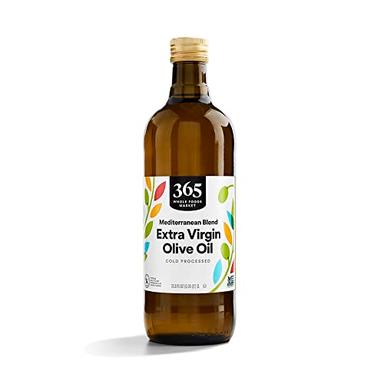
365 by Whole Foods Market Mediterranean Extra Virgin Olive Oil
$14.99
Budget-friendly organic option from Whole Foods with 4.8 stars and 22,116 reviews.
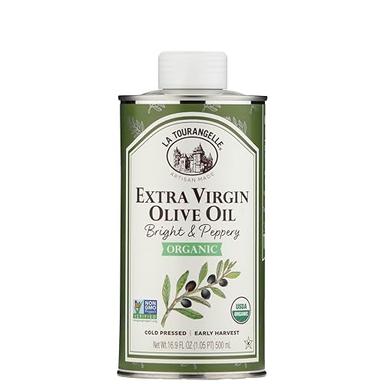
La Tourangelle Organic Extra Virgin Olive Oil, 16.9 Fl Oz
$16.99
Certified organic Spanish EVOO with medium bold flavor, 4.7 stars.
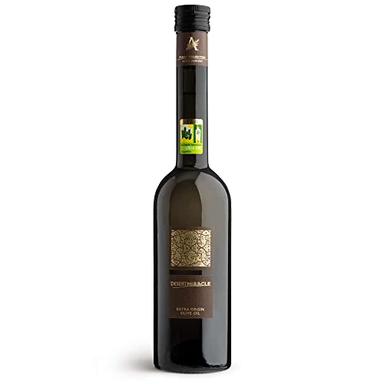
DESERT MIRACLE Polyphenol Rich Moroccan Olive Oil, 17 Fl Oz
$24.13
Ultra-premium Moroccan EVOO with high polyphenols, 4.6 stars, 7,848 reviews.
Frequently Asked Questions
Pompeian vs Atlas olive oil: which is better?
Pompeian is better for most households because it offers a delicate flavor that works for all cooking, a huge 68-ounce bottle, and a much lower price per ounce. Atlas wins for those who want organic certification and maximum polyphenol content for health benefits, especially when used raw.
Is Pompeian Smooth EVOO worth the extra money?
Actually, Pompeian is the cheaper option — $21.48 for 68 oz vs Atlas at $27.94 for 33.8 oz. So it's the better value. The question is whether Atlas's organic certification and higher polyphenols are worth the 62% higher per-ounce cost. For raw use and health focus, yes; for everyday cooking, stick with Pompeian.
Can I cook with Atlas olive oil?
Yes, but its complex herbaceous flavor may overpower some dishes, and heating degrades polyphenols. It's best used raw as a finishing oil — drizzled over vegetables, salads, or bread. If you cook with it, keep heat low and use it in Mediterranean dishes where its bold notes enhance the meal.
Which olive oil has more antioxidants?
Atlas has higher polyphenol content, making it the better choice for antioxidants. Pompeian contains naturally occurring polyphenols but in lower amounts. For maximum health benefit, use Atlas uncooked, as heating reduces polyphenol levels.
Do these oils come in glass bottles?
Pompeian comes in a plastic bottle, while Atlas ships in a glass bottle. Glass is better for preserving freshness and is more eco-friendly. If you prefer glass, Atlas is the pick. Both bottles are opaque to protect the oil from light degradation.
Comparison based on Amazon verified-buyer reviews and expert evaluations from Wirecutter and Consumer Reports. Prices and availability checked May 2026. Over 69,000 reviews analyzed across both primary products.
Who wrote this and where's the data from?
Mubboo Editorial Team — independent US-market consumer research. Picks reflect editorial consensus from 2 independent review sources and 69,000+ verified buyer reviews.