Electrical Connector Quick Pick: Answer 3 Questions, Get Your Match
Takes 30 seconds. No email. We point you to the right lever-nut or T-tap kit.
By Mubboo Editorial Team · Updated Jul 1, 2026 · 3 min read
At a Glance
Answer 3 questions, find your match in 30 seconds
Electrical connectors mostly come down to two questions: are you joining wire ends together, or tapping into a wire that's already connected without cutting it, and how many connections does your project actually need. Lever-nuts have become the modern standard for junction-box wire joints; T-taps solve a different, narrower problem. Answer the three questions above and we'll point you to the pick that fits your project.
Answer these 3 questions
What connector type do you need?
How many do you need?
What's your budget?
All Our Picks
Not sure which is right for you? Take the quiz above, or browse all our recommendations below.
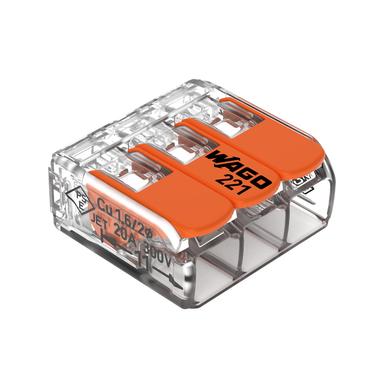
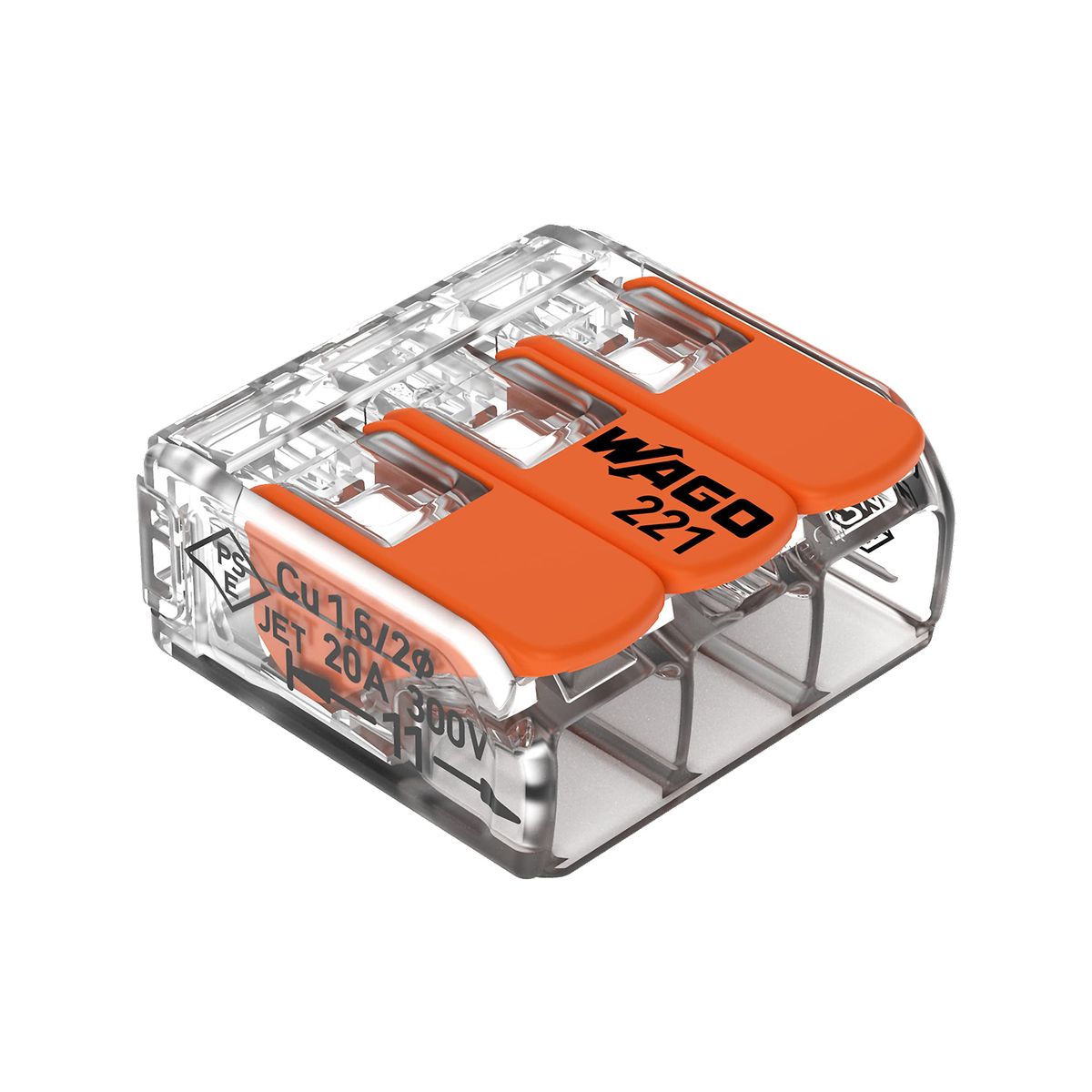
WAGO Lever-Nuts 221-413 (50-Piece)
Best overall: a 50-piece lever-nut set backed by the most reviews here
Skip if: You need to splice into a wire without cutting it
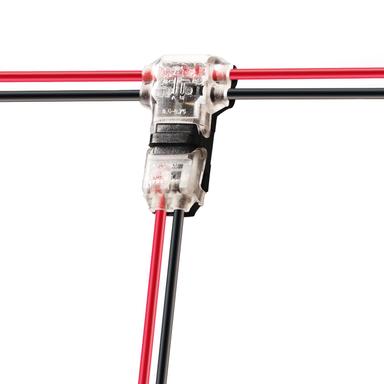
Brightfour T-Tap Wire Connectors (12-Pack)
The only pick here for tapping into a wire without cutting it
Skip if: You're joining two wire ends, not tapping a live one
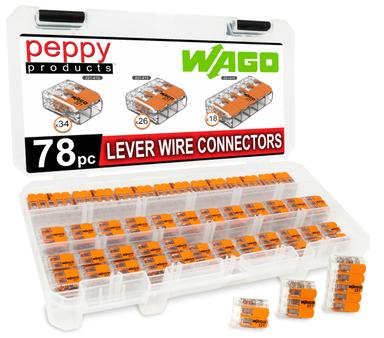
WAGO 221 Lever Nuts 78pc Assortment with Case
The largest assortment here, in a carrying case for bigger projects
Skip if: A smaller assortment already covers your project
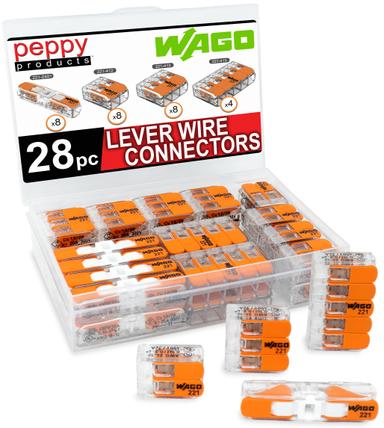
WAGO 221 Lever Nuts 28pc Assortment with Case
A smaller assortment with a case, for lighter-duty projects
Skip if: You're working on a bigger project needing more pieces
How We Picked
We analyzed 23,894.
Qualification: products must have ≥4.0 stars and ≥500 reviews on Amazon to be considered.
Matched to your answers, not commission rates.
Frequently Asked Questions
Is this quiz interactive?
Yes. Answer the three questions above about connector type, kit size, and budget, and the page highlights the single best match from our product lineup instead of making you scroll a full ranking. It takes about 30 seconds and doesn't ask for an email address or any personal information.
How do you pick these products?
We start from products that clear a minimum bar of 4.0 stars and 500+ reviews on Amazon, then narrow to the ones that best answer a specific shopper question — connector type, kit size, and budget. The picks here are backed by thousands of combined verified Amazon reviews, not editorial guesswork.
What's the difference between a lever-nut and a traditional wire nut?
A lever-nut uses a spring-loaded lever you lift, insert the wire into, and press back down, giving a visibly secure connection you can inspect through clear housing. A traditional twist-on wire nut requires twisting the wires together first and then screwing the cap on, which some installers find less consistent, especially with stranded wire.
Are lever-nuts safe for permanent junction box connections?
Yes, lever-nuts are widely used for permanent residential wiring connections and are electrically rated for that purpose, though some installers add a wrap of electrical tape around the lever to guard against accidental reopening over time. Follow the connector's rated wire gauge and amperage limits, and when in doubt on code requirements for your project, check with a licensed electrician.
How do I properly prepare a wire for a lever-nut connector?
Strip the wire to the length specified by the connector, commonly around 11mm, and make sure the exposed wire end is straight rather than bent or previously twisted, since a bent end can prevent it from seating fully inside the lever mechanism. A properly stripped, straight wire end is the most common factor in a secure, reliable connection with this connector style.
Can lever-nut connectors be reused?
Yes, that's one of their advantages over traditional wire nuts — you can lift the lever, remove the wire, and reconnect it later without needing a new connector, which is useful if you need to modify a circuit down the road. This reusability is frequently cited by buyers as a reason they prefer lever-nuts for projects that might need future adjustments.
When would I use a T-tap instead of a lever-nut?
A T-tap is designed specifically for splicing a new wire into an existing wire without cutting or stripping it first, commonly used in automotive wiring for adding an accessory to an existing circuit. A lever-nut is built for joining separate wire ends together, which is the more common scenario in household junction box wiring.
How we wrote this
We started from the products in our full electrical connector ranking and matched each to the shopper question it answers best — connector type, kit size, and budget. Every price, rating, and review count here is pulled straight from the current Amazon listing.
About this Quick Pick
Written by the Mubboo Editorial Team, which hand-compares tools and hardware across price tiers before publishing a pick.