Shop Vacuum Quick Pick: Answer 3 Questions, Get Your Match
Takes 30 seconds. No email. We point you to the right size, features, and budget.
By Mubboo Editorial Team · Updated Jul 1, 2026 · 3 min read
At a Glance
Answer 3 questions, find your match in 30 seconds
A shop vacuum has one job — pick up wet or dry messes a household vacuum can't touch — but sizing and features still matter. Tank size determines how often you'll stop to empty it, a blower attachment adds a second use for leaves and debris, and horsepower affects how quickly you clear heavier cleanup jobs. Answer the three questions above and we'll point you to the pick that fits your garage or job site.
Answer these 3 questions
What size do you need?
Do you want a blower function too?
What's your budget?
All Our Picks
Not sure which is right for you? Take the quiz above, or browse all our recommendations below.
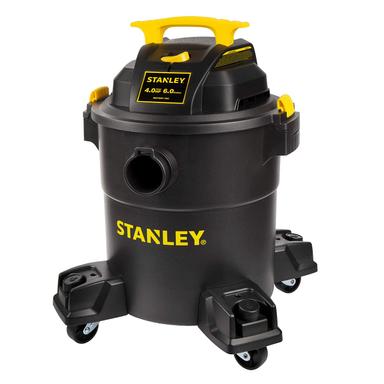
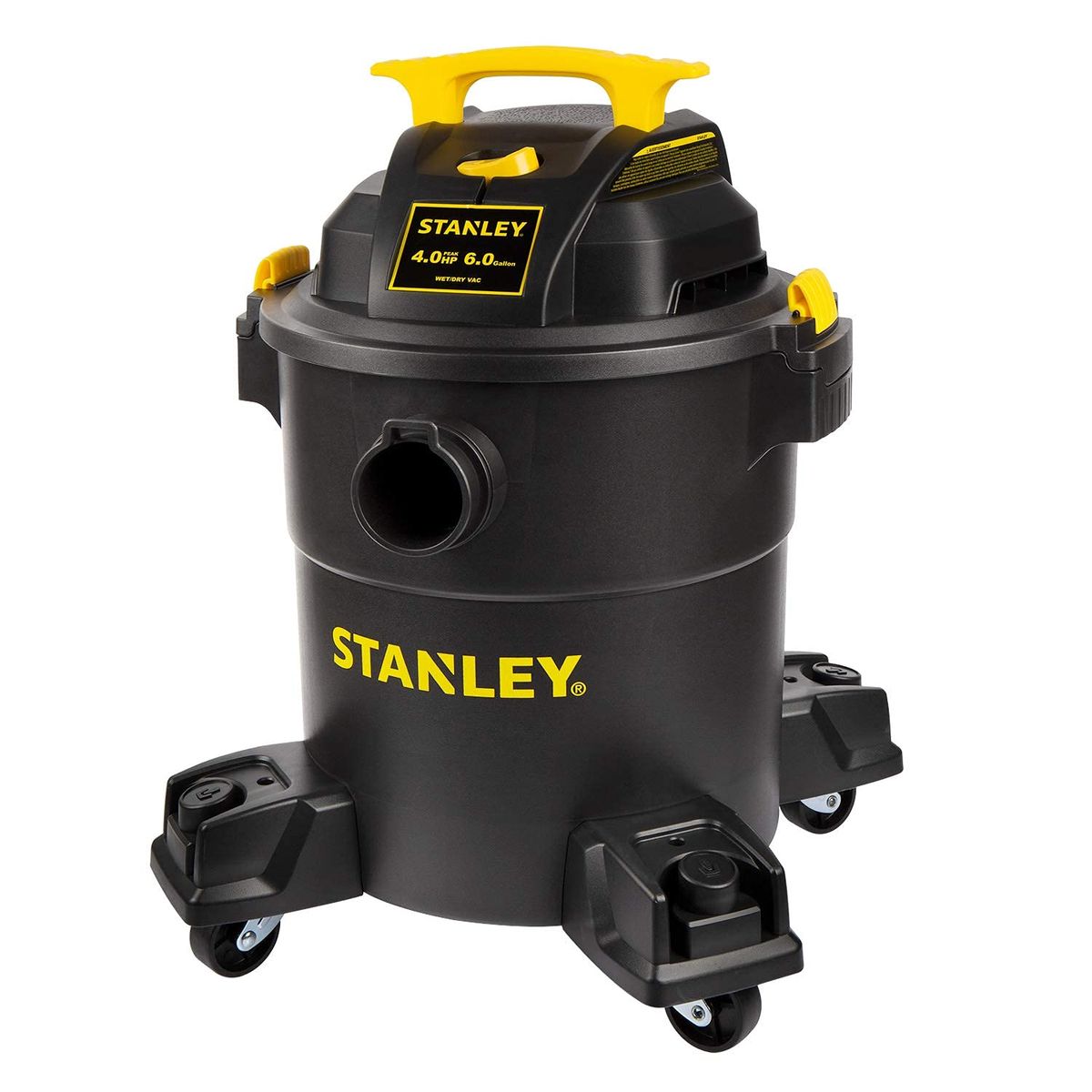
Stanley SL18116P Wet/Dry Vacuum, 6 Gallon
Best overall: a 6-gallon wet/dry vac backed by the most reviews here
Skip if: You want a blower function built in too
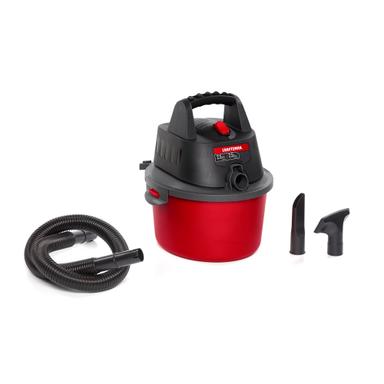
CRAFTSMAN CMXEVBE17250 2.5 Gallon Wet Dry Vac
Cheapest and most compact pick here, easy to store and carry
Skip if: You need a larger tank for bigger cleanup jobs
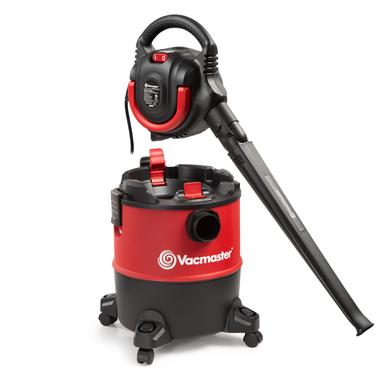
Vacmaster Wet/Dry Vacuum with Detachable Blower, 6 Gallon
The only pick here that doubles as a blower for leaves and debris
Skip if: You don't need blower functionality
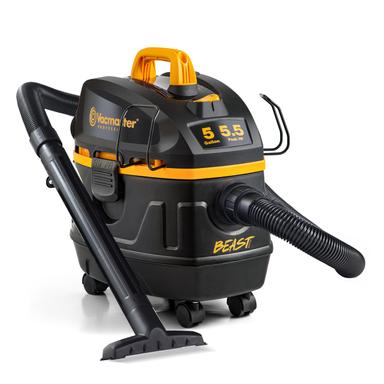
Vacmaster Professional Beast Series VFB511H, 5-Gallon
Highest peak horsepower on this list, for heavier workshop cleanup
Skip if: A standard-power vac already handles your cleanup needs
How We Picked
We analyzed 41,720.
Qualification: products must have ≥4.0 stars and ≥500 reviews on Amazon to be considered.
Matched to your answers, not commission rates.
Frequently Asked Questions
Is this quiz interactive?
Yes. Answer the three questions above about size, whether you want a blower function, and your budget, and the page highlights the single best match from our four-product lineup instead of making you scroll a full ranking. It takes about 30 seconds and doesn't ask for an email address or any personal information.
How do you pick these products?
We start from products that clear a minimum bar of 4.0 stars and 500+ reviews on Amazon, then narrow to the ones that best answer a specific shopper question — tank size, blower capability, and budget. Across the four picks here, that's 41,720 combined verified Amazon reviews backing the choices, not editorial guesswork.
What size shop vacuum tank do I actually need?
A compact 2 to 3-gallon tank is enough for quick cleanups, small workshops, or vehicle interiors where you don't want a bulky unit taking up space. A 5 to 6-gallon standard tank is better suited for garage cleanup, larger debris after a project, or wet spills, since you'll empty it far less often mid-job.
What's the difference between a shop vacuum and a regular household vacuum?
A shop vacuum is built to handle both liquids and dry debris — sawdust, nails, standing water — using a durable motor and tank designed for rough conditions, which a household vacuum's motor and filter aren't built to survive. Shop vacuums are also generally louder and bulkier in exchange for that added toughness and wet-pickup capability.
Is a built-in blower function actually useful?
Yes, if you're also dealing with leaves, sawdust piles, or debris you'd rather blow away than vacuum up — a detachable blower attachment turns the same motor into a leaf blower without buying a second tool. If you only ever need suction, skipping the blower feature saves a bit of money without losing anything you'd actually use.
How often do I need to change or clean the filter?
Check and tap out or rinse a reusable filter after every few uses, and inspect it more closely after any wet pickup, since a clogged or damaged filter reduces suction and can let fine dust back into the air. Most shop vacuums in this category use a foam or pleated filter that should be fully replaced every so often depending on how heavily and frequently the vacuum is used.
Can these vacuums pick up standing water?
Yes, that's the core function of a wet/dry shop vacuum — the motor and tank are sealed and designed to handle liquid pickup, unlike a standard household vacuum which would be damaged or become an electrical hazard with wet debris. Always remove the dry filter before vacuuming significant water, since most models require switching to a wet-pickup foam sleeve or no filter at all for liquids.
How we wrote this
We started from the four wet/dry vacuums in our full shop vacuum ranking and matched each to the shopper question it answers best — tank size, blower capability, and budget. Every price, rating, and review count here is pulled straight from the current Amazon listing.
About this Quick Pick
Written by the Mubboo Editorial Team, which hand-compares tools and home equipment across price tiers before publishing a pick.