Sleeping Pad Quick Pick: Answer 3 Questions, Get Your Match
Takes 30 seconds. No email. We point you to the right inflatable or foam pad.
By Mubboo Editorial Team · Updated Jul 1, 2026 · 3 min read
At a Glance
Answer 3 questions, find your match in 30 seconds
Sleeping pads split on two questions: inflatable versus foam, and backpacking versus car camping. Inflatable pads pack smaller and feel plusher but can puncture; foam pads are nearly indestructible but bulkier. Weight and pack size matter far more on a backpacking trip than at a campsite you're driving to. Answer the three questions above and we'll point you to the pick that fits your trip.
Answer these 3 questions
What type of pad do you want?
What's it for?
What's your budget?
All Our Picks
Not sure which is right for you? Take the quiz above, or browse all our recommendations below.
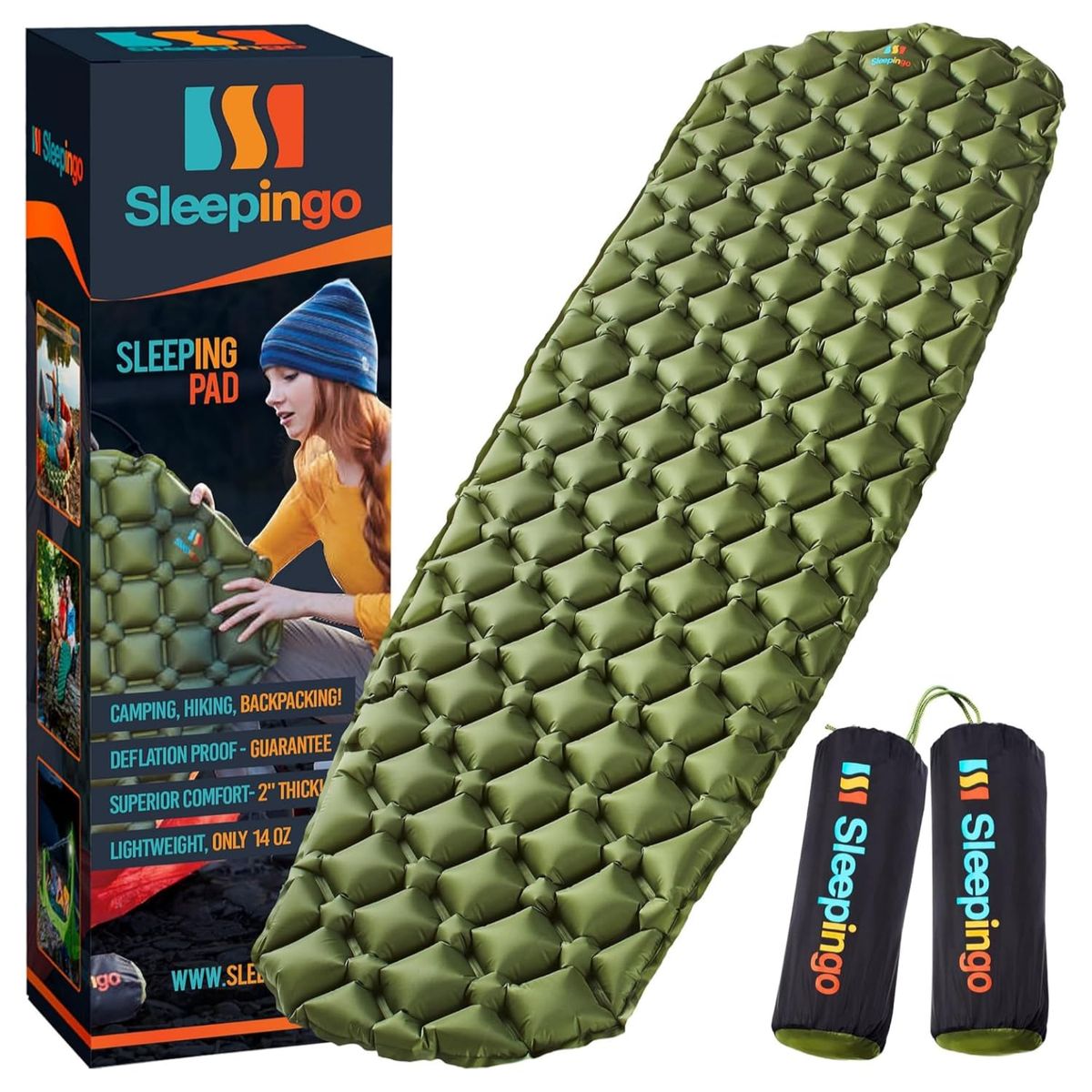
Sleepingo Lightweight Sleeping Mat, 2-Pack
Best overall: a 2-pack backed by the most reviews here, good for couples or groups
Skip if: You only need a single pad for backpacking
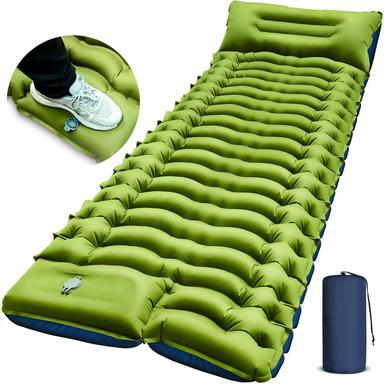
FUN PAC Camping Sleeping Pad with Built-In Foot Pump
Cheapest pick here, with a built-in foot pump and attached pillow
Skip if: You need a pad for two people, not one
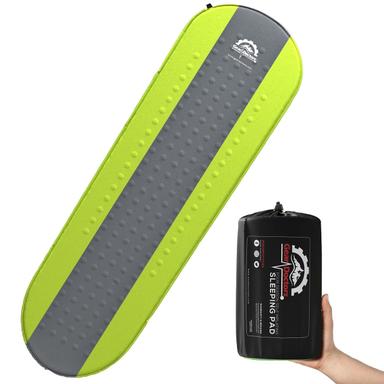
Gear Doctors Oxylus 4.3 R-Value Self-Inflating Pad
A self-inflating foam-and-air hybrid rated for all four seasons
Skip if: You want a pure air pad without foam
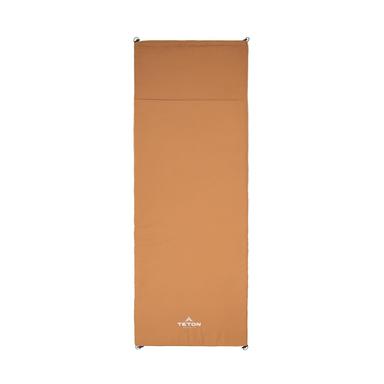
TETON Outfitter XL Sleeping Pad
The largest, most premium pad here for extra room at camp
Skip if: You need something compact for backpacking
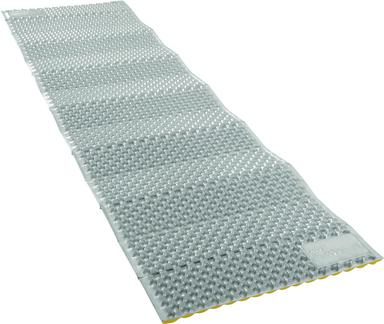
Therm-a-Rest Z Lite Sol Sleeping Pad
A classic closed-cell foam pad that can't puncture or spring a leak
Skip if: You want maximum plushness over packability
What Experts Say
wirecutter: Wirecutter calls the Therm-a-Rest Z Lite Sol a simple, dependable, and very affordable foam pad, noting it's tough but limited on comfort and warmth compared to inflatable options.
wirecutter: Wirecutter's car-camping pad testing found that a thick, supportive pad with straightforward setup matters more for comfort than ultralight weight, since portability isn't a constraint at a drive-in campsite.
Where experts agree
Independent testing consistently separates picks by intended use — backpackers prioritize weight and pack size, while car campers can prioritize thickness and comfort without weight constraints.
How We Picked
We analyzed 53,383, cross-referenced ratings from wirecutter.
Qualification: products must have ≥4.0 stars and ≥500 reviews on Amazon to be considered.
Matched to your answers, not commission rates.
Frequently Asked Questions
Is this quiz interactive?
Yes. Answer the three questions above about pad type, use case, and budget, and the page highlights the single best match from our five-product lineup instead of making you scroll a full ranking. It takes about 30 seconds and doesn't ask for an email address.
How do you pick these products?
We start from products that clear a minimum bar of 4.0 stars and 500+ reviews on Amazon, then narrow to the ones that best answer a specific shopper question — pad type, use case, and budget. Across the five picks here, that's 53,383 combined verified Amazon reviews backing the choices, not editorial guesswork.
Is a foam pad or an inflatable pad better?
A foam pad can never puncture or lose air overnight, which makes it a reliable backup or budget choice, but it's usually less plush and bulkier to carry than an inflatable pad of comparable warmth. An inflatable pad packs down much smaller and often feels more comfortable, at the cost of needing to trust a valve and seams to hold air all night.
Should I bring a repair kit for an inflatable pad?
Yes, it's worth testing your pad's valve and checking for leaks before a trip, and packing a small patch kit if the pad didn't come with one. A slow leak overnight is a common enough complaint that it's worth the small extra weight of carrying a repair option, especially on a multi-day trip.
What does R-value mean on a sleeping pad?
R-value measures a pad's insulating ability against cold ground — the higher the number, the more it resists heat loss, which matters more in cold weather than in mild summer conditions. A pad with a low R-value can leave you cold even inside a warm-rated sleeping bag if the ground underneath is chilly.
How much thicker/wider pad do I need if I side-sleep?
Side sleepers generally benefit from a thicker pad than back sleepers, since your hip and shoulder concentrate more pressure into a smaller area of the pad. If you find a standard pad uncomfortable on your side, look for a thicker inflatable option or a wider pad rather than assuming a foam pad's default thickness will work for your sleep position.
Do I need both a sleeping pad and a sleeping bag?
Yes for most tent camping — a sleeping bag alone compresses under your body weight, losing much of its insulation exactly where you need it, so a pad adds cushioning and warmth underneath you. Car campers using a soft surface like a cot sometimes skip a dedicated pad, but tent campers on bare ground benefit from one regardless of season.
How we wrote this
We started from the five pads in our full sleeping pad ranking and matched each to the shopper question it answers best — pad type, use case, and budget. Prices, ratings, and review counts are pulled straight from the current Amazon listings.
About this Quick Pick
Written by the Mubboo Editorial Team, which hand-compares camping and outdoor gear across price tiers before publishing a pick.