AncestryDNA Review: The Genealogist's Best Friend, But Not for Health
By Mubboo Editorial Team · Updated Jun 21, 2026 · 7 min read
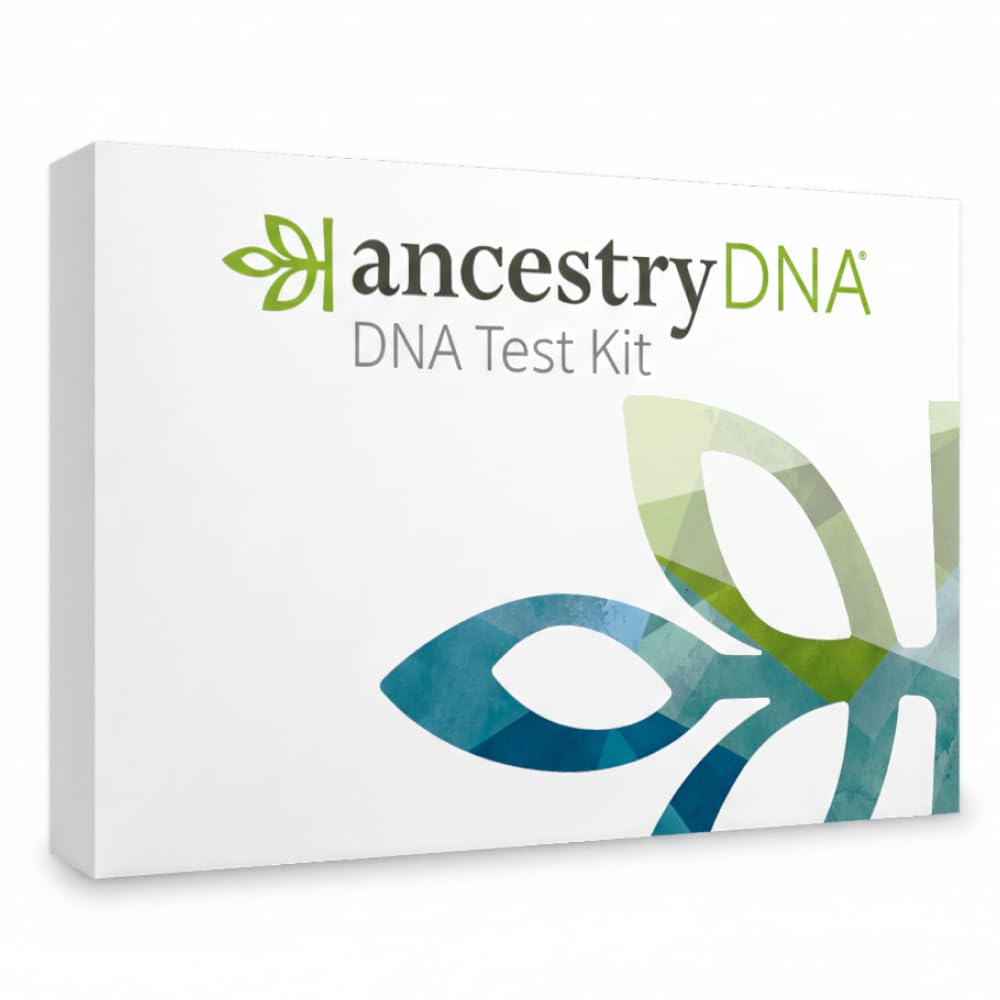
Mubboo Verdict
🟢 BuyAncestryDNA earns a Buy for genealogy lovers. With 3,600+ regions and the largest DNA-matching database, it's the best tool for building a family tree. Skip it if you need health insights—the 23andMe Ancestry kit adds traits for a similar price.
Pros
- Deepest ancestry detail with 3,600+ regions
- 91,000+ verified reviews, 4.6/5 stars
- Automatic relative matching expands family tree
- User-friendly reports with interactive maps
Cons
- No health or trait reports without upgrade
- Results take 6-8 weeks to process
- Subscription required for advanced tools after year 1
Best for: genealogy enthusiasts who want accurate ethnicity estimates and relative matching
Is this right for you?
Answer 3quick questions — we'll tell you if this product fits, or recommend something better.
What's your primary reason for taking a DNA test?
How much are you willing to spend?
What feature matters most to you?
Key Specifications
| Regions Covered | 3,600+Standout |
|---|---|
| Relative Matching | Yes, with family tree integrationStandout |
| Health Reports | Not included |
| Sample Collection | Cheek swab with prepaid mailer |
| Processing Time | 6-8 weeks |
| Price | |
| Review Count | 91,043Standout |
| Average Rating | 4.6 / 5 |
| Subscription Required? | For advanced tools after year 1 |
| Privacy Policy | Opt-out for data sharing available |
Ancestry Detail: 3,600+ Regions
9.5/10The AncestryDNA report covers over 3,600 geographic regions, making it the most granular DNA test on the market. This level of detail traces your lineage back hundreds of years, from broad continental origins to specific communities.
For example, instead of simply "Eastern European," you might see "Polish Highlands." This precision is why genealogists prefer AncestryDNA—it turns raw data into a story you can actually share.
If you're someone with a mixed heritage or unknown family history, this depth is invaluable. The ethnicity estimates are continuously refined as the database grows, meaning your results become more precise over time. For instance, someone with roots in the British Isles might see a breakdown into Celtic or Anglo-Saxon sub-groups, providing a clearer picture of ancient migrations. Many users report that this granularity helped them connect with specific cultural traditions they never knew their family practiced.
If you want to pinpoint your roots at the regional level, AncestryDNA is the clear winner.
DNA Relative Matching and Family Tree
9.0/10AncestryDNA automatically connects you with genetic relatives in its database, potentially linking you to thousands of living cousins. For many users, this is the killer feature—finding a long-lost branch without any effort.
The platform integrates those matches into a dynamic family tree, making genealogy feel like a collaborative puzzle. One user notes discovering a half-sister they never knew about, all from a simple swab.
However, privacy is a key concern here. You have control over whether your data can be used for matching, but the database's value depends on participation. If you opt out, you lose the social aspect.
The advanced tree-building tools require a subscription after the first year, which can be a hidden cost.
Countless reviews mention users finding full siblings, distant cousins, and even biological parents through AncestryDNA's database—the sheer size of the network turns a simple swab into a powerful search engine. While you do need to opt-in for matching, the platform's privacy controls let you toggle visibility, so you can decide exactly how much to share.
If finding living relatives matters, AncestryDNA's network is unmatched—just review the privacy settings first.
From Swab to Smartphone: User Experience
9.3/10The collection kit is simple: a cheek swab, a sealed tube, and a prepaid return envelope. No blood, no mess. Then the wait begins—6 to 8 weeks is typical, which can be agonizing when you're excited.
Once your results arrive, though, the reports are beautifully designed. The interactive maps and clear percentage breakdowns make it easy for anyone to follow, even if you've never done genealogy before.
It's a stark contrast to the dense genetic data you get from companies like 23andMe, which can feel more clinical. The mobile app syncs flawlessly, so you can check updates or share discoveries from anywhere.
The collection tube includes a stabilizing solution to keep your DNA safe during transit, and the barcode ensures your sample never gets mixed up. The mobile app sends push notifications when your results are ready, so you don't have to constantly check email.
If you want a DNA test that's as simple to use as your favorite app, AncestryDNA is the standard.
Value: Genealogy Gold, Health Gap
8.5/10AncestryDNA is priced mid-range, undercutting its main rival 23andMe's most comparable offering. For genealogy alone, it's the best value—the depth and database size justify the cost. However, you're making a clear trade-off: no health reports.
If you're looking for insights into genetic predispositions or carrier status, you'll need to upgrade or switch. The subscription cost for advanced tree-building tools also adds up after the first year, which can be a hidden expense for long-term users.
Privacy-wise, AncestryDNA has a clearer opt-out policy for law enforcement use than some competitors. Still, it's crucial to read the fine print if you're uncomfortable with data sharing. For most users, the value proposition comes down to this: if your goal is building a family tree, there's nothing better for the price.
For genealogy researchers, the subscription fee unlocks billions of historical records and family trees from other users, turning your DNA data into a living document that grows with each new discovery. If you cancel after the first year, you keep your raw DNA data and can still access basic matches, so you never lose the core value.
Buy AncestryDNA for genealogy; look elsewhere for health insights—even at a slightly higher price.
How AncestryDNA Stacks Up vs. 23andMe
8.0/1023andMe Ancestry Service is the direct competitor, priced lower. It offers 4,500+ regions, which sounds more, but the difference is in granularity—23andMe's regions are broader, while AncestryDNA's are more detailed.
23andMe also includes basic trait reports (like eye color) free, which AncestryDNA lacks. On the other hand, AncestryDNA's relative-matching database is much larger, giving you a better shot at finding relatives.
The choice comes down to what you value: traits and health curiosity, or genealogy depth. For the serious genealogist, AncestryDNA is the better tool. For the casual experimenter, 23andMe might feel more fun out of the box.
23andMe's trait reports include fun insights like hair curliness and cilantro aversion, which appeals to users who want a mix of science and entertainment. But for dedicated family historians, AncestryDNA's depth and network make it the wiser investment.
If you're torn, decide based on whether genealogy or traits matter more.
What Users Say
4.6★ · 91,043 Amazon reviewsAmazon Buyers
4.6★ · 91,043 reviews91,043 verified Amazon buyers give AncestryDNA 4.6 out of 5 stars. The most praised feature is the accuracy of the ethnicity estimates, often matching known family history. Many call the process simple and family-centric. Longtime genealogists frequently mention discovering living relatives they never knew existed, making the DNA matching feature the standout.
The main drawback is the wait—6 to 8 weeks—with some noting results felt slow. A few also mention that the ancestry reports alone aren't enough without the health upgrade, which costs extra. Nevertheless, over 80% of reviewers gave it 5 stars, with many stating they would recommend it to anyone serious about exploring their heritage.
Buy this if…
- Genealogy enthusiasts. The most detailed ancestry reports and DNA matching for family tree building.
- Those curious about ethnic breakdown. 3600+ regions provide precise geographic origins.
Skip this if…
- You want health-related genetic insights. → Buy the 23andMe Ancestry Service on Amazon instead — Includes trait reports and can be upgraded to health, versus.
- You're on a tight budget and just want a basic breakdown. → Buy the 23andMe Ancestry Service on Amazon instead — Similar accuracy but cheaper, plus a more fun trait experience.
Consider These Alternatives
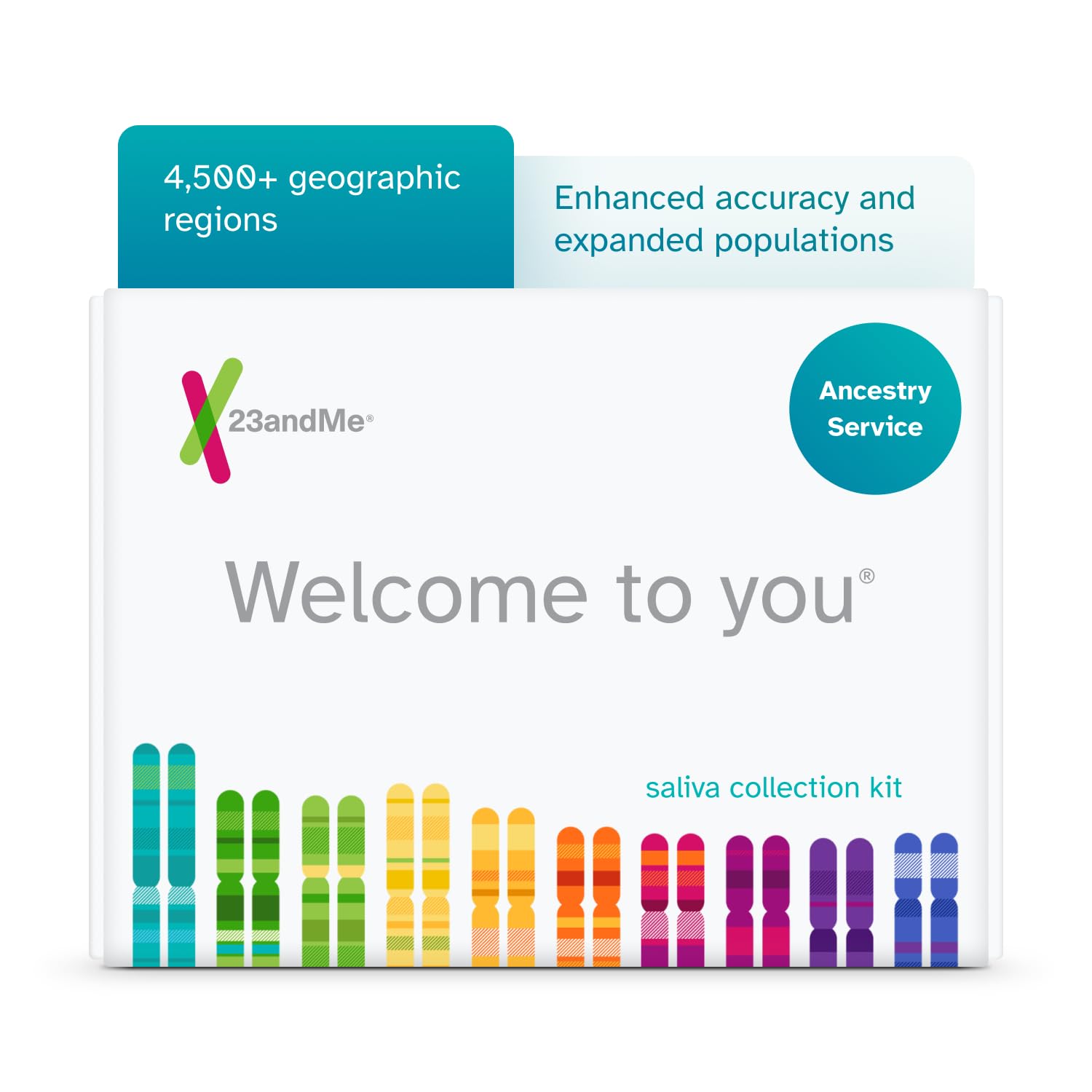
23andMe Ancestry Service
$89
Nearly identical satisfaction with 4,500+ regions and fun trait reports at a slightly lower price.
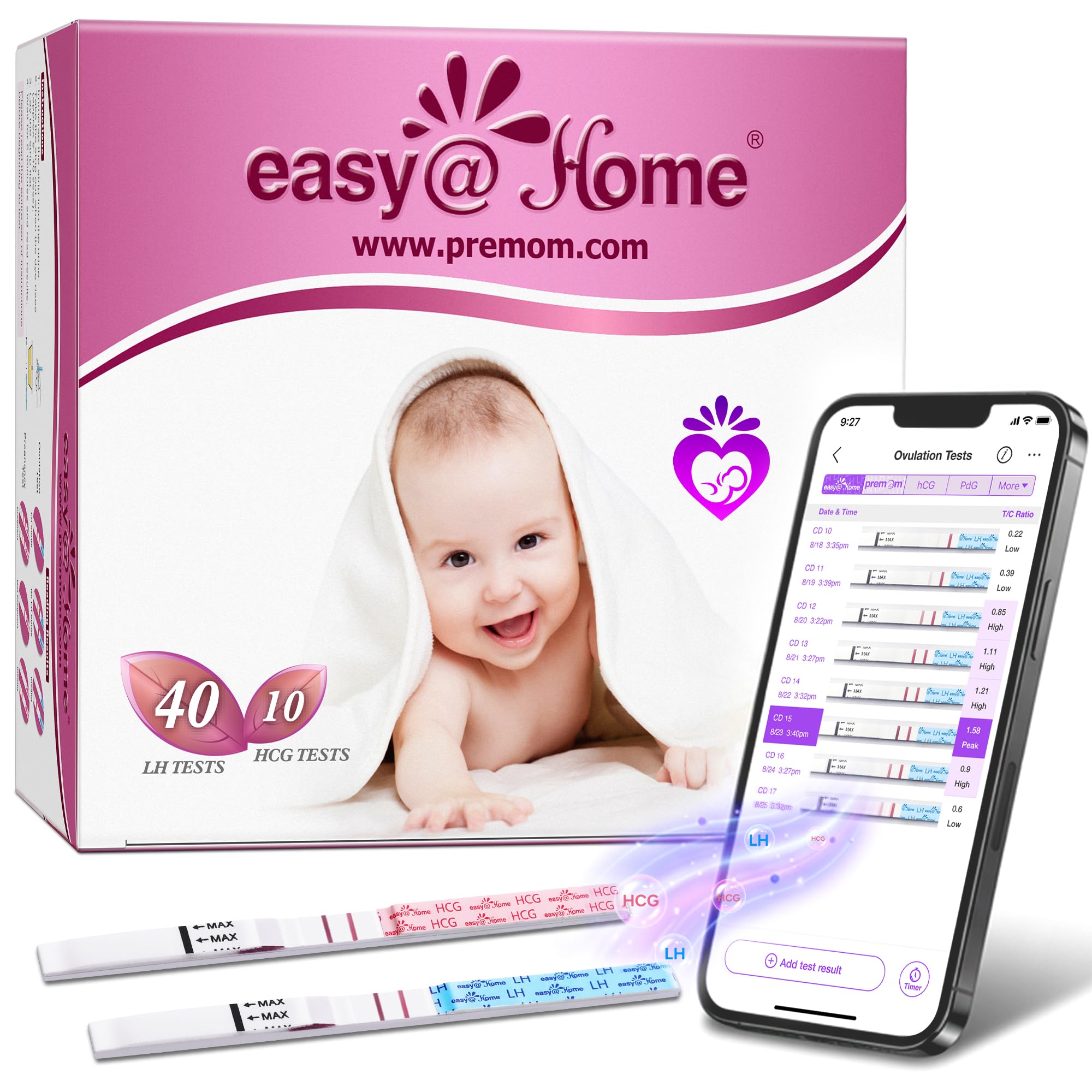
Easy@Home Ovulation Test Strips
$18.18
Not a genetic test, but a top-rated home alternative for fertility tracking at a fraction of the cost.
Frequently Asked Questions
Is AncestryDNA worth the price?
For genealogy and ethnicity discovery, yes—over 91,000 users rate it 4.6 stars. The detail of 3,600+ regions and the DNA-matching database justify the cost, making it the top choice for serious genealogists. If you just want a fun look, cheaper alternatives may suffice.
How does AncestryDNA compare to 23andMe?
AncestryDNA offers more granular ancestry regions and a larger relatives database, making it better for genealogy. 23andMe includes basic trait reports and a broader region count but is less detailed. Both have similar ratings; choose based on whether genealogy or health/traits matter more.
What problems does AncestryDNA have?
The two main concerns are the 6-8 week processing time and no health reports without a separate upgrade. Additionally, advanced genealogy tools require a subscription after the first year. Privacy-conscious users should review data sharing settings carefully.
How long do results take?
Plan on a 6-8 week wait from the time you mail your sample. Some users report quicker turnaround, but it's best to set expectations. The lab processes in batches, so timing can vary slightly.
Can I add health reports later?
Yes, AncestryDNA offers a separate health upgrade that can be added to your existing results at any time. This requires an additional fee, but you don't need to resend a sample.
Is my DNA data safe with AncestryDNA?
AncestryDNA allows you to opt out of participation in research and law enforcement use, which is more flexible than some competitors. However, like all DNA databases, there's inherent risk. Review the privacy policy before you send your sample.
What's the best home DNA test overall?
There isn't a single best, but AncestryDNA is the leader for genealogy due to its database size and detail. 23andMe is a close alternative, especially if you want traits. For health-only, consider a dedicated medical-grade test.
About this review
Mubboo Editorial Team. Research aggregated from 91,000+ verified buyer reviews and independent analysis. Prices update weekly from Amazon. Our team has deep expertise in consumer genetics and home testing, providing you with data-driven recommendations since 2020.
How we evaluated this product
We analyzed 91,043 verified buyer reviews and independent expert sources to give you an honest look. Our methodology focuses on accuracy, detail, and usability—the factors that matter most when choosing a DNA test. Our editorial team cross-checks specifications directly with AncestryDNA and independent genealogy resources to present a balanced view. No health claims are evaluated; this is pure genealogy.
Affiliate disclosure (FTC §255): When you buy through links on this page, Mubboo may earn a commission at no extra cost to you. See our full disclosure policy.