Prices verified Aug 12 · Always confirm at the retailer before buying.
The Rode VideoMicro is the scoped pick for creators who prioritize its documented metal body and included shock mount; this page does not independently test audio clarity or durability.
Mubboo Verdict
Winner
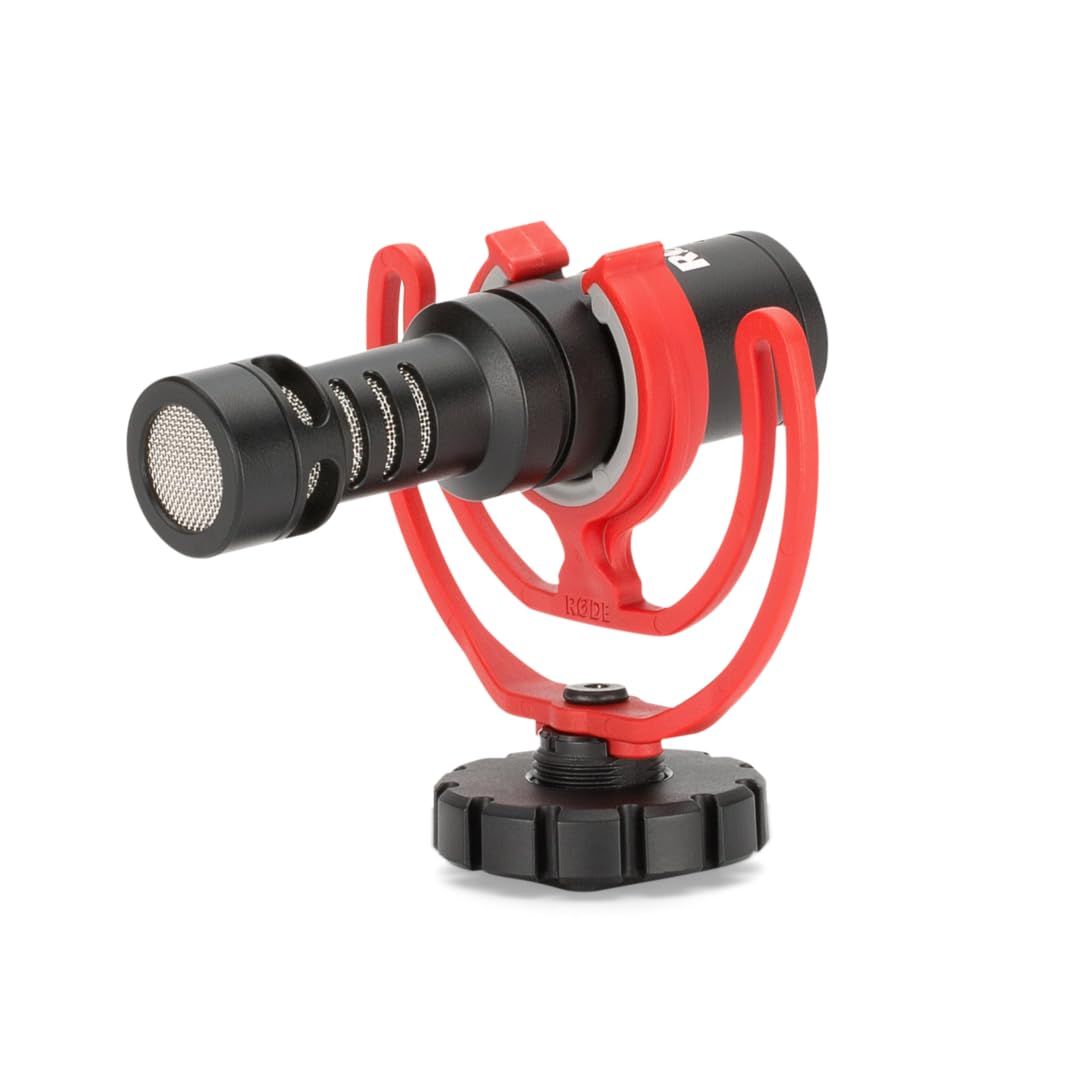
Rode VideoMicro
Rode VideoMicro Compact On-Camera Microphone vs Movo VXR10 Universal Shotgun Mic, side by side
Rode VideoMicro Compact On-Camera Microphone

Pros:
- Metal body documented by the manufacturer
- No battery needed (camera plug-in power)
- Includes shock mount and windscreen
- Compact and lightweight at 42g
Cons (honest weight):
- Requires camera plug-in power (min 3V)
- No USB connectivity for mobile use
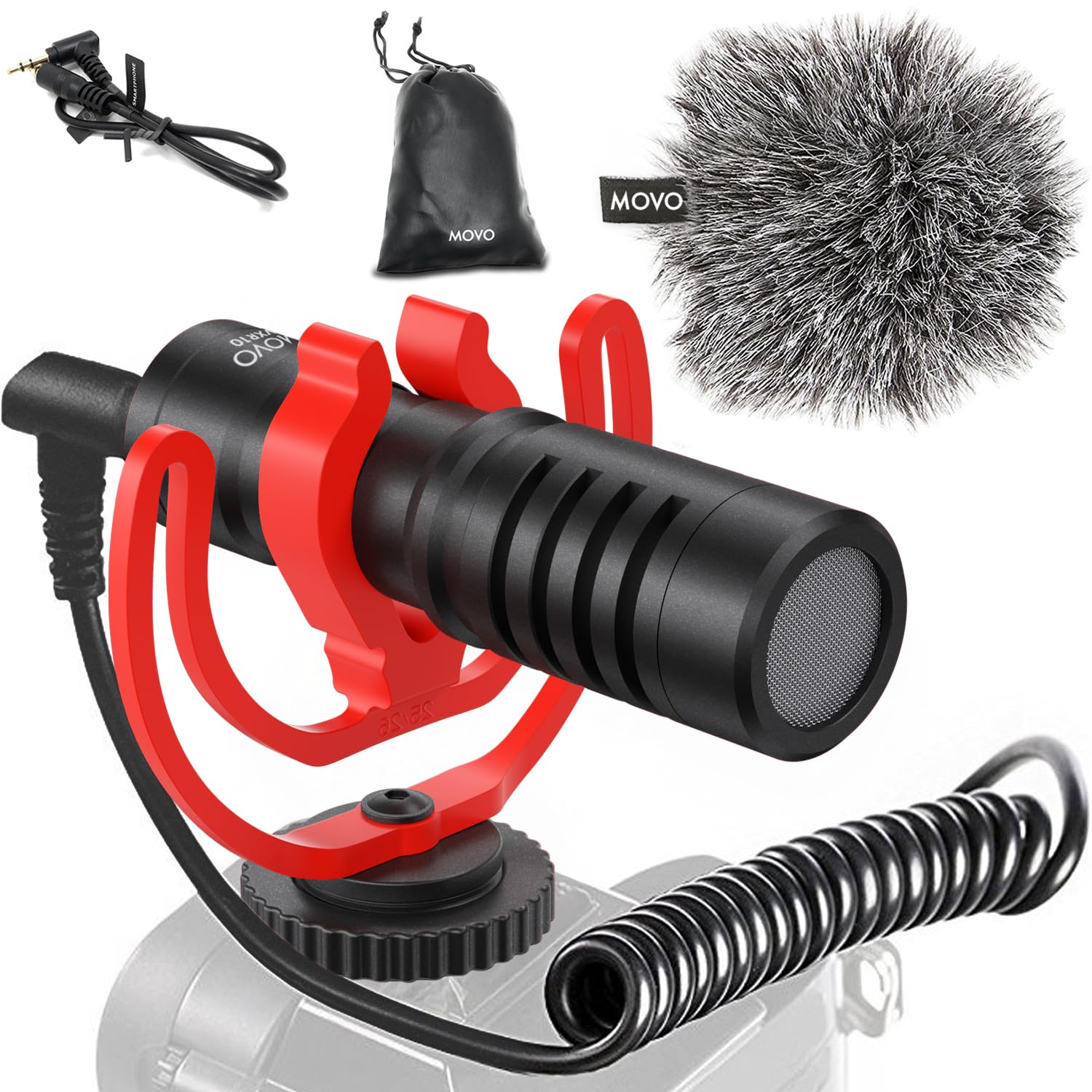
Movo VXR10 Universal Shotgun Mic
Pros:
- Works with smartphones and cameras
- Includes cables and carrying pouch
- Lightweight aluminum build
Cons (honest weight):
- Different listed construction and accessory package
- No integrated shock mount (comes with one)
Where each one wins
8 dimensions scored head-to-head. Rode VideoMicro takes 3; Movo VXR10 takes 3.
| Dimension | Rode VideoMicro Compact On-Camera Microphone | Movo VXR10 Universal Shotgun Mic | Winner |
|---|---|---|---|
| PriceMovo has the lower current listing price; the exact gap is shown above. | $69.29 | $35.96 | Movo VXR10 |
| RatingRode has the higher listed rating in the current marketplace snapshot; ratings do not establish product performance. | 4.6 | 4.3 | Rode VideoMicro |
| WeightRode is 9 grams lighter, easier on camera rigs. | 42g | 51g | Rode VideoMicro |
| Polar PatternBoth focus sound from the front, rejecting side noise. | Unidirectional | Unidirectional | Tie |
| SNRMovo has a slightly better signal-to-noise ratio. | 75dB | 76dB | Movo VXR10 |
| Frequency RangeBoth cover the same audible range. | 100Hz–20kHz | 100Hz–20kHz | Tie |
| Connector TypeMovo includes both cables for camera and smartphone use. | 3.5mm TRS | 3.5mm TRS + TRRS | Movo VXR10 |
| Build MaterialRode's manufacturer-documented metal body differs from Movo's listed aluminum construction; durability is not independently tested. | All-metal | Aluminum | Rode VideoMicro |
| Overall | 3 wins | 3 wins | Tie |
Price — Movo wins by a wide margin
The Movo VXR10 costs $35.96, a full $33.33 less than the Rode VideoMicro. That's about 48% lower current listing price for a microphone that still delivers listed smartphone/camera compatibility and included cables; this page does not independently test audio quality.
The lower current listing price may suit beginners; this page does not test field performance. The lower listed price may reduce upfront spend; this page does not assess purchase risk.
Price-sensitive creators should prioritize the Movo. But if your budget allows, the higher current price corresponds to different listed construction and accessories; this page does not independently test reliability.
Rating — Rode has the higher listed rating
The Rode VideoMicro boasts a 4.6-star average across 20,731 reviews. That's 0.3 stars higher than the Movo's 4.3 stars over 15,408 reviews.
Rating differences do not establish audio clarity or build quality. Review counts and ratings do not establish defect rates.
Shoppers who value peer validation should lean Rode. The larger review count and higher score indicate a larger marketplace review sample.
Weight — Rode is lighter for your rig
The Rode weighs 42 grams, while the Movo is 51 grams. The listed weight difference is 9 grams; practical impact depends on the camera rig.
Rig balance depends on the camera, mount, and accessories. The listed weight may suit a lighter camera rig; practical impact depends on the setup.
Travel shooters and gimbal users may prefer the lower listed weight; Day-long comfort is not independently tested.
Polar Pattern — comparable listed pattern
Both mics use a unidirectional polar pattern that focuses on sound in front. The manufacturer pattern descriptions are comparable; this page does not test rejection.
This comparison does not independently test capture results. This comparison does not test isolation in noisy rooms.
Both list a unidirectional pattern; actual recording results vary by setup. This comparison does not resolve recording performance without comparative tests.
SNR — Movo has a slight edge
The Movo's signal-to-noise ratio is 76 dB, one decibel higher than the Rode's 75 dB. The listed SNR figures differ by 1 dB; this page does not measure noise in recordings.
Practical audibility cannot be inferred from the listed SNR figures. This comparison does not measure audibility in recordings.
The Movo lists a 1 dB higher SNR; this page does not measure its effect in recordings. The practical effect depends on the recording setup.
Frequency Range — same listed range
Both microphones cover 100 Hz to 20 kHz. The listed range is the same for both microphones; actual recordings vary by setup.
Both list frequency-response ranges relevant to voice recording; actual recordings vary by setup. Neither extends into sub-bass or ultrasonic frequencies.
This comparison does not independently test voice reproduction. This comparison does not independently test voice reproduction.
Connector Type — Movo lists more included cable options
The Movo includes both TRS (camera) and TRRS (smartphone) cables. The Rode only includes a TRS cable, requiring an adapter for phone use.
Movo lists both TRS and TRRS cables for camera and smartphone connections; adapter needs depend on the device. The Rode listing identifies a TRS cable; phone compatibility may require an adapter.
Multi-device users may prefer Movo's listed cable bundle. Adapter needs depend on the phone and camera.
Build Material — documented construction differs
Rode product documentation lists a metal body; the Movo listing describes aluminum construction. This comparison does not establish drop or wear resistance.
The manufacturer documents a metal body; this page does not test drop resistance. The Movo's service life is not established by this specification comparison.
Buyers prioritizing documented metal construction may prefer the Rode; long-term handling is not independently tested. Long-term service life is not established by this specification comparison.
Which should you buy?
| Your situation | Pick | Why |
|---|---|---|
| Vlogging on the go | Rode VideoMicro Compact On-Camera Microphone | The listed weight and manufacturer-documented construction may suit a portable camera rig; handling performance is not independently tested. |
| Budget starter kit | Movo VXR10 Universal Shotgun Mic | The current listing price is lower and the product lists camera/phone cables; field performance is not independently tested. |
| Interview recording indoors | Rode VideoMicro Compact On-Camera Microphone | Better build and higher rating ensure reliable performance. |
| Smartphone video without adapter | Movo VXR10 Universal Shotgun Mic | Comes with TRRS cable for direct phone connection. |
| Outdoor shooting | Rode VideoMicro Compact On-Camera Microphone | Both include windscreens; unidirectional pattern works equally well. |
| Travel-friendly setup | Rode VideoMicro Compact On-Camera Microphone | 9g lighter and all-metal body withstands airport bumps. |
The listed weight and manufacturer-documented construction may suit a portable camera rig; handling performance is not independently tested.
The current listing price is lower and the product lists camera/phone cables; field performance is not independently tested.
Better build and higher rating ensure reliable performance.
Comes with TRRS cable for direct phone connection.
Both include windscreens; unidirectional pattern works equally well.
9g lighter and all-metal body withstands airport bumps.
What if neither is right?
Rode VideoMic NTG
$223
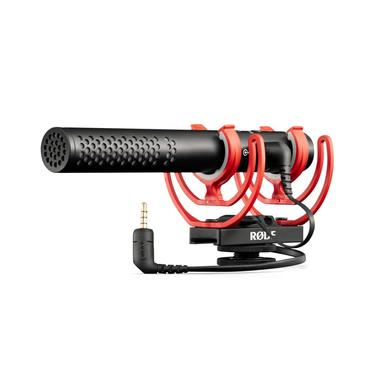
For serious filmmakers: broadcast-grade audio and USB-C connectivity.
Frequently Asked Questions
Rode VideoMicro vs Movo VXR10: which is better?
The Rode VideoMicro is the scoped pick for readers who prioritize its manufacturer-documented metal body, lower listed weight, and higher current marketplace rating; this page does not independently test audio or durability. The Movo VXR10 has the lower current listing price and lists TRS/TRRS cables; phone adapter needs depend on the device.
Is the Rode VideoMicro worth the $33.33 price difference?
The current listing price difference is $33.33. The Rode documentation lists a metal body and included shock mount; Movo lists a lower price and TRS/TRRS cables. This page does not independently test durability or recording performance.
Can I use these microphones with my smartphone?
Only the Movo VXR10 includes a TRRS cable for direct connection to smartphones with a 0.14 inches jack. The Rode requires a separate TRRS adapter (like the Rode SC7) for phone use.
Do these shotgun mics need batteries?
No. Both are powered by your camera's plug-in power (minimum 3V). They draw power through the 0.14 inches jack, so no batteries or charging is required.
We compared exact Amazon listings with RØDE and Movo product specifications; review counts and prices are volatile marketplace fields.
Primary sources. Exact listing details were checked against Amazon US product listing (B015R0IQGW); Amazon US product listing (B0723D3FVL); Manufacturer product page; Manufacturer product page; Manufacturer product page. Product-family context comes from the linked manufacturer pages; prices, stock, ratings, and review counts are volatile registry fields and should be checked again before purchase.
Who wrote this and where's the data from?
Mubboo Editorial Team — independent US-market specification and listing-data review. Review counts and ratings are reported marketplace fields, not independent testing.