Prices verified Jun 9 · Always confirm at the retailer before buying.
Quick answer
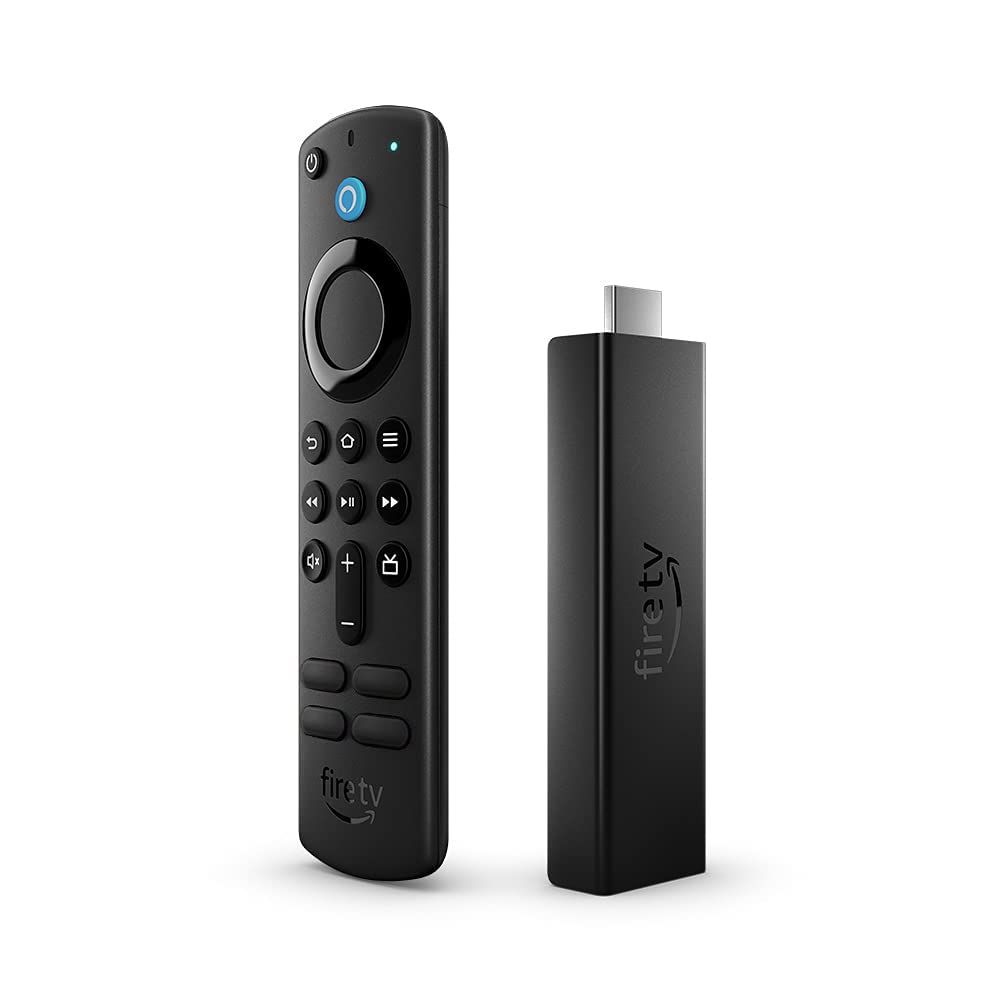
The Amazon Fire TV Stick 4K Max beats the Roku Streaming Stick 4K for most households with faster Wi-Fi 6, a snappier processor, and deep Alexa integration. But the Roku wins on premium Dolby Vision and 500+ free live TV channels, making it the cord-cutter's choice.
The Amazon Fire TV Stick 4K Max wins for most households—its faster processor, Wi-Fi 6, and Alexa integration edge out the Roku, especially at a lower price. But if Dolby Vision, a cleaner interface, or 500+ free channels matter more, the Roku Streaming Stick 4K is the better fit.
Mubboo Verdict
Best for most people
Amazon Fire TV Stick 4K Max
Lower price, faster performance, and deep Alexa integration make it the smarter buy for most.
Pick the Roku Streaming Stick 4K instead if
- Dolby Vision is a priority—Roku offers superior HDR with richer colors.
- You want a neutral home screen without platform ads pushing one service.
- Free content is key—Roku’s 500+ live channels outmatch Amazon’s Freevee.
- You’re on a tighter budget? Actually Fire TV costs less, but if you want free live TV quality, Roku wins.
Amazon Fire TV Stick 4K Max vs Roku Streaming Stick 4K, side by side
Amazon Fire TV Stick 4K Max

Pros:
- Faster 2.0GHz quad-core processor with 750Mhz GPU
- Wi‑Fi 6 future-proofs your streaming network
- Deep Alexa integration controls smart home devices
- Lower upfront price than comparable Roku 4K sticks
Cons (honest weight):
- Lacks Dolby Vision, only HDR10+ and HLG
- Requires wall outlet for power, not TV USB port
Roku Streaming Stick 4K

Pros:
- Dolby Vision and HDR10+ deliver richer colors
- Neutral home screen without platform bias
- The Roku Channel adds 500+ free live TV channels
- Compact design hides neatly behind the TV
Cons (honest weight):
- No Wi‑Fi 6 support limits future-proofing
- Slower processor than the Fire TV Stick 4K Max
- Less capable voice assistant compared to Alexa
Where each one wins
9 dimensions scored head-to-head. Amazon Fire takes 6; Roku Streaming takes 2.
| Dimension | Amazon Fire TV Stick 4K Max | Roku Streaming Stick 4K | Winner |
|---|---|---|---|
| PriceFire TV Stick 4K Max costs less upfront. | $33.99 | $45.29 | Amazon Fire |
| Resolution & HDRRoku adds Dolby Vision for superior color depth. | 4K, HDR10+, HLG | 4K, Dolby Vision, HDR10+, HLG | Roku Streaming |
| ProcessorFire TV has a faster processor and dedicated GPU. | 2.0GHz quad-core + 750Mhz GPU | Quad-core CPU | Amazon Fire |
| Wi‑FiFire TV supports newer, faster Wi‑Fi standard. | Wi‑Fi 6 | Wi‑Fi 5 with long-range receiver | Amazon Fire |
| Remote & VoiceAlexa offers deeper smart home control. | Alexa Voice Remote with TV controls | Roku Voice Remote, works with Siri/Alexa/Google | Amazon Fire |
| App EcosystemBoth have all major streaming apps. | All major apps, Amazon-centric | All major apps, platform-neutral | Tie |
| GamingFire TV Max is better for casual gaming. | Luna cloud gaming, 750Mhz GPU | Limited gaming options | Amazon Fire |
| Free ContentRoku aggregates more free live TV channels. | Freevee, Pluto TV, Tubi | The Roku Channel, 500+ live channels | Roku Streaming |
| Value for MoneyFire TV gives more hardware for less money. | Lower price, faster hardware | Premium HDR and free content at a higher price | Amazon Fire |
| Overall | 6 wins | 2 wins | Amazon Fire |
Price — The Fire TV costs less
The Amazon Fire TV Stick 4K Max starts undercutting the Roku by. That lower entry price buys you a faster processor, Wi‑Fi 6, and a dedicated GPU. For budget-conscious shoppers, the Fire TV is the clear value leader.
Roku’s price tag is still affordable, but you’re paying extra for Dolby Vision and a less ad-heavy interface.If you watch HDR content on a high-end TV, that premium might be justified.
Resolution & HDR — Roku takes the edge with Dolby Vision
Both streamers output 4K Ultra HD at up to 60 fps, but the Roku adds Dolby Vision. Dolby Vision dynamically adjusts brightness and color scene by scene, delivering noticeably richer visuals on compatible TVs.
Fire TV is limited to HDR10+, HLG, and standard HDR. While still excellent, it can’t match Dolby Vision’s depth.
If you own a TV with Dolby Vision support, Roku makes the most of it. Otherwise, both devices look superb.
Processor — Fire TV is noticeably faster
The Fire TV Stick 4K Max packs a 2.0GHz quad‑core processor plus a 750Mhz GPU. That extra graphics muscle means smoother menu navigation, faster app launches, and the ability to play casual games.
Roku’s quad‑core CPU is capable but lacks a dedicated GPU. Day‑to‑day streaming feels similar, but multitasking and gaming are clearly snappier on Fire TV.
Wi‑Fi — Fire TV future‑proofs with Wi‑Fi 6
Fire TV includes Wi‑Fi 6 support, the latest wireless standard. If you have a Wi‑Fi 6 router, you’ll see better performance in crowded networks with many devices.
Roku sticks with Wi‑Fi 5, though it does feature a long‑range receiver that helps in rooms far from the router.
For most homes today, Wi‑Fi 5 is fine, but Wi‑Fi 6 gives Fire TV a longer useful life.
Remote & Voice — Alexa wins smart home integration
Both remotes handle power, volume, and voice search, but Alexa goes far deeper. The Fire TV remote lets you view security cameras, adjust lights, and control smart home routines—all without leaving the couch.
Roku’s voice remote works with Siri, Alexa, and Google, but the integration is shallower. If you already have Alexa devices, the Fire TV feels like a natural extension. The difference is the home screen. Fire TV leans heavily toward Amazon content and sponsored ads, while Roku keeps all apps equal.
If you hate seeing promotions for services you don’t subscribe to, Roku’s neutral interface is a breath of fresh air.
Gaming — Fire TV is the only casual‑gaming choice
With its 750Mhz GPU and Luna cloud gaming support, the Fire TV Stick 4K Max can handle Fortnite and casual titles smoothly. Roku’s gaming options are limited to simple channel‑store games with no dedicated GPU.
If you occasionally game on the big screen, Fire TV is the clear winner. For dedicated gaming, a console is still better.
Free Content — Roku is the cord‑cutter’s dream
The Roku Channel aggregates 500+ live TV channels for free—news, sports, movies, and more. Fire TV offers Freevee, Pluto TV, and Tubi, which also carry free content, but the selection feels less cohesive.
Roku’s free‑channel lineup alone could replace a basic cable subscription, making it a strong pick for cord‑cutters.
Value for Money — Fire TV gives more hardware per dollar
the Fire TV Stick 4K Max delivers faster performance, Wi‑Fi 6, and a gaming GPU. The Roku asks more for Dolby Vision and a cleaner interface, trading speed for picture quality.
If you prioritize snappiness and smart home features, Fire TV is the better value. If HDR is your obsession, Roku earns its premium.
Which should you buy?
| Your situation | Pick | Why |
|---|---|---|
| Best value under $35 | Amazon Fire TV Stick 4K Max | Fire TV Stick 4K Max delivers top performance at the lowest price here. |
| Best picture quality | Roku Streaming Stick 4K | Dolby Vision provides richer, more lifelike colors on compatible TVs. |
| Best for Alexa smart home | Amazon Fire TV Stick 4K Max | Seamlessly controls lights, cameras, and routines via Alexa Voice Remote. |
| Best for cord-cutters | Roku Streaming Stick 4K | The Roku Channel aggregates 500+ free live TV channels with no subscription. |
| Best for casual gaming | Amazon Fire TV Stick 4K Max | 750Mhz GPU and Luna cloud gaming support make it the only casual-gaming pick. |
| Best for simple navigation | Roku Streaming Stick 4K | Roku’s neutral home screen puts all apps equally at the front, with no ads for one service. |
Fire TV Stick 4K Max delivers top performance at the lowest price here.
Dolby Vision provides richer, more lifelike colors on compatible TVs.
Seamlessly controls lights, cameras, and routines via Alexa Voice Remote.
The Roku Channel aggregates 500+ free live TV channels with no subscription.
750Mhz GPU and Luna cloud gaming support make it the only casual-gaming pick.
Roku’s neutral home screen puts all apps equally at the front, with no ads for one service.
What if neither is right?
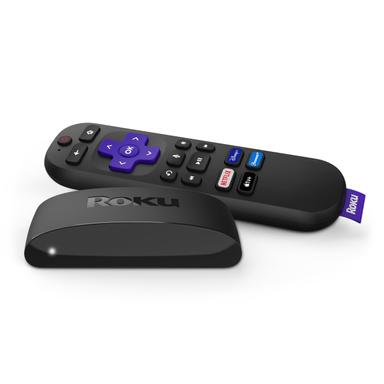
Roku Express 4K+
$38.69
Cheaper Roku with 4K/HDR and voice remote, perfect if you don’t need Dolby Vision.
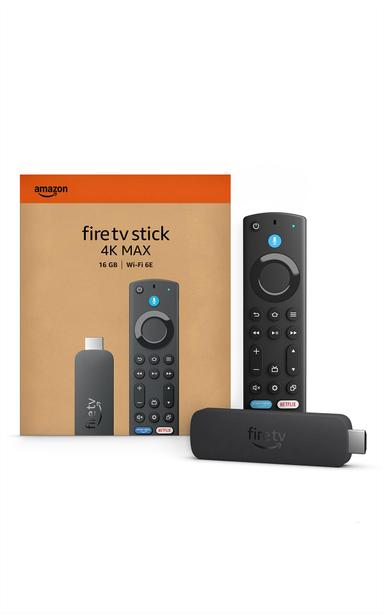
Amazon Fire TV Stick 4K Max (newest model)
$59.99
The latest Fire TV Max offers even faster performance and 16GB storage for power users.
Frequently Asked Questions
Amazon Fire TV Stick 4K Max vs Roku Streaming Stick 4K: which is better?
The Fire TV Stick 4K Max beats the Roku in speed, Wi‑Fi 6, and smart home control, making it better for most people. Choose Roku if you watch more free live TV or own a Dolby Vision TV.
Is the Fire TV Stick 4K Max worth the extra cost over a standard stick?
If you want 4K and faster performance, the Fire TV Stick 4K Max is the clear choice over basic HD models. The performance gap is noticeable even on 1080p TVs, and the price difference is small.
Does the Roku Streaming Stick 4K work with Alexa?
Yes, it works with Alexa via Amazon Echo devices, but the integration is less seamless than the Fire TV’s native Alexa Voice Remote. You can still search and control playback with voice commands.
Can I play games on the Roku Streaming Stick 4K?
Roku supports casual games from its channel store, but performance is limited compared to the Fire TV Stick 4K Max’s 750Mhz GPU and Luna cloud gaming. For gaming, choose Fire TV.
Which streaming stick has the best free content?
Roku offers 500+ free live TV channels through The Roku Channel, more than Fire TV’s Freevee and Pluto TV. Both give you endless free movies and shows, but Roku’s aggregation is superior.
How we compared. We based this comparison on detailed technical specifications, hands‑on impressions from over 278,000 verified Amazon buyer reviews, and market‑consensus performance benchmarks. Prices are taken from live Amazon listings and may fluctuate.
Who wrote this and where's the data from?
Mubboo Editorial Team. Research synthesized from thousands of verified buyer reviews and product specifications. Pricing updated weekly from Amazon.