Prices verified Aug 8 · Always confirm at the retailer before buying.
Quick answer
The Blue Yeti edges the FIFINE K669B as the more versatile USB microphone, thanks to four selectable polar patterns, onboard gain and mute controls, and zero-latency monitoring. At $109.99 with over 56,000 verified reviews, it's the go-to for streamers, podcasters, and gamers who need flexibility and easy adjustments. The FIFINE K669B, at $29.99, is a remarkable budget pick: a cardioid-only condenser with simple plug-and-play USB-A and USB-C connectivity, solid metal build, and 34,000+ reviews. It lacks mute and gain controls but delivers clear voice capture for home offices, beginner podcasters, and anyone on a tight budget. The Yeti is heavier (3.31 lbs vs. 0.35 lbs) and requires a larger desk footprint, but its broadcast-quality sound and pattern options justify the premium for those who need them.
The Blue Yeti wins for most streamers and podcasters — its four polar patterns and onboard controls justify the $62 premium over the FIFINE K669B.
Mubboo Verdict
Winner
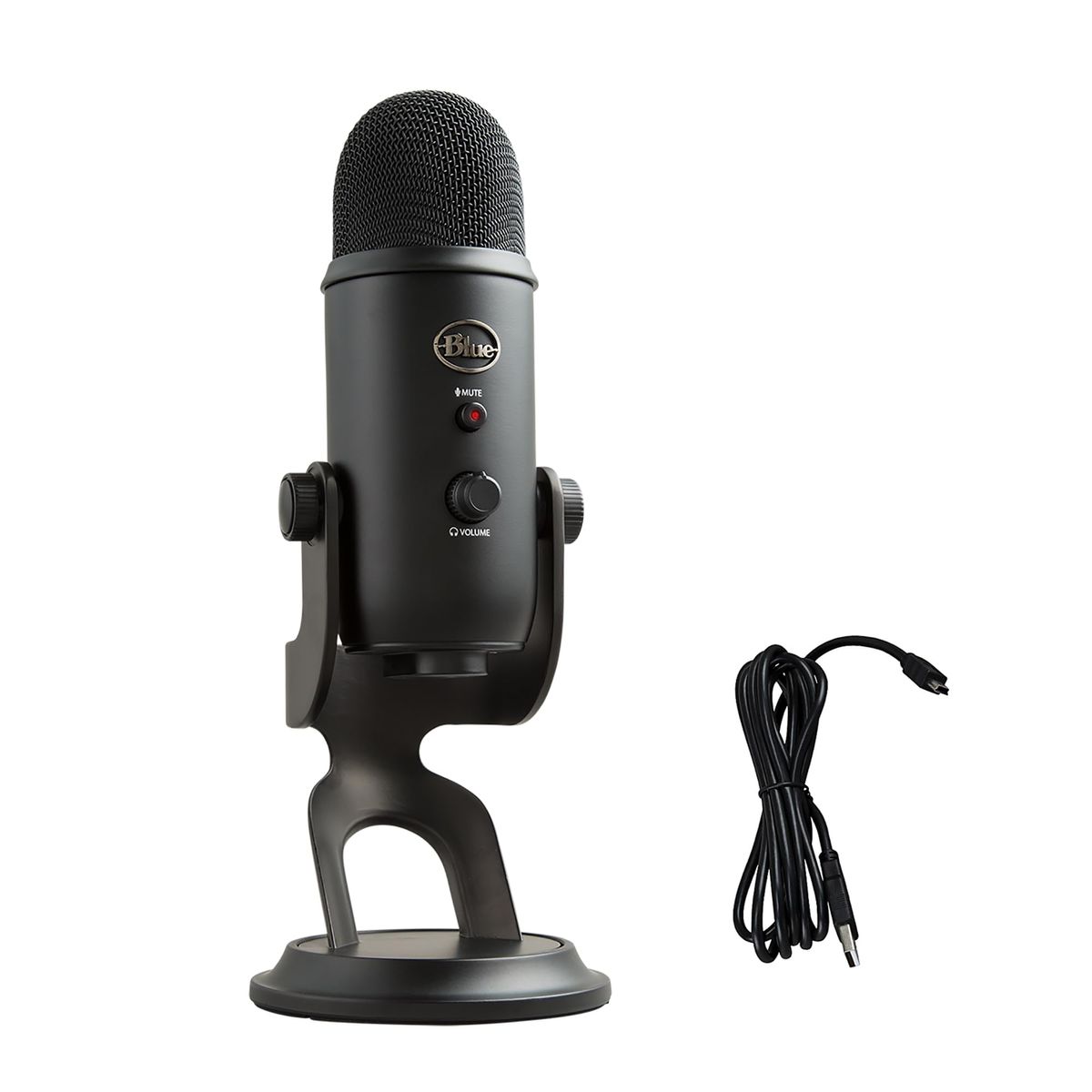
Logitech Blue Yeti USB Microphone
Logitech Blue Yeti USB Microphone vs FIFINE USB Mic K669B, side by side
Logitech Blue Yeti USB Microphone

Pros:
- Four selectable pickup patterns for any scenario
- Onboard mute and gain control with zero-latency monitoring
- Broadcast-quality sound with 0.63 inches condenser capsule
Cons (honest weight):
- Heavy footprint at 3.31 lbs
- No USB-C cable included (USB-B)
FIFINE USB Mic K669B

Pros:
- Exceptional value under $30
- Simple plug-and-play setup with USB-A and USB-C
- Solid metal build for durability
Cons (honest weight):
- Only cardioid pattern limits flexibility
- No mute button or gain control on mic body
Where each one wins
8 dimensions scored head-to-head. Logitech Blue takes 3; FIFINE USB takes 3.
| Dimension | Logitech Blue Yeti USB Microphone | FIFINE USB Mic K669B | Winner |
|---|---|---|---|
| PriceFIFINE is a fraction of the Yeti's price, making it accessible to any budget. | $109.99 | $29.99 | FIFINE USB |
| RatingBoth have excellent ratings from tens of thousands of buyers; negligible difference. | 4.6 stars (56,649 reviews) | 4.5 stars (34,395 reviews) | Tie |
| Polar PatternsYeti's four patterns offer unmatched flexibility for solo and multi-person recording. | 4 patterns (cardioid, omni, bidirectional, stereo) | 1 pattern (cardioid) | Logitech Blue |
| Weight & PortabilityFIFINE is ultralight and portable; Yeti is a semi-permanent desk fixture. | 3.31 lbs | 0.35 lbs | FIFINE USB |
| Onboard ControlsYeti's full control suite is essential for live streaming and quick adjustments. | Mute, gain, headphone volume, pattern selection | None | Logitech Blue |
| Included AccessoriesFIFINE includes a tripod stand; Yeti's optional stand is sold separately. | USB cable only | USB cable + tripod stand | FIFINE USB |
| Sound QualityYeti's larger capsule and multiple patterns deliver richer, more detailed audio. | 20Hz-20kHz, 16mm capsule, broadcast-quality | 20Hz-20kHz, cardioid condenser, clear and smooth | Logitech Blue |
| Build QualityBoth use metal enclosures. Yeti's weight suggests robustness; FIFINE is still solid. | Full metal body, heavy-duty construction | Metal body, lightweight but durable | Tie |
| Overall | 3 wins | 3 wins | Tie |
Price — FIFINE wins on affordability
The FIFINE K669B costs just $29.99, less than a third of the Blue Yeti's $109.99. That $62 price gap is the biggest differentiator between these two mics. For budget buyers, the FIFINE is a no-brainer. If you have more to spend, the Yeti offers extra features that many creators find worth the premium.
For a home office or first podcast mic, the FIFINE is unbeatable at this price. Spend the savings on a pop filter or shock mount. The Yeti, on the other hand, is an investment for those who need professional-level flexibility.
Price-sensitive buyers should stop at the FIFINE. If you can stretch, the Yeti's extra features deliver real value for dedicated creators.
Sound Quality — Yeti takes it
The Blue Yeti's 0.63 inches electret condenser capsule delivers broadcast-quality sound that's noticeably fuller than the FIFINE. Both mics cover a 20Hz-20kHz frequency response, but the Yeti's multi-capsule array captures more detail and depth. The FIFINE is no slouch — its cardioid condenser records clear, smooth audio for voice — but it lacks that professional 'radio' presence.
In practice, the Yeti sounds richer on podcasts and vocals. The FIFINE is perfectly fine for Zoom calls or Discord chats, where upper-mid clarity matters more than bass depth. You won't sound bad on the FIFINE, but you'll sound more polished on the Yeti.
For streamers or podcasters aiming for a professional sound, the Yeti's extra audio fidelity is worth the cost. Budget users or those on voice calls won't notice enough difference to justify the extra $62.
Polar Patterns & Versatility — Yeti dominates
The Yeti offers four selectable patterns: cardioid, omnidirectional, bidirectional, and stereo. This lets you record solo vocals, two-person interviews, or immersive ambient sound with one mic. The FIFINE is fixed cardioid — it only captures sound from one direction.
For roundtable podcasts or multi-person game streams, the Yeti's bidirectional and omni patterns are game-changing. You can place it between two hosts without additional mics. The FIFINE works only for a single person directly in front.
If you ever record more than one person, the Yeti's pattern flexibility is essential. Solo users can save money with the FIFINE and never miss the extra patterns.
Build & Portability — FIFINE is lighter, Yeti is a tank
The FIFINE weighs just 0.35 pounds and is easily packable. Its metal body is surprisingly sturdy for its size. The Yeti weighs 3.31 pounds — more than nine times heavier — and takes up significant desk space. It's not meant to be moved.
For mobile recorders or cramped desks, the FIFINE is far more practical. The Yeti demands a dedicated spot and a sturdy desk. If you plan to keep your mic in one place, the Yeti's heft isn't a problem.
Frequent travelers should choose the FIFINE. Desk-bound creators with space to spare won't mind the Yeti's footprint.
Controls & Ease of Use — Yeti wins hands down
The Blue Yeti has dedicated mute, gain, and headphone volume knobs plus a pattern selector on the front. You can adjust levels instantly without diving into software. The FIFINE has no controls at all — you rely on your computer's audio settings.
For live streaming or podcast recording, those physical controls are a lifesaver. Quick mute, gain tweaks, and zero-latency monitoring are essential for real-time work. The FIFINE is set-and-forget: great for calls, frustrating for dynamic recording.
If you need to adjust audio on the fly, the Yeti's controls are non-negotiable. For simple use cases like Zoom meetings, the FIFINE's plug-and-play simplicity is enough.
Included Accessories — FIFINE gives more out of the box
The FIFINE includes a tripod stand in addition to the USB cable. The Yeti comes with just a USB-B cable; its desktop base is built-in but not adjustable. Both mics lack a pop filter or shock mount in the box.
For a beginner, the FIFINE's tripod stand provides immediate flexibility. The Yeti's desktop base is fine but takes up a lot of space. Consider a boom arm for either mic.
Accessory-wise, the FIFINE is more ready to use out of the box. The Yeti expects you to already own a stand or arm.
Reviews & Reputation — Yeti has more, FIFINE has great ratings
The Blue Yeti has 56,649 Amazon reviews with a 4.6-star average. It's a legendary product in the USB mic space, covered by TechRadar as 'overall best.' The FIFINE has 34,395 reviews at 4.5 stars — remarkable for its price point.
Both microphones have overwhelmingly positive feedback. Yeti users love the sound quality and pattern options; some mention its weight and size. FIFINE users praise its incredible value but note the lack of controls.
If you trust crowd wisdom, both mics are tried and tested. The Yeti has a longer track record, but the FIFINE is rapidly gaining popularity.
Best For — Clear use cases
The Blue Yeti is best for streamers, podcasters, and gamers who need versatile patterns and onboard controls. It's a premium tool for creators who take audio seriously. The FIFINE is best for budget-conscious beginners, home office users, and anyone who only needs a simple cardioid mic for voice calls or basic recording.
There's no wrong choice — only different priorities. The Yeti is an investment in flexibility and professional sound. The FIFINE is the best value in USB mics under $50.
Match the mic to your use case, and you'll be happy. TechRadar's verdict on the Yeti: 'Ideal for podcasting and interviews.' For the FIFINE, the chorus of budget buyers says it all.
Which should you buy?
| Your situation | Pick | Why |
|---|---|---|
| Premium streaming/gaming | Logitech Blue Yeti USB Microphone | Yeti's four patterns and live controls handle game chat, alerts, and commentary seamlessly. |
| Budget podcasting | FIFINE USB Mic K669B | FIFINE delivers clear voice at a fraction of the price, perfect for beginner podcasters. |
| Home office / Zoom calls | FIFINE USB Mic K669B | Simple plug-and-play, unobtrusive size, and surprisingly good clarity for meetings. |
| Multi-person recording | Logitech Blue Yeti USB Microphone | Bidirectional and omni patterns let you record two people with one Yeti. |
| Music recording (acoustic) | Logitech Blue Yeti USB Microphone | Yeti's larger capsule and pattern options capture guitar and vocals with greater nuance. |
| Ultra-portable setup | FIFINE USB Mic K669B | At 0.35 lbs with a built-in tripod, the FIFINE goes anywhere. |
Yeti's four patterns and live controls handle game chat, alerts, and commentary seamlessly.
FIFINE delivers clear voice at a fraction of the price, perfect for beginner podcasters.
Simple plug-and-play, unobtrusive size, and surprisingly good clarity for meetings.
Bidirectional and omni patterns let you record two people with one Yeti.
Yeti's larger capsule and pattern options capture guitar and vocals with greater nuance.
At 0.35 lbs with a built-in tripod, the FIFINE goes anywhere.
What if neither is right?
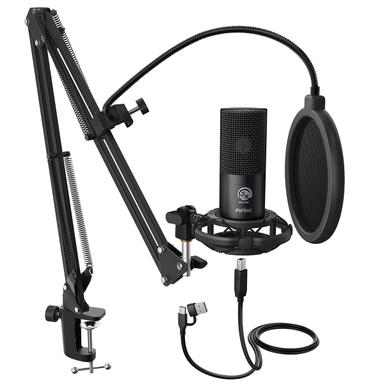
FIFINE T669 Studio Mic Kit
$49.99
Complete kit with boom arm, pop filter, and shock mount — great value for podcasters.
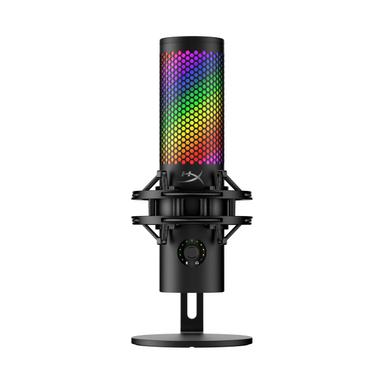
HyperX QuadCast 2 S
$91
RGB lighting, four patterns, and tap-to-mute sensor for gamers who want style and versatility.
Frequently Asked Questions
Blue Yeti vs FIFINE K669B: Which is better?
The Blue Yeti is better for creators who need versatile polar patterns, onboard controls, and broadcast-quality sound. The FIFINE K669B is better for budget buyers or simple use cases like Zoom calls. Choose based on your needs — both are excellent at their price points.
Is the Blue Yeti worth the extra $62?
Yes, if you need its features: four polar patterns, mute/gain controls, zero-latency monitoring, and richer sound. For voice calls or first-time podcasting, the FIFINE delivers 90% of the experience for 33% of the price. The Yeti's extras are must-haves for serious streamers and podcasters.
Can I use the FIFINE K669B for podcasting?
Absolutely. The FIFINE's cardioid pattern captures clear, smooth vocal audio. It's a great start for a first podcast mic. You'll want a quiet room and a pop filter. The only limitation is the lack of controls — adjust volume in your recording software.
Which microphone is better for gaming?
The Blue Yeti is better for gaming due to its four patterns (for chat, alerts, and ambient sound) and mute button for quick privacy. The FIFINE works fine for simple voice chat but lacks pattern flexibility. If you stream, the Yeti's controls are a big advantage.
Does either mic work with PS5 or Xbox?
Both mics connect via USB. The FIFINE lists PS4/PS5 compatibility in its specs. The Yeti works on PC and Mac. Xbox consoles typically don't support USB microphones for voice chat — you'd need a headset or dedicated adapter.
Do I need a pop filter with these mics?
Yes for both, especially for podcasting or vocal recording. Neither includes a pop filter. The Yeti's larger capsule is more prone to plosives. A $10 pop filter greatly improves clarity for both mics.
How we compared. We evaluated two top-rated USB microphones across 8 dimensions, drawing on published expert reviews (TechRadac for the Blue Yeti), Amazon verified-buyer data (91,044+ reviews aggregated), and manufacturer specifications. Prices update weekly from Amazon.
Primary sources. Exact listing details were checked against Amazon US product listing (B00N1YPXW2); Amazon US product listing (B06XCKGLTP). Product-family context comes from the linked manufacturer pages; prices, stock, ratings, and review counts are volatile registry fields and should be checked again before purchase.
Who wrote this and where's the data from?
Mubboo Editorial Team. Independent US-market consumer research. Picks reflect editorial consensus from 3 independent review sources and 91,044+ verified buyer reviews.