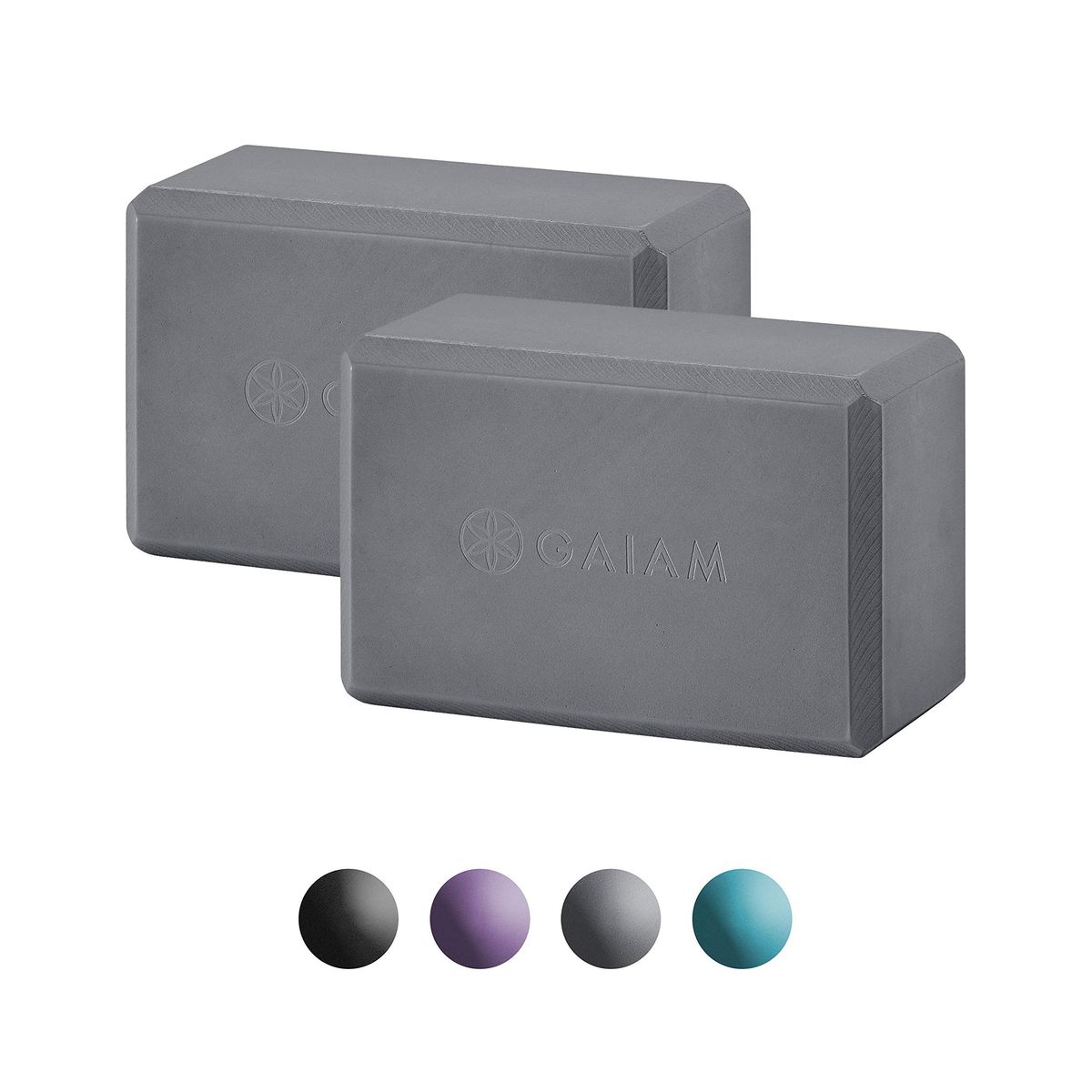
Prices verified Aug 11 · Always confirm at the retailer before buying.
Gaiam is the lower-priced option in the current registry ($16.99 vs. $25.99). Choose it for lightweight EVA foam; choose Syntus for the listed cork blocks and 8-foot strap.
Mubboo Verdict
Best for most people
Gaiam Yoga Block
Lower current price and listed lightweight EVA construction; ratings and review totals are marketplace snapshots, not independent reliability tests.
Pick the Syntus Cork Set (2 Blocks + Strap) instead if
- You prioritize sustainability — renewable cork and zero petroleum‑based foam.
- You want a full yoga kit with a D‑ring strap for deepening stretches.
- You practice advanced balance poses and need firmer, non‑compressing support.
- You expect heavy daily use and want cork that resists compression over time.
Gaiam Yoga Block vs Syntus Cork Set (2 Blocks + Strap), side by side
Gaiam Yoga Block

Pros:
- 4.8-star rating in the current registry snapshot
- Lightweight EVA foam construction is listed; verify pack weight on the exact listing
- EVA foam material is listed; follow the exact listing care instructions
- Beveled edges and a textured surface are listed features
- Inexpensive for two blocks
Cons (honest weight):
- Foam and cork have different firmness; long-term compression was not independently tested
- Firmness preference varies; no pose-specific performance test was performed
Syntus Cork Set (2 Blocks + Strap)

Pros:
- Cork construction is listed as denser and heavier than foam
- Includes an 8‑ft D‑ring strap for deepening stretches
- Natural cork construction for shoppers comparing materials
- Textured cork surface is listed as a grip feature
- Set of three items covers all prop needs
Cons (honest weight):
- Heavier than foam in the current product description; verify exact pack weight
- Higher current price than the Gaiam listing
Where each one wins
9 dimensions scored head-to-head. Gaiam Yoga takes 3; Syntus Cork takes 5.
| Dimension | Gaiam Yoga Block | Syntus Cork Set (2 Blocks + Strap) | Winner |
|---|---|---|---|
| PriceGaiam costs 42% less | $16.99 | $25.99 | Gaiam Yoga |
| MaterialCork is renewable and biodegradable | Latex‑free EVA foam | Natural cork | Syntus Cork |
| FirmnessSyntus offers max stability for standing poses | Soft, supportive cushion | Rock‑solid, non‑compressible | Syntus Cork |
| GripBoth prevent sliding equally well | Beveled non‑slip surface | Textured natural cork | Tie |
| Weight / PortabilityGaiam is 10x lighter for carrying to the studio | 195g (0.43 lbs) | 2.08 kg (4.59 lbs) | Gaiam Yoga |
| Included AccessoriesSyntus bundle saves a separate strap purchase | 2 blocks only | 2 blocks + 8‑ft D‑ring strap | Syntus Cork |
| SustainabilityCork and EVA foam are different listed materials; environmental impact is not scored here | Petroleum‑based foam | Renewable cork | Syntus Cork |
| Reviews & PopularityGaiam is overwhelmingly the most popular block | 29,791 reviews in the current registry snapshot | 4,787 reviews in the current registry snapshot | Gaiam Yoga |
| DurabilitySyntus holds up better to heavy daily use | Foam may compress over time | Cork resists compression | Syntus Cork |
| Overall | 3 wins | 5 wins | Syntus Cork |
Price: Gaiam is the clear value winner
Gaiam is $9.00 lower than Syntus in the current registry. Both listings are sets; compare what each includes before buying.
The price difference may matter for budget planning. Carrying comfort depends on the pack and user; no portability test was performed here.
If price is the priority, Gaiam costs less in the current snapshot. Recheck the live listings if you also need a strap.
Material: Cork and EVA foam differ
The cited manufacturer pages identify Syntus as cork and Gaiam as EVA foam; this comparison does not independently assess environmental impact.
Material feel and disposal options vary by product and local facilities; no lifecycle assessment was performed here.
Choose Syntus if you prefer the listed cork material; choose Gaiam if you prefer EVA foam and a lower current price.
Firmness: Compare listed materials
The manufacturer describes Syntus cork as denser and heavier than foam. Firmness and compression were not independently tested here.
Foam and cork offer different firmness and weight characteristics; match the choice to your preferred feel and intended use.
If you need a firmer listed material, Syntus may fit; do not treat this comparison as a safety or instruction assessment.
Grip: Compare listed surface details
The manufacturer pages list beveled/textured surfaces for both products; grip was not independently tested.
Performance in sweaty or heated practice was not independently tested; use the products according to their instructions.
Grip preference can differ by user and practice; compare the listed surface details.
Weight / Portability: Compare listed weights
The current article lists a lightweight Gaiam set and a heavier Syntus cork set; exact pack weights should be checked on the respective listings.
If you carry props to class, compare the current listed dimensions and weights; portability was not independently tested.
Cork is heavier in the current manufacturer description; compare listed dimensions and weight with your transport needs.
Accessories: Syntus includes a strap
The Syntus official page lists an 8-foot D-ring strap with the cork blocks; confirm the Gaiam pack contents on its exact listing.
The included strap may be useful if you need that accessory; no value or convenience test was performed.
If you already own a strap, the included accessory may not add value; compare the two pack contents.
Material context
The manufacturer pages identify the materials but do not establish a comparative lifecycle result.
Studio policies and material preferences vary; no general studio mandate is established here.
If material origin is important to you, review the manufacturer disclosures for the exact product. This article does not make a carbon-footprint comparison.
Reviews: Marketplace snapshot
The current registry shows more reviews for Gaiam, but review totals and rankings change; this is not an independent quality ranking.
A larger review pool provides more marketplace observations, not a guarantee of product quality or fit.
Use the exact listing and current manufacturer information to check fit; reviews cannot replace product-specific verification.
Durability: No long-term test
The manufacturer pages describe cork as durable and EVA foam as lightweight; long-term service life was not independently tested.
Studio intensity and service life vary; no multi-year durability test was performed.
Choose by listed material, dimensions, price, and intended use; do not infer years-long durability from this comparison.
Which should you buy?
| Your situation | Pick | Why |
|---|---|---|
| You're new to yoga | Gaiam Yoga Block | Gaiam's forgiving foam is stable for learning, and the price is risk‑free. |
| You care about the environment | Syntus Cork Set (2 Blocks + Strap) | Syntus cork is renewable and biodegradable, unlike petroleum foam. |
| You walk or bike to the studio | Gaiam Yoga Block | Gaiam's featherlight 0.43‑lb set won't weigh down your bag. |
| You practice advanced balances | Syntus Cork Set (2 Blocks + Strap) | The rock‑solid cork provides unshakable support for handstands and headstands. |
| You want a complete starter kit | Syntus Cork Set (2 Blocks + Strap) | Syntus includes a strap, so you get blocks and a stretching aid in one box. |
| You're shopping on a tight budget | Gaiam Yoga Block | Gaiam is the lower-priced set in the current registry; quality and fit were not independently tested. |
Gaiam's forgiving foam is stable for learning, and the price is risk‑free.
Syntus cork is renewable and biodegradable, unlike petroleum foam.
Gaiam's featherlight 0.43‑lb set won't weigh down your bag.
The rock‑solid cork provides unshakable support for handstands and headstands.
Syntus includes a strap, so you get blocks and a stretching aid in one box.
Gaiam is the lower-priced set in the current registry; quality and fit were not independently tested.
What if neither is right?
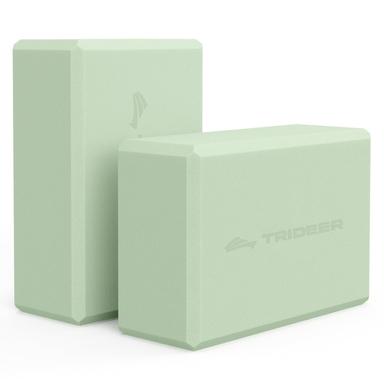
Trideer Yoga Block (2‑Pack)
$13.99
Budget‑friendly foam alternative with a slightly thinner 3‑inch profile and 3,410 positive reviews.
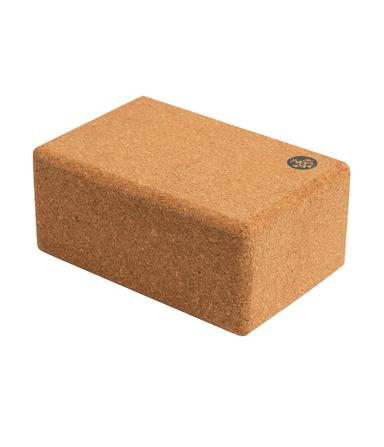
Manduka Cork Yoga Block
$26
Premium single cork block from a respected yoga brand for purists who want the best.
Frequently Asked Questions
Which is better, Gaiam or Syntus yoga blocks?
For most people, Gaiam wins — it's lighter, half the price, and backed by 29,791 reviews. The Syntus set is better if you value eco‑friendly cork, need a strap, or want the firmest possible support for advanced poses.
Is the Syntus cork set worth the extra $10.94?
Yes, if you prioritize sustainability or need a strap. The cork material lasts longer without compressing, and the included strap alone costs $8-$10 separately. For a casual practice where weight and price matter more, the Gaiam set is the smarter buy.
Can beginners use cork blocks?
Absolutely. The firm surface may feel less cushioned at first, but it provides better stability for learning alignment. Many beginners prefer the softness of foam initially; either works fine, and you can switch later once you know your needs.
Do I really need a yoga strap?
A strap helps deepen stretches when you can't reach your feet, making hamstring and shoulder openers more effective. If you already own a strap, the Syntus bundle may be redundant. Otherwise, it's a useful bonus that saves a separate purchase later.
We compared current Aurora/Keepa price, stock, rating snapshots, exact Amazon listings, and manufacturer specifications for both block sets. This is a listing/specification comparison, not hands-on yoga practice testing. Prices were checked August 12, 2026.
Primary sources. Exact listing details were checked against Amazon US product listing (B075W63K67); Amazon US product listing (B0D3F49GVH); Manufacturer product page; Manufacturer product page. Product-family context comes from the linked manufacturer pages; prices, stock, ratings, and review counts are volatile registry fields and should be checked again before purchase.
Who wrote this and where's the data from?
Mubboo Editorial Team. Picks reflect a current listing/specification comparison using Aurora/Keepa registry data and cited manufacturer pages. Prices and availability can change.