Lumphini Park
- 📍 Where
- Rama IV Road, Silom area
- 🕑 Best time
- 6:00 AM–8:00 AM for morning exercises and monitor lizards
Mubboo’s tip: Bring water and participate in free group tai chi sessions.
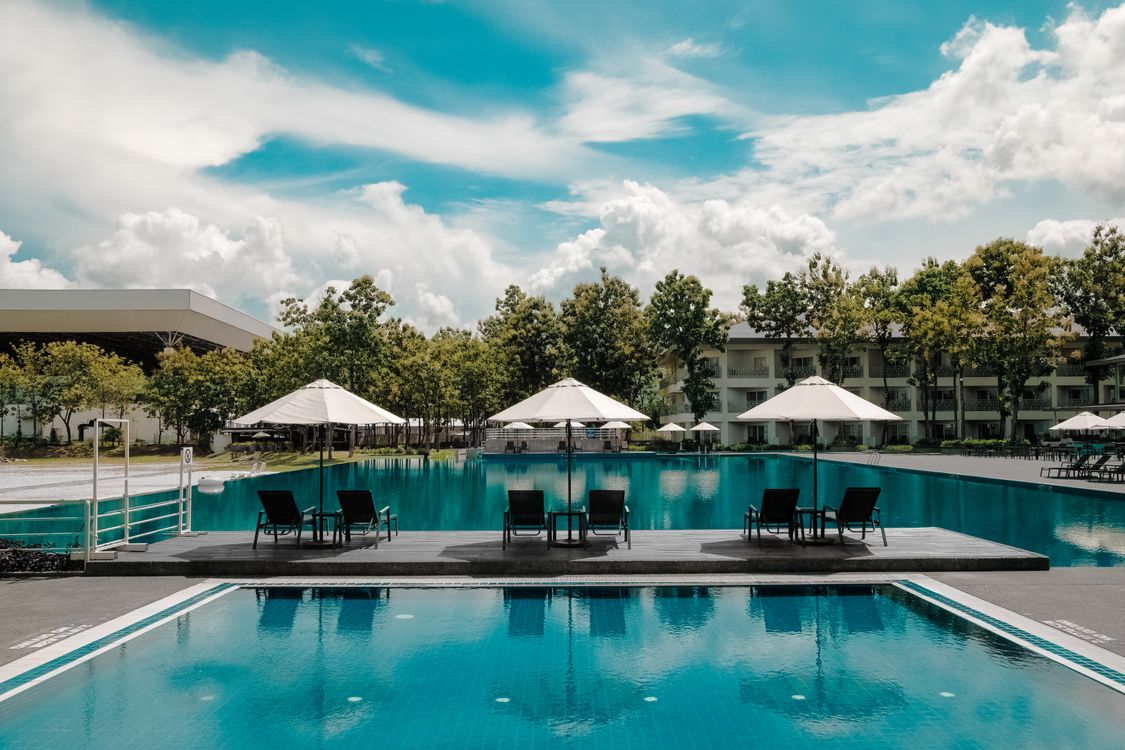
Free–$250 per activity
Bangkok can swallow your budget fast if you chase every tuk-tuk tout. But the real soul of the city—canal-side walks, glowing shrines, Chinatown’s night eats—costs nothing. Start there, then pick one or two top-tier private tours to unlock the Grand Palace and floating markets without the chaos. Skip the tourist-group markets unless you enjoy heatstroke with your souvenir spoon.
Mubboo Verdict: Bangkok rewards the free-first traveler who wanders canals and temples, then books a private guide to dodge the ticket lines. Skip Khao San Road after dark—it’s a backpacker frat party. Strategic spending on food tours and day trips outside the city yields the real gold.
Prices from 800+ airlines · Book direct, get direct support
Best things to do — top activity platforms compared
M decides what’s worth your time in Bangkok with a simple rule: spend nothing on the streets first. If walking Chinatown, Lumphini Park, and the riverfront can fill your days, you’re winning. Then allocate $80–$200 for a private guide to crack open the temples—no self-navigation stress. Avoid fixed-itinerary group tours; they chew time in gift shops. Save $100+ for a food-focused tuk-tuk night tour; it’s the city’s soul on a plate.
Don’t waste money on tourist-trap floating markets unless you’re camera-driven. This framework keeps your wallet safe while you taste the real thing.
Start here. These cost nothing and are genuinely worth your time — no booking required.
Mubboo’s tip: Bring water and participate in free group tai chi sessions.
Mubboo’s tip: Arrive before 10 AM to beat the crowds and heat.
Mubboo’s tip: Walk the alleys off Yaowarat for cheap, no-menu stalls.
Mubboo’s tip: You can watch traditional dance performances without paying.
Mubboo’s tip: Even daytime visits are free and colorful for photos.
Mubboo’s tip: Take the ferry for $0.15 instead of a tour boat.
After you’ve soaked up the free gems, these paid tours elevate your experience from tourist to insider. All are top-rated, private (no crowded buses), and handpicked for US travelers—whether you want a deep dive into history, a culinary adventure, or a full-day escape to waterfalls. Every listing below has a perfect 5.0 rating from hundreds of travelers, so you’re not gambling. Prices here range from $78 for a customized day to $241 for an all-in everything tour; your money goes toward local guides, air-conditioned transport, and skipping lines.
Mubboo Verdict: The safest bet for first-timers—you control the itinerary and pace, avoiding the tourist cattle car. Not cheap, but saves you from 8 hours of BTS and haggling.
Best for: Families or anyone with a short stay who wants a tailored, stress-free day.
Mubboo Verdict: Three iconic stops in one long day—worth it if you have limited time. The Ayutthaya ruins are the real star; the markets are photogenic but touristy.
Best for: Ambitious travelers who want to knock out three bucket-list sights in a single trip.
Mubboo Verdict: The best intro to Bangkok’s after-dark eats. Riding a tuk-tuk at night is half the fun. Stops are often family-run stalls you’d never find alone.
Best for: Food-focused travelers and night owls who want a local, not westernized, food crawl.
Mubboo Verdict: Escape the concrete for turquoise pools you can actually swim in. The full-day commitment is real, but the waterfall payoff is worth every baht.
Best for: Nature lovers and anyone needing a break from Bangkok’s intensity.
Mubboo Verdict: A logistical marvel if you have one day and a decent budget. Covers the greatest hits but leaves little breathing room. Not for slow travelers.
Best for: Travelers with exactly one full day who want to see it all without planning.
Mubboo Verdict: Focuses on Chinatown’s back alleys—a smarter route than the broader food tours. Great for small groups who want to eat where locals linger.
Best for: Small-group foodies who want Chinatown’s deepest eats without getting lost.
Grand Palace, Wat Pho, National Museum, and river views
Top pick: Private temple tour to skip the ticket line and learn the stories behind the murals
Modern malls, rooftop bars, international dining, and nightlife
Top pick: Rooftop cocktail at Octave or Above Eleven with city skyline views
Neon-lit food streets, gold shops, and hidden alleys
Top pick: Private tuk-tuk food tour after sunset to hit 10+ stalls without queuing
Artisanal coffee, indie boutiques, and leafy residential streets
Top pick: Café-hopping along Soi Ari Phahonyothin 1 with a matcha latte in hand
Wat Arun, canal-side communities, and local markets
Top pick: Exploring the khlongs by longtail boat to see a quieter side of Bangkok
MBK Center, Siam Paragon, Bangkok Art and Culture Centre
Top pick: Air-conditioned shopping spree broken up by good food courts
Rainy but green landscapes—try a cooking class or evening tuk-tuk tour between showers.
Perfect weather for temple-hopping and outdoor dining—book Grand Palace tour early.
Ideal for Chatuchak Market and river cruises; clear skies dominate.
Heat rises but manageable; visit floating markets before the dry season ends.
Songkran water festival mid-month—book tickets weeks ahead, expect city-wide water fights.
Start of rainy season, but short showers. Great for museum visits and indoor food tours.
Low-season bargains on hotels; Erawan Waterfall flows full after rains.
Monsoon peaks, so pack a poncho. Markets are less crowded, and prices drop.
Heaviest rains, but you’ll score incredible hotel deals. Focus on indoor attractions.
Rain eases; great month for a Kanchanaburi day trip as waterfalls are still impressive.
Tourism kicks back with cooler air. Book a private guide for the temples before crowds surge.
Holiday season with festive markets and dry, comfy weather—ideal for a nighttime food tour.
Need to get there first? Search flights:
Skip the stress of navigating temple dress codes and ticket queues with a private guide.
Explore toursThis tuk-tuk food tour takes you to 10+ stalls that buses can’t reach, with a guide who knows the best pad thai in town.
Explore toursTrade Bangkok’s traffic for a waterfall swim and a boat ride—a private day trip to Erawan that leaves early and beats the crowds.
Explore toursAn 8-hour private van tour lets you set the pace—hit the temples then break for a pool rest when the kids fade.
Explore tours“Big-city energy where golden temples meet neon-lit skyscrapers.”
“Yaowarat’s alleys filled with unforgettable street food stalls.”
“Two weeks in Thailand on just $1500, not counting flights.”
Not if you travel smart. Street food meals cost $2–$5, BTS rides are under $2, and many attractions are free. Accommodation can be found for $25/night. To save more, book private tours directly through aggregators that offer price-matching; some even have last-minute discounts on temple tours and food walks.
Yes, with caveats. Stick to well-lit areas and use the BTS for easy stroller access. Private tours are ideal because you control the schedule and avoid crowded group buses. The 8-hour customizable tour is a family favorite—you can swap temple visits for a pool break if kids get tired.
Walk through Lumphini Park, explore Chinatown’s streets, browse the Chatuchak Weekend Market, visit the Erawan Shrine, and watch the sunset along the Chao Phraya River. All temples charge a fee to enter, but you can admire the architecture from outside. The flower market is also free and open 24/7.
November through February offers the coolest, driest weather—ideal for outdoor sightseeing. March to May gets brutally hot, while June to October brings monsoon rains but lower prices and fewer crowds. If you can handle heat, April’s Songkran water festival is a once-in-a-lifetime experience.
The Airport Rail Link is the cheapest and fastest: $1.50–$2 each way to Phaya Thai BTS station in 30 minutes. Taxis cost about $10–$15 but can get stuck in traffic. Pre-book a private transfer if arriving late at night or with lots of luggage.
Cover your shoulders and knees. No shorts, tank tops, or leggings. If you forget, vendors at temple entrances rent cover-ups for $1–$2, but sizing can be awkward. Lightweight scarves packed in your bag solve the problem for free. Remove shoes before entering any temple building.
Easily. Most signs are in English, BTS/MRT announcements are bilingual, and many Thais in tourist areas speak basic English. Grab app eliminates language barriers for taxis. Learning a few words like “hello” (sawasdee) and “thank you” (khob khun) goes a long way with locals.
Some links on this page are affiliate links, at no extra cost to you.